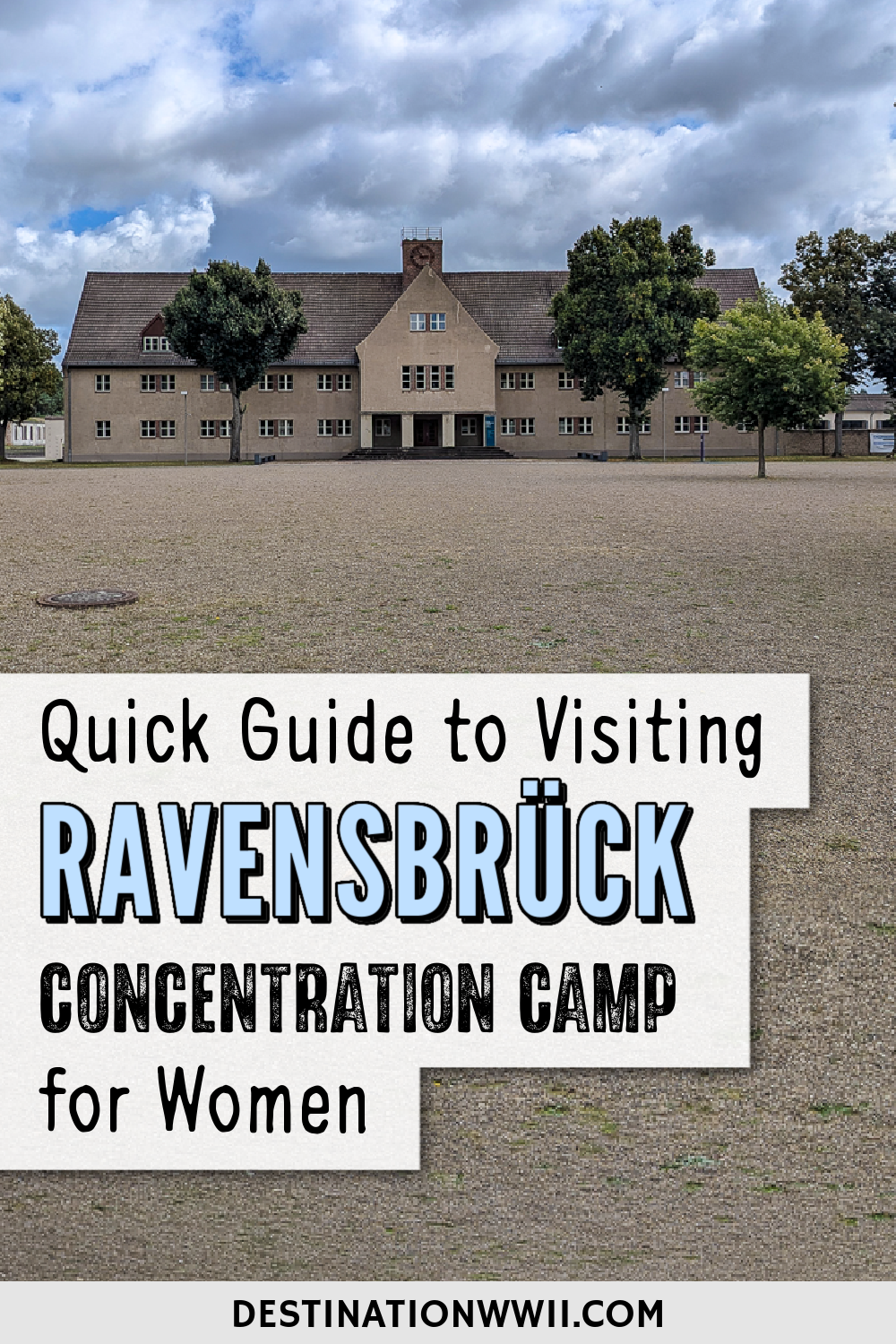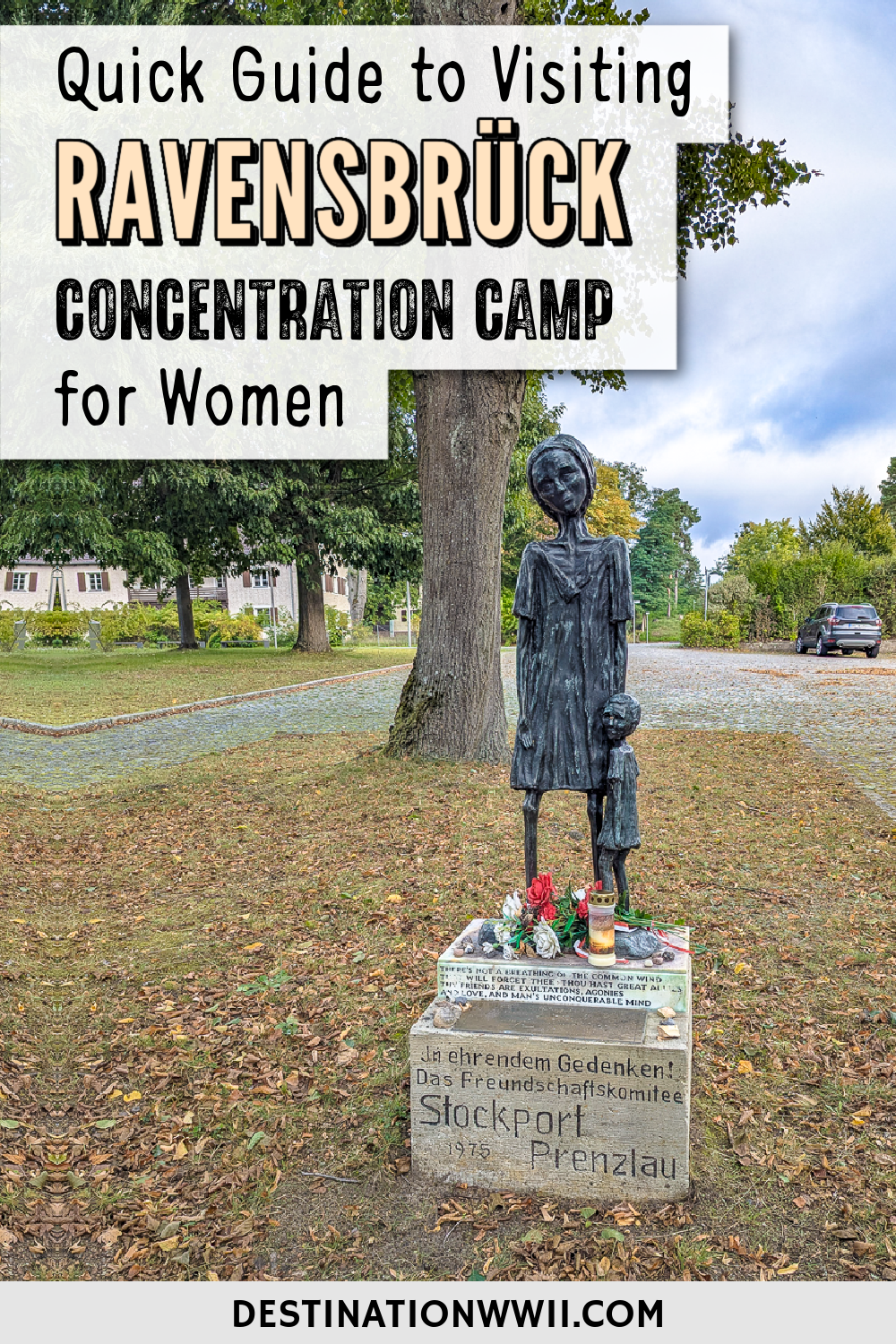

If you have plans to explore the many WWII historical sites in Berlin, I highly recommend visiting Ravensbrück Concentration Camp memorial site as part of that. Ravensbrück was built as a concentration camp exclusively for women and remained the largest women’s camp in Germany throughout the war.
By the time I visited Ravensbrück in September 2025, I had already visited 14 other concentration camp sites. With that in mind, know that Ravensbrück has been, for me, both the most haunting experience and the most inspiring one. The stories you’ll learn here you won’t soon forget. Here’s everything you need to know for visiting Ravensbrück on your next trip to Germany.
What is Ravensbrück?
Ravensbrück was a Nazi concentration camp exclusively for women prisoners. It was built by male prisoners from the nearby Sachsenhausen concentration camp and operated from 1939 to 1945. In 1941, it expanded to include a men’s camp, and a juvenile camp for girls opened a year later.
During its operation, it imprisoned approximately 130,000 women and children, 20,000 men, and 1,200 adolescent girls. In that time, an estimated 30,000 were killed or otherwise died from the conditions.
Ravensbrück prisoners
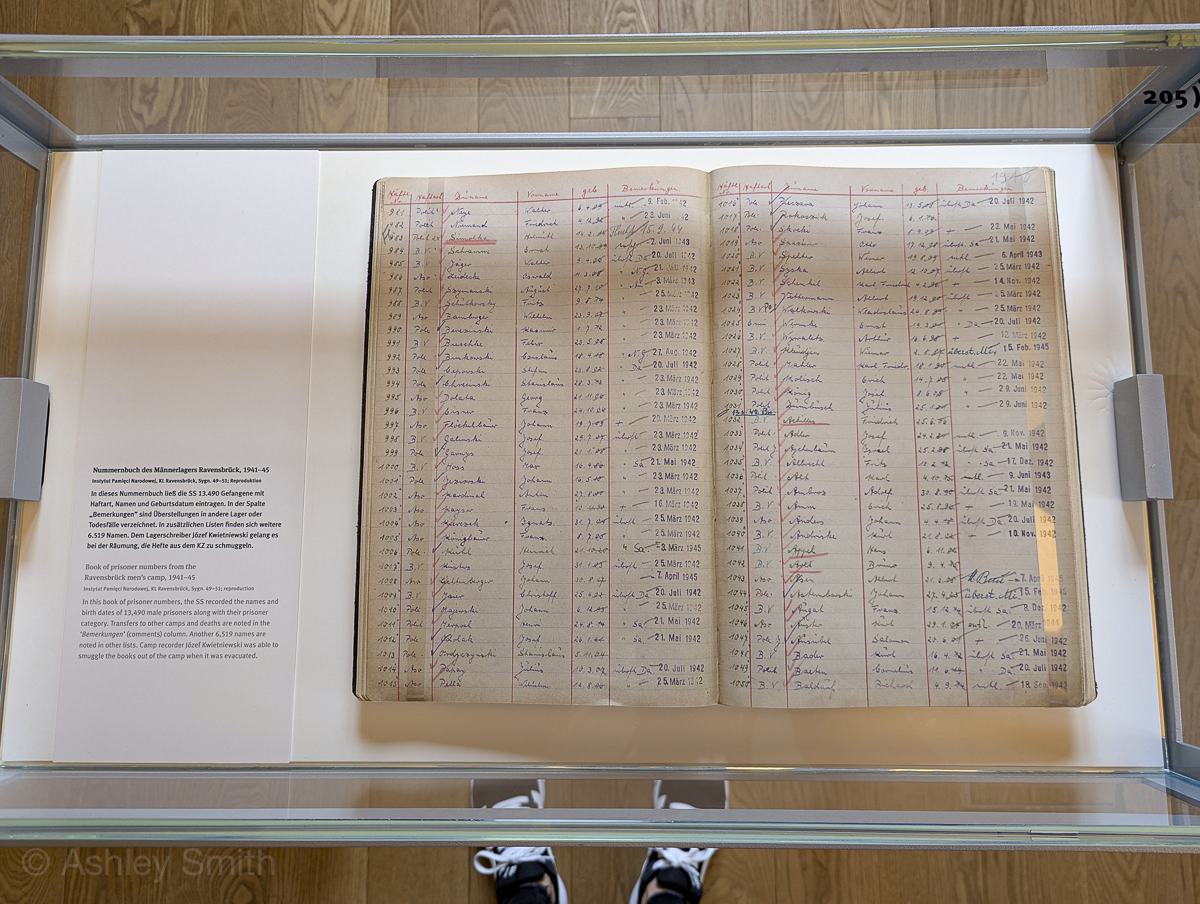
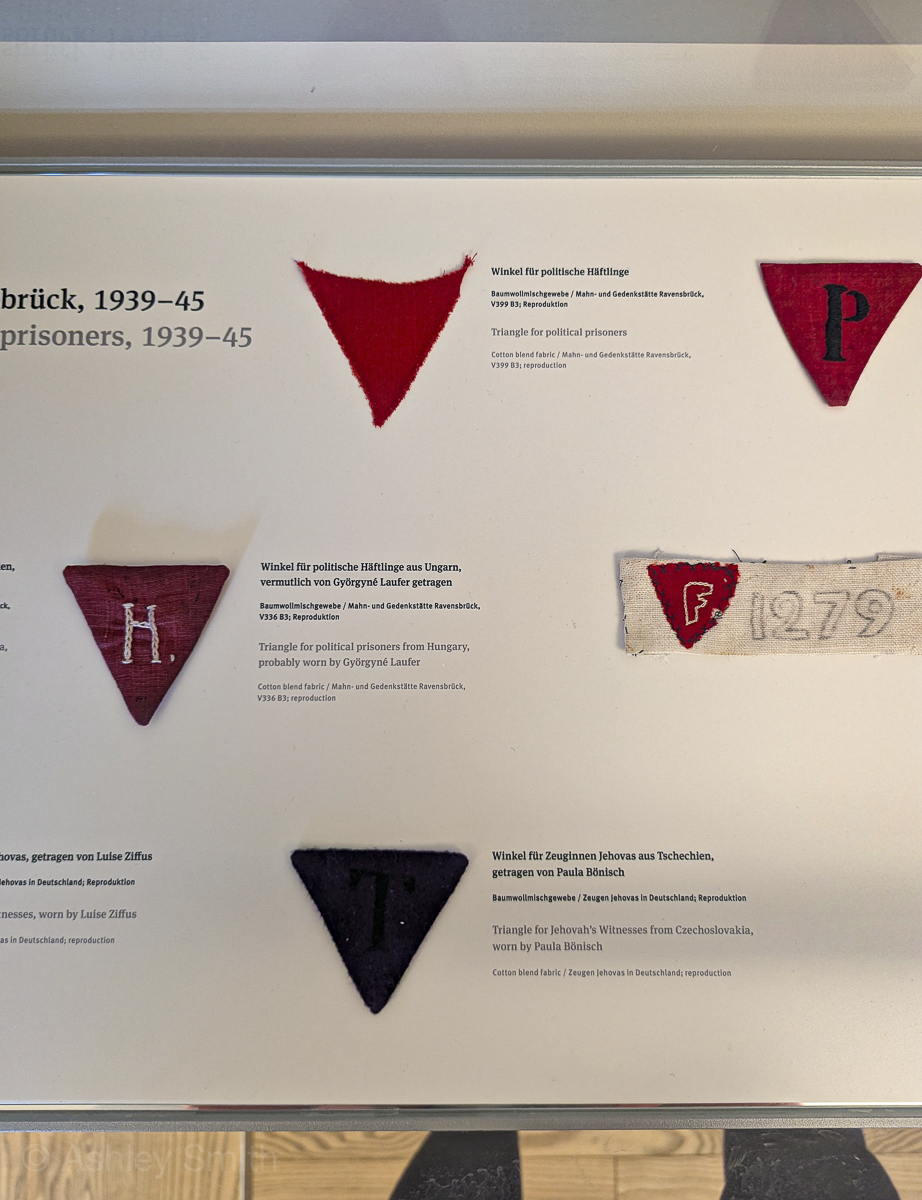
The female prisoners at Ravensbrück came from 30 countries and all kinds of backgrounds, but the vast majority classified as political prisoners. These included those involved in active anti-Nazism resistance activities, but also those arrested for absurd offenses like listening to foreign radio broadcasts, refusing to hang a picture of Hitler in their classrooms, or just for having a general “anti-German attitude.”
Many women imprisoned here were considered “anti-social elements.” In other words: lesbians, those who’d had abortions (and the nurses who performed them), poor and homeless women, prostitutes, and pretty much anyone else the regime considered “indecent.” All were arrested and imprisoned without any sort of due process.
Ravensbrück also held religious prisoners too—Jews, Jehovah’s Witnesses, Roma and Sinti—but these numbers were comparatively low.
Ravensbrück guards
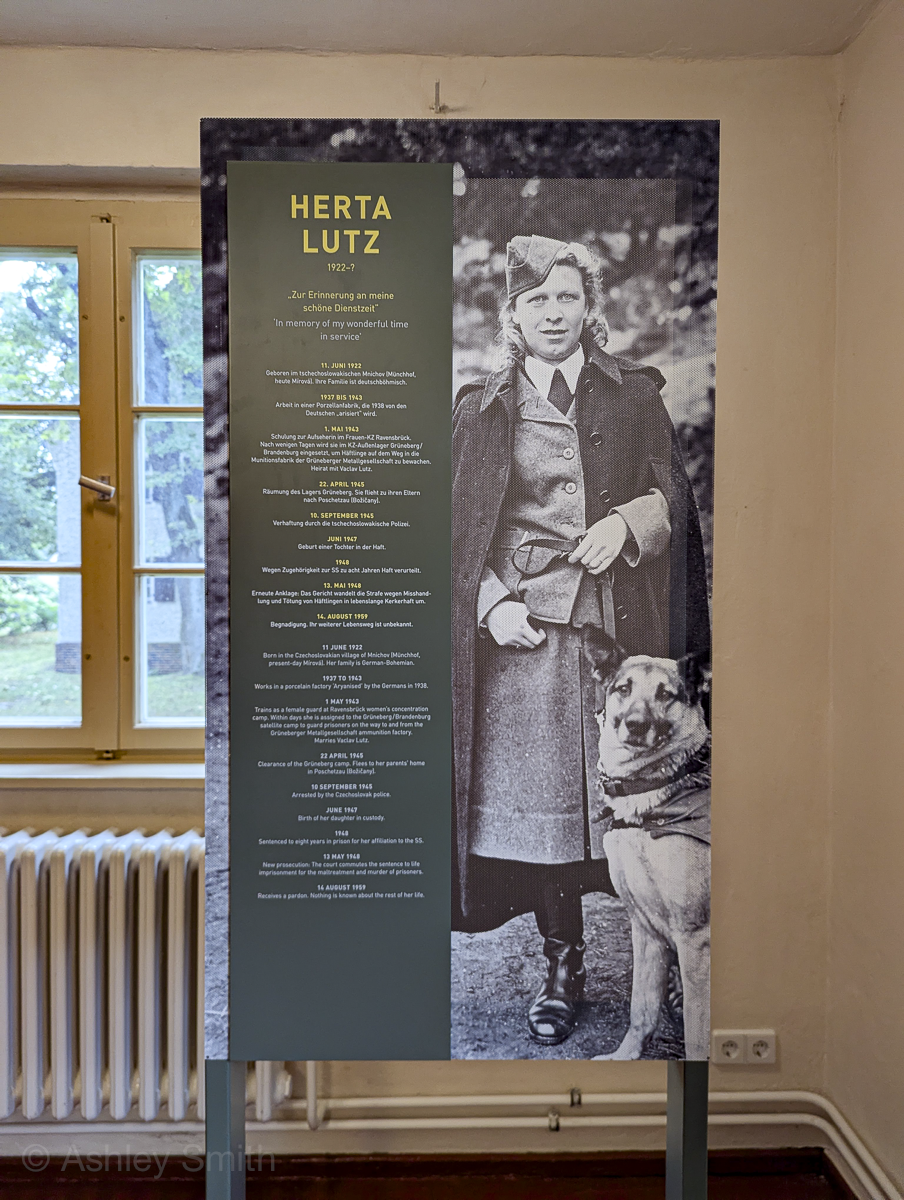
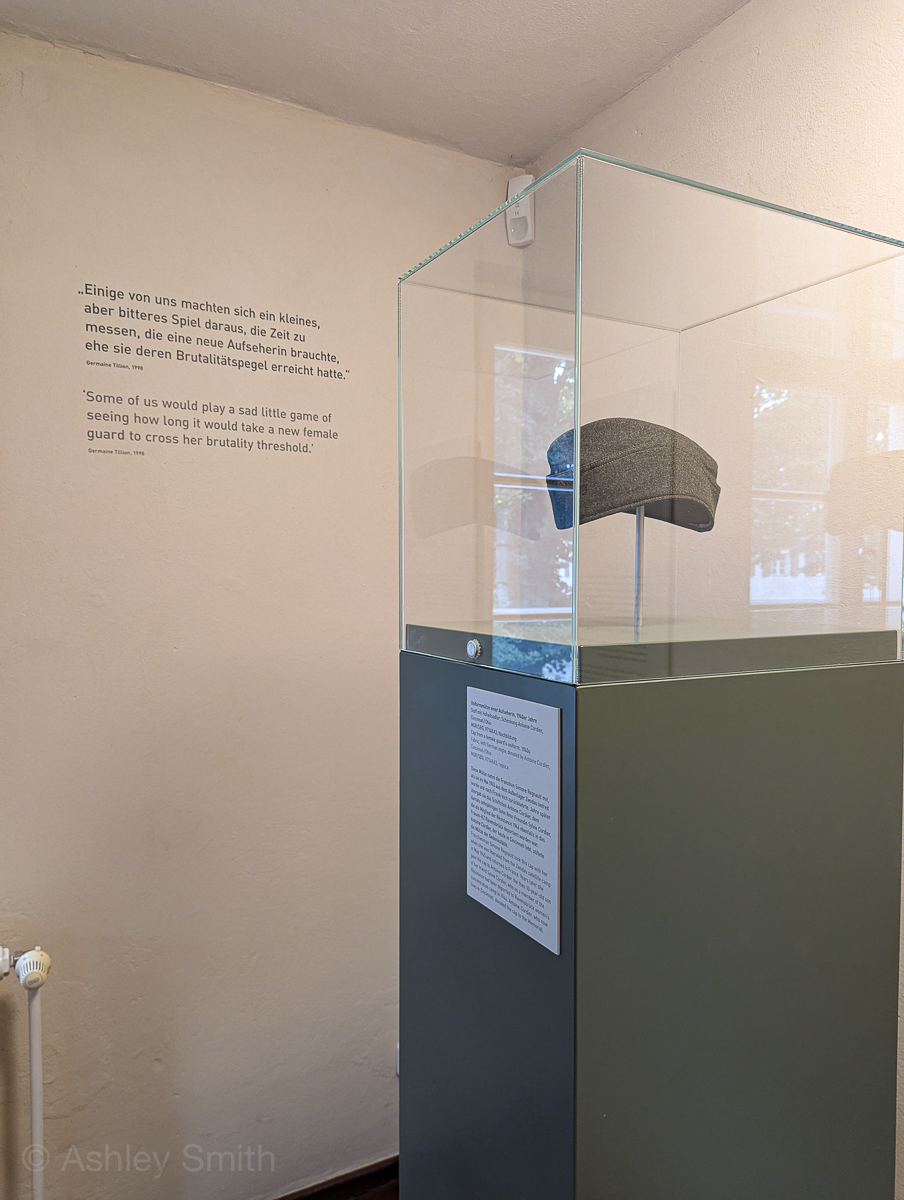
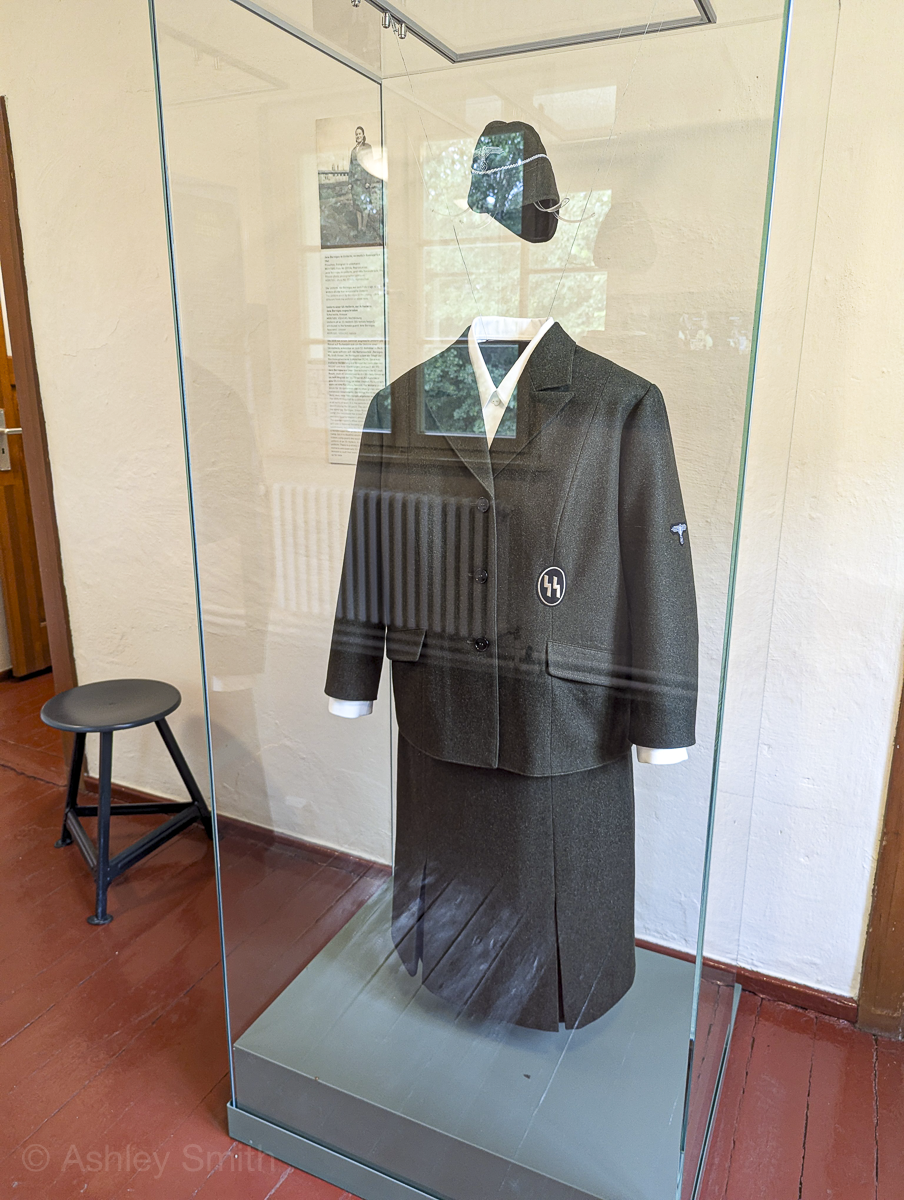
The female guards of Ravensbrück are notorious for their brutality. In addition to the 150+ female guards, Ravensbrück also served as a training camp for more than 4,000 female guards who went on to work elsewhere.
These women were known for their extreme violence and sadistic power trips. They used whips and dogs to keep the prisoners in line. They ruled with a unique brand of hatred and fury. And then they’d clock out and hang out with their friends, tell silly stories, and smile for photos. It takes a special kind of monster, really.
They had nicknames like “Bloody Brygida” (Hildegard Lächert, who would beat women until they bled), the “Beast of Ravensbrück” (Elfriede Muller), and the “Beast in Human Skin” (Erika Bergmann, who routinely used her dog to rip prisoners to shreds). Sadly, almost none of them were ever appropriately punished for their crimes.
Ravensbrück as a slave labor camp
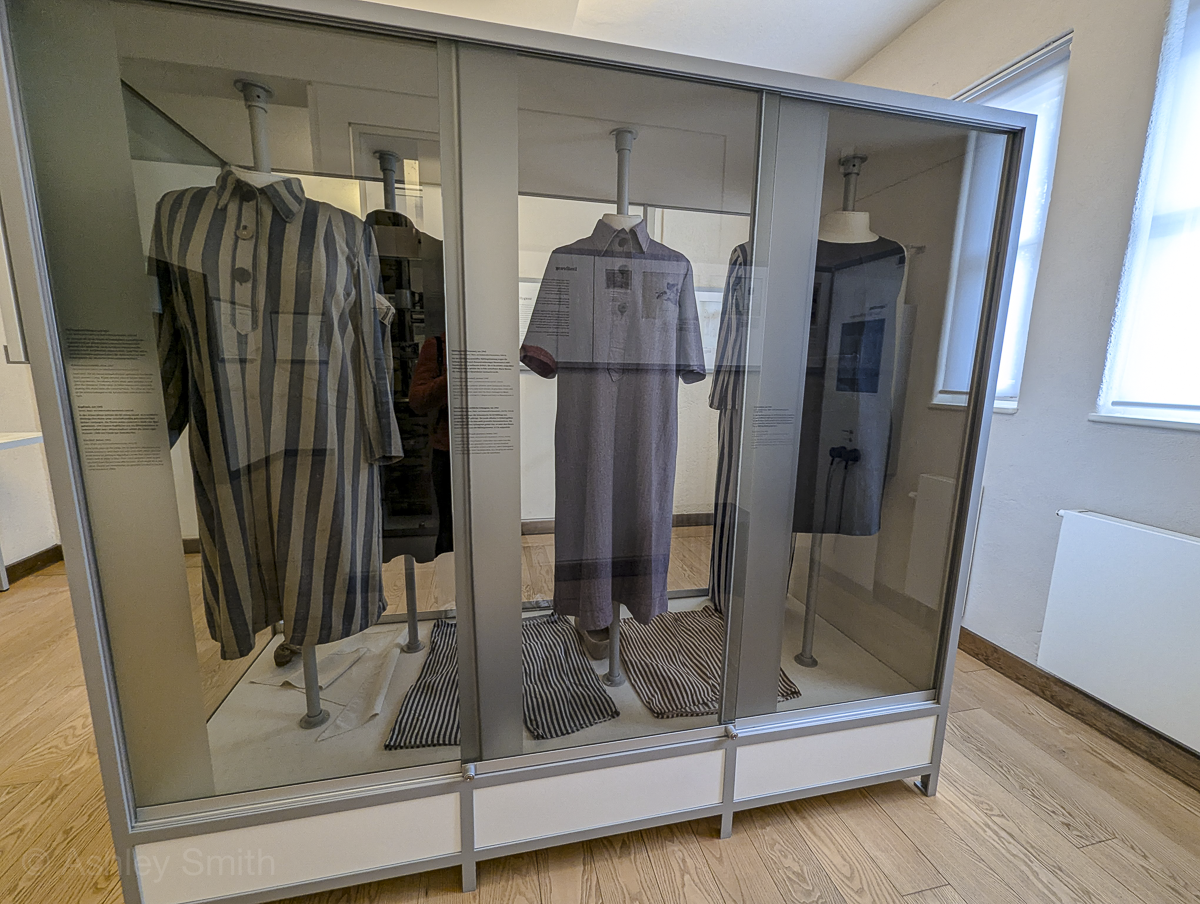
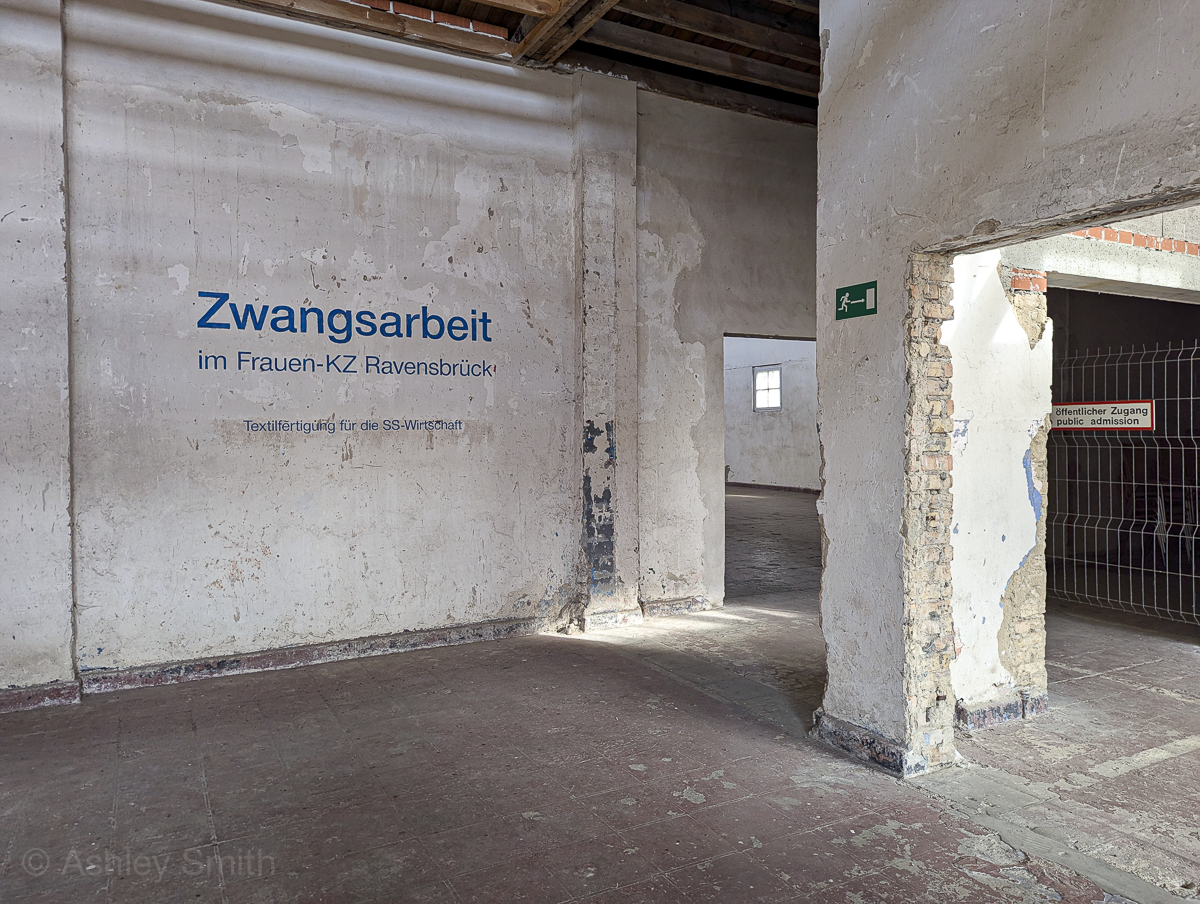
Unsurprisingly, the SS used Ravensbrück as a forced labor camp for several industries. A large industrial complex was established that included workshops for things like sewing, weaving, and other textile-related jobs. In fact, the women of Ravensbrück made all the striped uniforms for all the Nazi concentration camps.
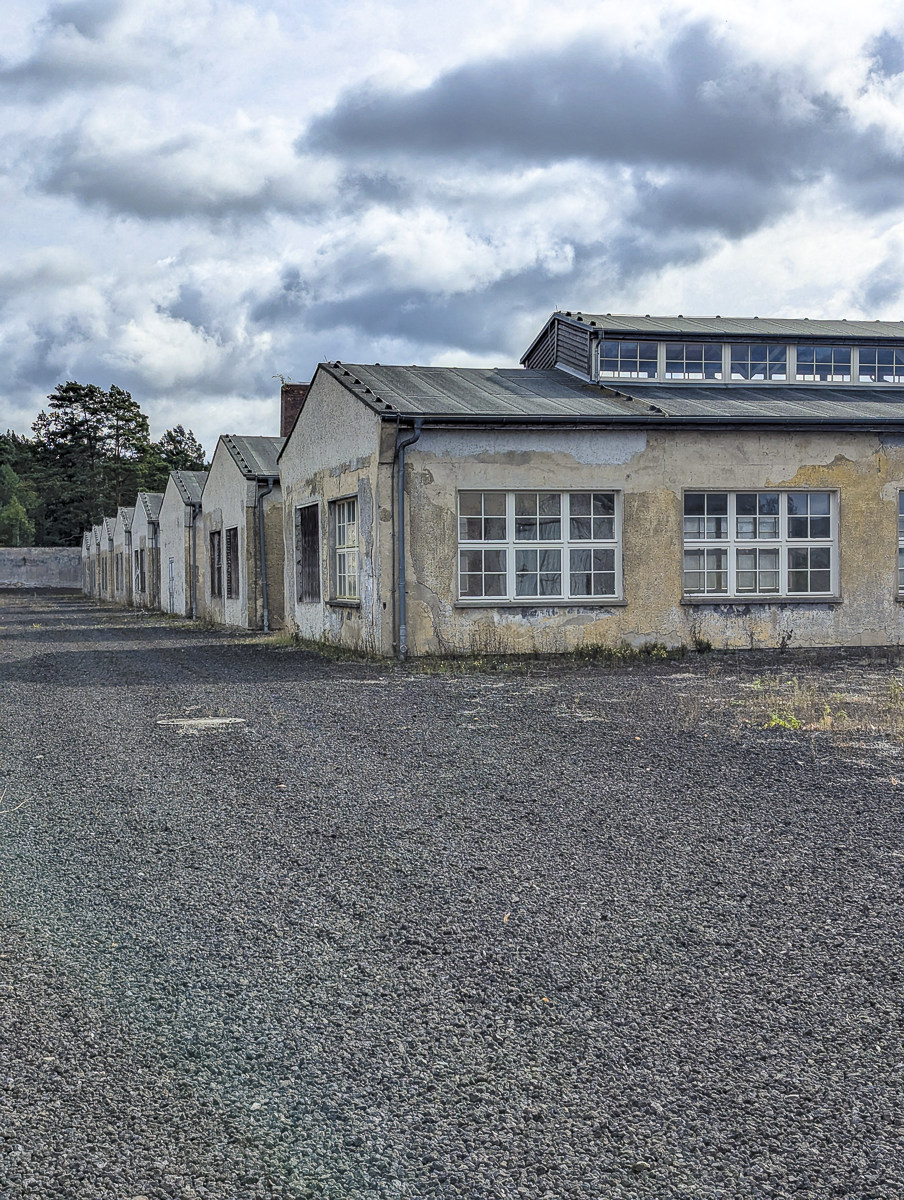
This complex of 20 workshops where 2,300+ women forced laborers lived and worked was known as the Siemenslager. This is because it was built and operated (and profited of off) by the company Siemens. Yes, the same tech conglomerate Siemens that today is worth about $230 BILLION. Billion, with a B. (And Ravensbrück was just one of its many highly profitable forced labor concentration camp enterprises.)
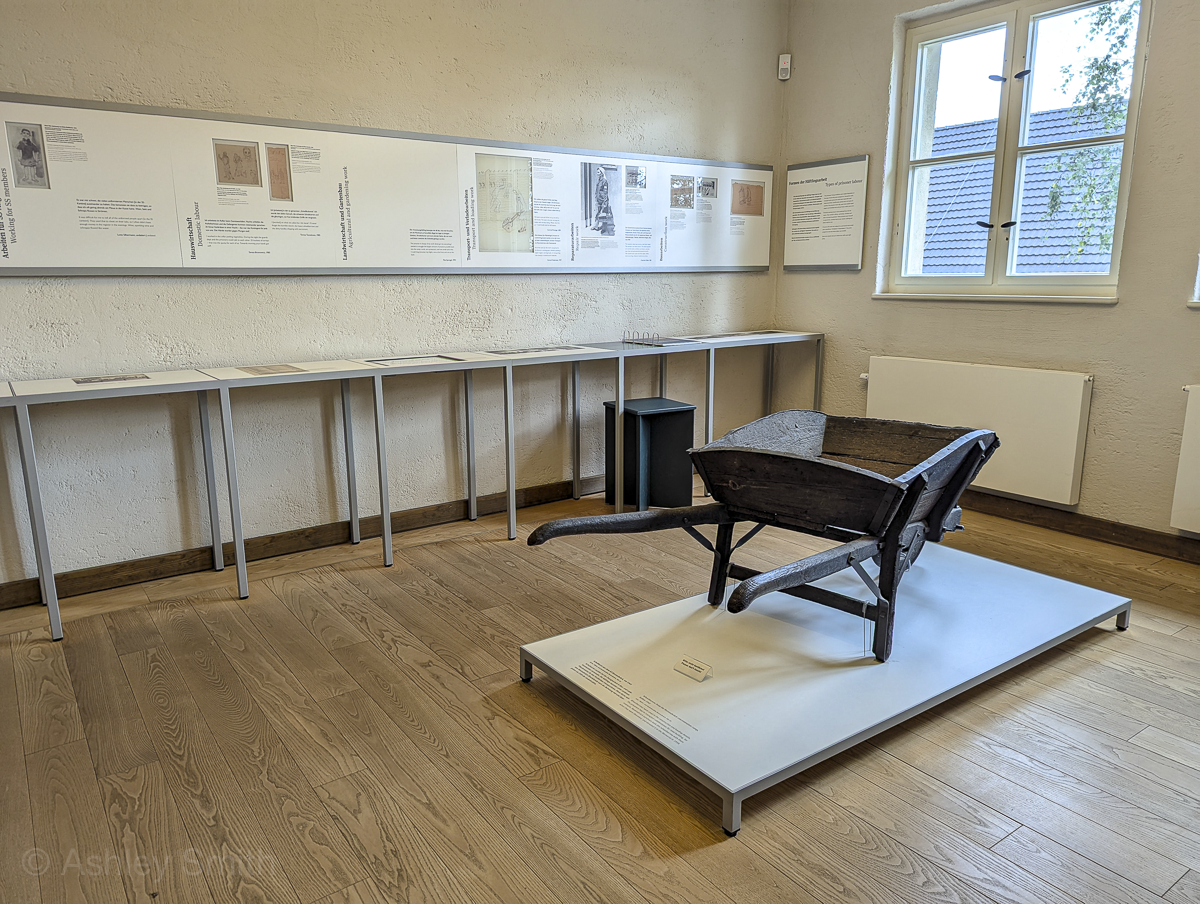
The camp also had its fair share of excavation and construction work, as well as other forms of hard manual labor. The men’s camp at Ravensbrück was actually established for the sole purpose of providing physical labor for the camp’s continuing expansions. The SS also forced Ravensbrück prisoners into several jobs outside the camp in places like armament factories, offices, and private farms and households.
And, this being a women’s camp, the SS also began operating brothels here. These served as incentives for male prisoners to up their work performance, as well as just another perverse way to exploit vulnerable female prisoners. Many women volunteered for “brothel detail” because the guards promised them food, clothing, or even early release, but that never happened (of course).
As a side note, imagine being imprisoned in a concentration camp for being a prostitute, and then they force you to work as a camp prostitute. The same goes for the women who were arrested for getting abortions, while the camp SS was actively performing forced abortions on pregnant prisoners. My entire visit to Ravensbrück was filled with irony-induced rage.
Ravensbrück as a death camp
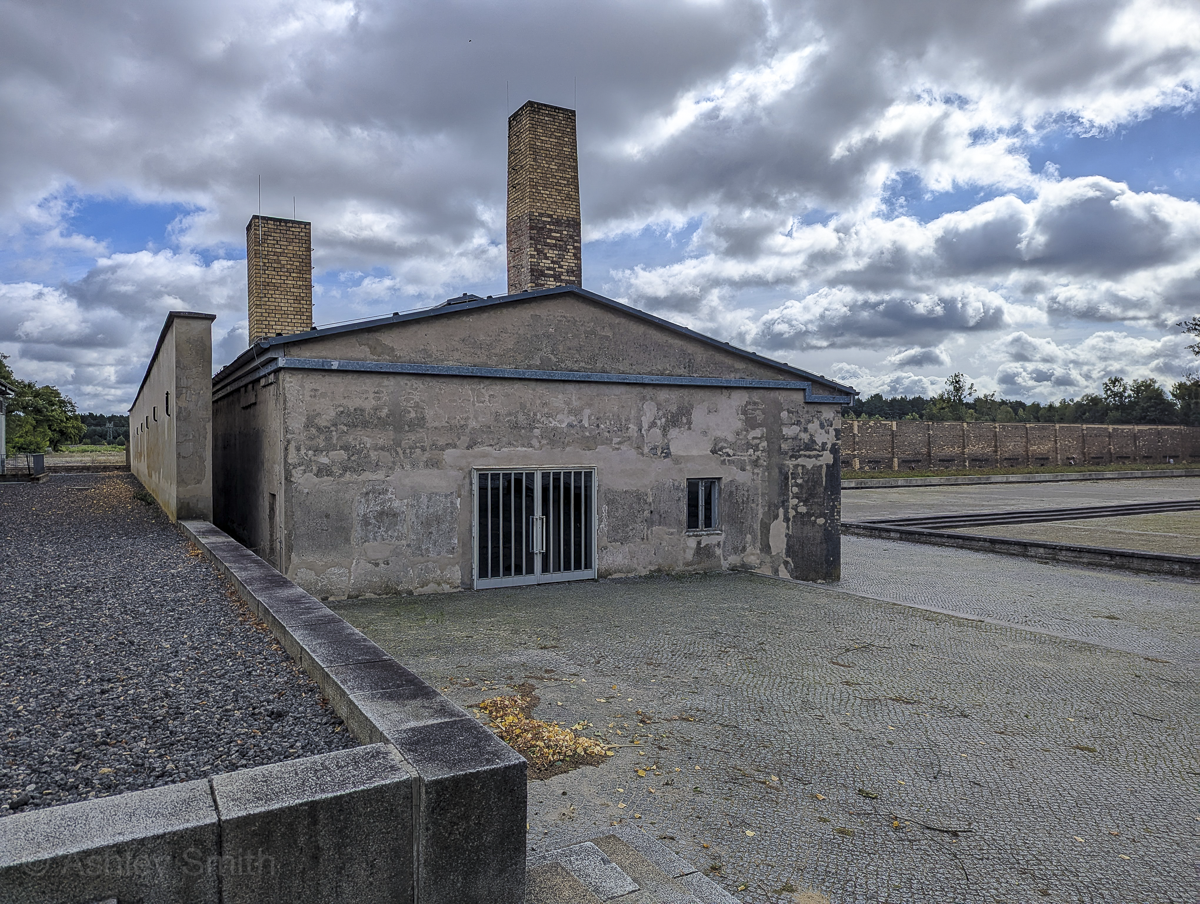
Though not an “extermination” camp like Auschwitz or Treblinka, Ravensbrück still owns the deaths of around 30,000 prisoners. About a third of these prisoners were murdered.
- Around 500 women executed starting in 1941, usually by shooting
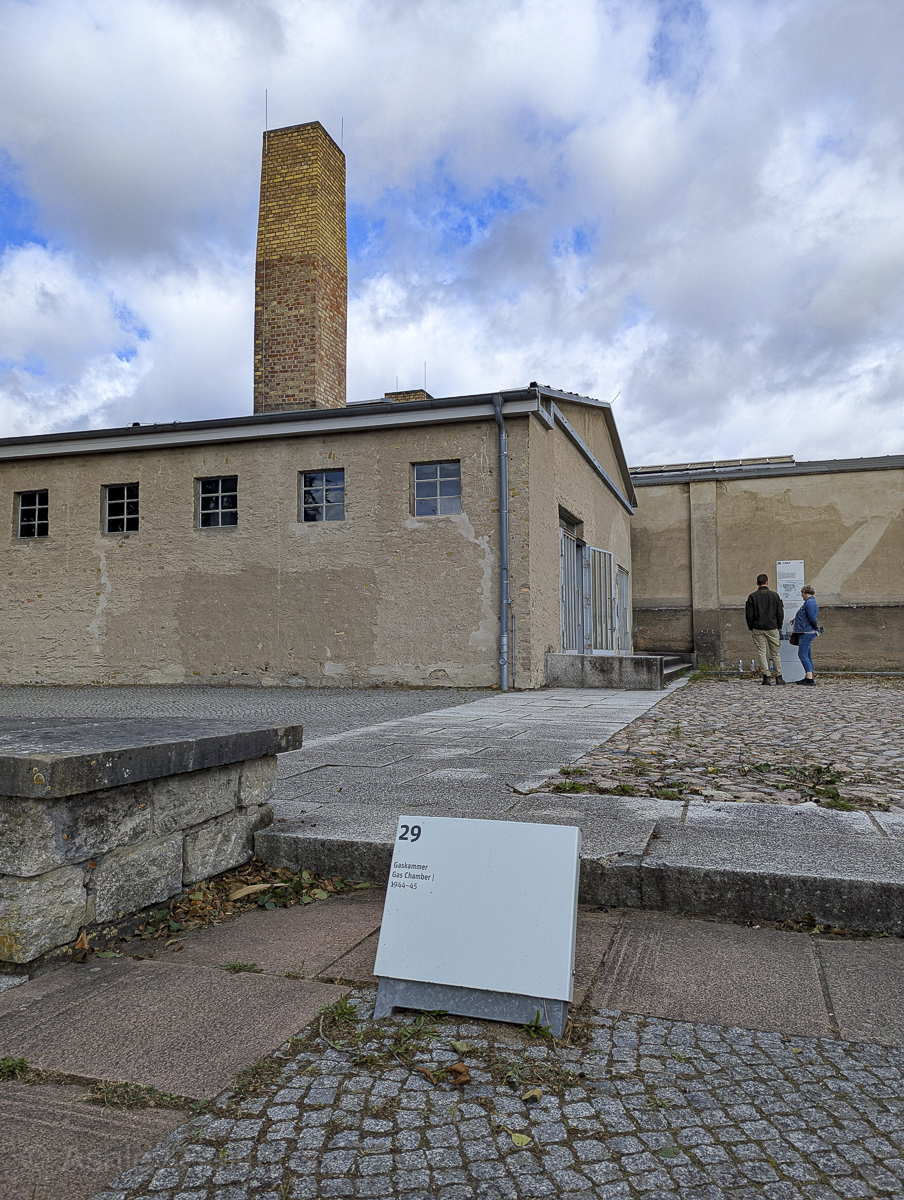
- Between 5,000 and 6,000 gassed in the Ravensbrück gas chamber in 1945
- 1,900 gassed at Hartheim Castle as part of the “14 f 13” program because they were disable or otherwise considered unfit for forced labor
- This included 800 of the camp’s 1,400 Jews in 1942. The rest were sent to Auschwitz for extermination so the camp could be considered “Jew-free”.
The living and working conditions at Ravensbrück were expectedly abhorrent. As a result, tens of thousands more prisoners died from starvation, disease, or depraved medial experimentation. Many more died on the death march following the camp’s evacuation in 1945.
Resistance at Ravensbrück
One thing that stands out among those imprisoned at Ravensbrück was their level of active resistance. (This shouldn’t surprise anyone though, given that it was often their stubbornness and resistance that got them arrested in the first place.) Getting thrown into a concentration camp didn’t necessarily equal compliance; in fact, many of them only steadied their resolve.
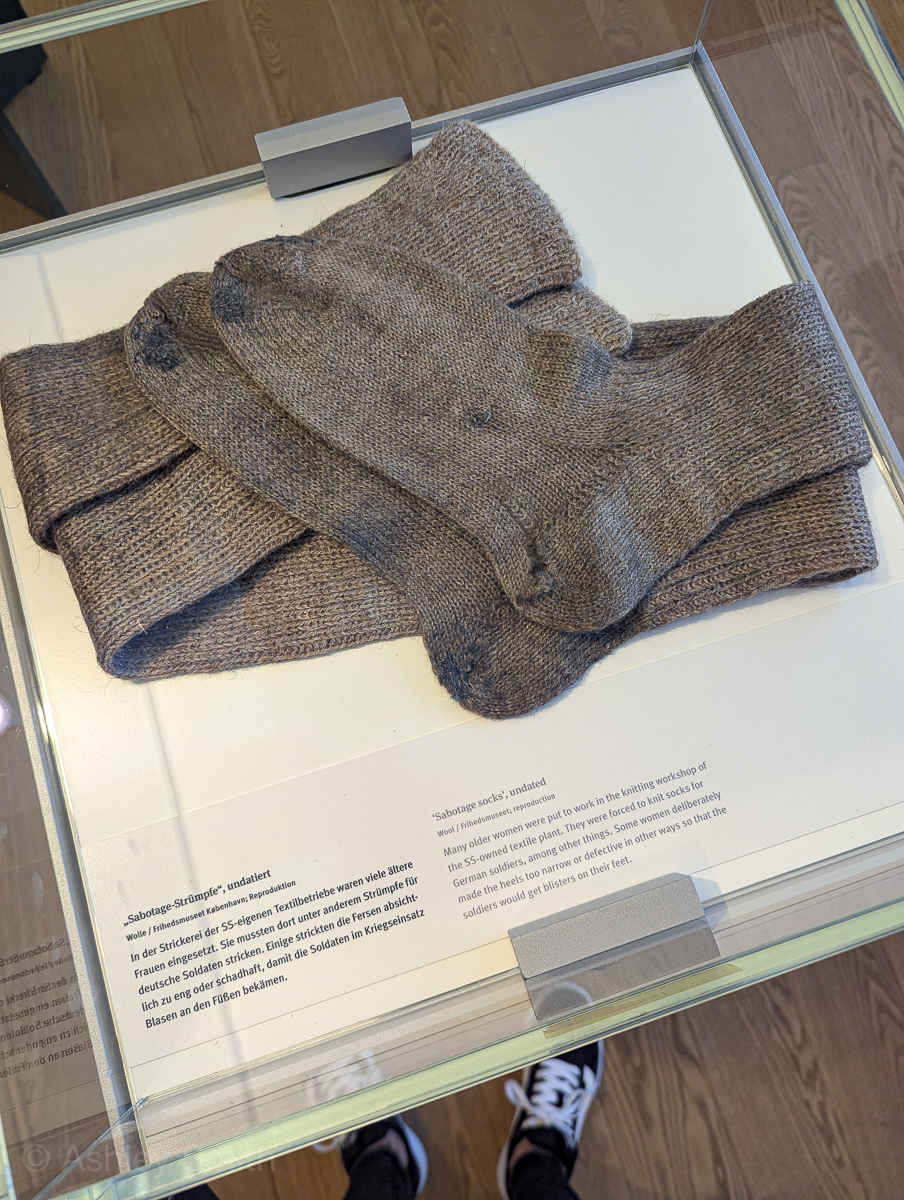
This involved all kinds of activities from smuggling proof of Nazi crimes out of the camp, outright refusal to follow orders (even at the risk of punishment or death), or otherwise just acting as sand in the gears. One of my personal favorite items on display here is the pair of “Sabotage socks”.
“Many older women were put to work in the kitting workshop of the SS-owned textile plant. They were forced to knit socks for German soldiers, among other things. Some women deliberately made the heels to narrow or defective in other ways so that the soldiers would get blisters on their feet.”
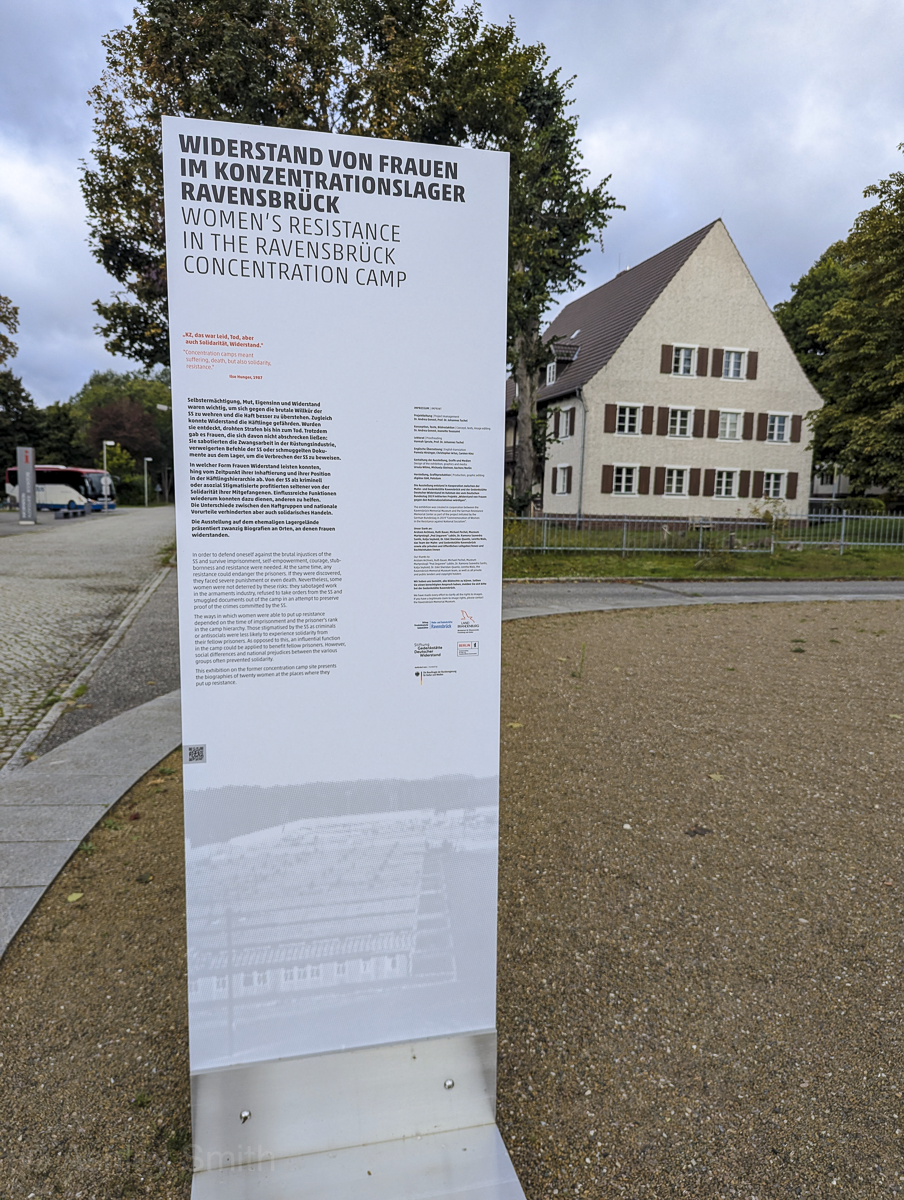
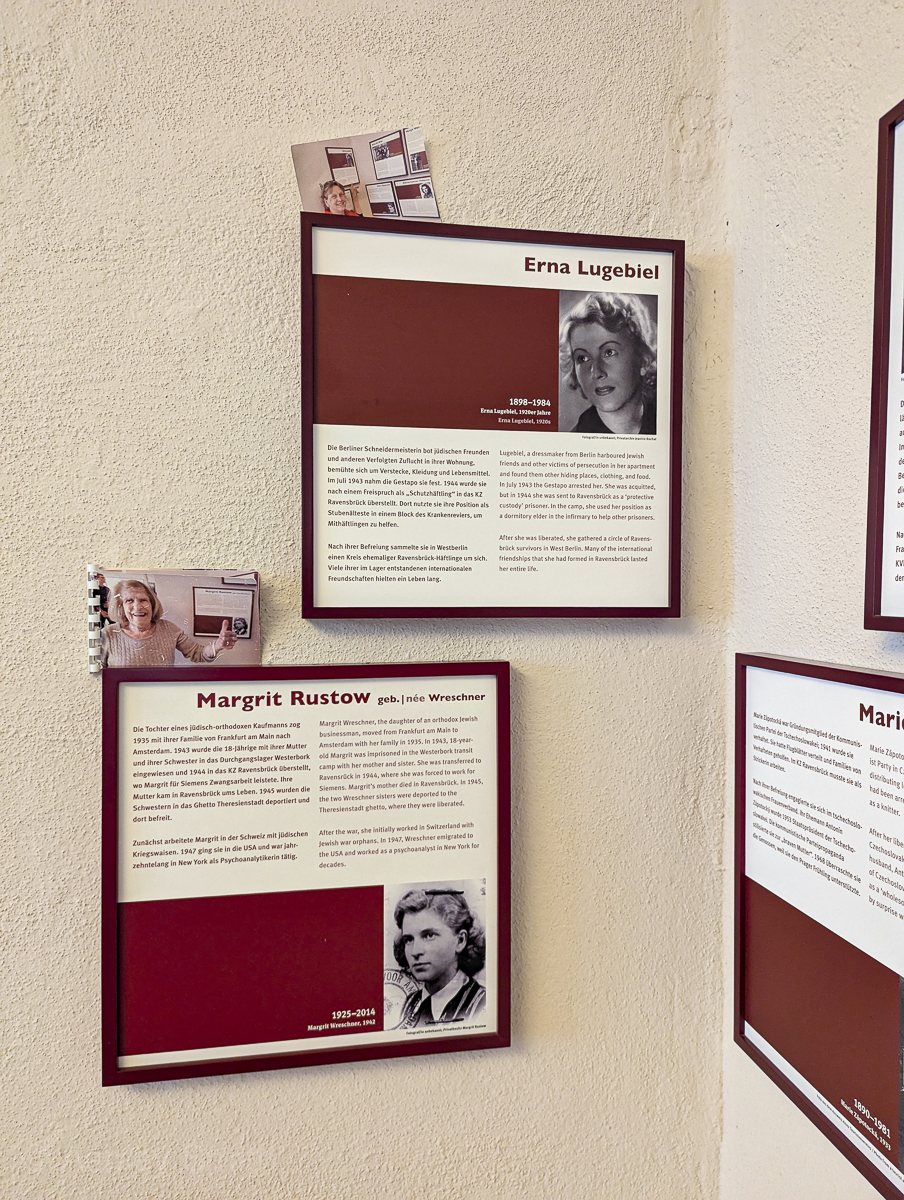
Inside the Ravensbrück museum is a fantastic display containing the stories and photos of 20 different women and their many acts of resistance.
Friendships at Ravensbrück
The other thing that stands out among Ravensbrück prisoners are the intense and everlasting friendships forged here. Knowing they would only survive if they stuck together, these women cared for each other, banded together in ‘camp families’, shared food and clothing, helped each other with work tasks so no one ever fell behind, and celebrated holidays together. These bonds crossed all religious, social, and national boundaries.
Many Ravensbrück survivors count these friendships as the reason they survived. As such, many of these women remained close friends throughout their entire lives. These unique friendships are a distinguishing characteristic of this camp and one of the reasons I find it to be one of the most inspiring.
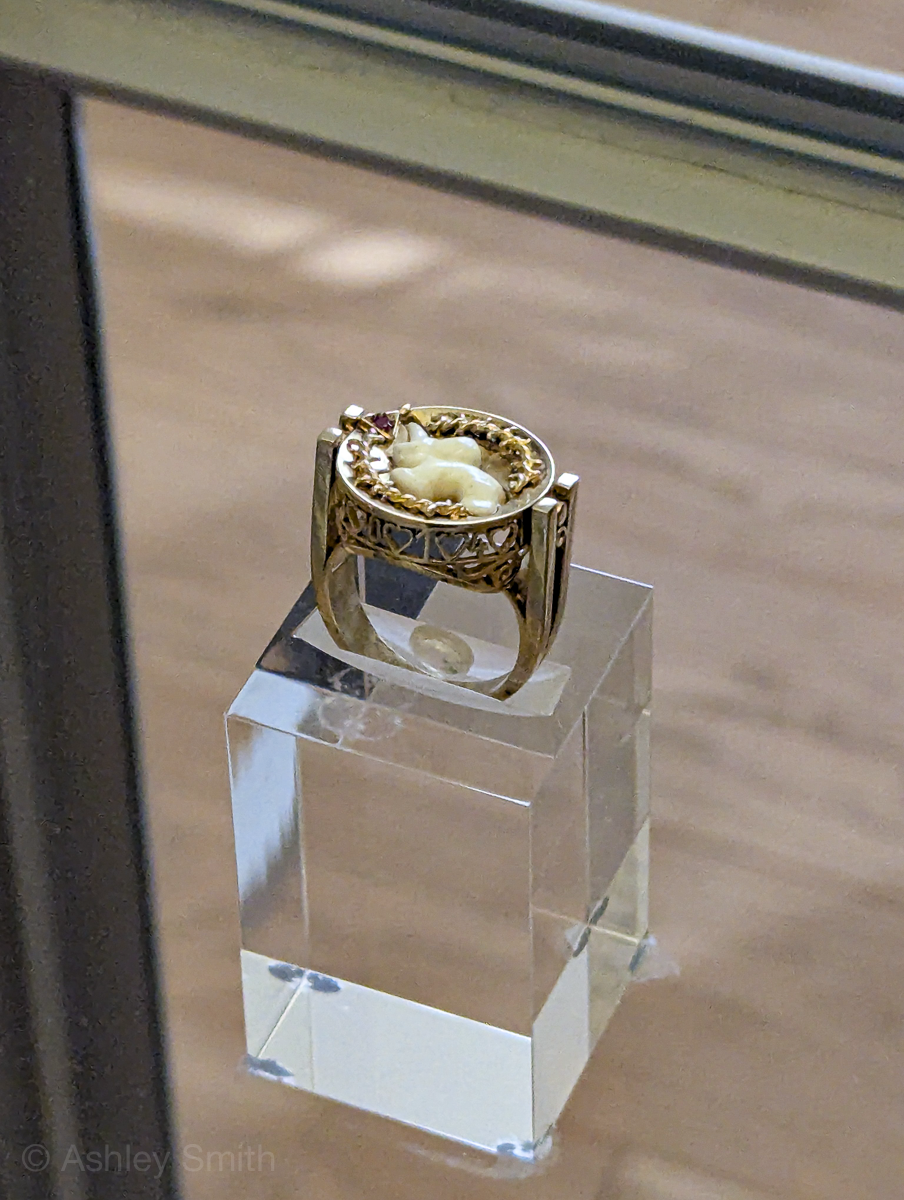
One item I want to point out that I found especially remarkable is Rosa Jochmann’s ring. The plaque that accompanies reads:
“This ring symbolizes the close bond between Cilly Helten and Rosa Jochmann, who had the ring made after the war. It bears the prisoner numbers of the two friends from Ravensbrück and the red triangle of political prisoners. The elephant was carved from a toothbrush handle and was a gift from a fellow Polish prisoner in the camp.”
Ravensbrück today
The Soviet Union’s Red Army liberated Ravensbrück on April 30, 1945. There were still 2,000 prisoners left at the camp too ill to make the death march north. The Red Army took over the camp and used the site in some capacity or other until 1994.
Camp survivors began preserving the site as a place of remembrance as early as 1948. An annual remembrance ceremony was started and those buried in makeshift graves were reinterred. It wasn’t until 1959 though that a formal Ravensbrück National Memorial opened which included a museum. For the next several decades, the state-run memorial site evolved through the lens of Soviet East Germany. (I.e., focusing on Communist resistance and liberation over the fate of the individual prisoners.) That all changed after the fall of the USSR.
Today, the memorial camp is still very much off the beaten path and considerably well preserved. You can explore the museum, several original structures and living quarters, the memorial spaces, and more. The original museum exhibit has since been replaced by two new permanent exhibitions.
Where is Ravensbrück Concentration Camp?
The Ravensbrück concentration camp memorial site is located in the town of Fürstenberg/Havel about 60 miles north of Berlin.
How to get to Ravensbrück
Visiting Ravensbrück from Berlin is easy by both train and car. Car is going to be the easiest method, but I imagine most people take the train from Berlin. I personally took the train, but I’ll explain both methods.
Visiting Ravensbrück by car
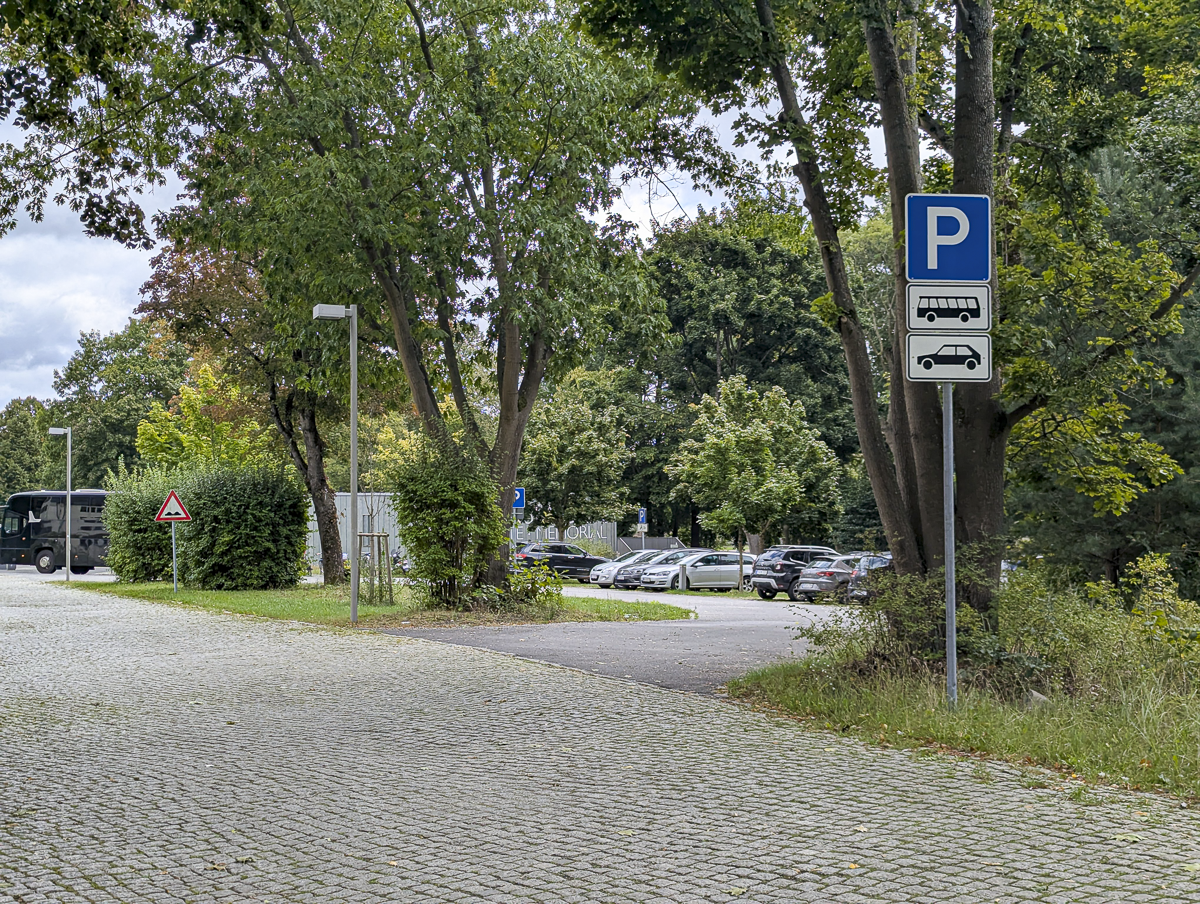
Ravensbrück concentration camp is pretty much a straight shot north of Berlin. The drive will take about an hour and a half. Once you arrive, there’s a free parking lot right outside the main entrance.
If you haven’t done so yet, you can book a rental car here.
Visiting Ravensbrück by train
Taking the train to Ravensbrück from Berlin will take about the same amount of time (or even a little bit less) but requires a lot more walking.
From Berlin, take the RE 5 train in the direction of “Stralsund/Rostock”. Get off at the “Fürstenberg (Havel)” stop. This part takes about 1 hour and trains leave Berlin every hour.
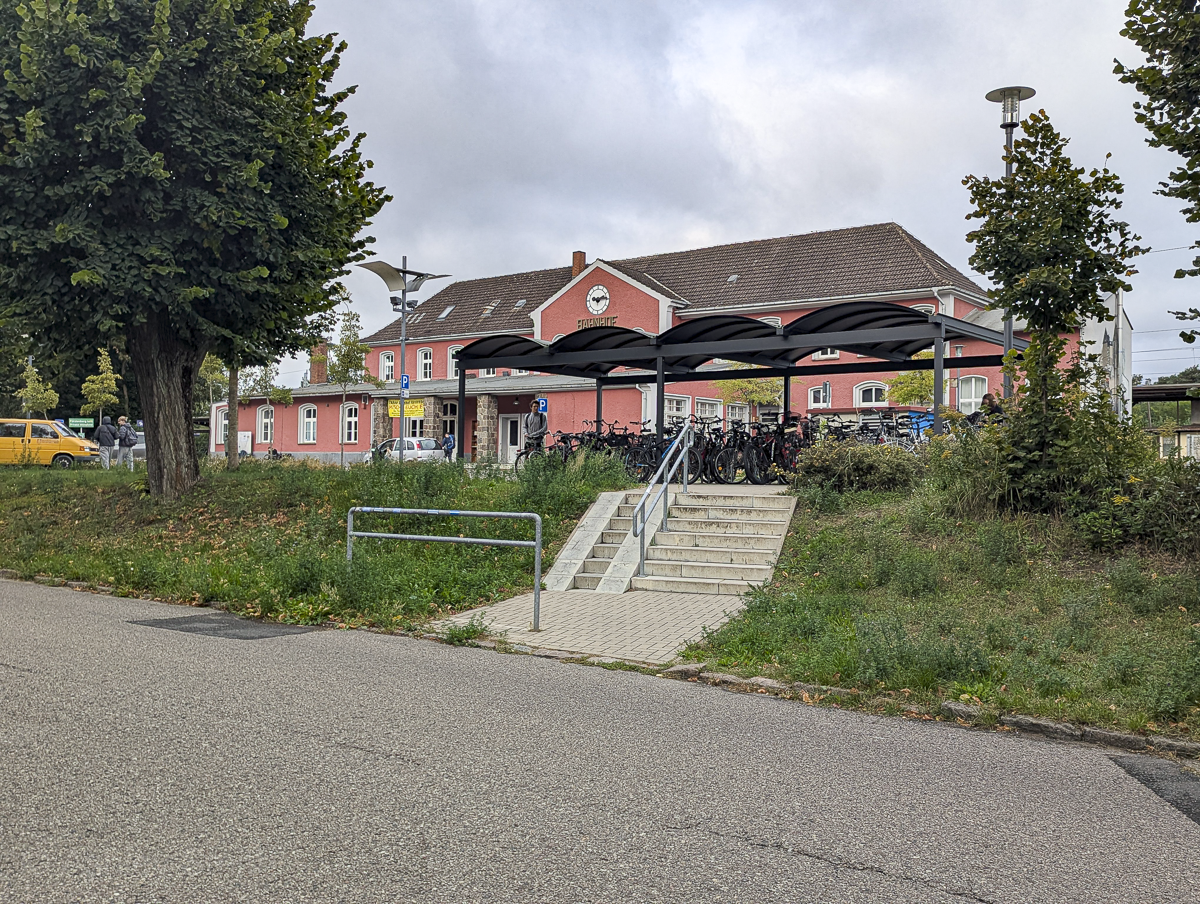
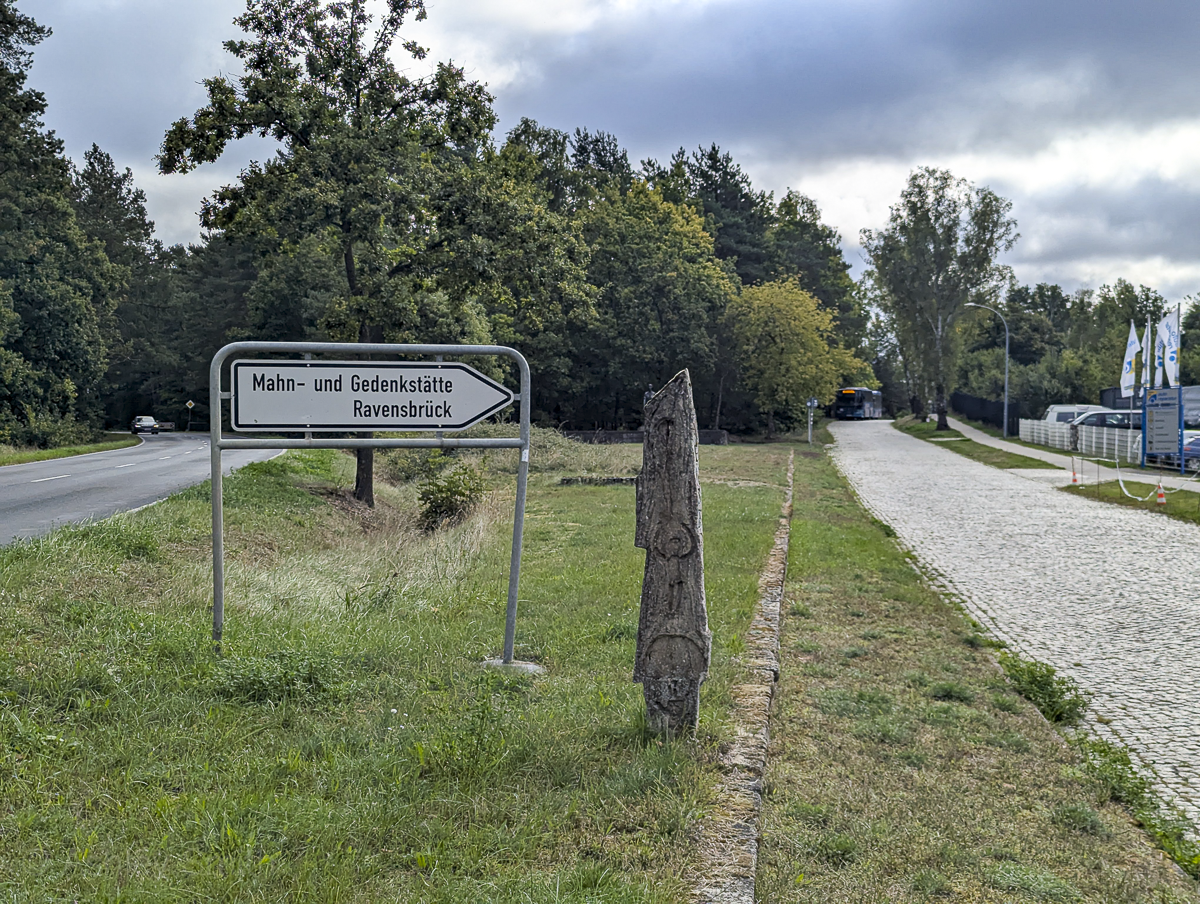
From the Fürstenberg (Havel) train station, the walk is about 30 minutes to the camp/memorial site. The walk is easy and super straightforward (but quiet and lonely as hell). I personally just used Google Maps while I was here, but it would be easy enough to figure out without it.
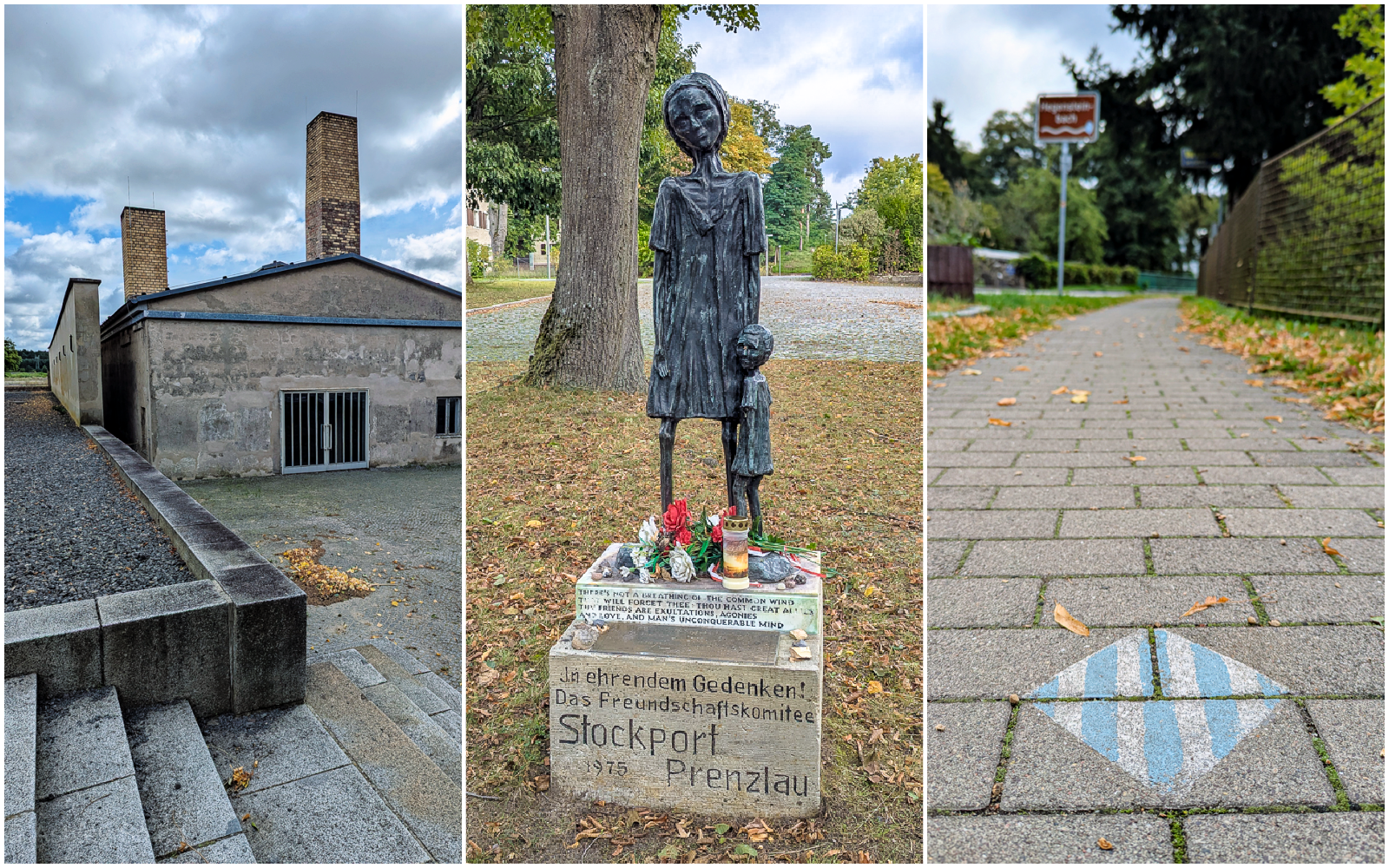
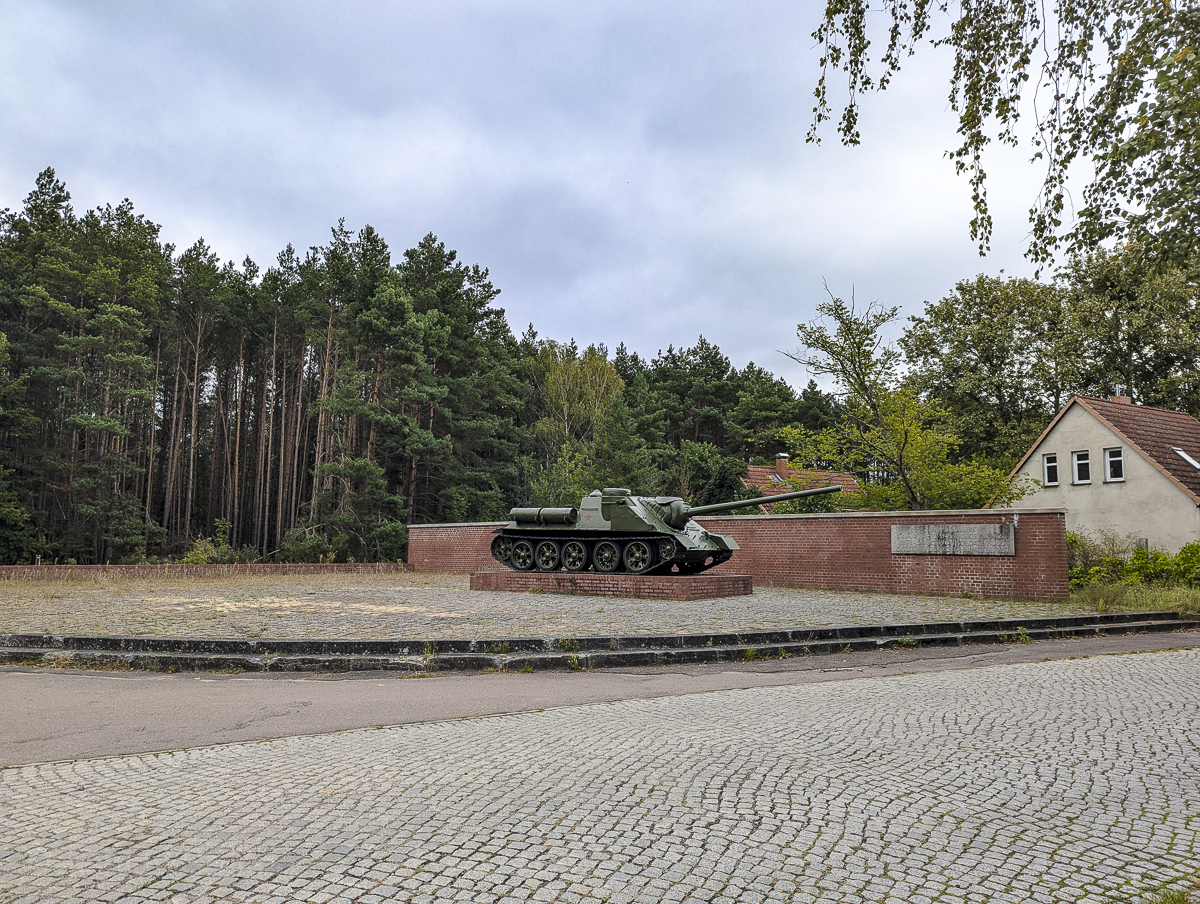
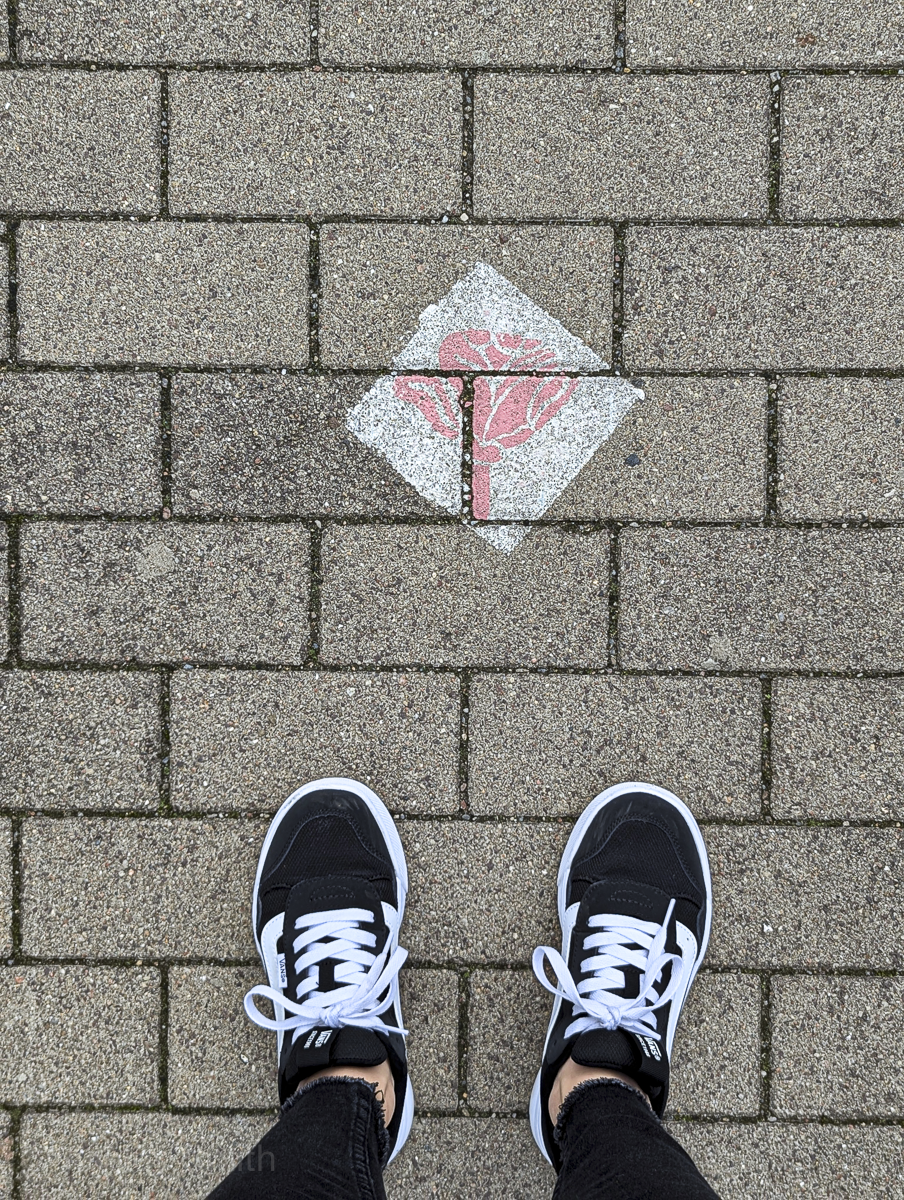
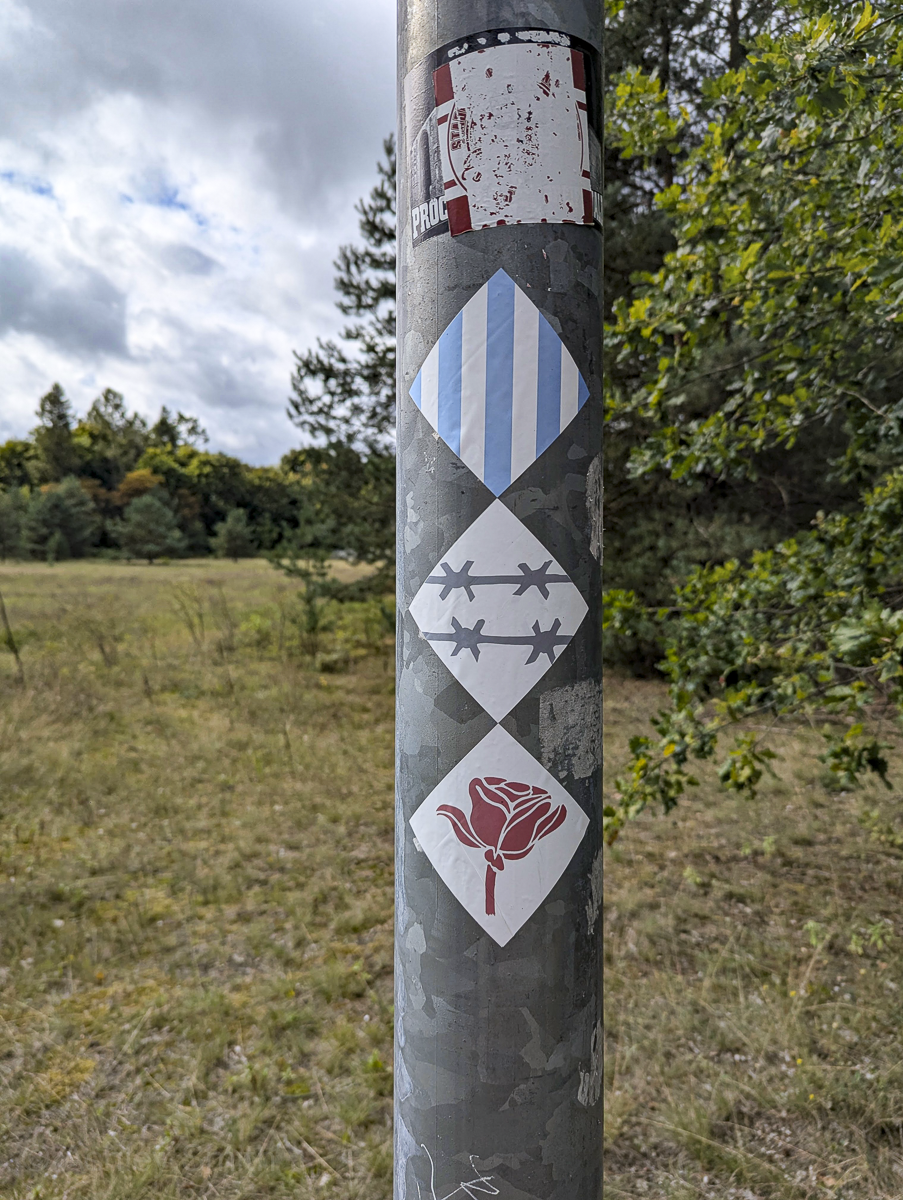
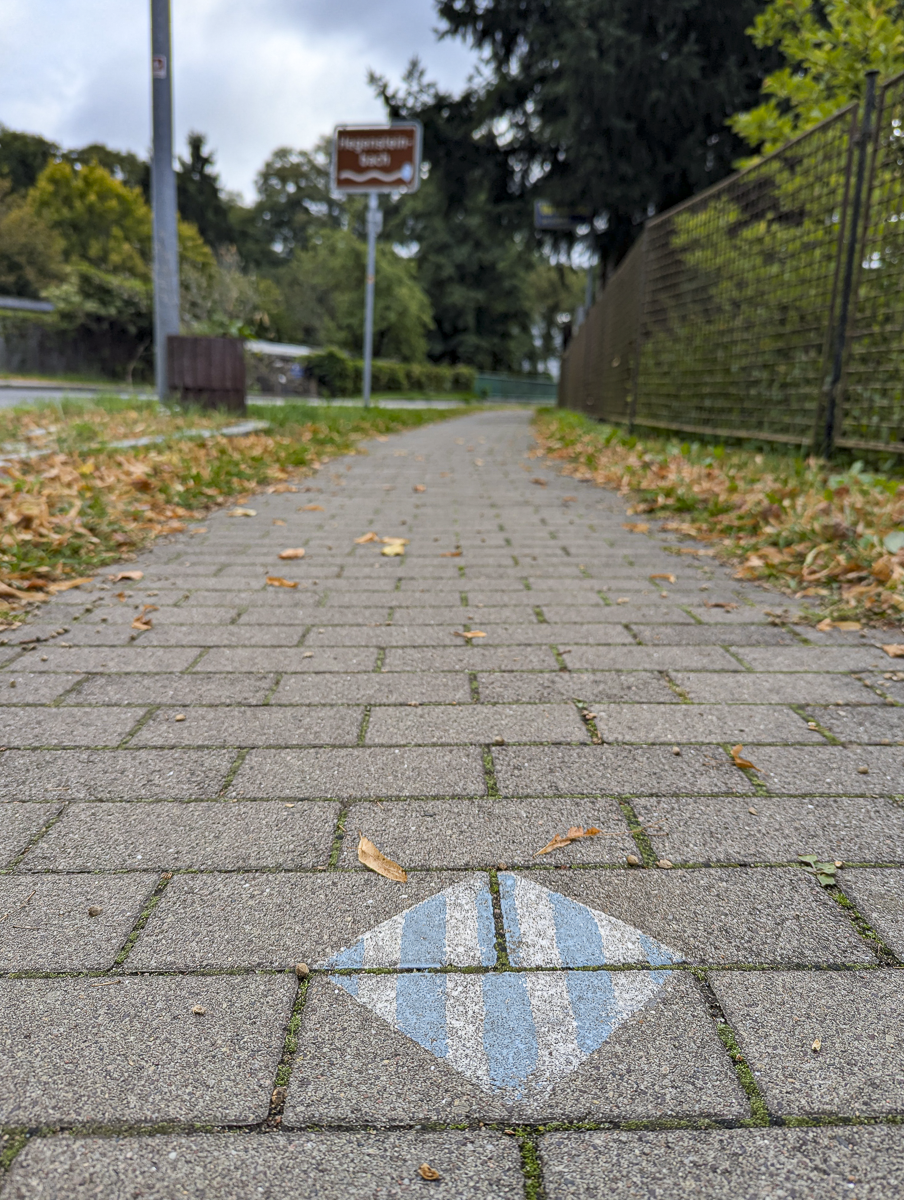
There are markers on the ground leading the way from the station to the camp. Look for the three dots that show: a pink rose, black barbed wire, and blue stripes. There are also a few proper directional signs too. Along the way, you’ll pass a Soviet tank that serves as a memorial to the camp’s liberation.
To return to Berlin, backtrack your way to the train station, then take the RE 5 train again in the direction of “Berlin Südkreuz”.
If walking is an issue for you, you may be able to catch a taxi from the train station, but rumor has it this town only has one taxi so I wouldn’t put all your eggs in this basket. Someone inside the station may be able to help you call a taxi or you can look into pre-booking one.
Ravensbrück tours
If you’d like an excellent guided tour of Ravensbrück from Berlin, my friend Matti offers just the tour. Matti is an amazing World War II historian tour guide and the option to include private transportation to the former camp will save you a lot of time and walking. Highly recommend!
Check out his Ravensbrück tour here: Private Ravensbrück Memorial Day Trip from Berlin. Tell him I sent you when you book and he’ll give you a little discount off your tour. 🙂
What to see at Ravensbrück Concentration Camp
Visiting Ravensbrück is a rewarding experience in that there’s a lot to see and experience here. You’ll find excellent museums, original camp structures, beautiful memorials, the crematorium, and more.
Ravensbrück museums
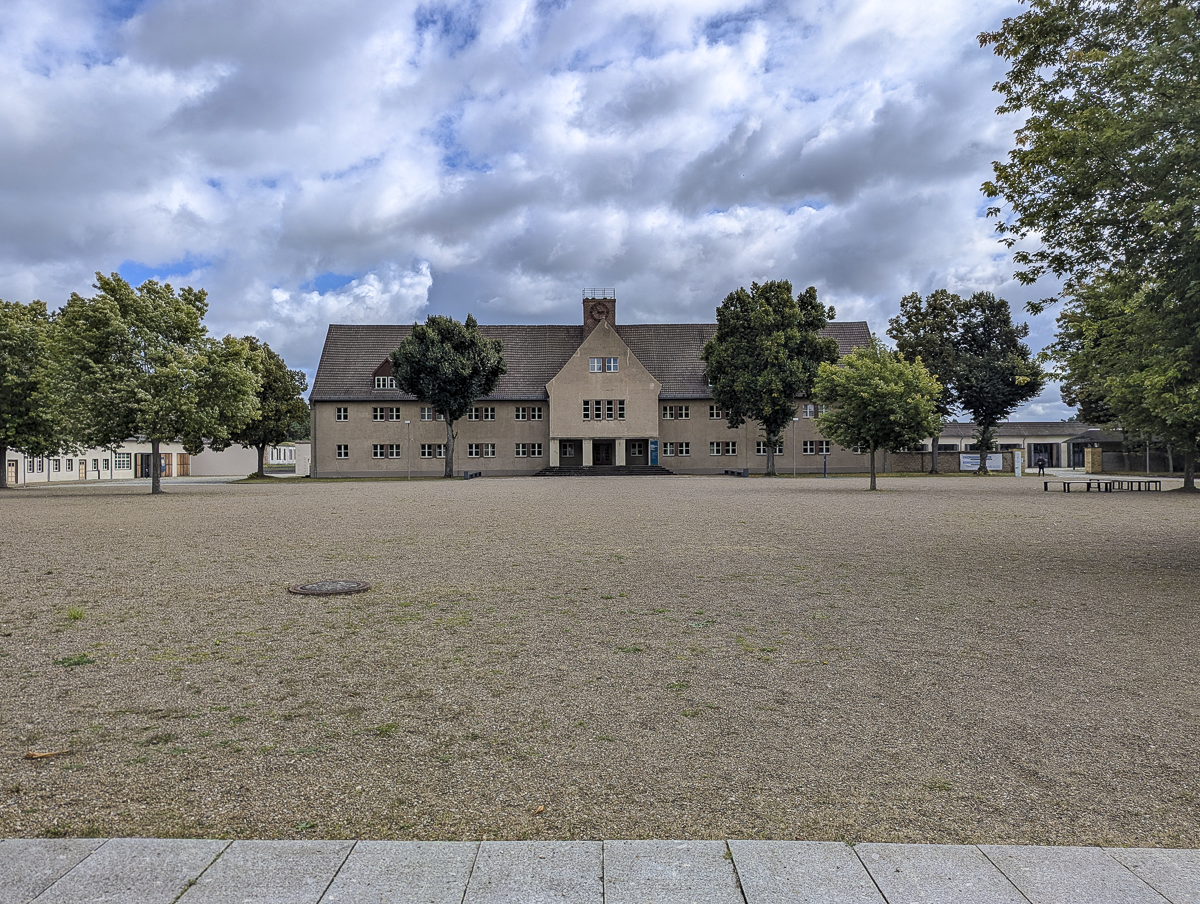
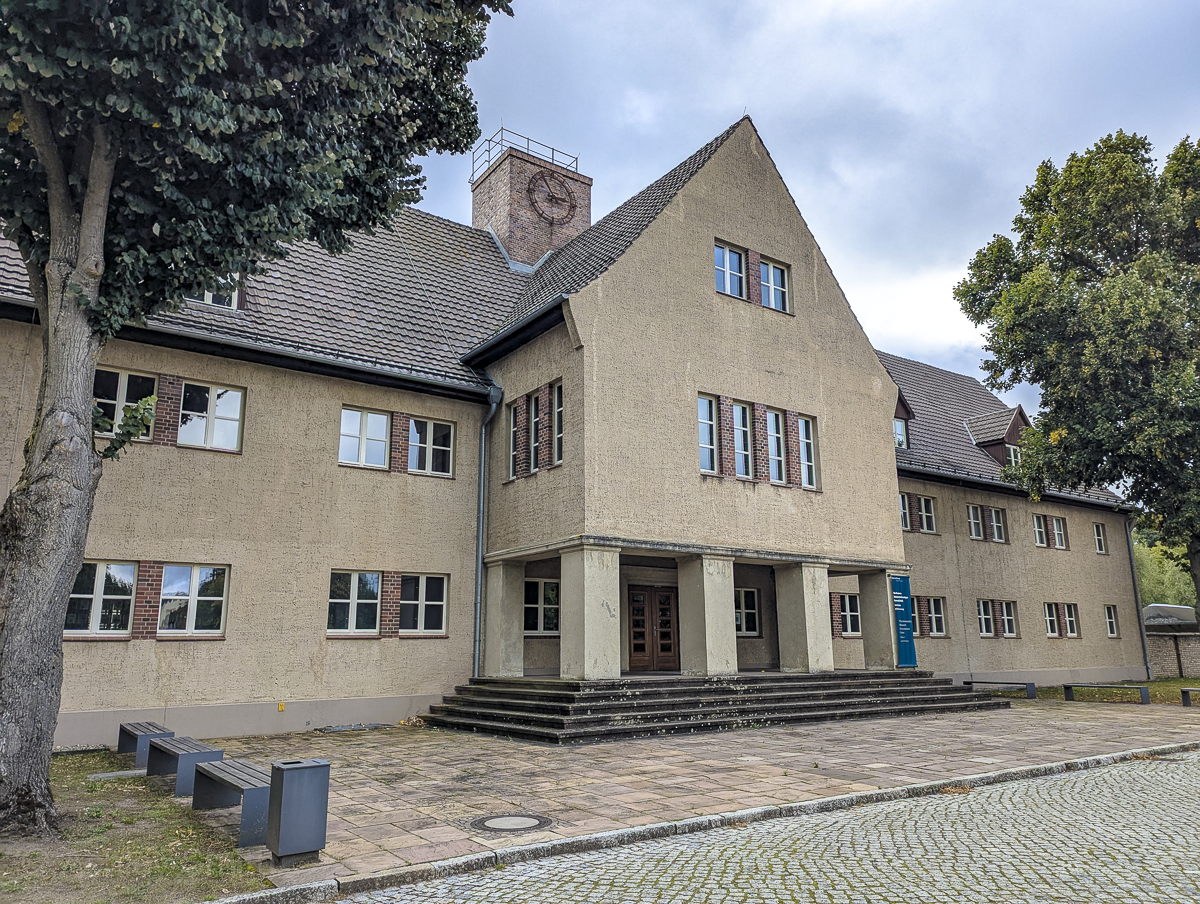
You’ll be able to explore several museum-style exhibitions during your visit here. The main permanent exhibition titled “The Ravensbrück Women’s Concentration Camp – History and Remembrance” is housed inside the former SS headquarters and camp administration building. It covers all the most important topics surrounding the camp and includes a treasure trove of physical artifacts, firsthand accounts, personal stories, and so much more.
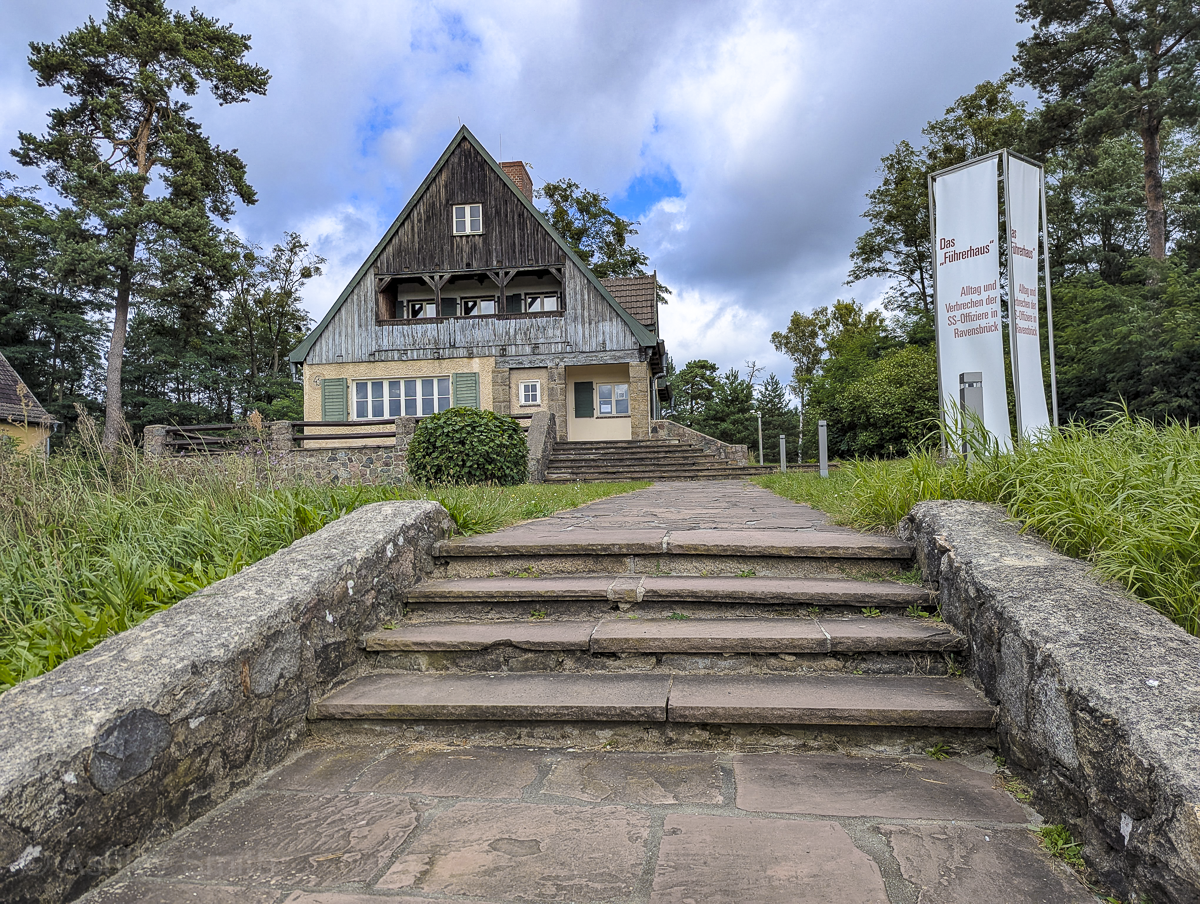
In the former residence building, you can see the exhibit “In the wake of the SS” which is all about the notorious female guards at Ravensbrück. And over the in “Führerhaus” is the exhibition on the daily life and crimes of the Ravensbrück SS officers.
The museum exhibits are displayed in both German and English.
Original camp structures
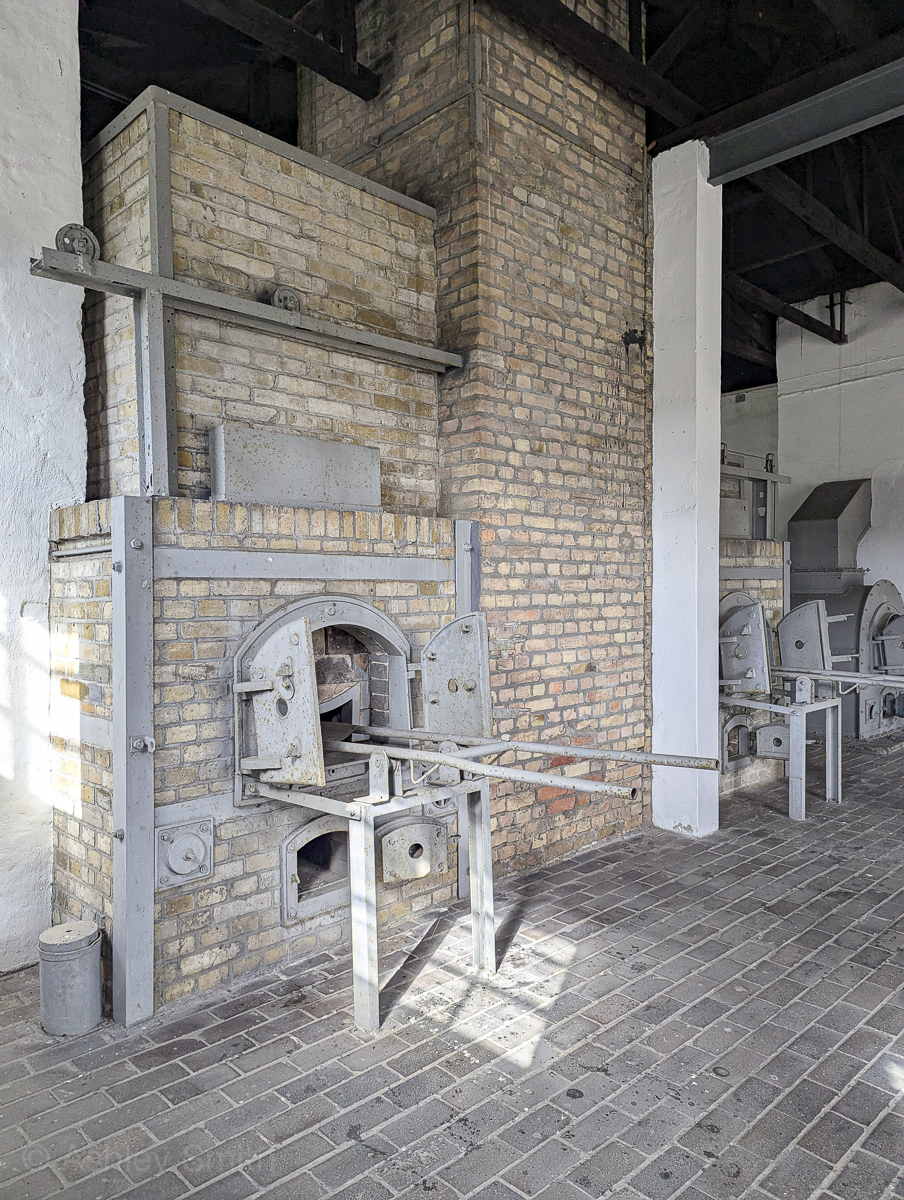
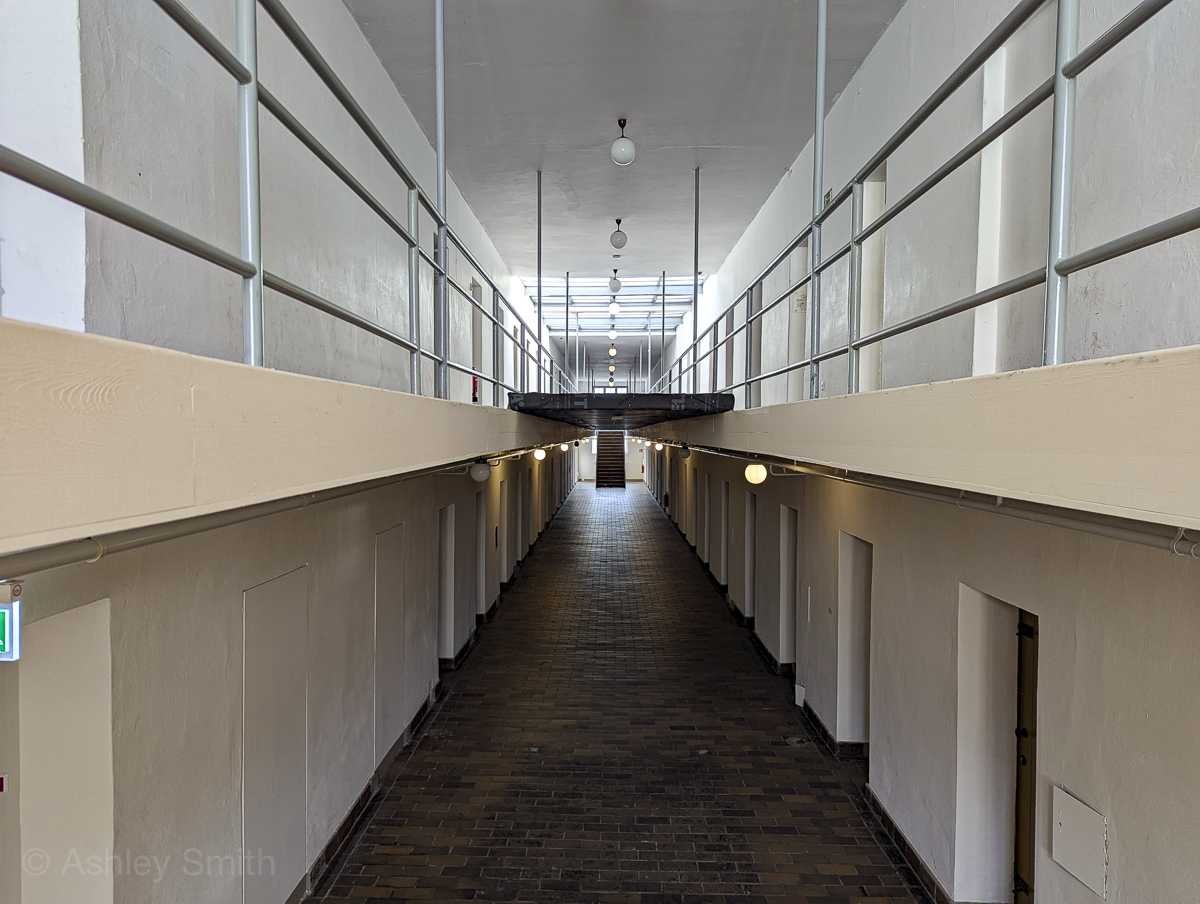
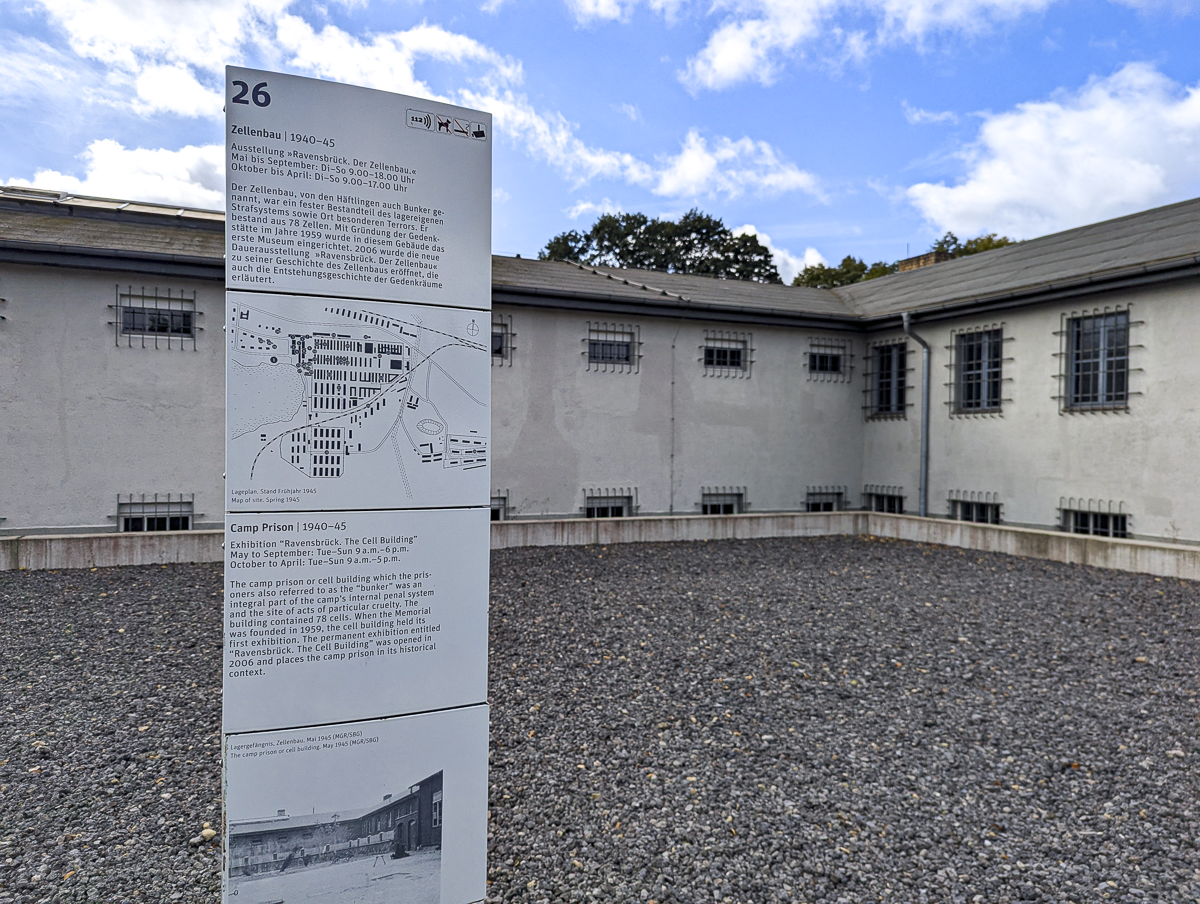
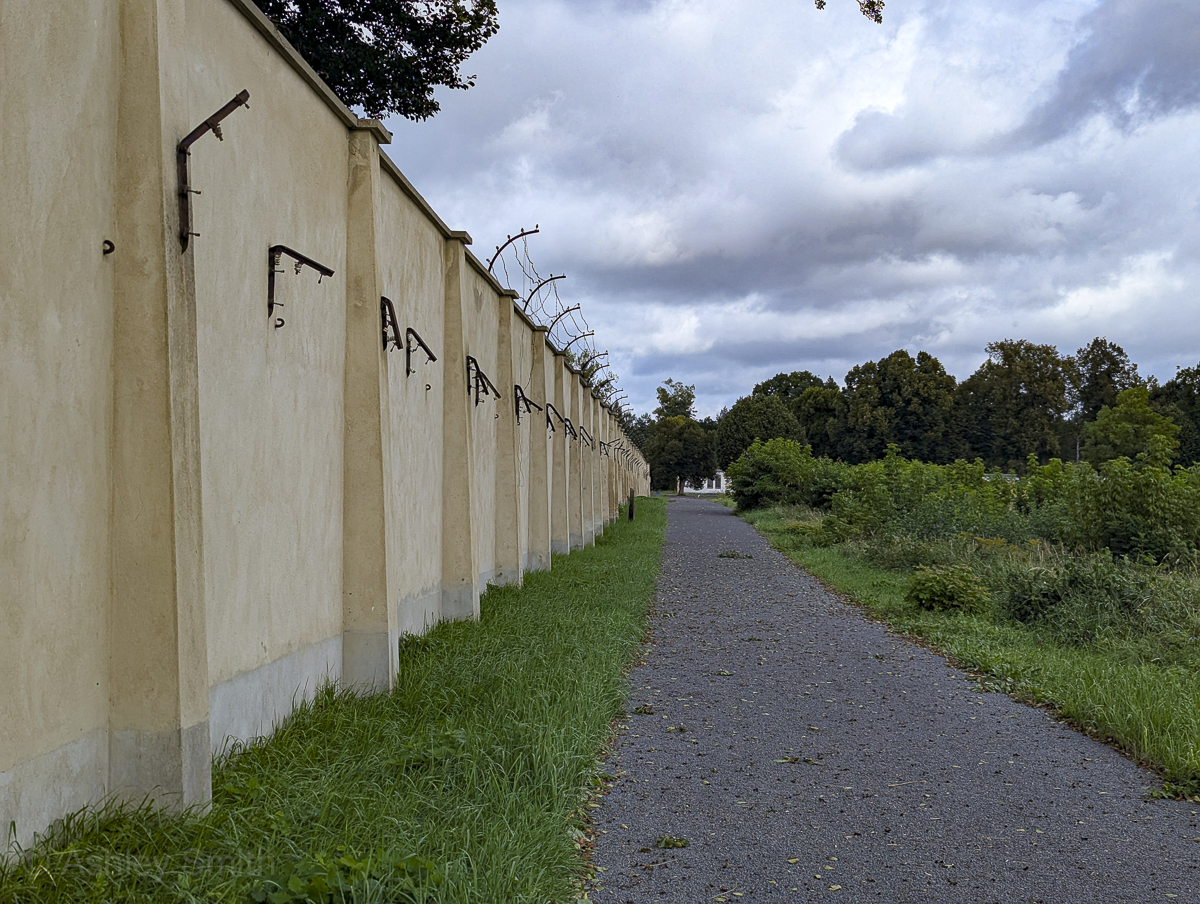
Throughout your visit, you’ll also be able to visit tons of the camp’s original structures like the prisoner barracks, roll call square, the original camp wall, the workshops and warehouses, the crematorium, the camp prison, the burial grounds, former guard residences, and more.
Nearly all of them are open to the public. Next to or in front of each of them is informational signage that tells what each building was used for and provides other facts.
Ravensbrück memorials
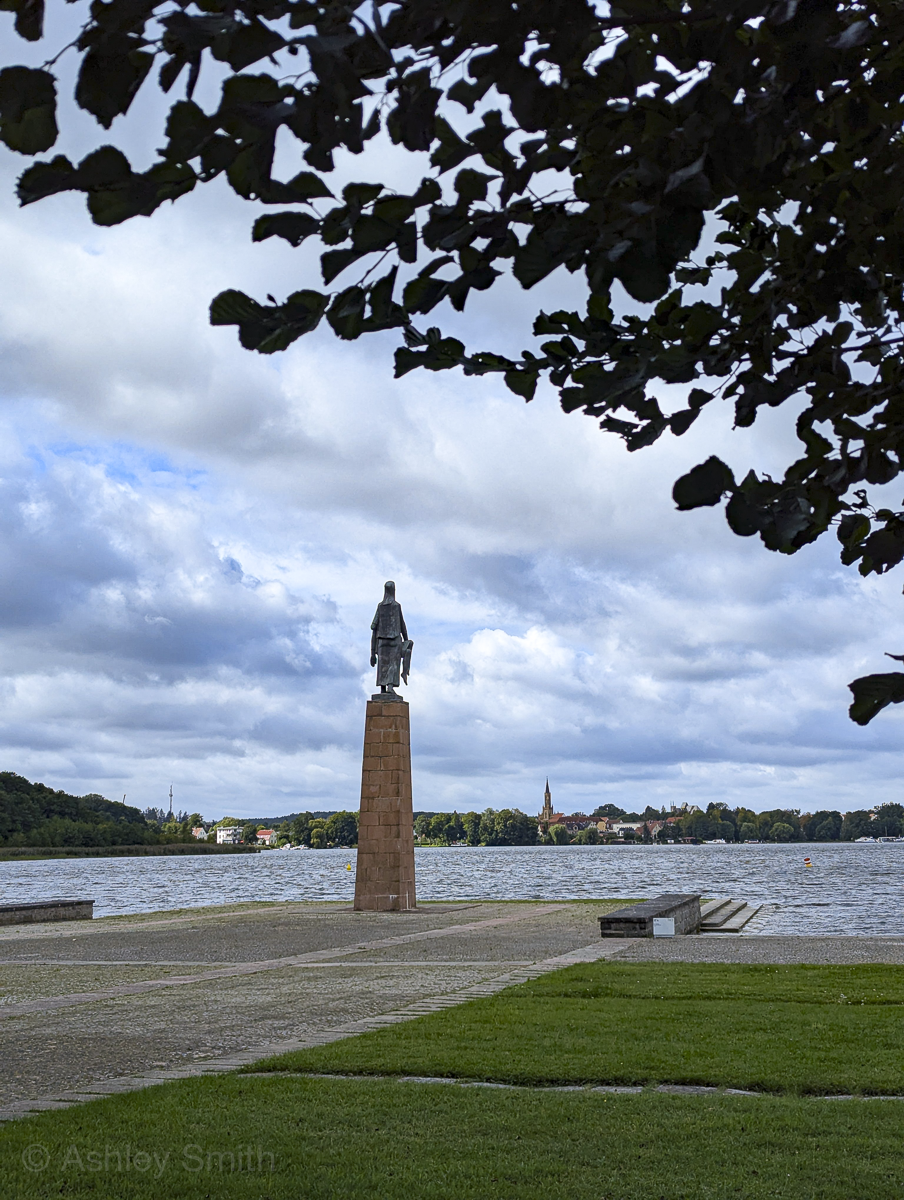
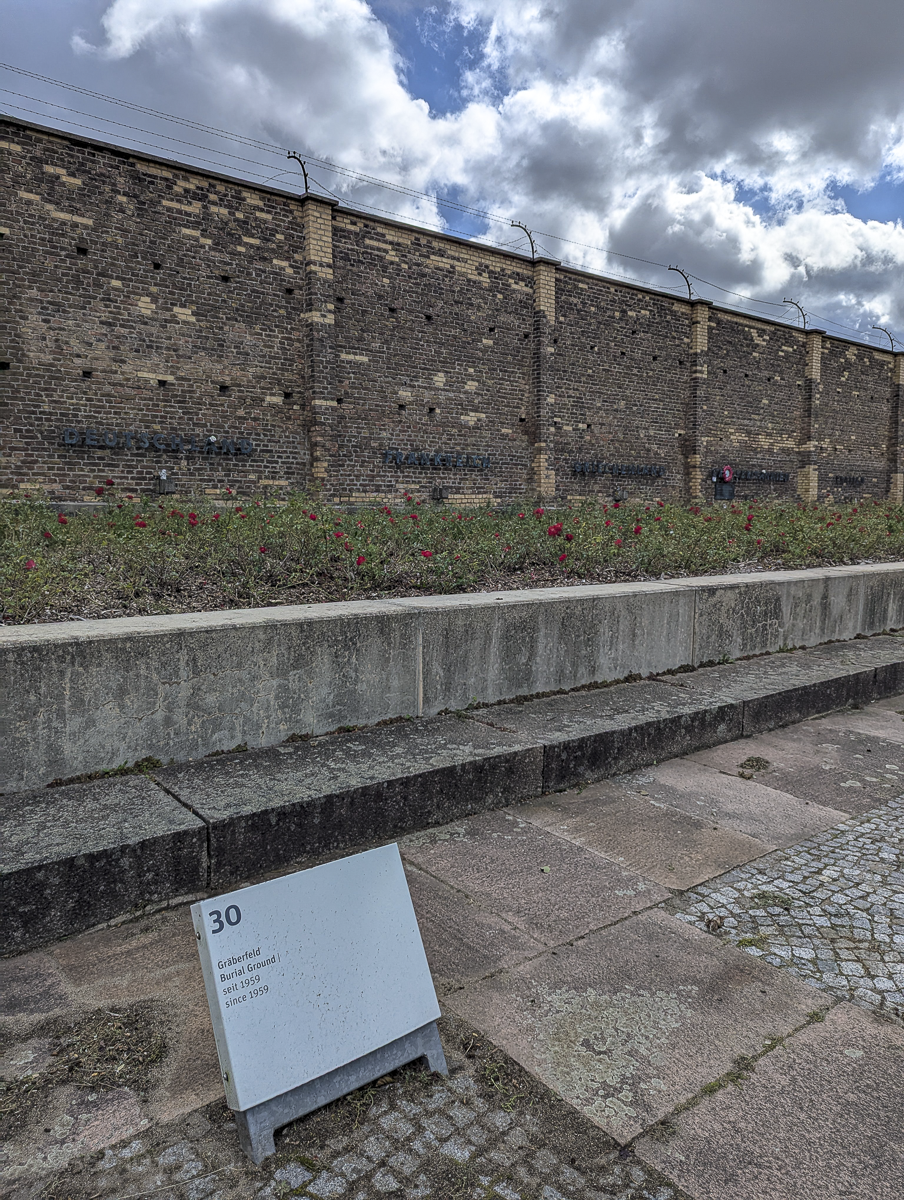
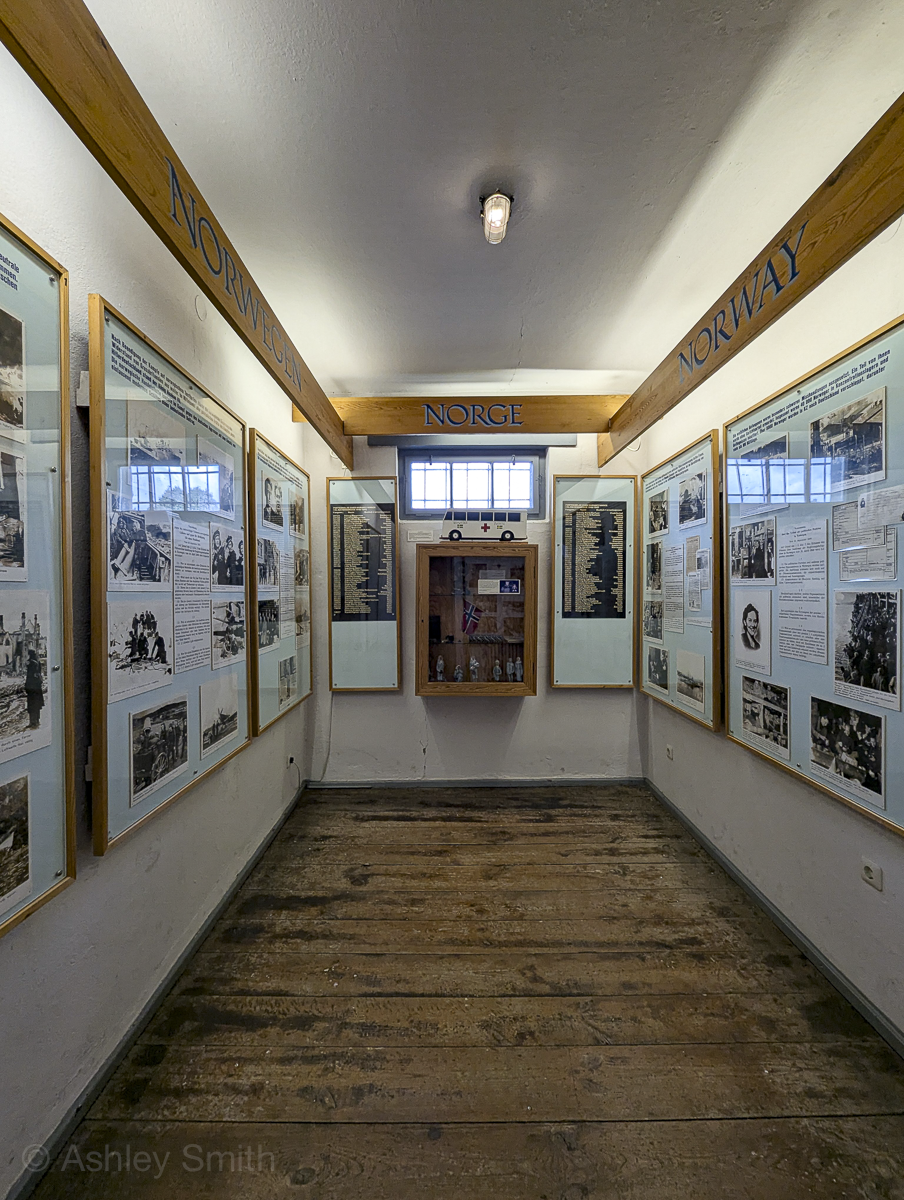
In addition to the smaller memorials scattered throughout the area, the largest memorial spaces at Ravensbrück you shouldn’t miss are:
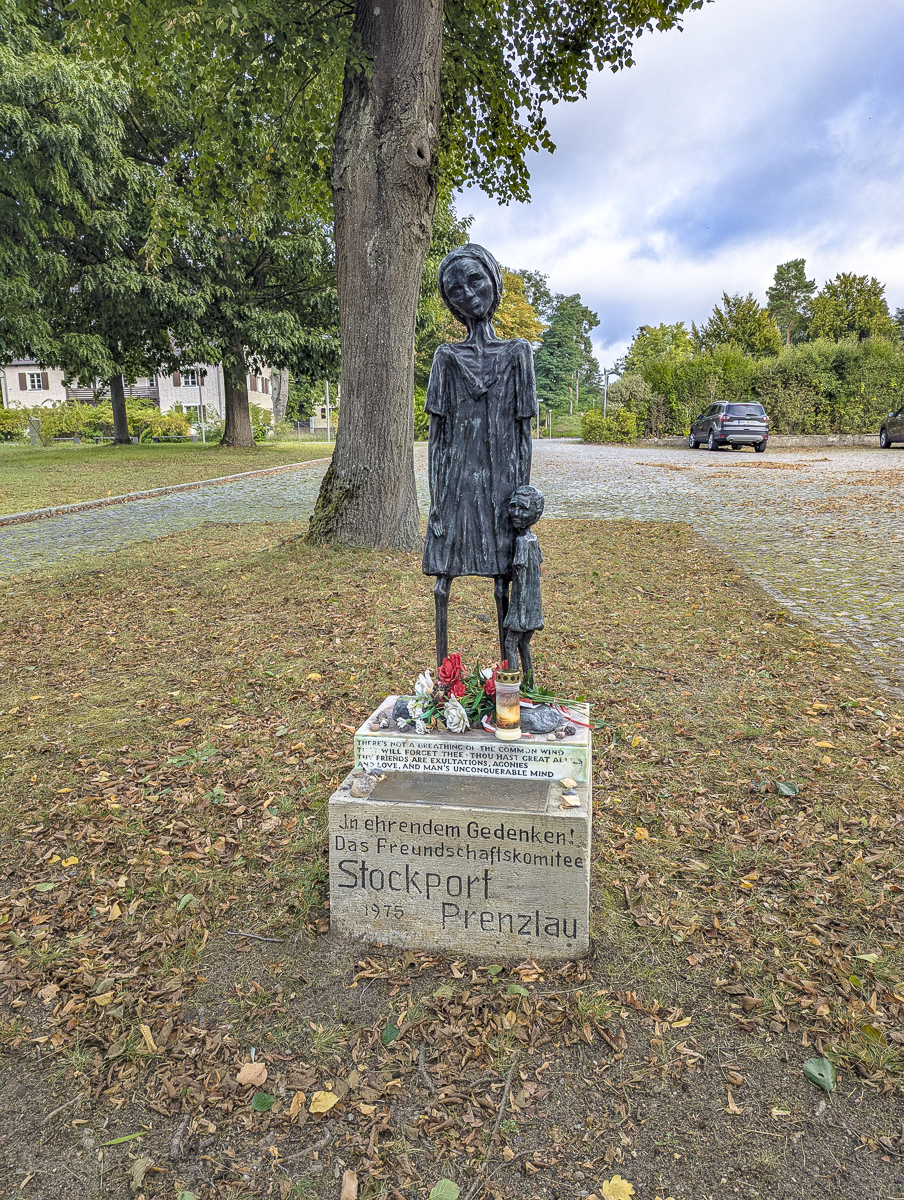
- The “Burdened Woman” sculpture next to the lake
- Burial ground and the “Wall of Nations” which includes several smaller memorials
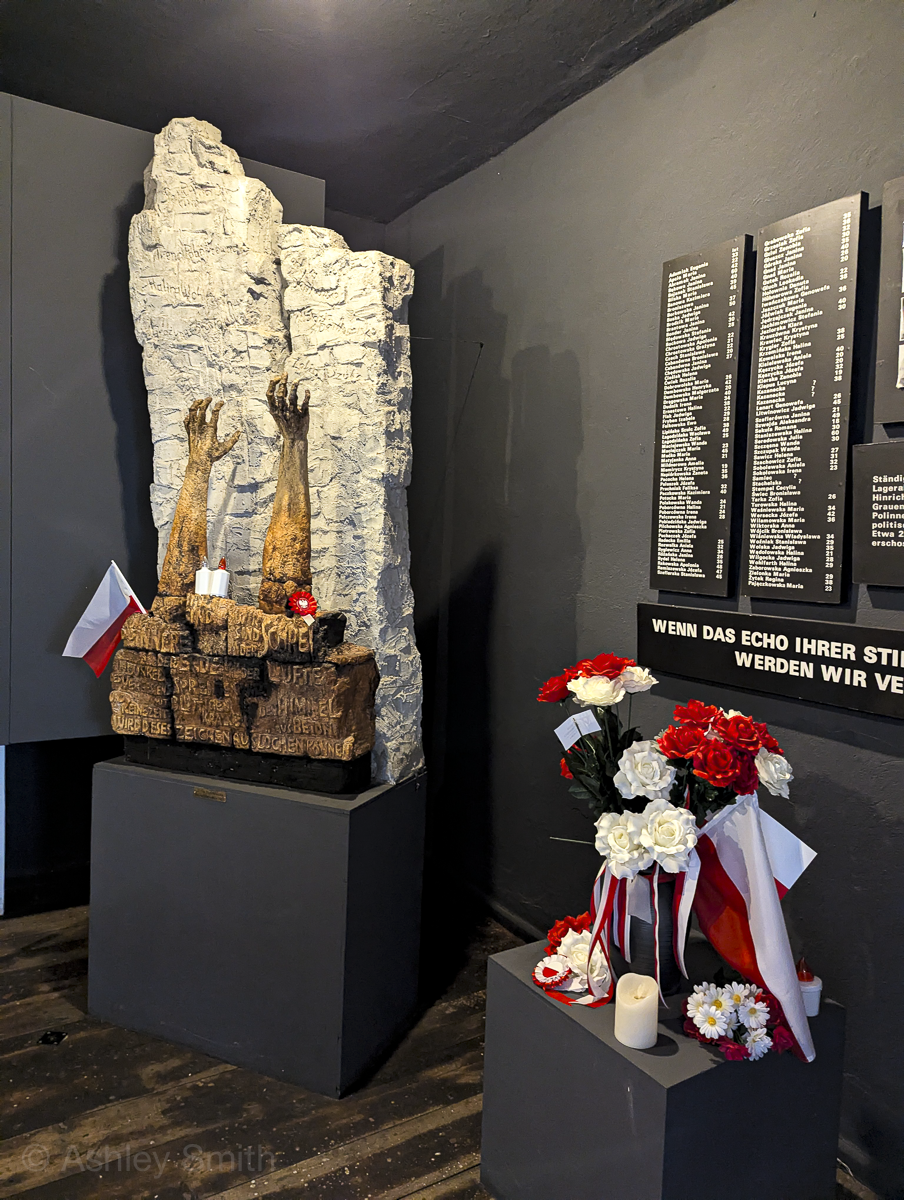
- The memorial rooms inside the camp prison – Each prison cell has been turned into a memorial by the countries from which the prisoners came
Visiting Ravensbrück: What to expect
There’s no official “entrance” to the camp or anywhere you need to check in. You’re free to come and go as you please. There are informative panels at each of the many visitor locations around the camp in both German and English.
Whether you arrive by car or train, the first building you’ll encounter will be the visitor center. This is the best place to start since you’ll be able to pick up a map of the entire camp. There are also restrooms and a small bookshop. If you prefer, you can also rent an audioguide.
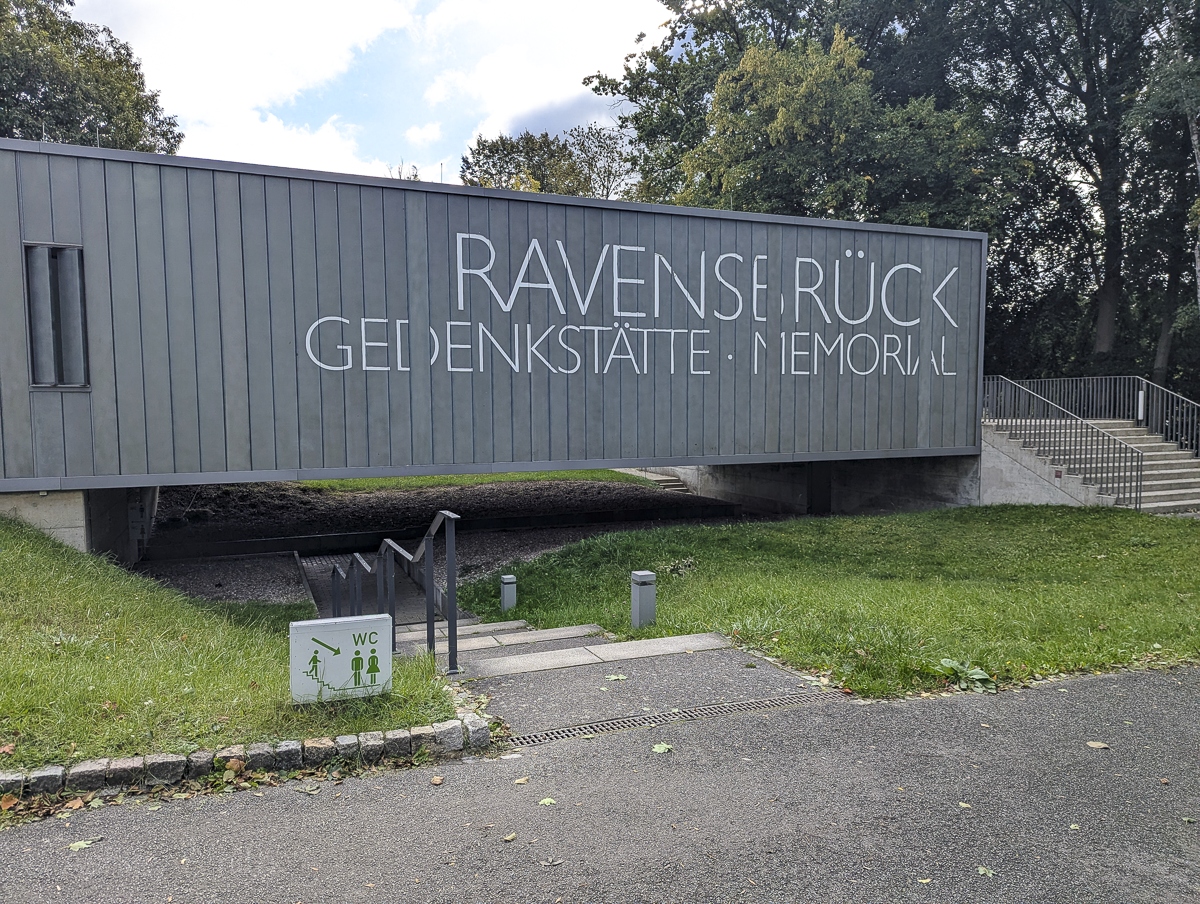
Now that you have a map, you can simply follow the numbered buildings to explore each or take whatever route you want. I recommend starting with the museum in the main exhibition building. (#2 on the map) The map will take you around to 20+ sites at the camp, most of which you can go inside. Don’t miss the camp prison (#14) where you can see the memorials inside the prison cells.
Before leaving the camp, don’t miss the special exhibits inside the former guard residences (#23, across from the visitor center) and the “Führerhaus” (#24, up on the hill).
My Ravensbrück experience
By the time I visited Ravensbrück, I’d already visited 14 other former concentration camps. Most people think if you’ve seen one, you’ve seen them all, but I’m constantly telling them that’s not the case. Every single one I’ve been to is unique in many ways and I am consistently surprised, shocked, and heartbroken. But my visit to Ravensbrück was the first time I ever felt terrified.
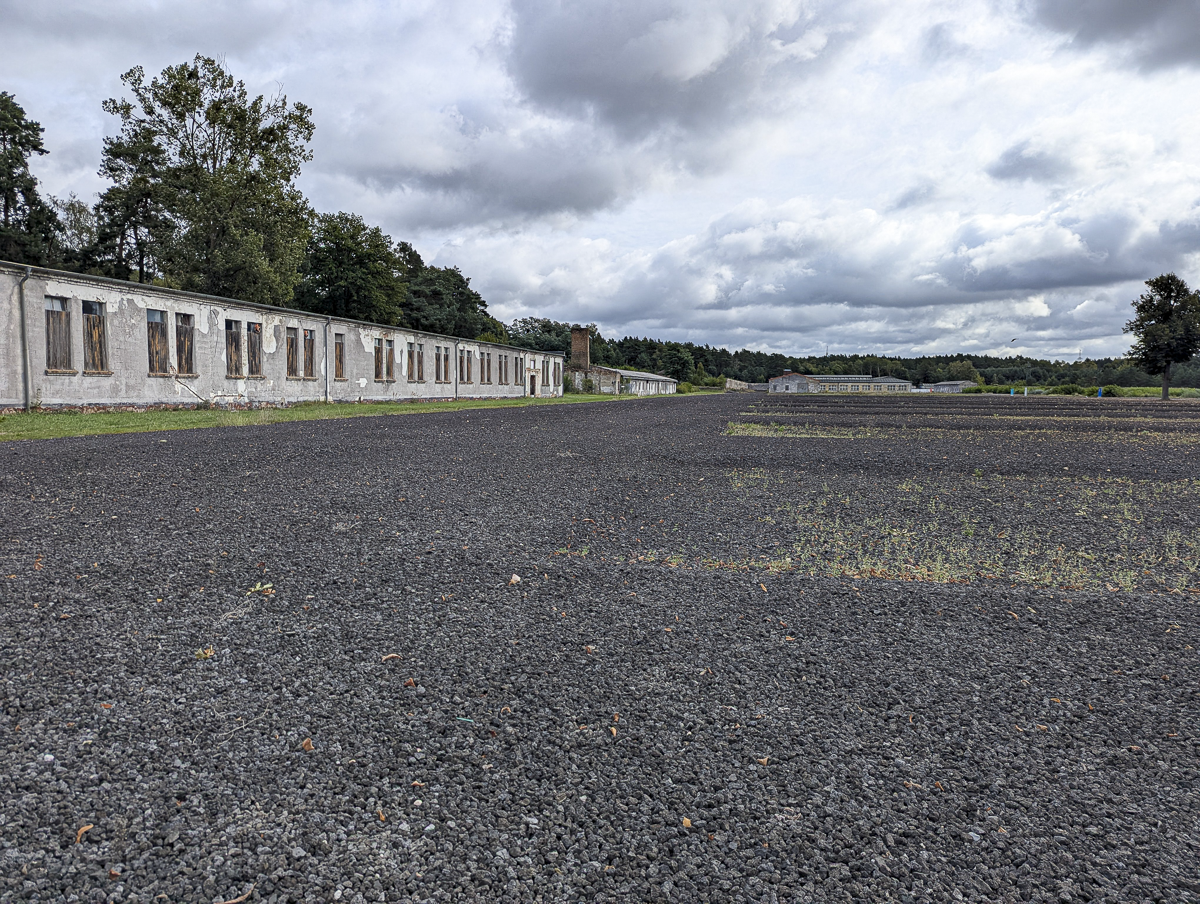
I’m sure some of it had to do with my particular circumstances. I was virtually alone in this huge, decaying skeleton of a concentration camp. It was chilly and dark and considerably windy and I was venturing farther and farther from the visitor center/other people where there was nothing but dark woods ahead. A feeling of “I shouldn’t be here” overwhelmed me even though where I was going was clearly marked as a stop on the visitor map.
The Tailor’s Shop
When I got to the back of the camp, there was a huge warehouse—the “Tailor’s Shop”. The door was propped open and there was signage outside which, to me, says “Come on in”, so I did. And that’s where I experienced something I’d never experienced before.
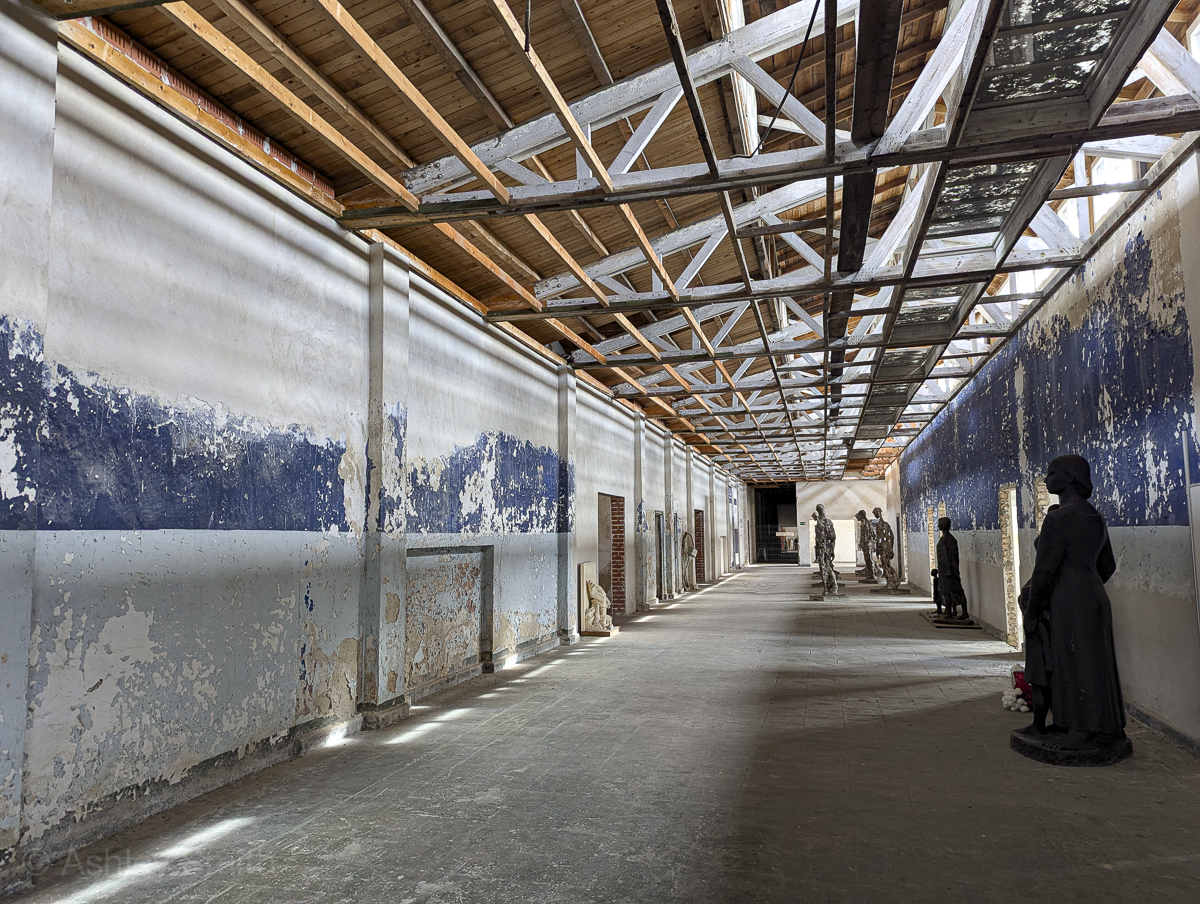
As soon as I entered the building, I felt what I can only describe as literal ice in my veins. I didn’t feel cold in general, but it felt like all my bones instantly turned to ice, like I was freezing from the inside out. Against all my instincts, I wandered farther and farther into this empty warehouse complex, trying to make sense of why it felt like my blood ran cold.
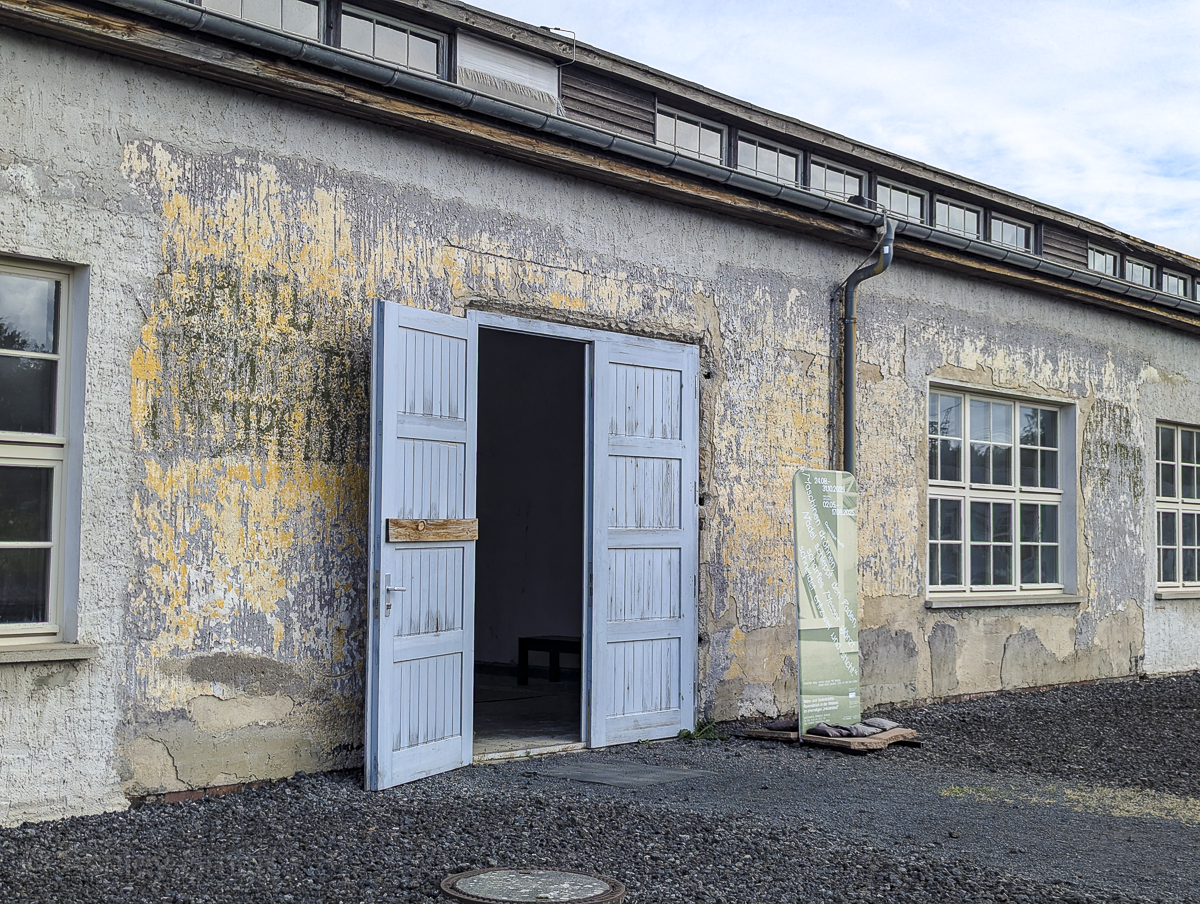
The wind was screeching through the old windows and hidden doors and floorboards would creak every so often. The entire time I was in there, my body felt like I was on the precipice of a jump scare. That’s really the only way I can describe it. It felt like, at any moment, someone was going to jump out from behind a wall or grab me from behind. This was an undeniably visceral, physical sensation of terror that still chills me to think about.
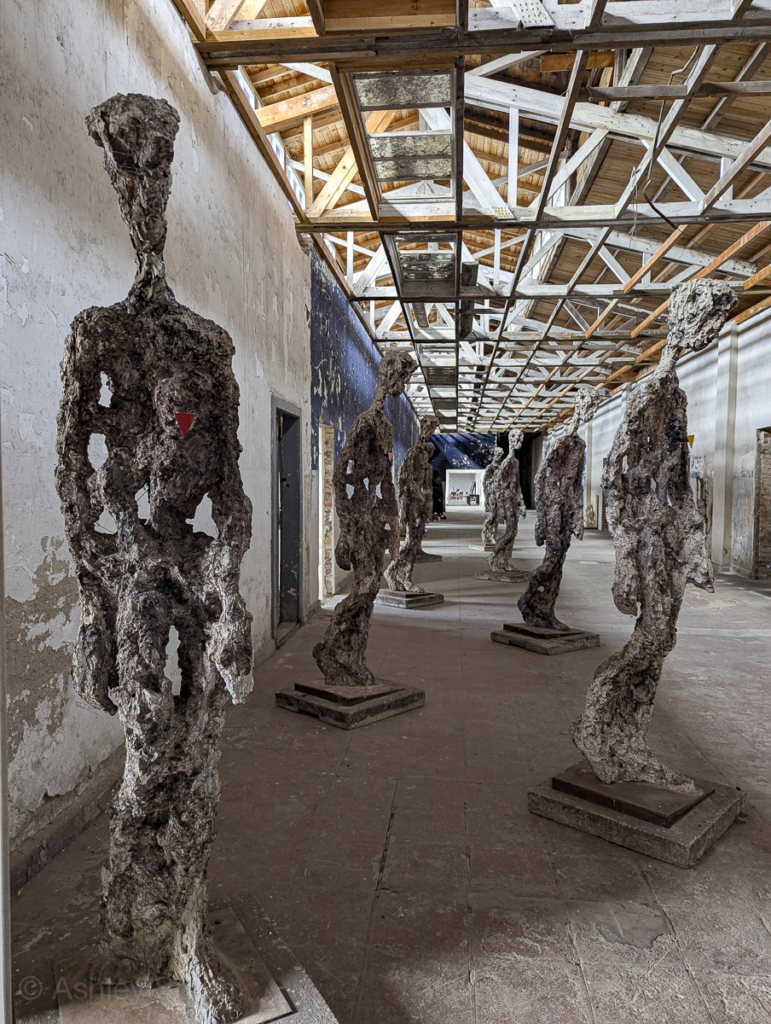
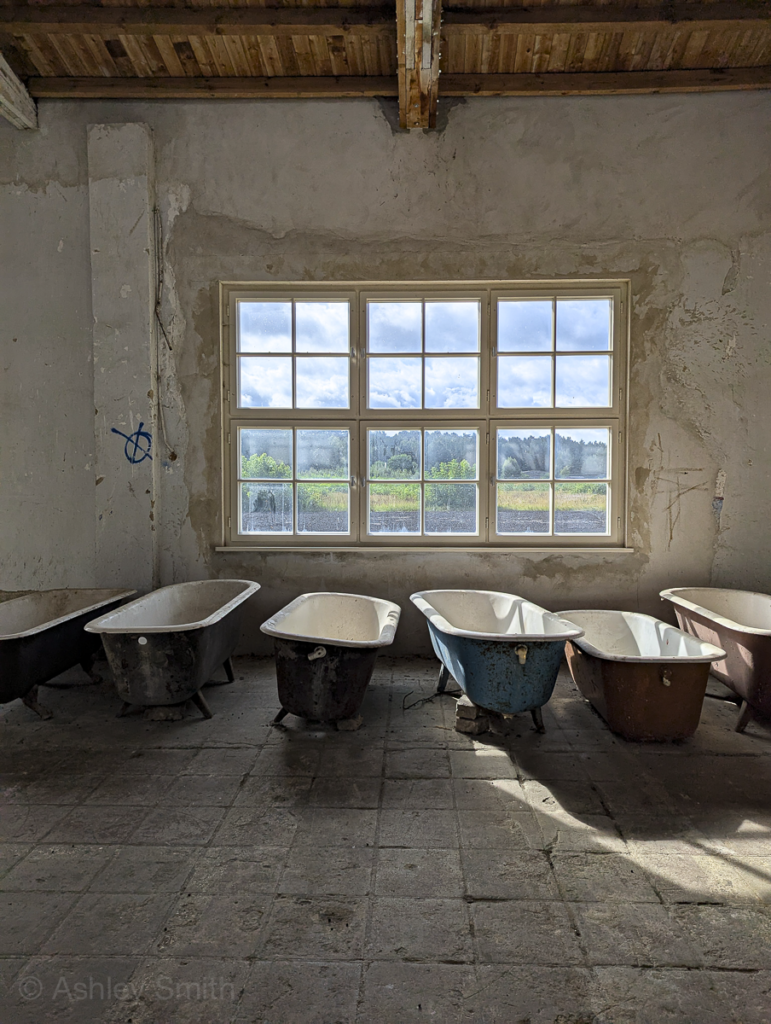
Sure, it didn’t help that this mostly empty building also seemed to serve as a storage area of sorts, with collections of random (and unsettling) things like old bathtubs and some disturbing sculptures that once stood outside the Fürstenberg train station. But this wasn’t a simple product of my surroundings; I’ve been alone in tons of former concentration camps before and never felt afraid or even mildly “freaked out”. This was different.
I’m not alone
The previous day, my Berlin friend mentioned Ravensbrück was among the creepiest places he’d ever visited. I didn’t give that statement much more thought because that’s just the nature of horrific sites like these, so I get it. But as soon as I (finally) exited the Tailor’s Shop, I immediately texted him about my experience, and he knew exactly what I was talking about.
I want to finish by asserting the fact that I’m not someone who scares easily. I don’t think places like this are inherently “haunted” nor do I “believe in ghosts” in the mainstream, pop-culture-y sense. I’m not saying I don’t believe in any of that at all, I’m just someone who needs a firsthand experience to be convinced. But what I experienced at Ravensbrück was undeniable.
The only other time this has happened was when I encountered a ghost at the Belzec Extermination Camp in Poland. At least this time I had a witness who can back me up.
What you need to know for visiting Ravensbrück
Even if you’ve been to other concentration camp sites before, visiting Ravensbrück might be a little different. Here are a few things worth knowing beforehand:
For the full list of visitor regulations, see this page. (To translate, you can download this document and then upload it into Google Translate.)
Where to eat near Ravensbrück
Like many former concentration camp sites, Ravensbrück doesn’t offer anywhere to get food or drinks. You’re welcome to bring your own, but you absolutely must consume it outside the camp grounds. Anywhere beyond the parking areas should be fine.
Depending on the day and time, you can also find several restaurants in the town of Fürstenberg, closer to the train station.
Fischbrötchen vom Fischbötchen
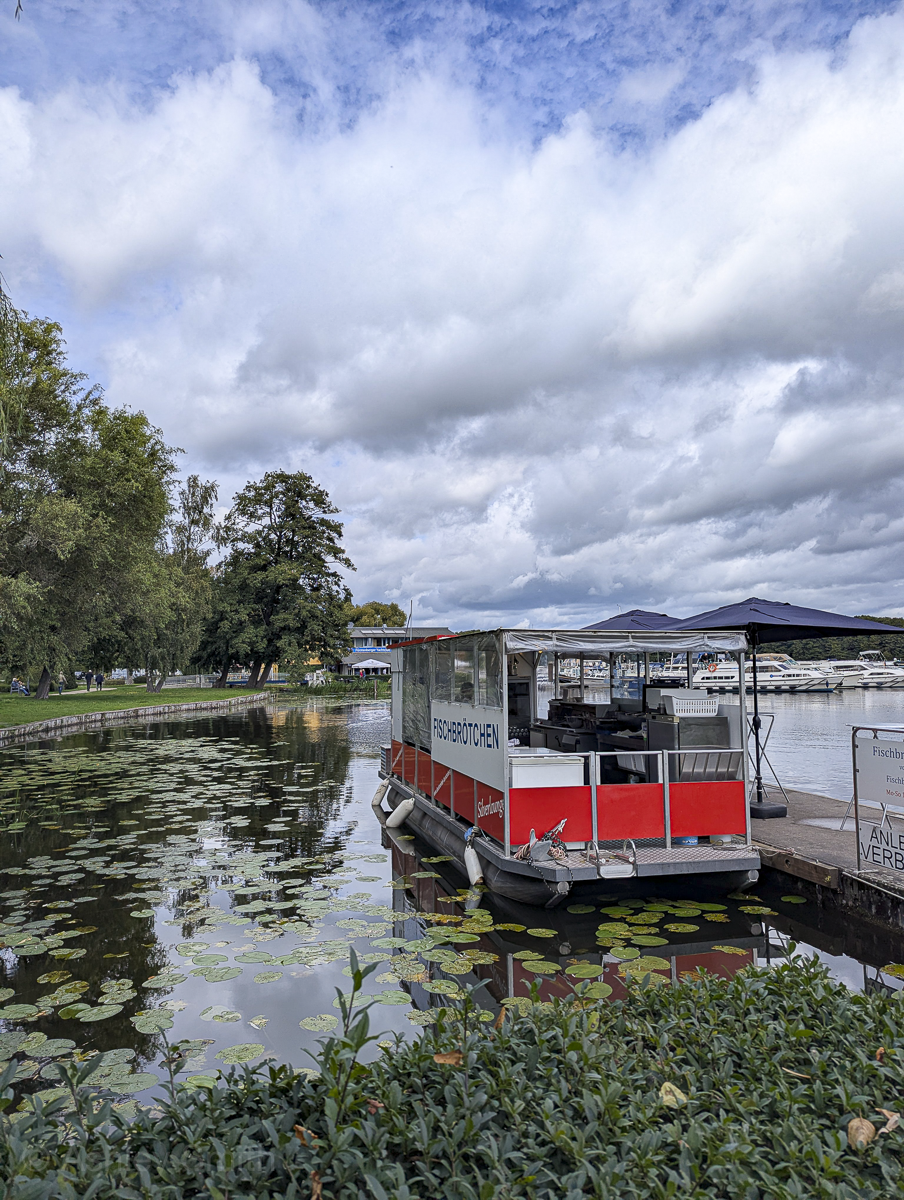
I personally decided to take a longer route back to the train station which took me around the lake to a little place called Fischbrötchen vom Fischbötchen (“Fish Sandwiches from the Fish Boat”). This adorable spot is just what its name describes—a small boat on the lake that sells amazing fresh fish sandwiches.
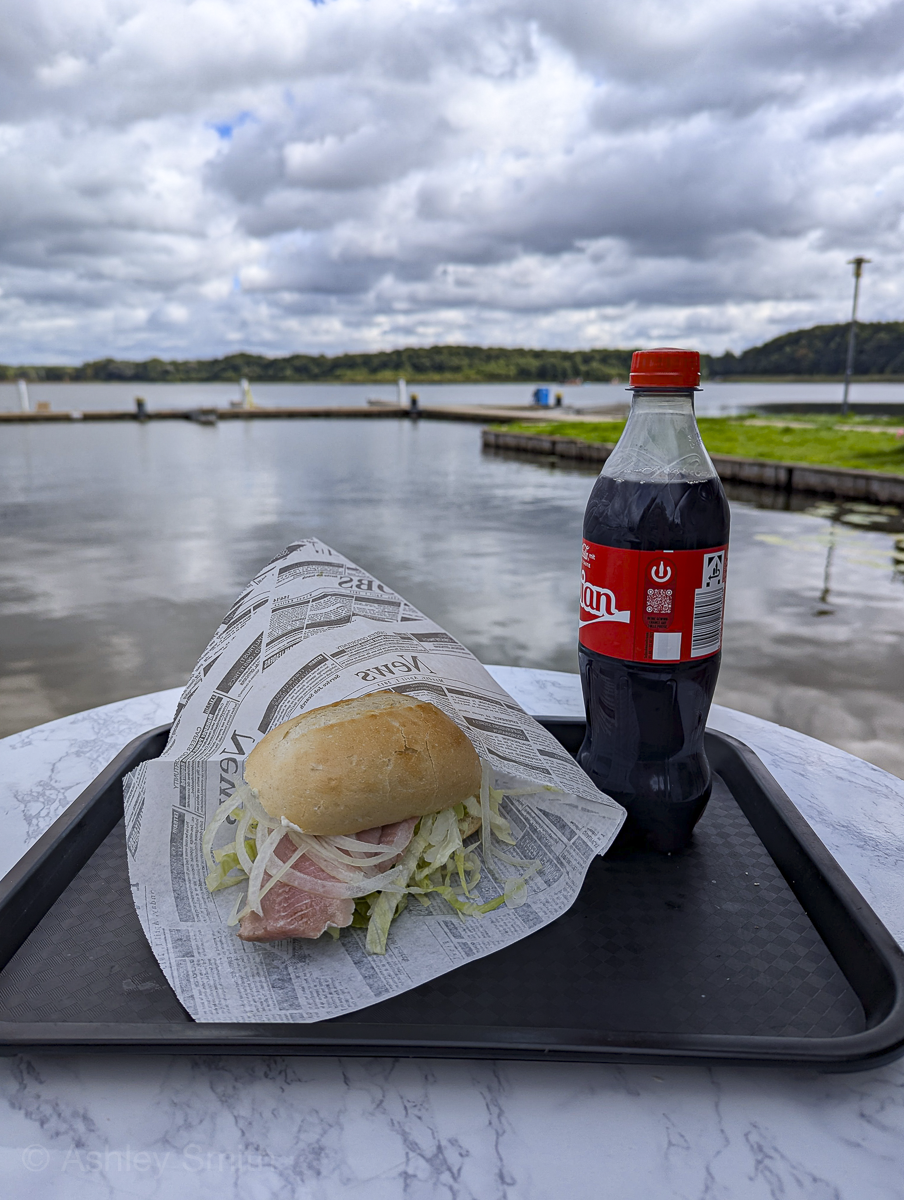
The owner is so kind and welcoming and even let me sample a few different kinds of fish so I could know the difference between them. I ended up getting the “matjesfilet” which is a kind of marinated herring. It’s a lovely spot that’s well worth the detour.
Fischbrötchen vom Fischbötchen is only open on Fridays, Saturdays, and Sundays. And note that it’s not open all year either. When I visited in mid/late-September, he told me that was probably the last weekend for the year.
Ravensbrück essential visitor information
Here’s the most basic information you need for visiting Ravensbrück concentration camp:
Books about Ravensbrück
For when you want to learn more about this unique historical site, here are a few books that might interest you:
More info for your visit to Germany
- Hotels: Find great places to stay on Booking.com (my go-to). Expedia and Hotels.com are worth checking too. VRBO is best for apartment rentals.
- Rental cars: Check out the best rental car deals here.
- Local tours & activities: Check out all the great local options from Viator and Get Your Guide here.
- Don’t forget a Germany guidebook and this must-have Germany customs and culture guide!
- Want more? See all my Germany posts here.
Like this post? Have questions about visiting Ravensbrück? Let me know in the comments below. Thanks for reading!

Save this info, pin these images: