

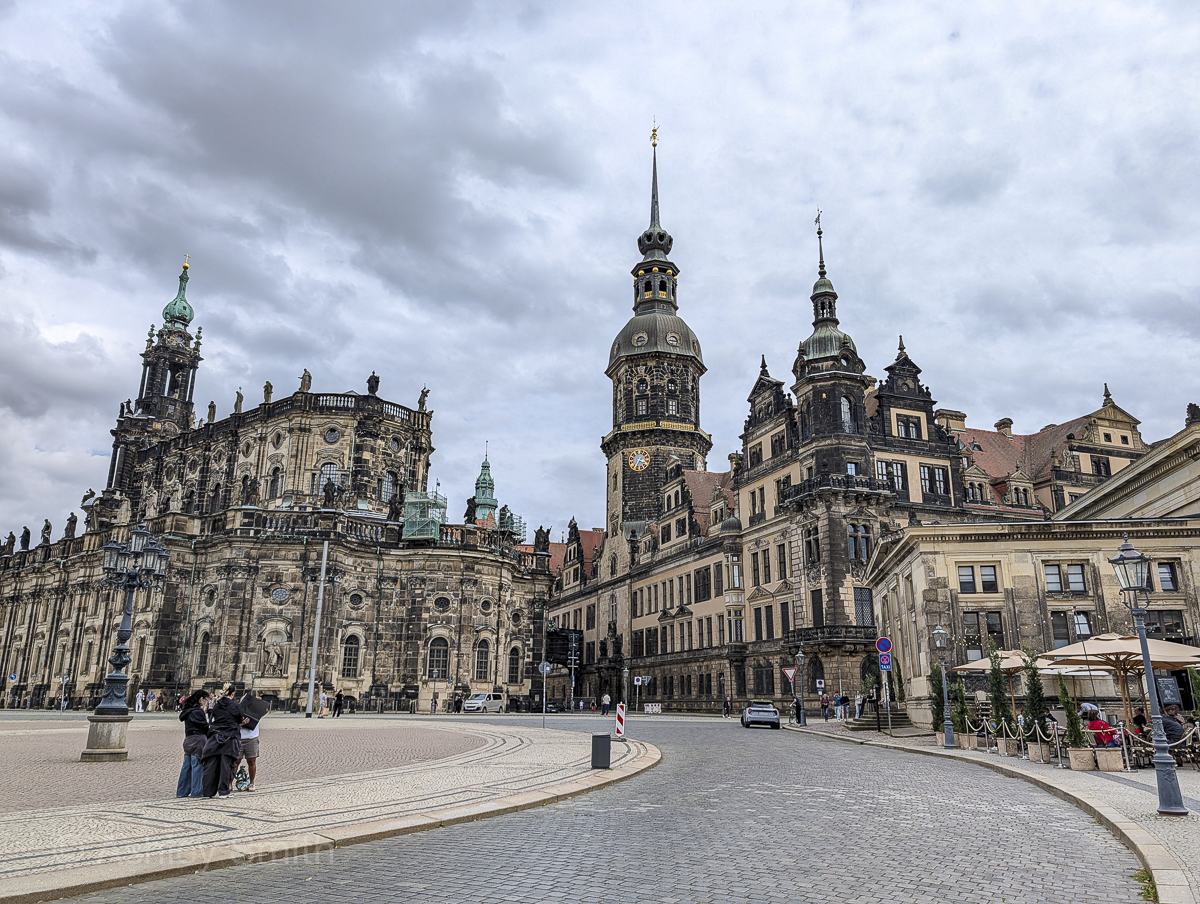
The many WWII sites in Dresden have long topped by travel wish list. What happened in Dresden in 1945 is among the most controversial events of the entire war. Between that and the fact that Kurt Vonnegut’s Slaughterhouse Five has long been one of my favorite books, I was incredibly excited to be able to finally explore Dresden, Germany.
There are many World War II-focused museums, memorials, and other historic sites to see here. While most of them center around the bombing of Dresden, there are still several others that cover different topics. And all are worth checking out for yourself. Learn a little about them all and see where you can find them in this post. Enjoy!
Dresden during World War II
Prior to 1945, the city of Dresden, Germany experienced the war the same as most other Nazi-occupied cities. The local synagogue was destroyed on Kristallnacht. The city’s Jews were arrested, murdered, and/or deported to extermination camps. And several forced labor camps and factories popped up around town, subcamps of the Flossenbürg concentration camp farther south.
For more on the broader history of Dresden, check out this extremely popular guided tour. And for more on Dresden’s WWII history, this private Third Reich tour has nothing but 5-star reviews.
The bombing of Dresden
However, the most notable event you should familiarize yourself with before visiting is the bombing of Dresden on February 13-14, 1945. This event is wildly complex and controversial (still) that to try and summarize it in a few paragraphs would just be too difficult and do it a real disservice. So, here are a few of the most important things you need to know.
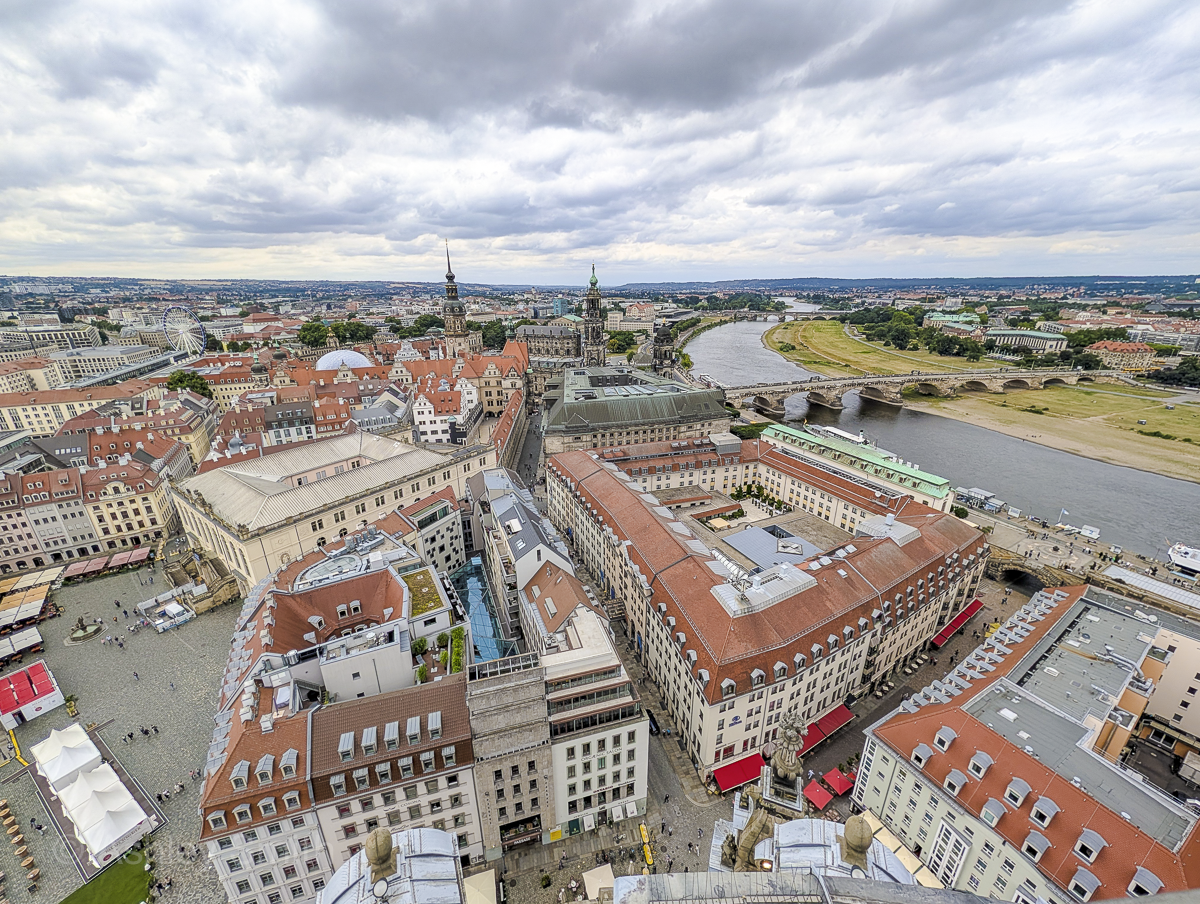
On the night of February 13th, 1945, Allied bombers from both the Royal Air Force and the United States Army Air Forces dropped nearly 3 tons of bombs and incendiary devices on the city of Dresden. The result was a literal firestorm, the likes of which had never been seen before. Around 2.5 miles of the city center was completely destroyed and approximately 25,000 people were killed.
The controversy
The controversy surrounding the bombing of Dresden lies in the question of whether the bombing was justified. Many argue the city had no real military targets and that, since the war was nearing its end, bombing civilians was completely unwarranted. However, Dresden did in fact have several justifiable industrial targets. And given Hitler’s commitment to fighting to the last man, no one actually knew when the war would end nor how bad it would get before it did.
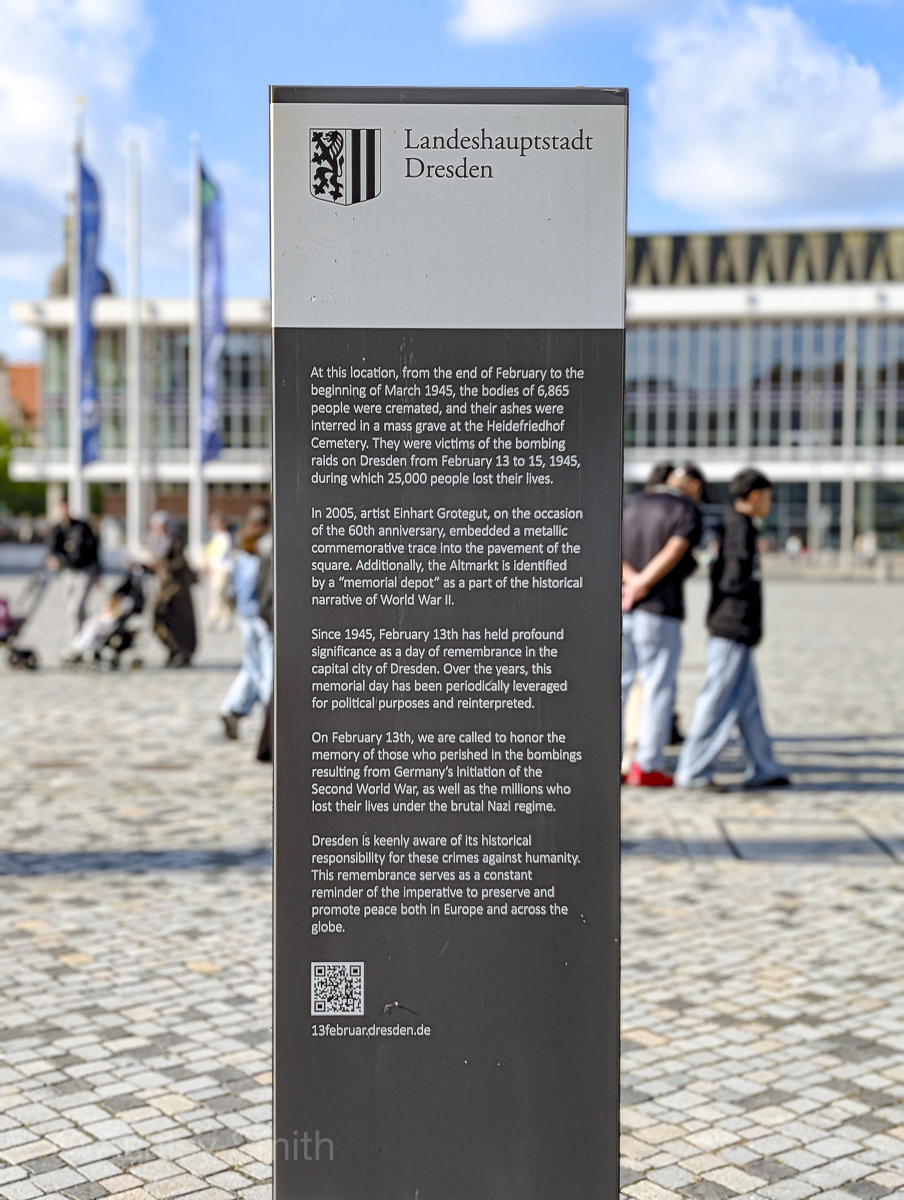
The bombing of Dresden has been highly politicized in the 80+ years since it occurred, similar to the bombings of Hiroshima and Nagasaki. But rather than exploit its victimhood, the city of Dresden acknowledges German responsibility for the bombing and the entirety of World War II. (This is rare!) See image below for their statements.
Again, this is just an extremely simplified summary of this event and I highly recommend you read the book Dresden: Tuesday, February 13, 1945 by Frederick Taylor for a fuller explanation of both the bombing and the controversy. At the very least, watch the short documentary episode I mention below in the section on additional resources.
Rebuilding
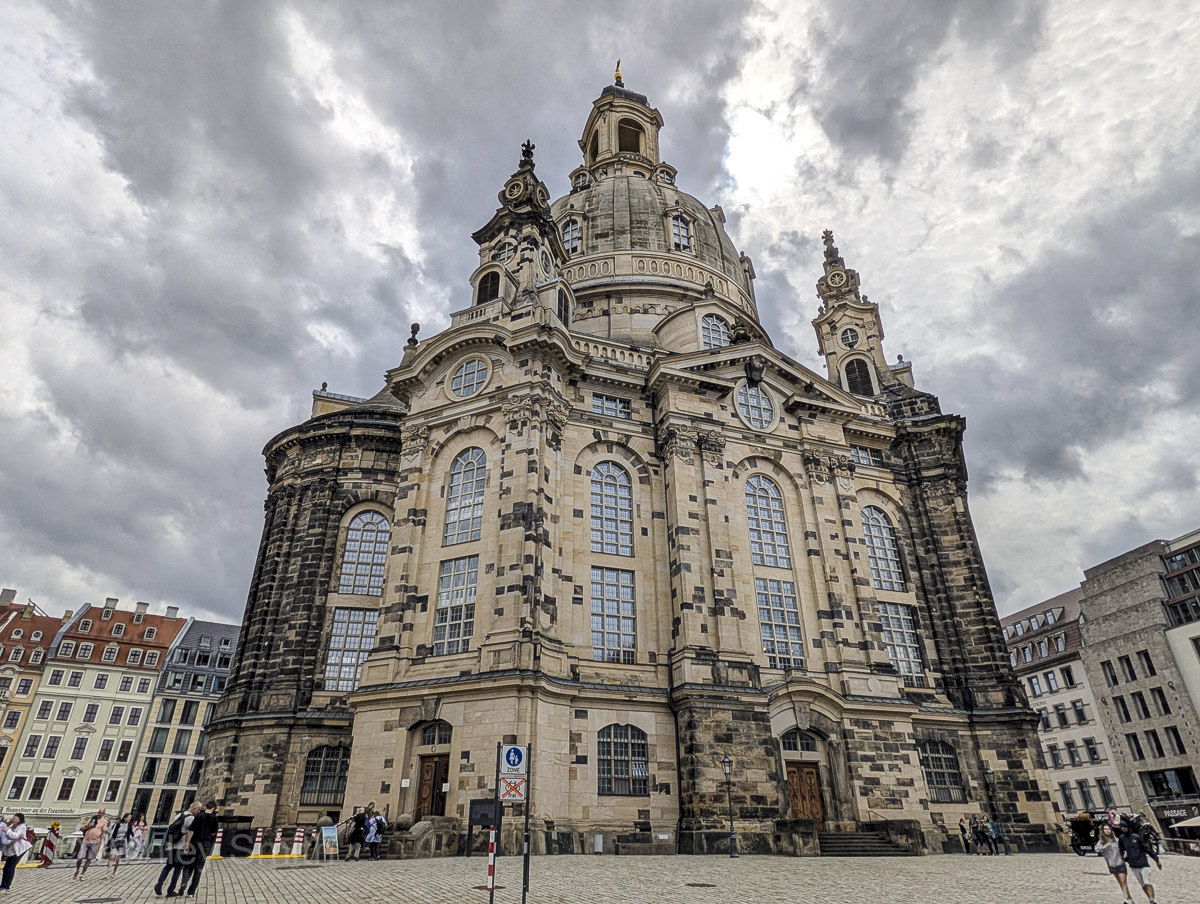
After the war, but especially after German reunification in 1990, Dresden made serious efforts to rebuild its destroyed city. Dresden’s main church—the Frauenkirche—sat in ruins for nearly 50 years at the behest of the city’s postwar Communist leaders. It wasn’t until 1993 that the church’s rubble was removed and reconstruction could begin. The newly rebuilt church opened in 2005 and includes the few sections of the original church that remained standing after the bombing.
Reconstruction of the former Baroque capital continued through the early 2000s and still continues today.
Map of WWII sites in Dresden
This map contains all the WWII sites in Dresden I mention in this post. To save this map: Click on the star ⭑ next to the map’s title to save in your Google Maps. To use this map: When you get here, open Google Maps on your phone, click “Saved” at the bottom, then click “Maps.”
WWII museums in Dresden
Dresden has some seriously interesting WW2 museums you can visit and here they are:
1. Museum of Military History
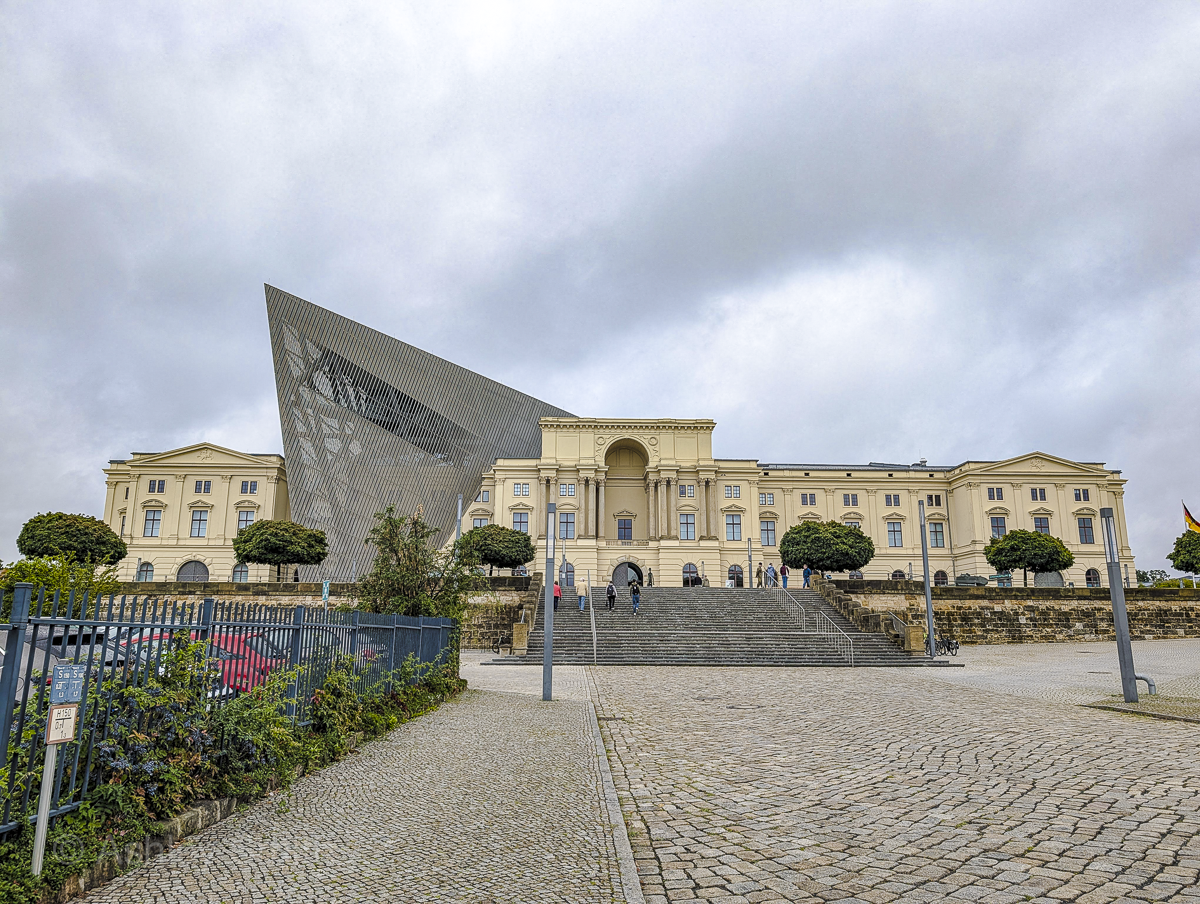
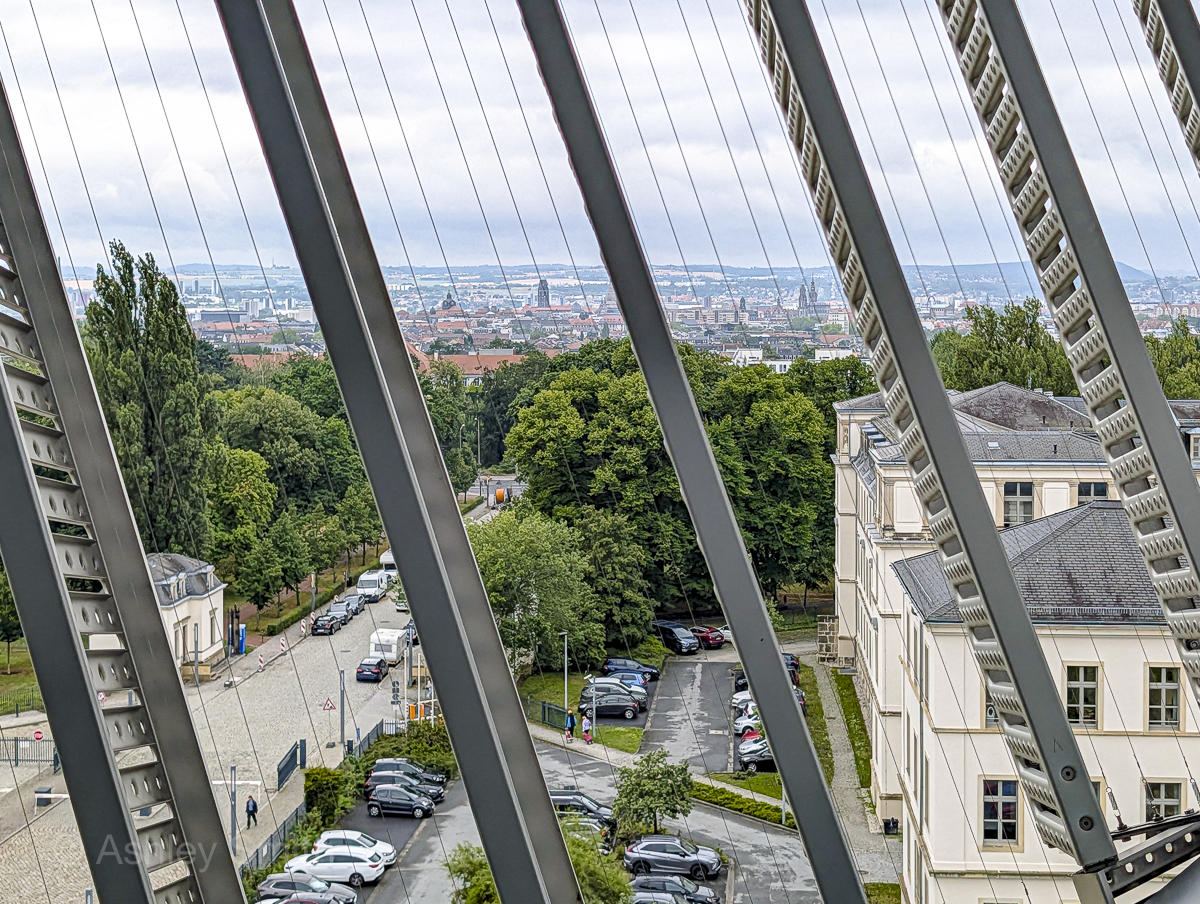
Dresden’s Militärhistorisches Museum der Bunderswehr is the official museum of the German Armed Forces. While there is a huge wing on the Second World War, this museum focuses on tons of other topics and time periods. Located inside a historic military arsenal and armory, the museum also features a top-floor viewing platform.
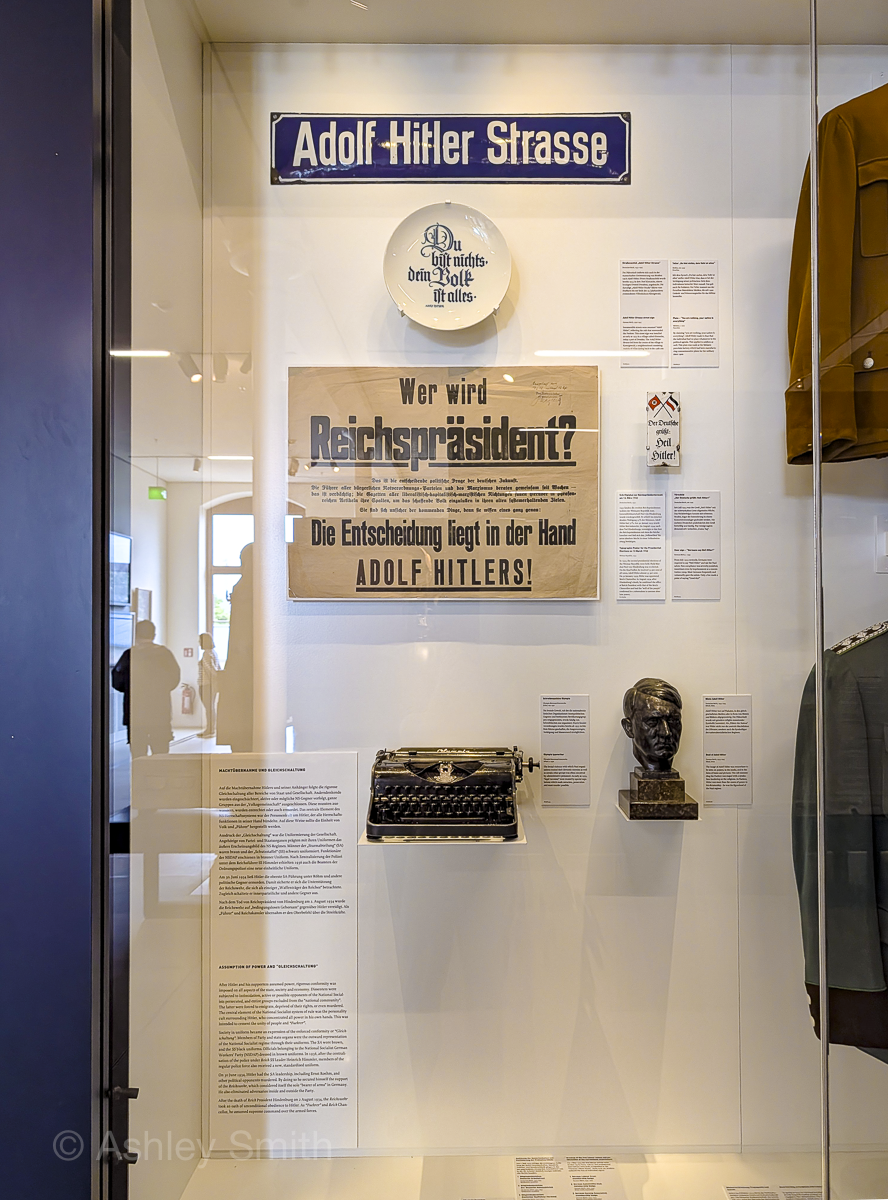
In addition to the WWII-specific areas, you can also find a lot more WWII information in exhibits like: Animals in the Military, Suffering from War, Military & Technology, Military & Society, and so many more. (Really, this place is huge. Prepare to spend a couple hours here.)
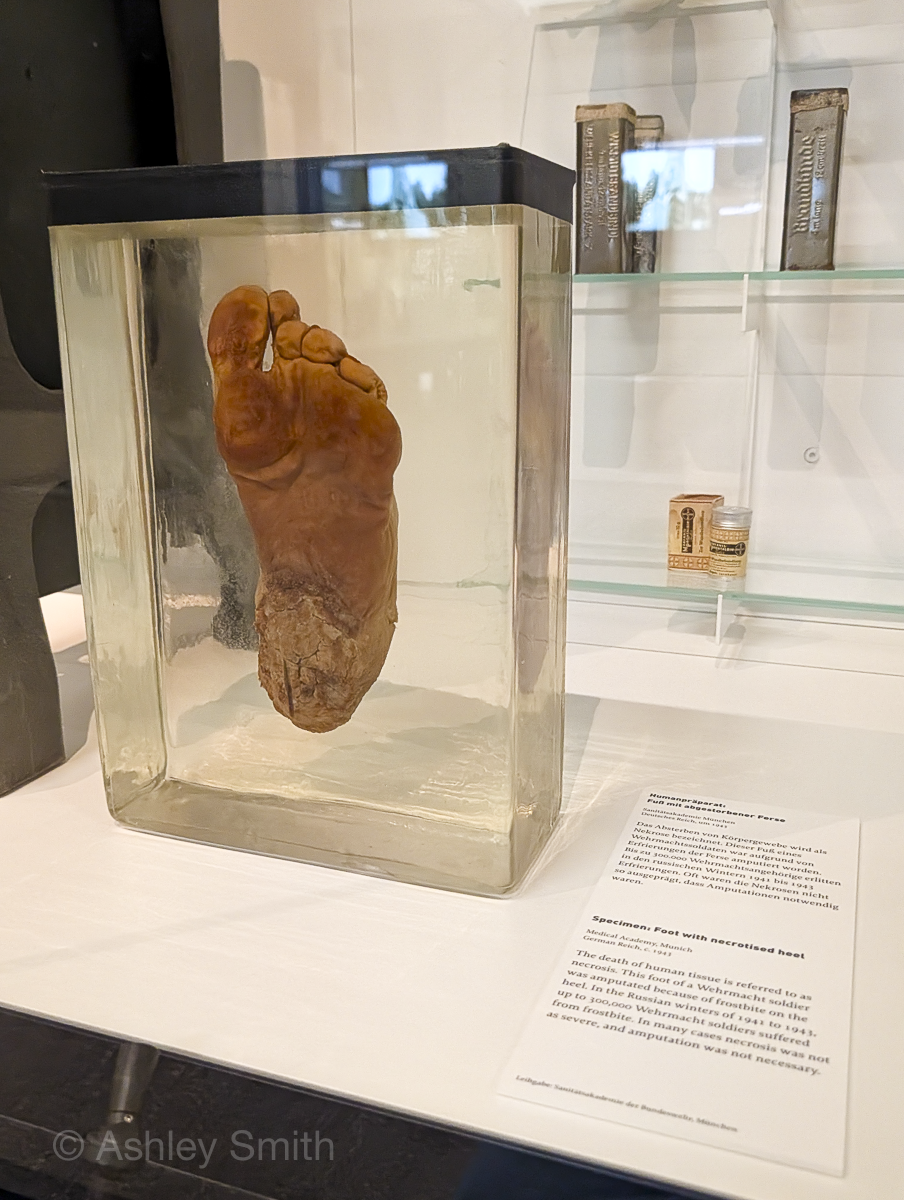
This museum utilizes storytelling, audio/visual materials, and some seriously haunting historical artifacts. (I was not prepared to see the severed Nazi foot. Yikes.) And don’t miss the wonderful temporary exhibitions either.
2. Münchner Platz Memorial & Museum
Technically, the Münchner Platz area is considered a ‘memorial,’ but for our purposes it also classifies as a museum. While you should definitely come to see the memorials, don’t miss the fact that you can enter these buildings as well.
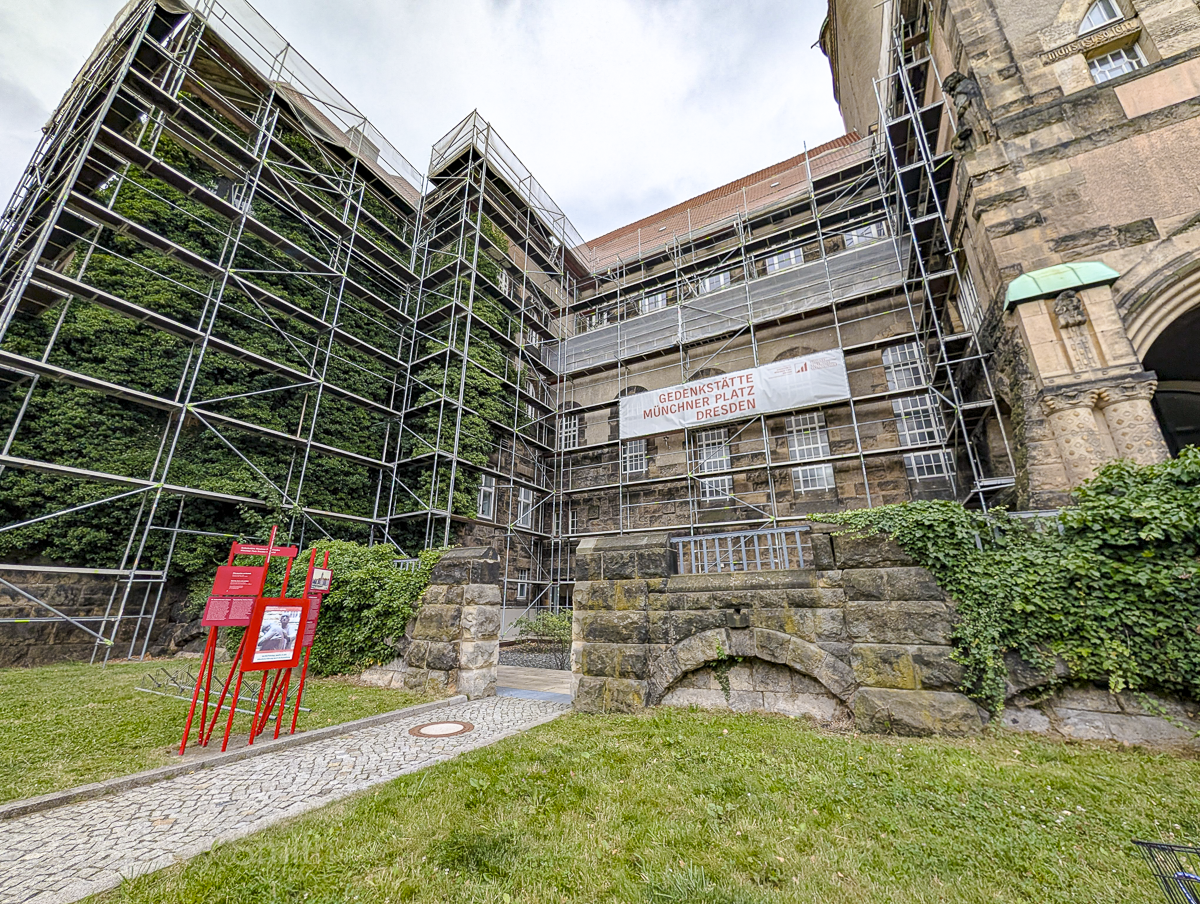
The memorial site at Dresden’s Münchner Platz (Munich Square) is today the Dresden University of Technology. But during both the Nazi and Soviet occupations, this building complex served as a court, prison, and execution site for political “criminals.” In total, around 1,300 people were unjustly executed here during World War II and another 83 in the early days of the GDR.
Münchner Platz historical trail
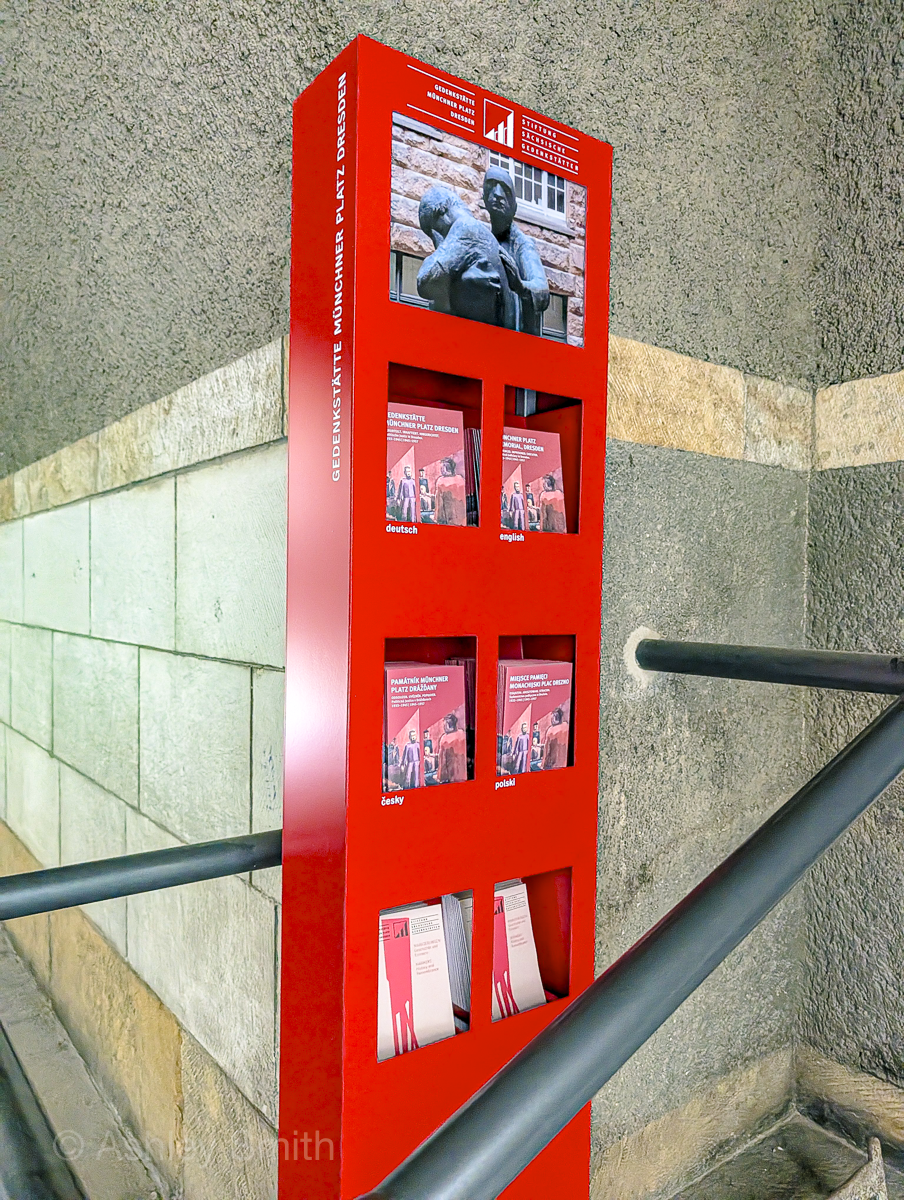
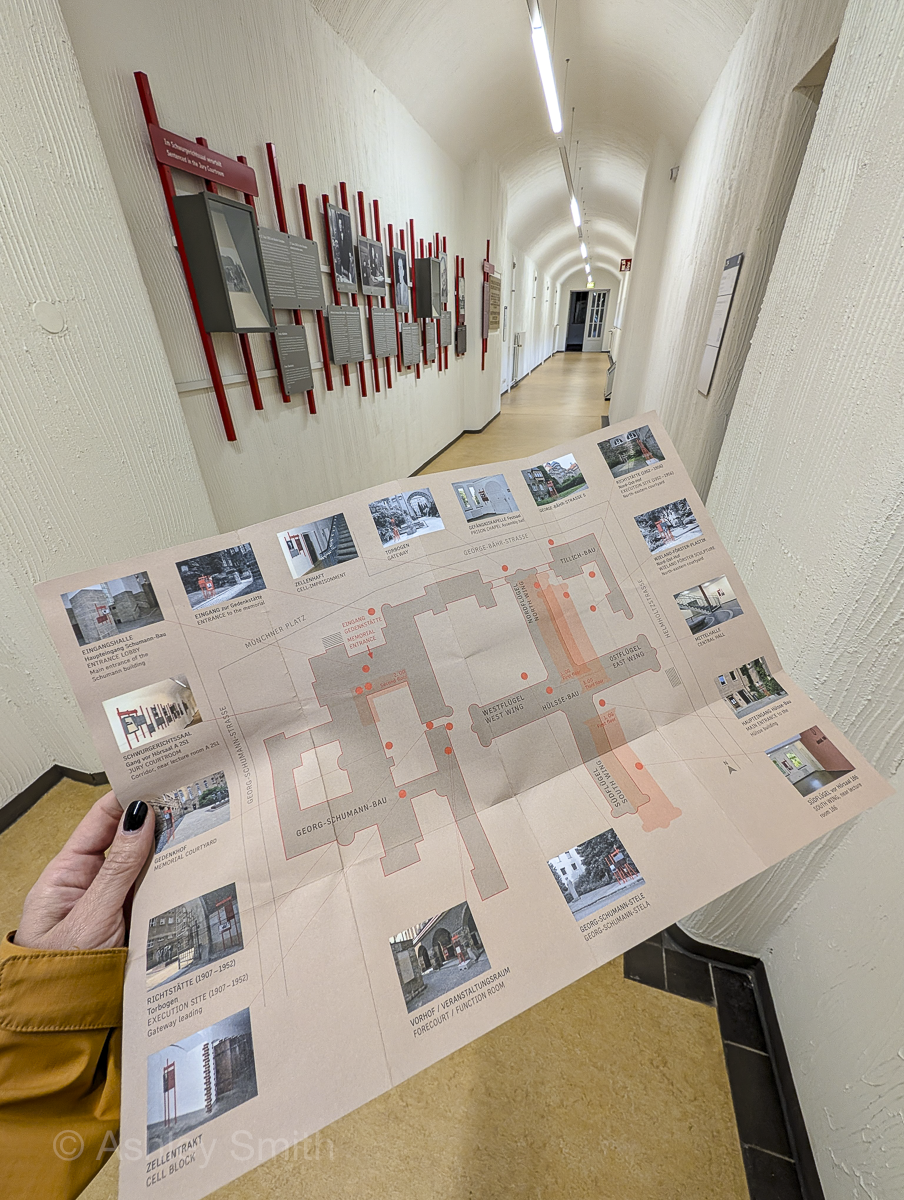
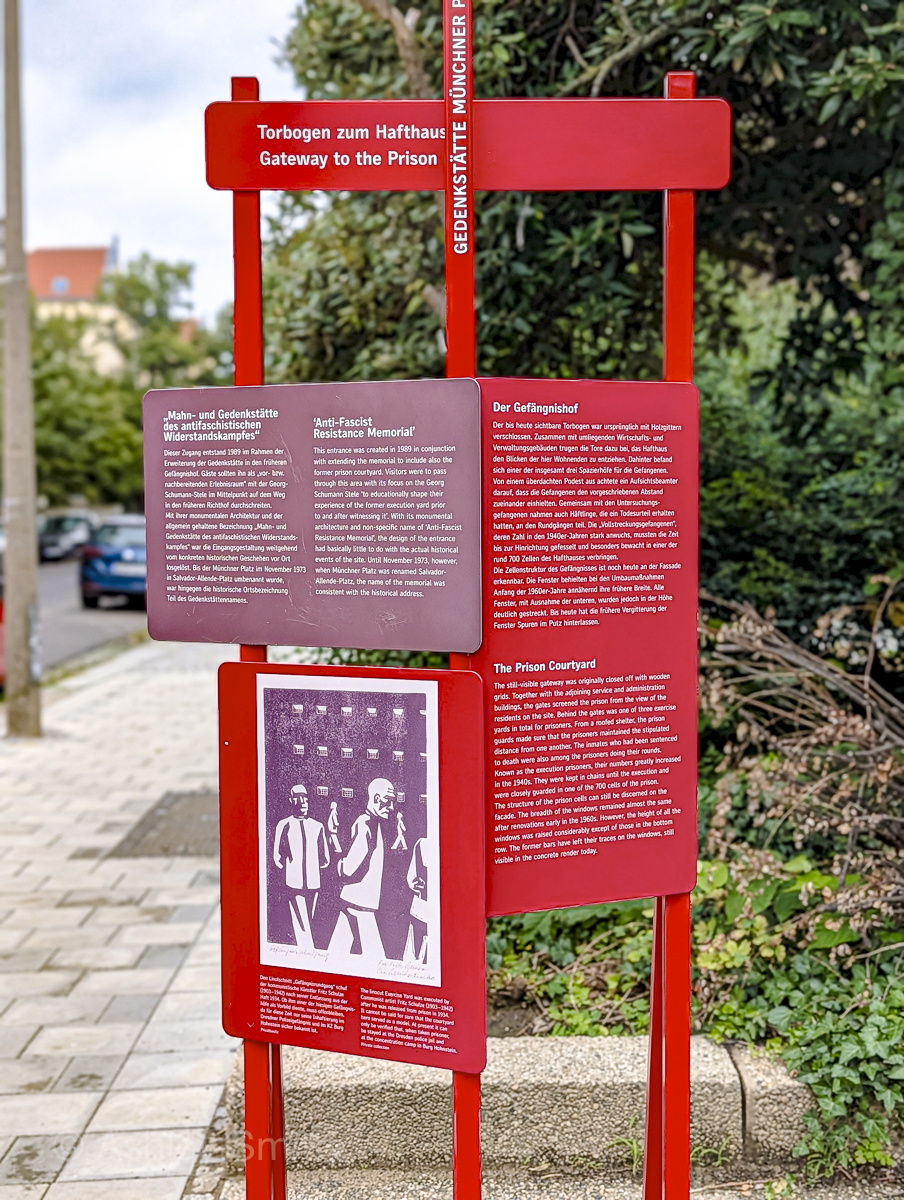
At the entrance to the building next to the Georg-Schumann Memorial, you’ll find a bright red display board that contains brochures in several languages. Inside this brochure is a map of all the notable sites here. Use this map and continue to look for more bright red signs. And even though this is an active university, the woman in the museum assured me I could enter and walk around freely, which I did (nervously though, as I was afraid I’d accidentally walk into an active lecture, which I thankfully did not).
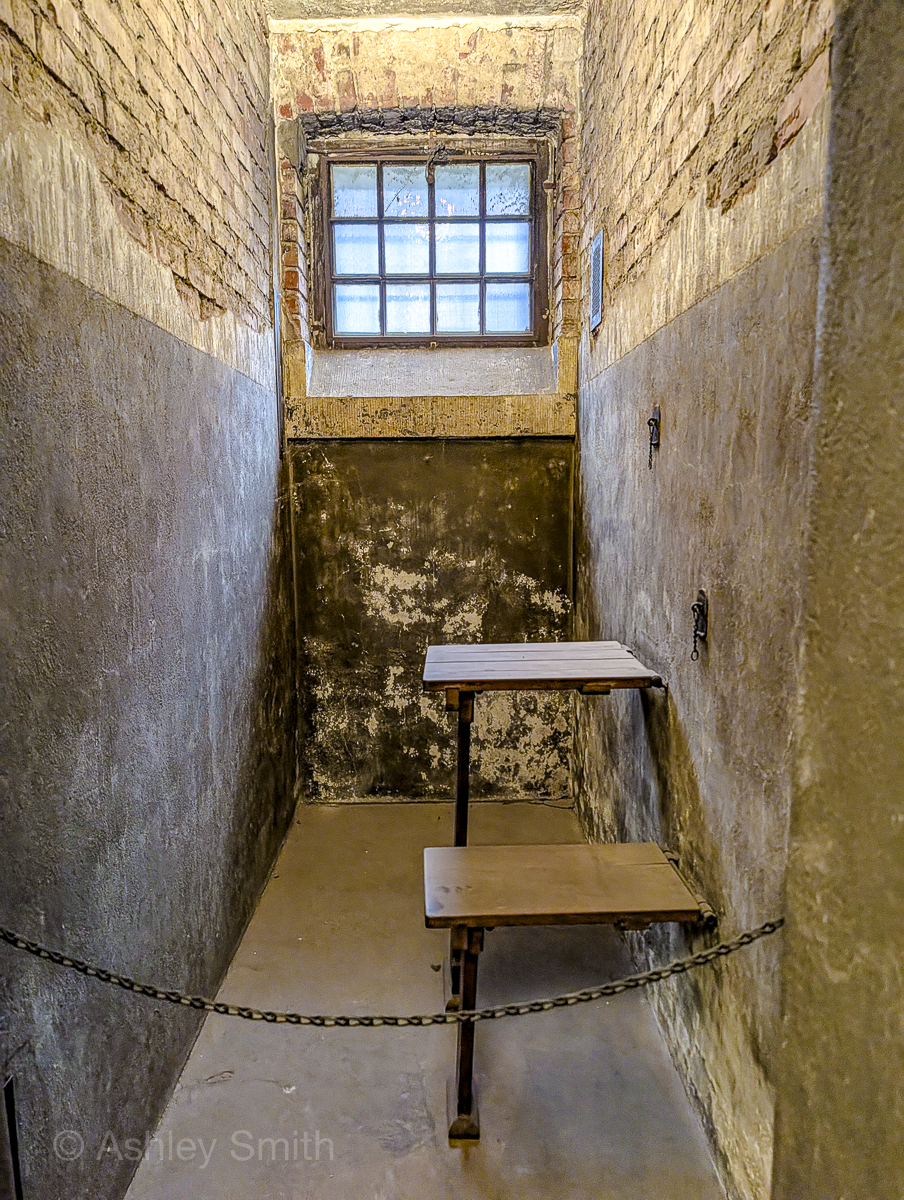
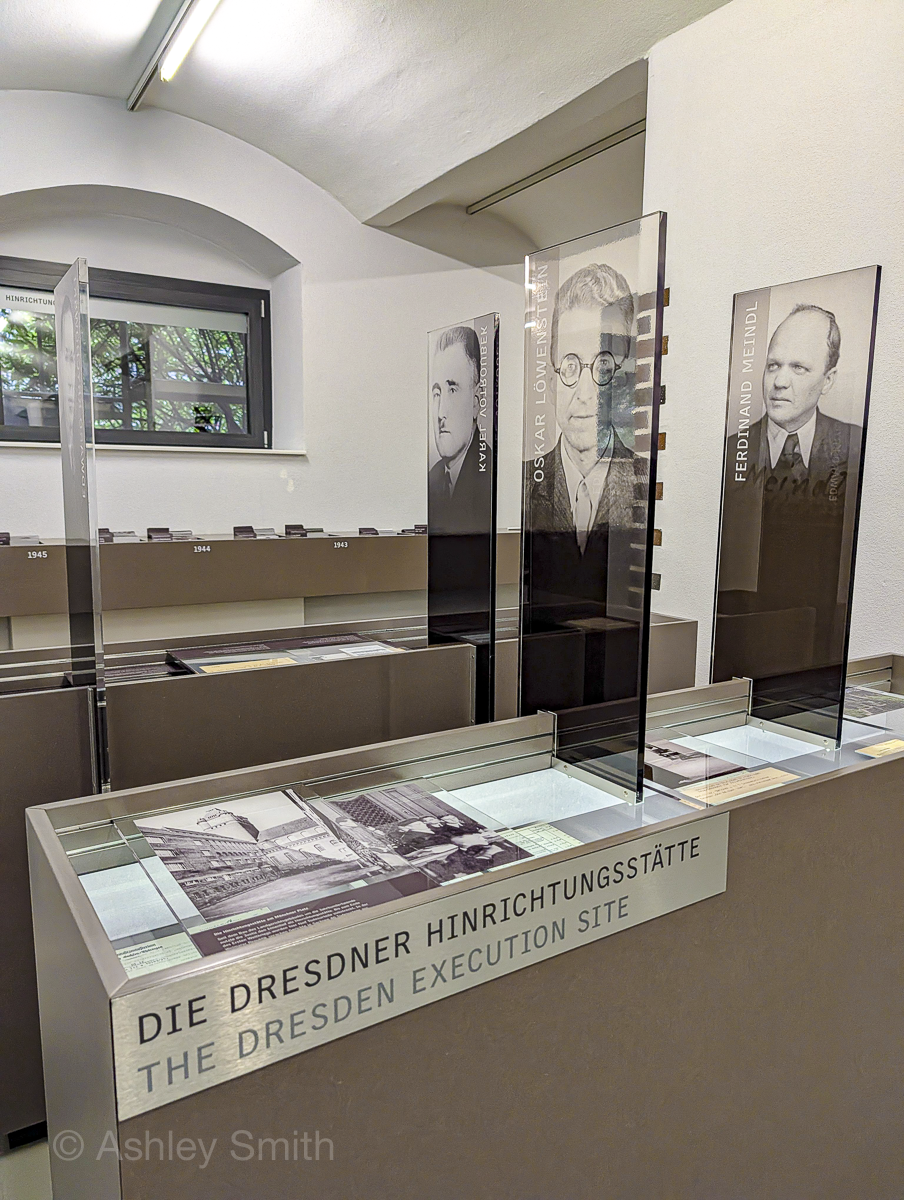
In addition to these many notable sites is the actual indoor museum. Located inside the former prison building, you can see several of the pre-trial and pre-execution holding cells. You’ll also learn about the Nazi and Soviet “justice” systems, this complex’s use as an execution site, and as much as is known about the individual victims. (As is typical in Germany, most of the exhibits are presented in German with only a select few also in English. So, have your translator app ready.)
3. Dresden City Museum
Though not explicitly focused on World War II, the Dresden City Museum does focus on the city’s 800-year history. Naturally, this includes a wing on “Democracies & Dictatorships.” So if you’d like to understand Dresden’s entire history, its place in WWII (plus a bit about the Allied bombing and its aftermath) a little more comprehensively, this museum is for you.
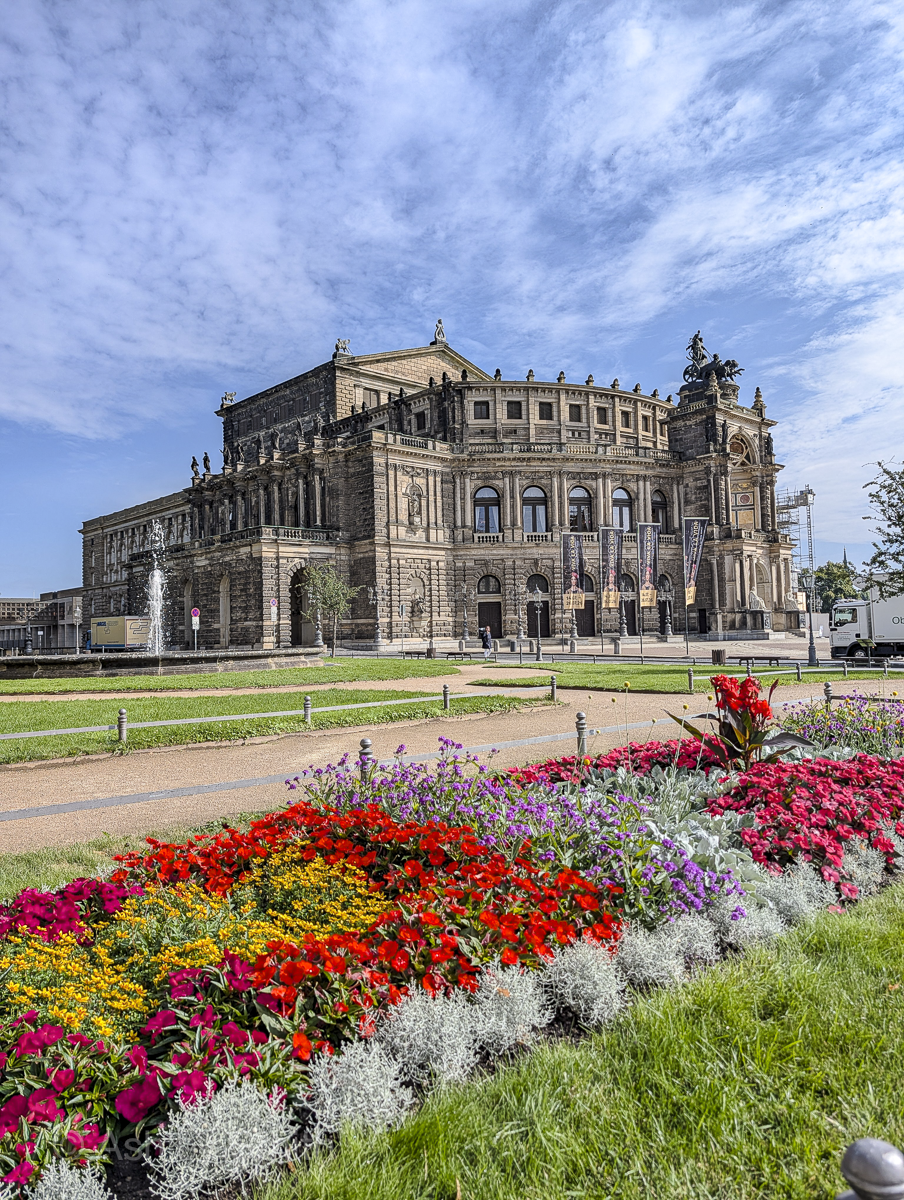
4. Dresden Transport Museum
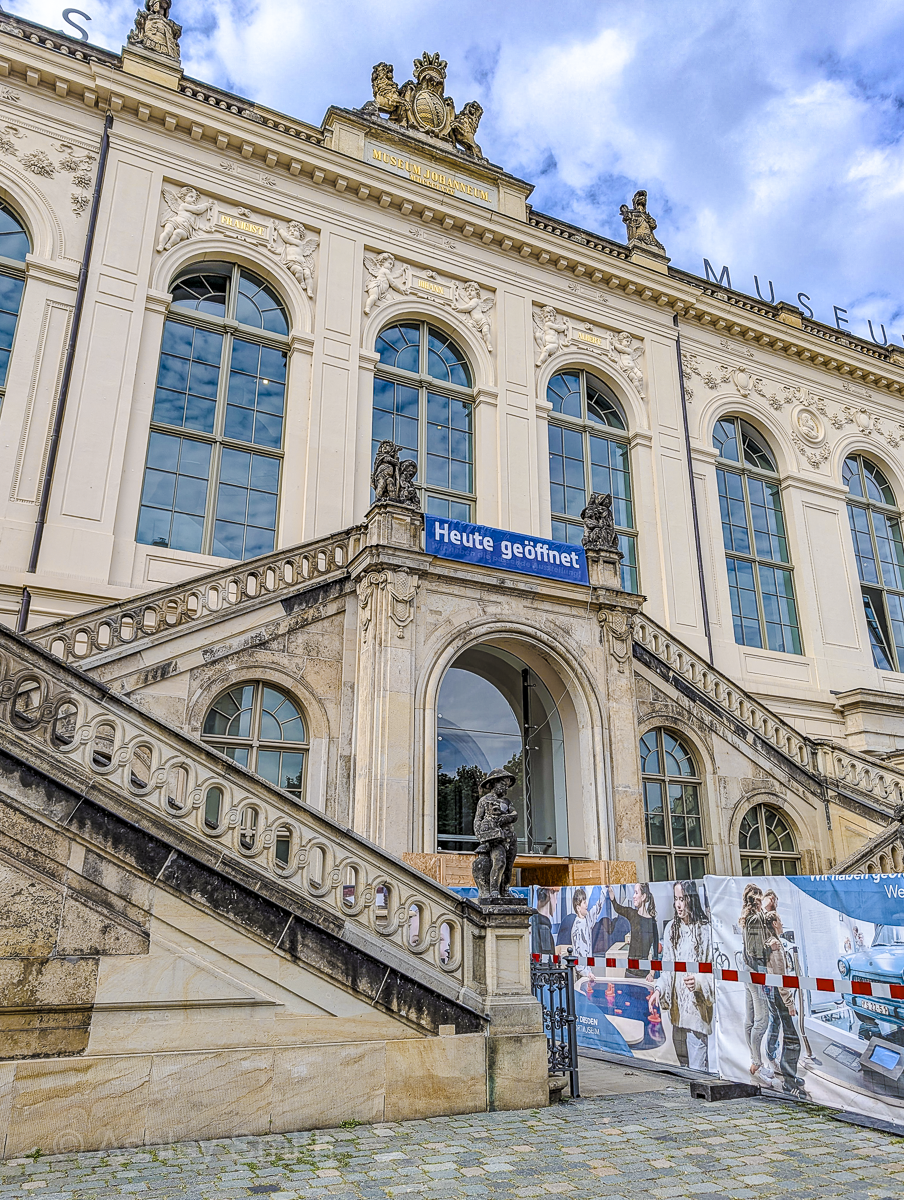
Like the Germany Railway Museum in Nuremberg, the Dresden Transport Museum focuses on the history of transportation in Dresden and Germany in general. This includes, among other topics, the Nazi use of the state railway–the Deutsche Reichsbahn–during World War II.
WWII monuments & memorials in Dresden
And here are some interesting WWII monuments and memorials around Dresden worth visiting if you can.
5. Denkraum Sophienkirche
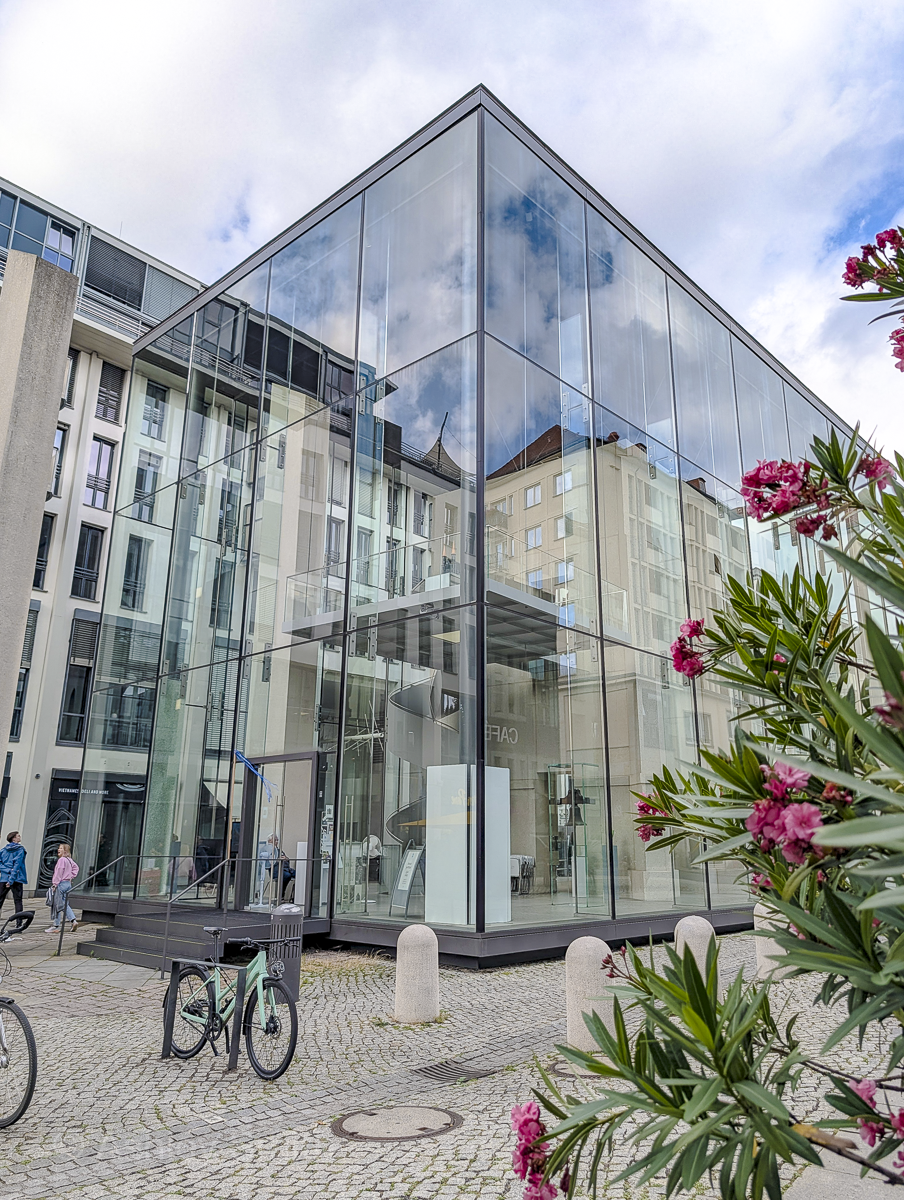
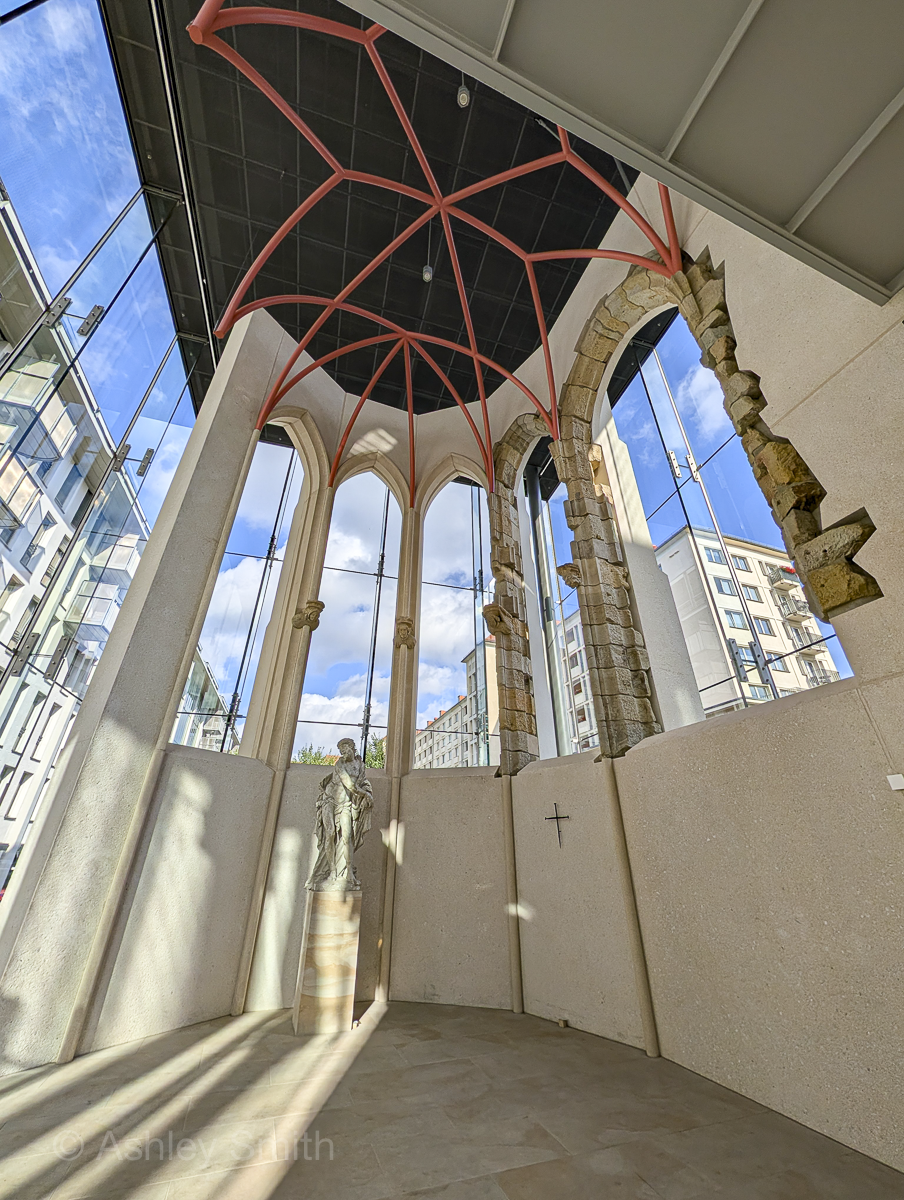
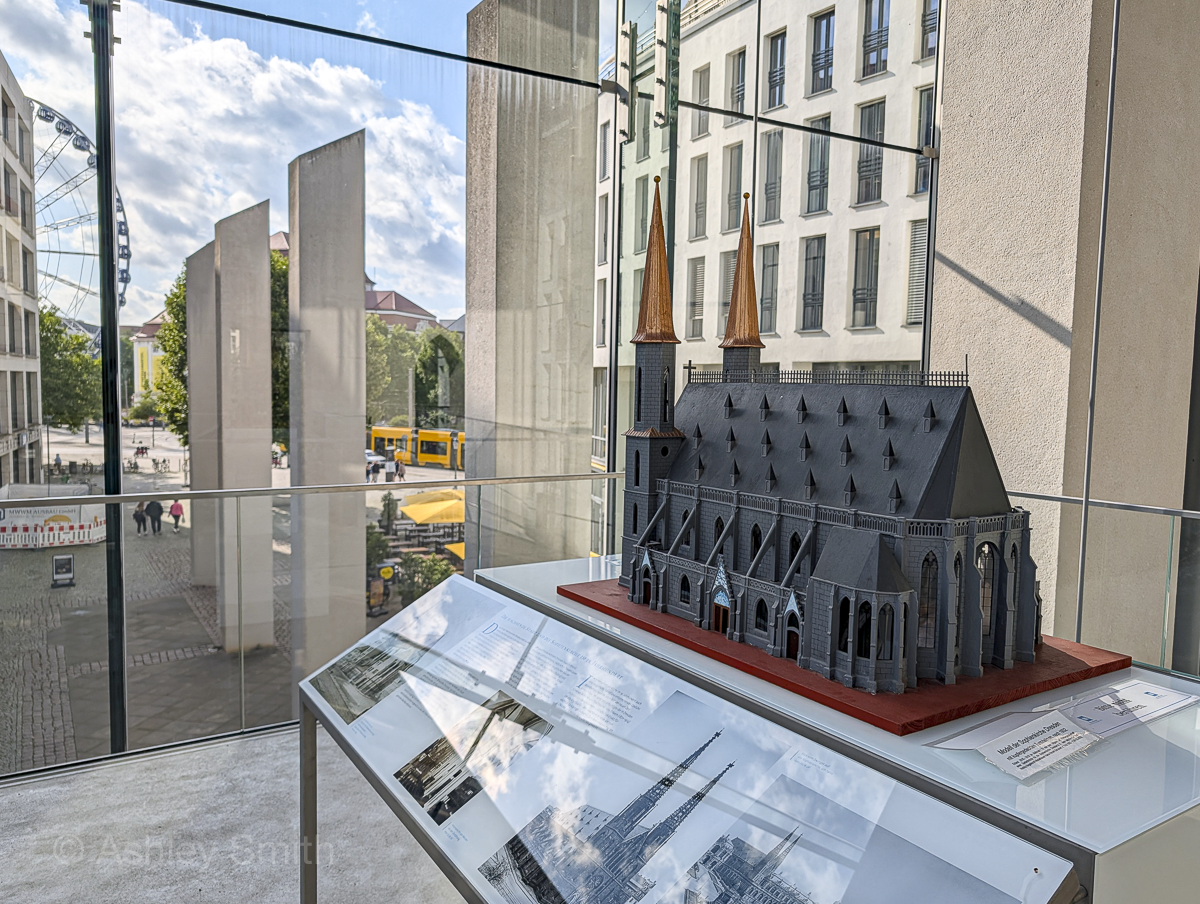
The Denkraum (“memorial space”) Sophienkirche stands on the former location of the Sophienkirche—a Gothic church from the 13th century—that was destroyed in the 1945 bombing.
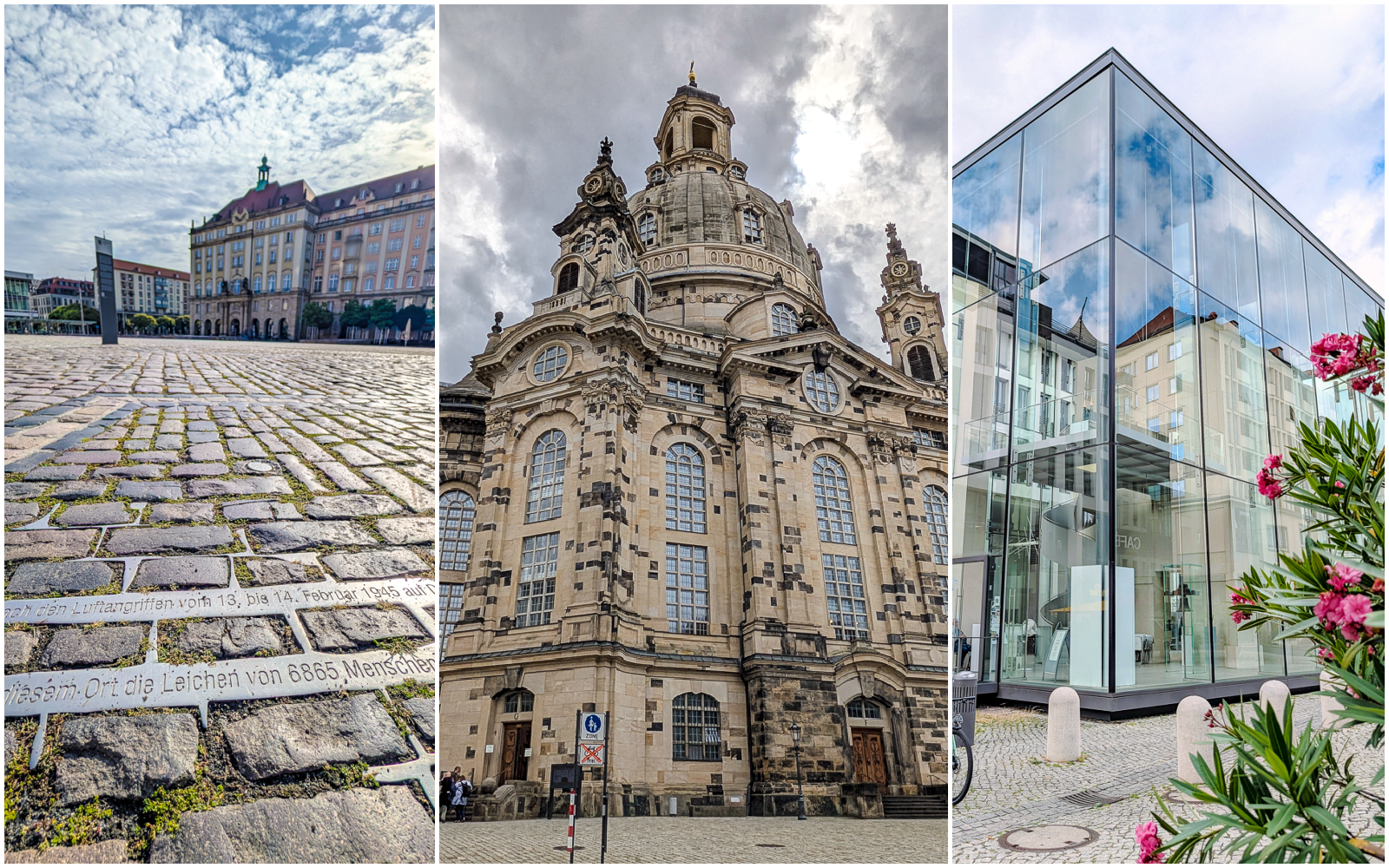
The memorial appears as a large all-glass building. Inside, there’s a small memorial exhibit on the history of the church, the bombing, and the aftermath. You’ll also be able to see some small recreations made from the rubble and some preserved artifacts down below.
Note: The exhibits are all in German and the staff speaks only German. The man in charge asked me if I spoke German, to which I answered ‘No.’ Then, he proceeded to give me a full tour of the place during which only one out of every 100 words he spoke was in English. So, that was a fun half hour, haha. I understood everything he was saying for the most part, but my brain has never worked so hard so fast to keep up. (I did appreciate his kindness and effort though!)
6. Altmarkt Memorial
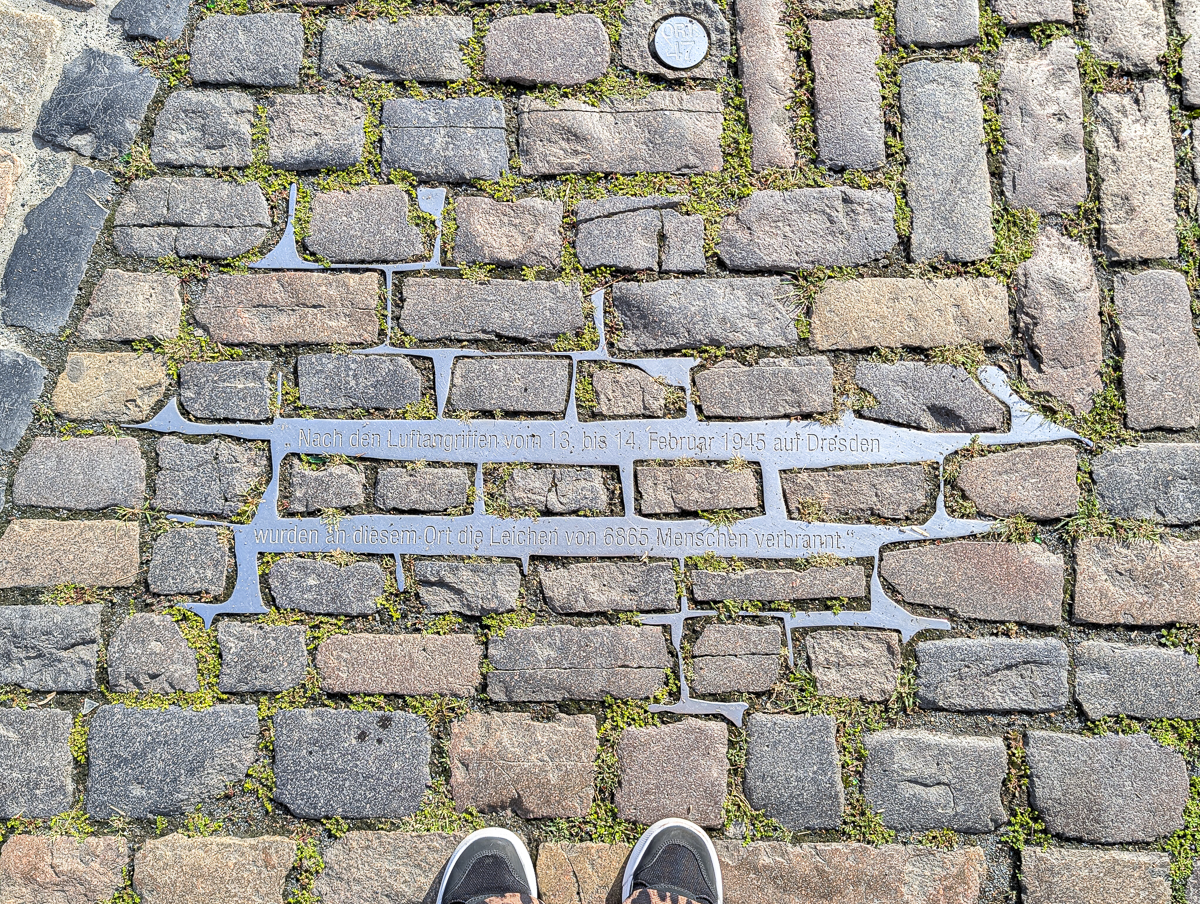
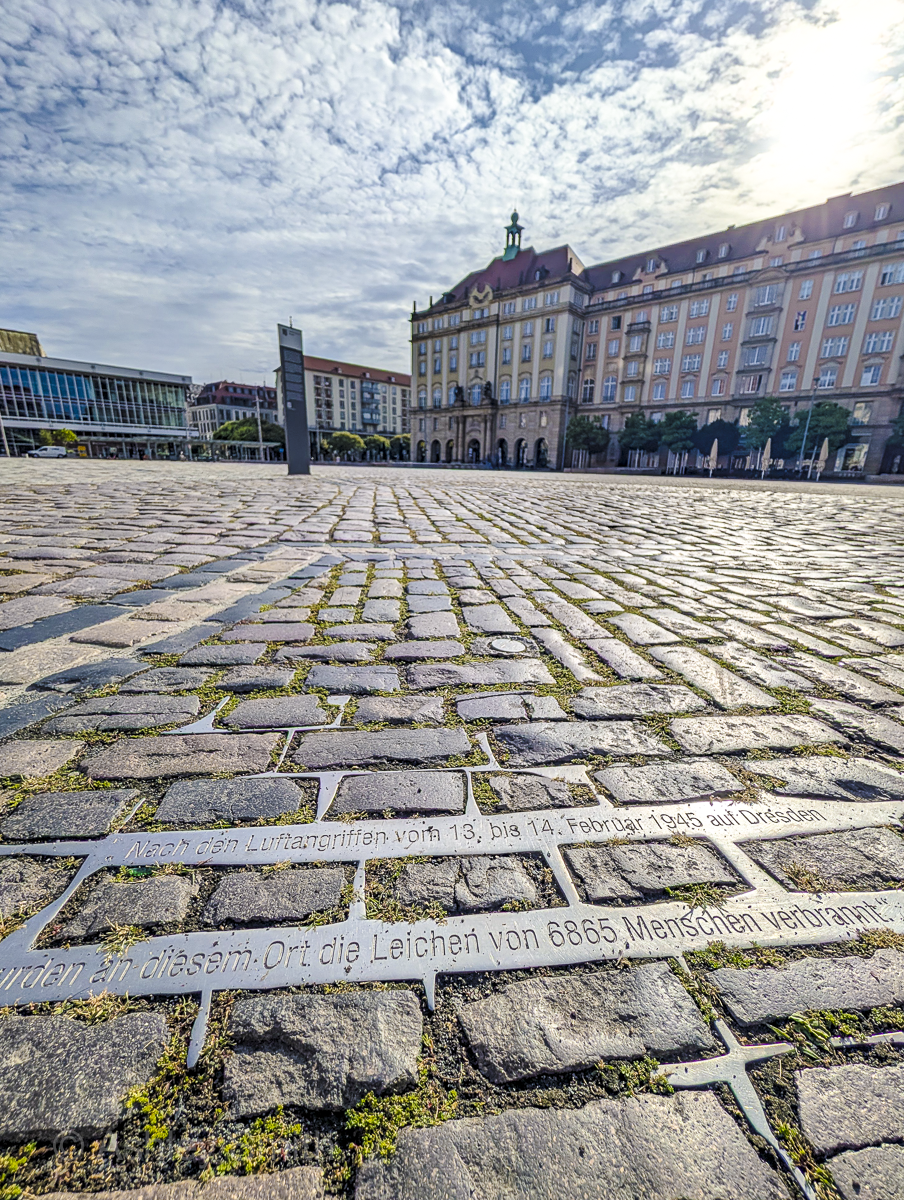
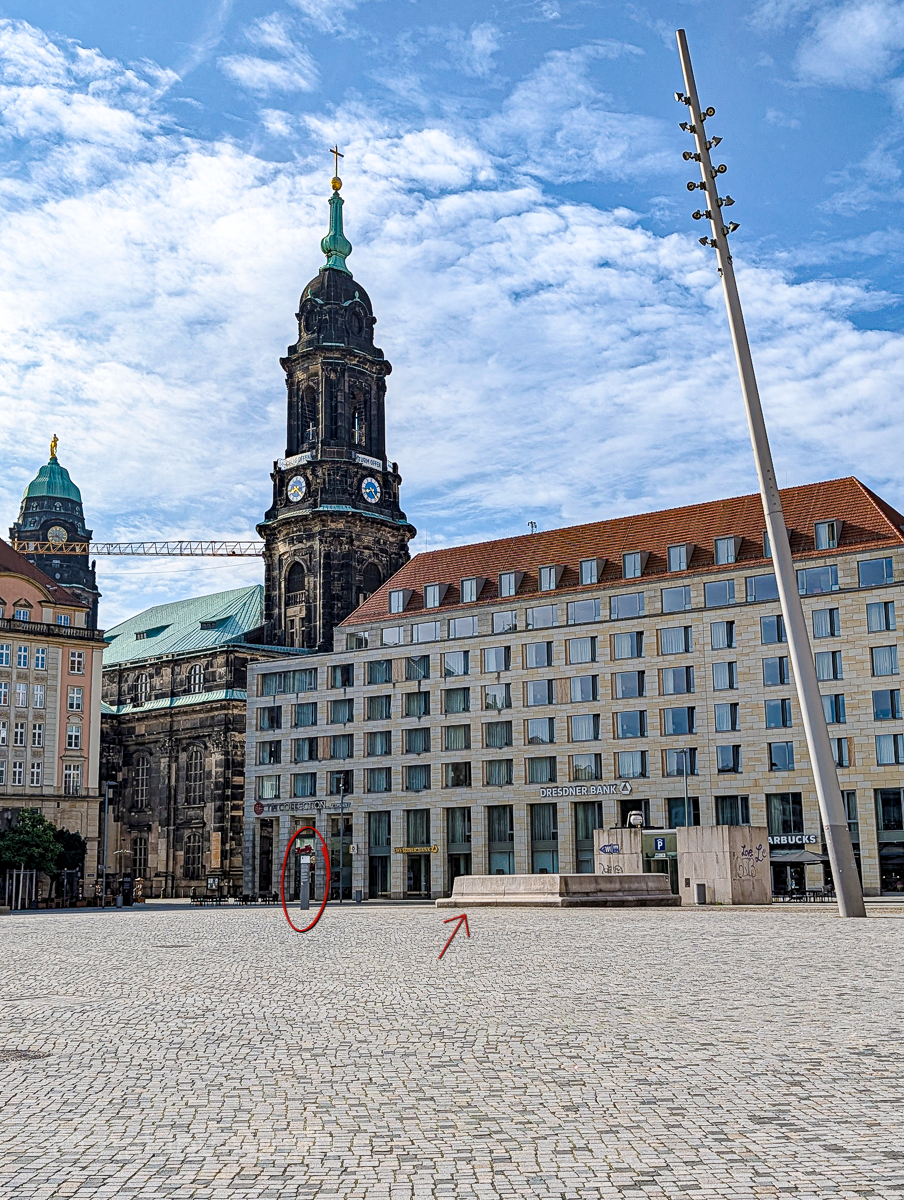
Following the bombing on February 13th, 1945, and continuing on into March, survivors piled up the bodies of 6,865 people here in the town’s Altmarkt (“Old Market Square”) for cremation. On the bombing’s 60th anniversary, the city added this (entirely too) subtle memorial to the cobblestones where this mass cremation took place. Also don’t miss the informational panel in the center.
Even with maps and reference photos, I still found it hard to locate this memorial. So, I’ve put its exact location on the map at the top of this post. You can find it on the northern side of the parking garage outlet that sits directly in front of the Dresdner Bank on the south edge of the square. Directly in front of the benches where people are usually sitting.
7. Heidefriedhof Cemetery memorials
Dresden’s Heidefriedhof Cemetery is where you’ll find the bulk of the city’s bombing memorials. It’s also the location of the “Memorial Grove” where the bodies of approximately 11,500 bombing victims were buried in mass graves. The ashes of those cremated at the Altmarkt are also interred here.
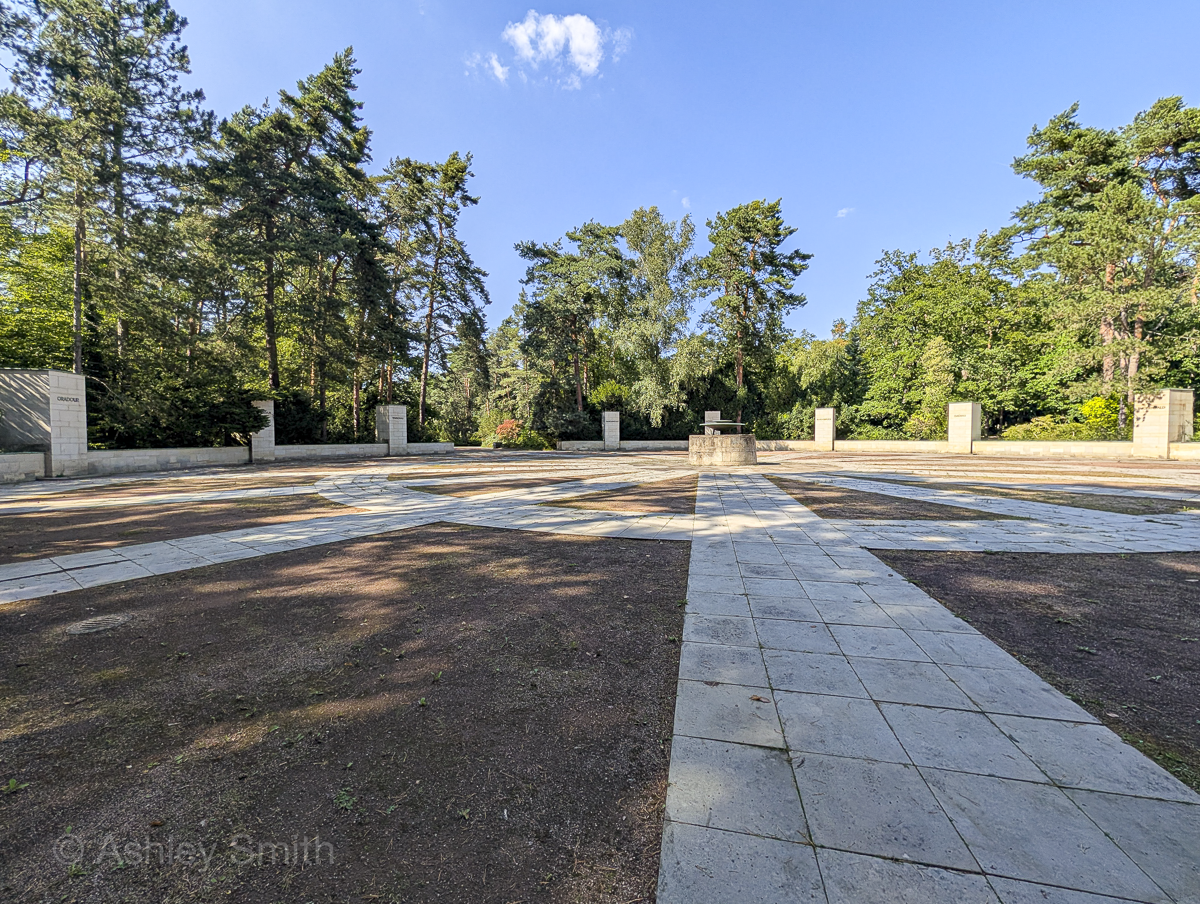
From the main entrance, walk straight all the way towards the back of the cemetery. Before you reach the end, turn right on the path that intersects the funeral home. Continuing down this path you’ll eventually reach a circular area with 14 pillars.
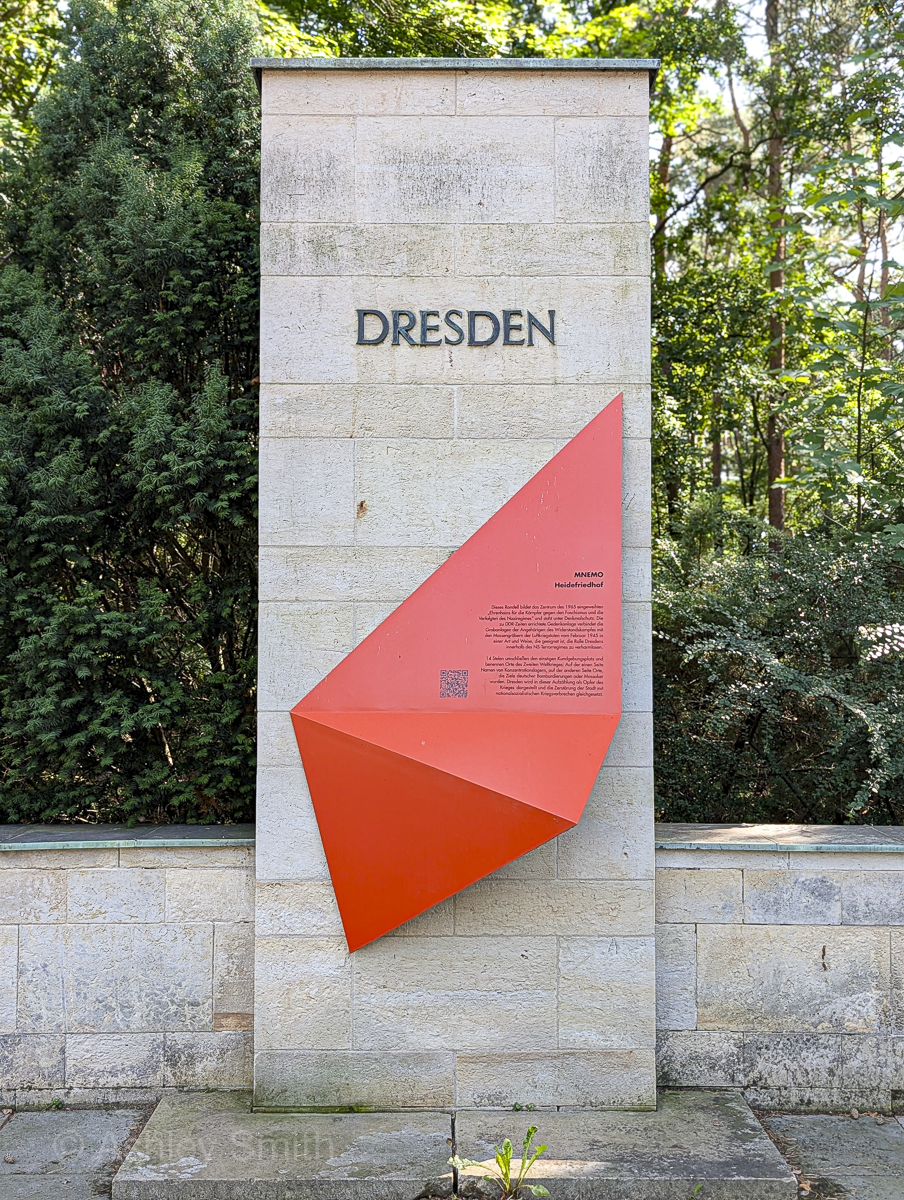
Half of these stelae contain the names of concentration camps like Theresienstadt, Sachsenhausen, and Dachau. The other half contains the names of places that were targets of Nazi violence like Lidice and Warsaw. As the red ‘Dresden’ stele explains, this memorial opened in 1964 during the communist GDR era and thus largely portrays Dresden as a victim and “downplays its role within the Nazi terror regime.”
8. Monument to Dresden Bombing Victims
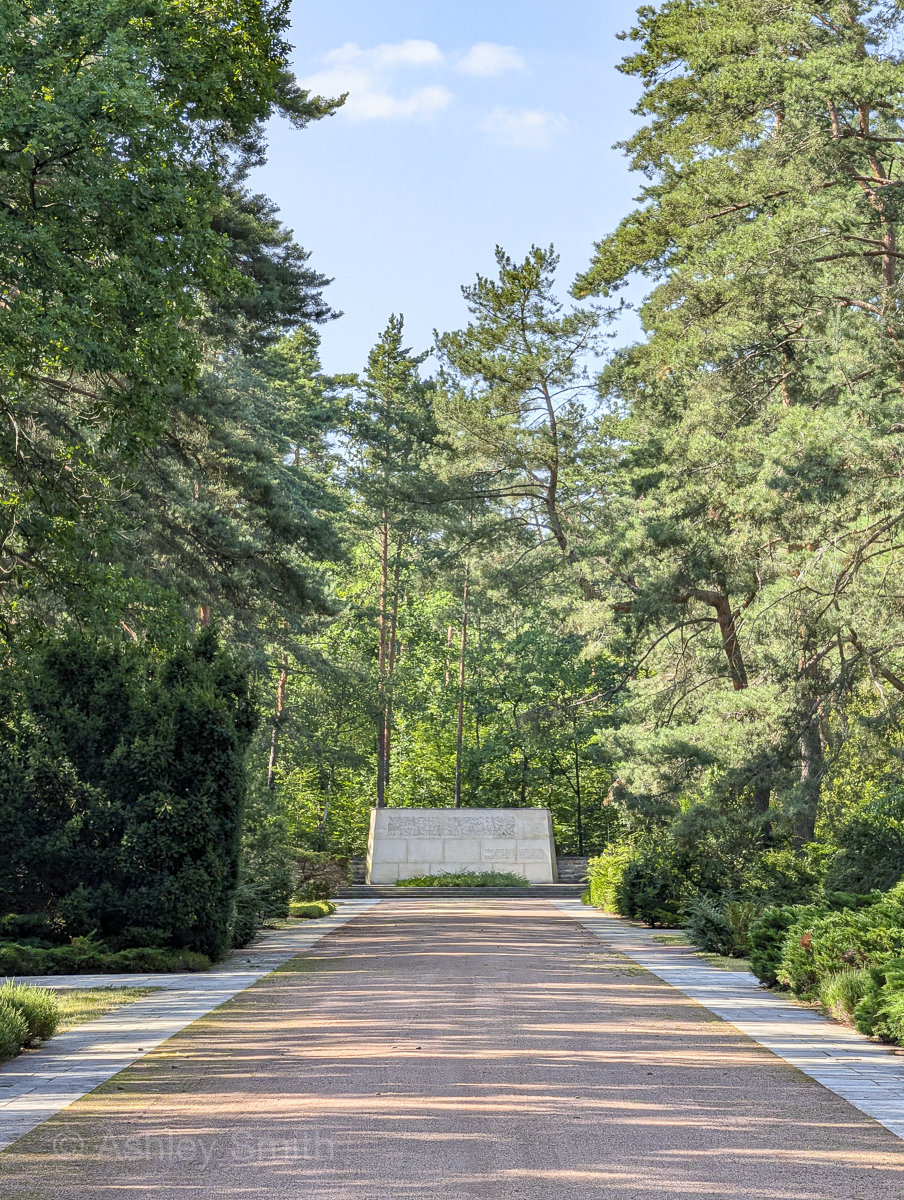
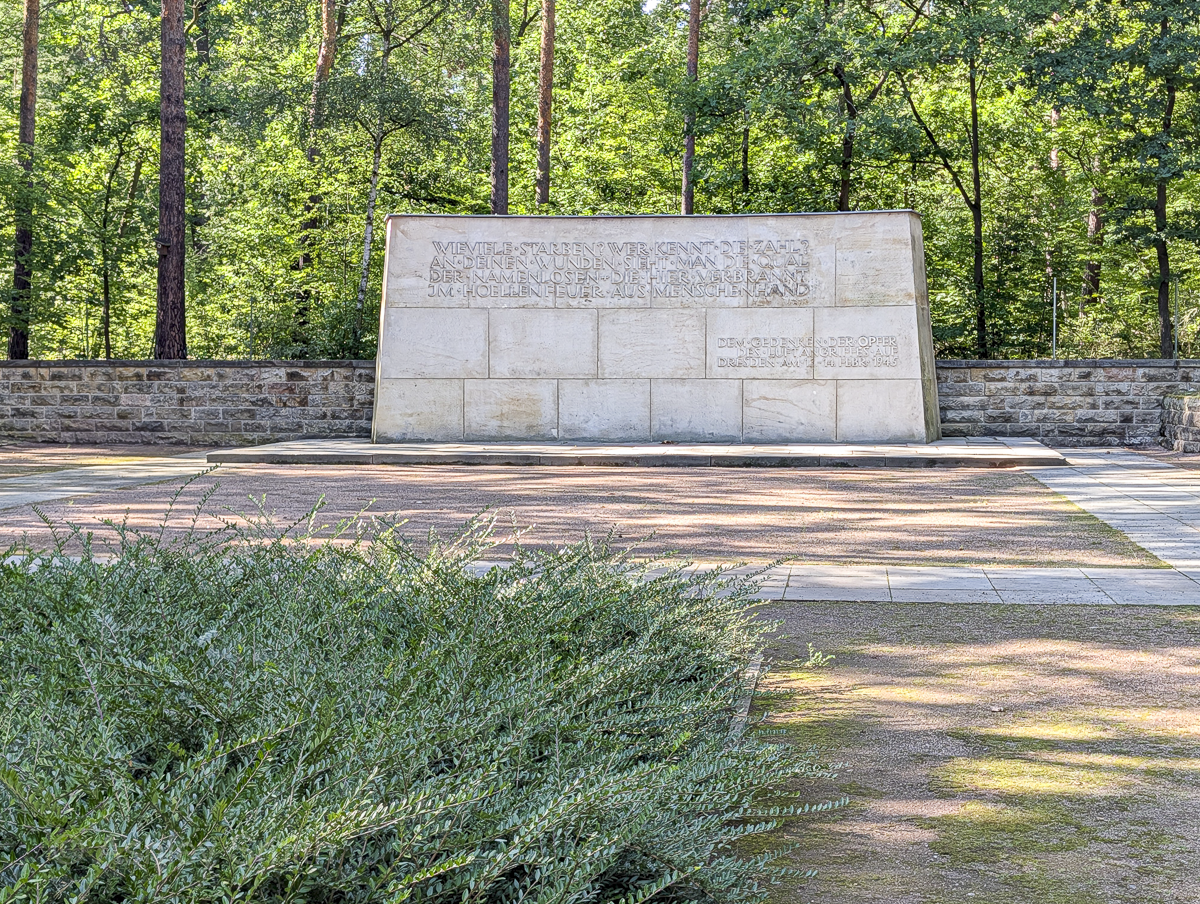
Continue down the main path and you’ll eventually end up at the Monument to Dresden Bombing Victims. This is the main area where the annual commemoration ceremonies take place. There’s an informational pillar, some memorial benches, and a large remembrance wall.
9. Sea of Tears
Back near the funeral home stands a memorial sculpture known as the Sea of Tears (Tränenmeer) which means to commemorate the victims of the 1945 bombing. It consists of a large black marble block with the bronze figure of a “grieving girl” standing on top over a water-collecting bowl
10. Soviet POW memorial
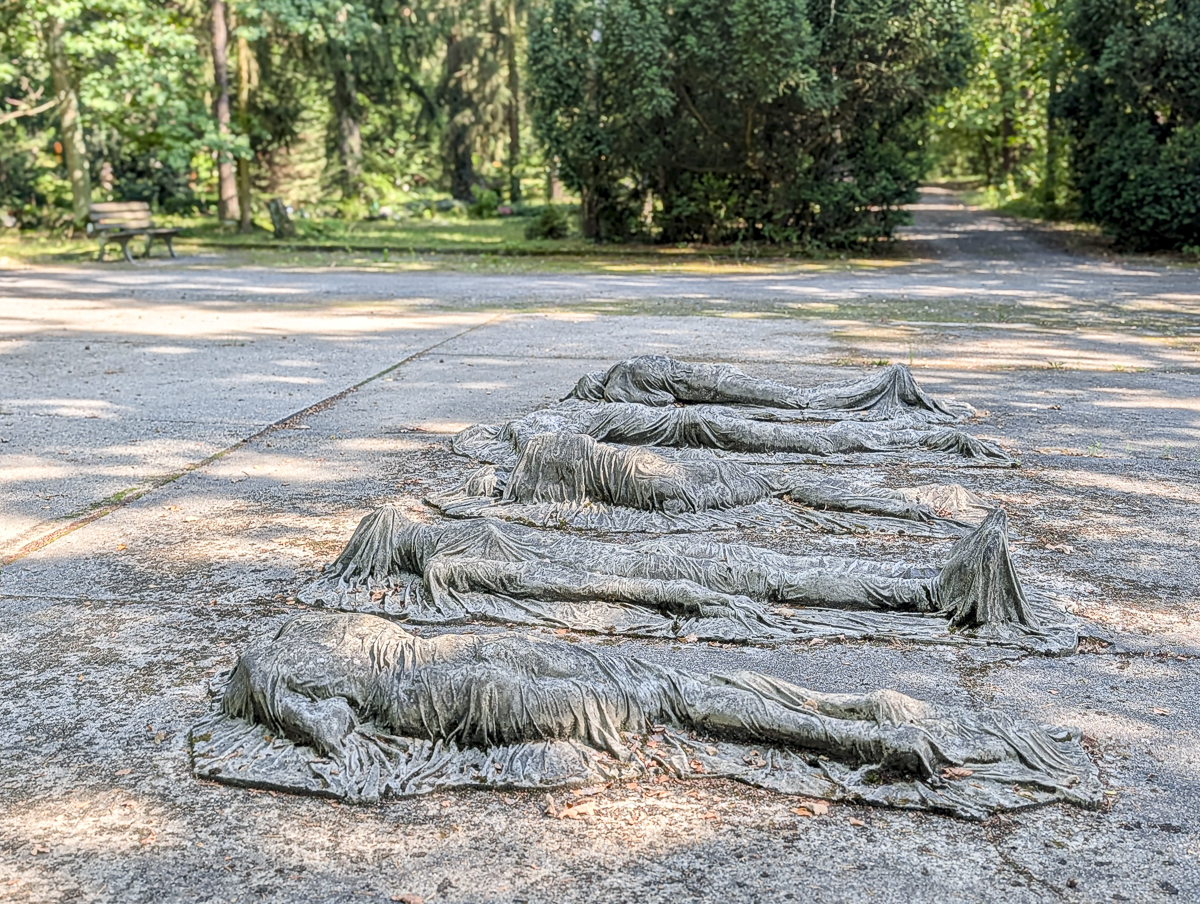
Following the path past the main remembrance wall and around a large curve, you’ll come to the memorial honoring the hundreds of POWs and forced laborers from the Soviet Union who died in Dresden. This memorial consists of two flat memorial stones and five sculptures that resemble bodies lying on the ground covered in sheets. (It’s quite the disturbing thing to come across while wandering a cemetery alone, which I imagine is the point.)
11. Trümmerfrau (“Rubble Woman”)
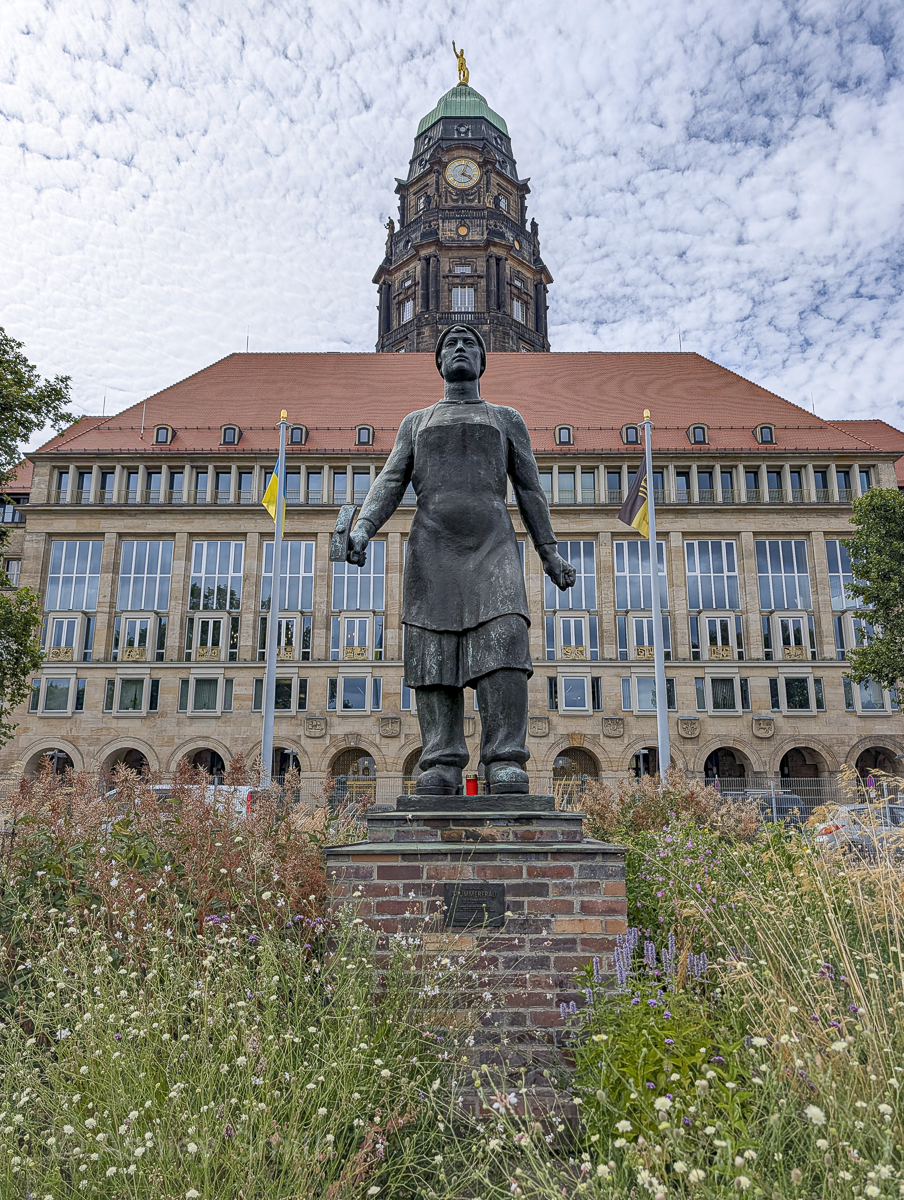
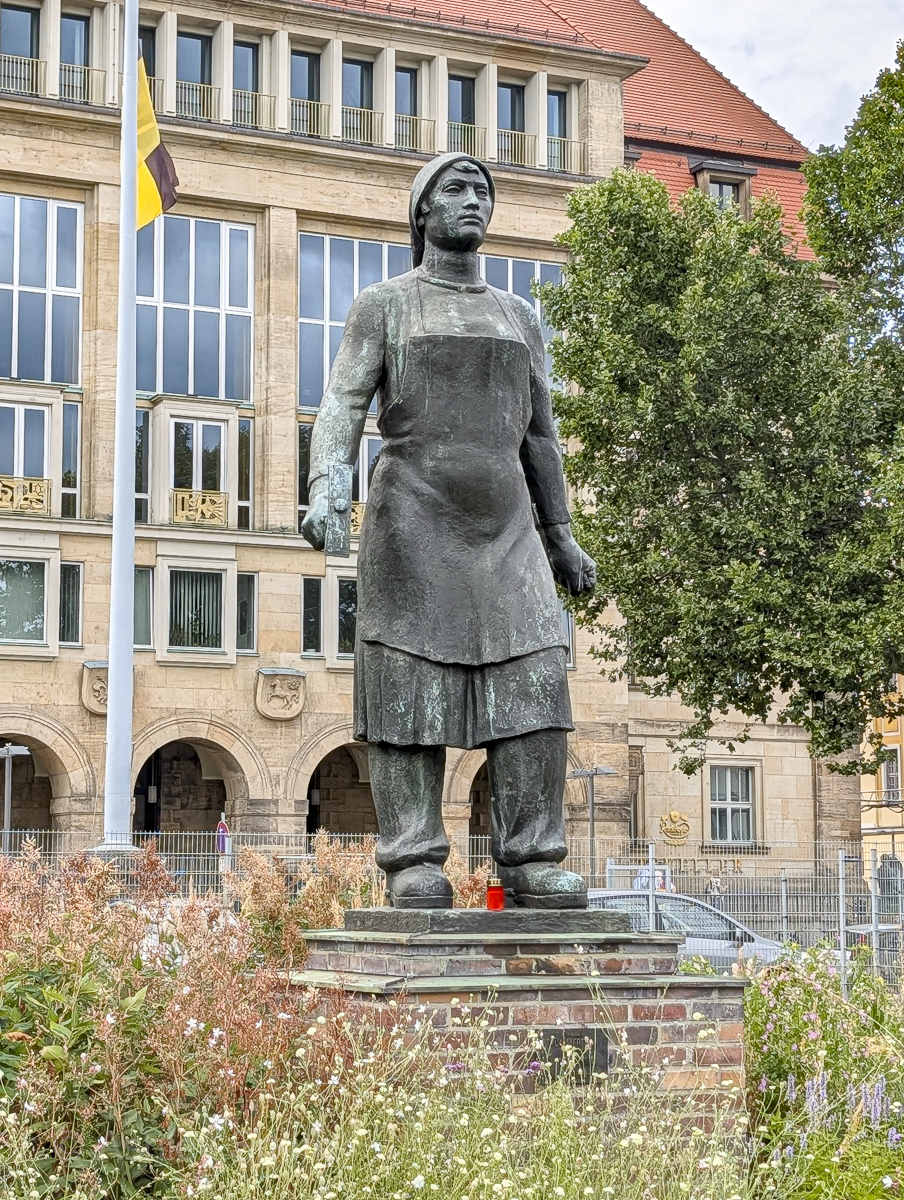
Back in the city, in front of Dresden’s New Town Hall (Neues Rathaus), stands a large bronze sculpture of a woman. This is the Trümmerfrau or “Rubble Woman.” She represents the more than 500 women tasked with clearing the city’s rubble at the end of the war.
At this point, forced labor was no longer an option and the city now lacked a viable male population. (Some sources say there were now seven million more women in Germany than there were men.) Some of these women “volunteered” in exchange for food and other necessities; others were ordered or threatened.
Another product of the GDR era, this statue (and the concept of Trümmerfrau in general) aimed to transform the idea of manual state labor as penance into something selfless and admirable. The Soviet postwar East German media sought to portray these women as role models (which is why this particular woman comes off as healthy, strong, and proud).
Beyond simply wanting to control the narrative, this was also to encourage women to participate in traditionally male-dominated fields, now that most German cities lacked men for labor. It wasn’t: “We desperately need you for our socialist agenda!” It was now: “You’re now free to do the work that men usually do! Yay! Girl power!” (I tell you this to remind you to always consider the source when exploring historical sites.)
12. Semper Synagogue Memorial
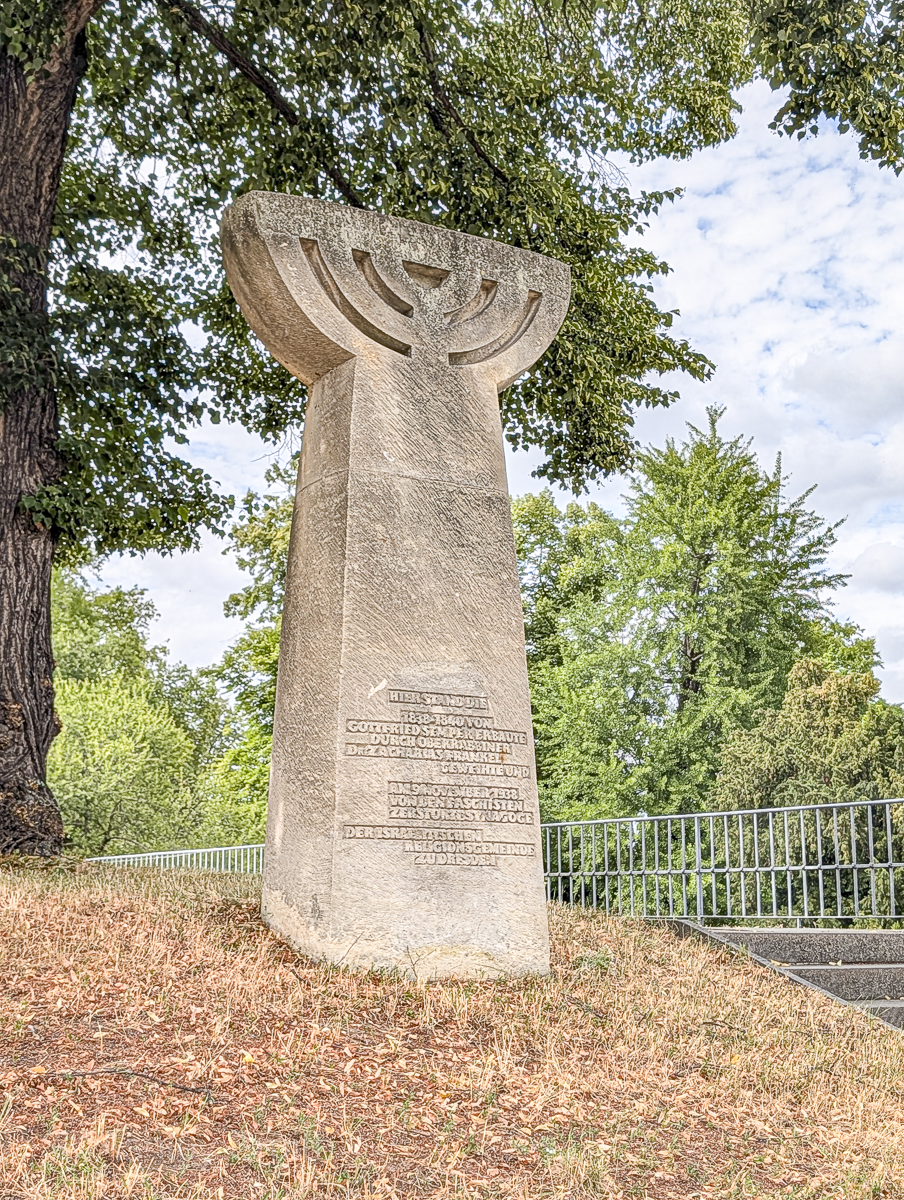
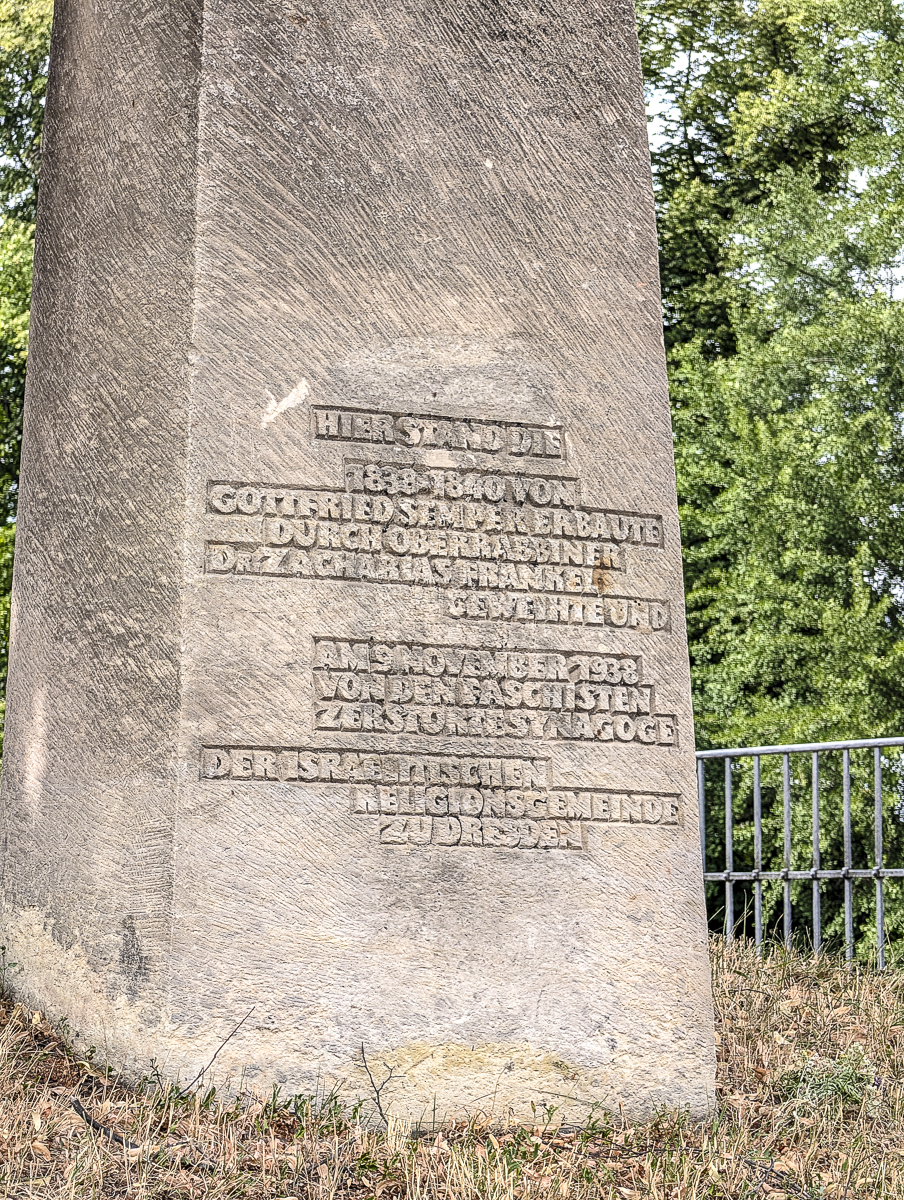
A short walk from the Rubble Woman is the former location of Dresden’s Semper Synagogue. Like many others, this one was also destroyed by Nazis on the night of 9 November, 1938 (“Kristallnacht”).
Today all that remains is a large stone memorial in the shape of a menorah. The city’s New Synagogue was rebuilt just up the street and inaugurated in 2001.
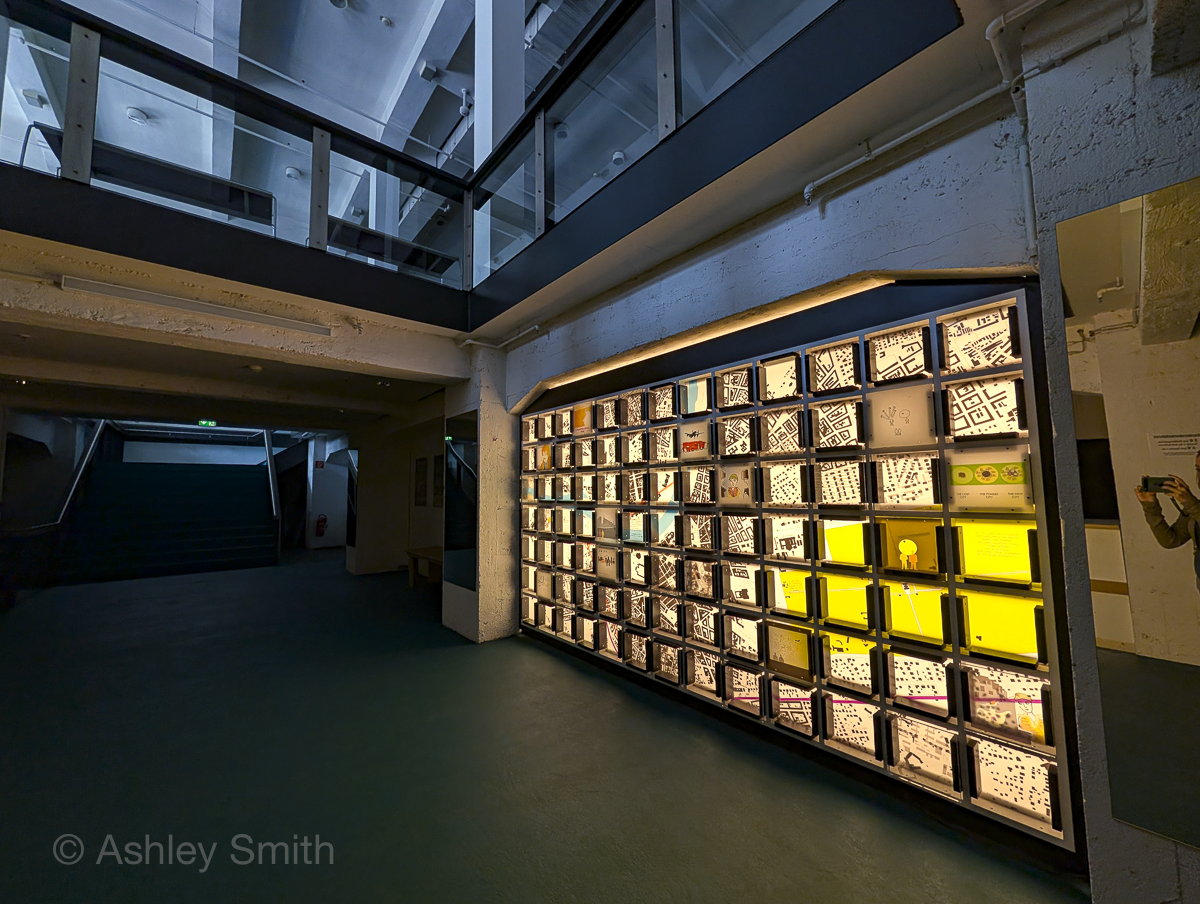
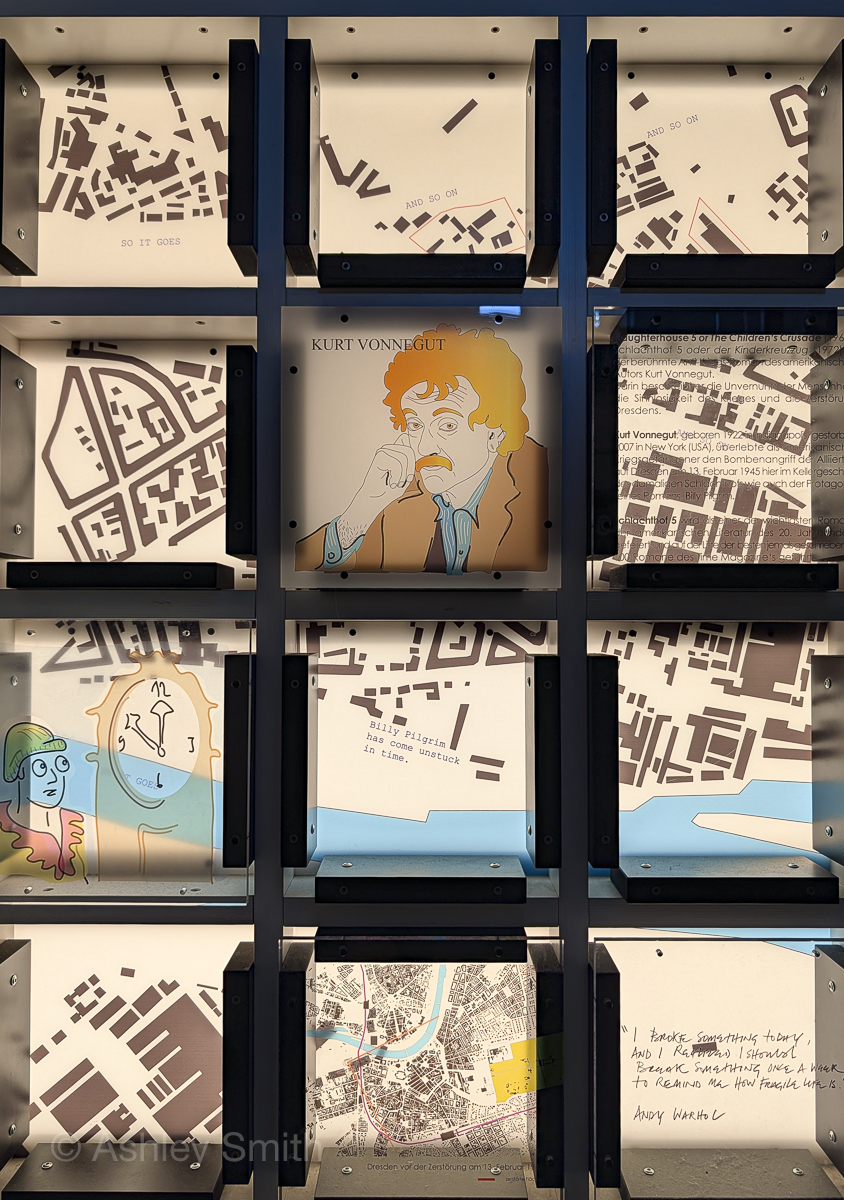
13. Vonnegut Memorial Wall
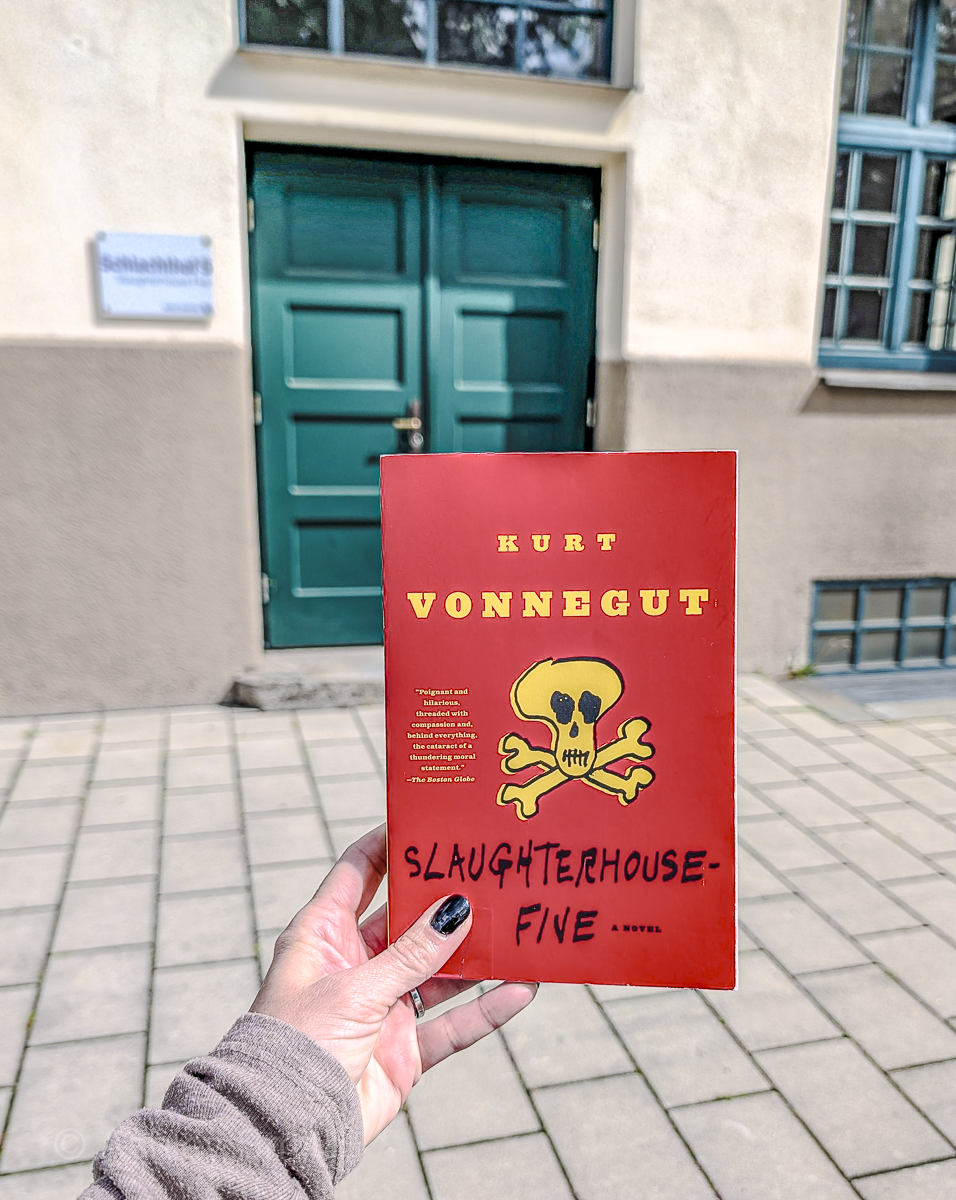
In 1969, author and WWII veteran Kurt Vonnegut published the anti-war novel Slaughterhouse Five and it has remained a popular classic ever since. It’s also one of my personal favorites. For more on this book if you’re not familiar with it, see this page or pick up a copy here.
Shockingly, the slaughterhouse where Vonnegut and others survived the Dresden bombing still stands, though it’s no longer a slaughterhouse. Instead, it’s been preserved as a memorial to Vonnegut’s novel and to the anti-war sentiment in general. As part of the larger Messe Dresden exhibition and convention complex, however, it’s not open to the public. But, there is one way you can get in to see it.
This city has given the keys to the Vonnegut memorial to one man and his name is Danilo Hommel. Thankfully, Danilo is a tour guide and offers tours around Dresden that include visits to the original Slaughterhouse #5 and memorial space. (Slaughterhouse Five is extremely well-known in the U.S., but almost no Germans have ever heard of it. So, this is the one and only tour that exists on this topic.) Tour information here: Nightwalk Dresden.

14. Münchner Platz Memorials
While visiting the Münchner Platz museum discussed above, definitely stopped to check out the memorials here too.
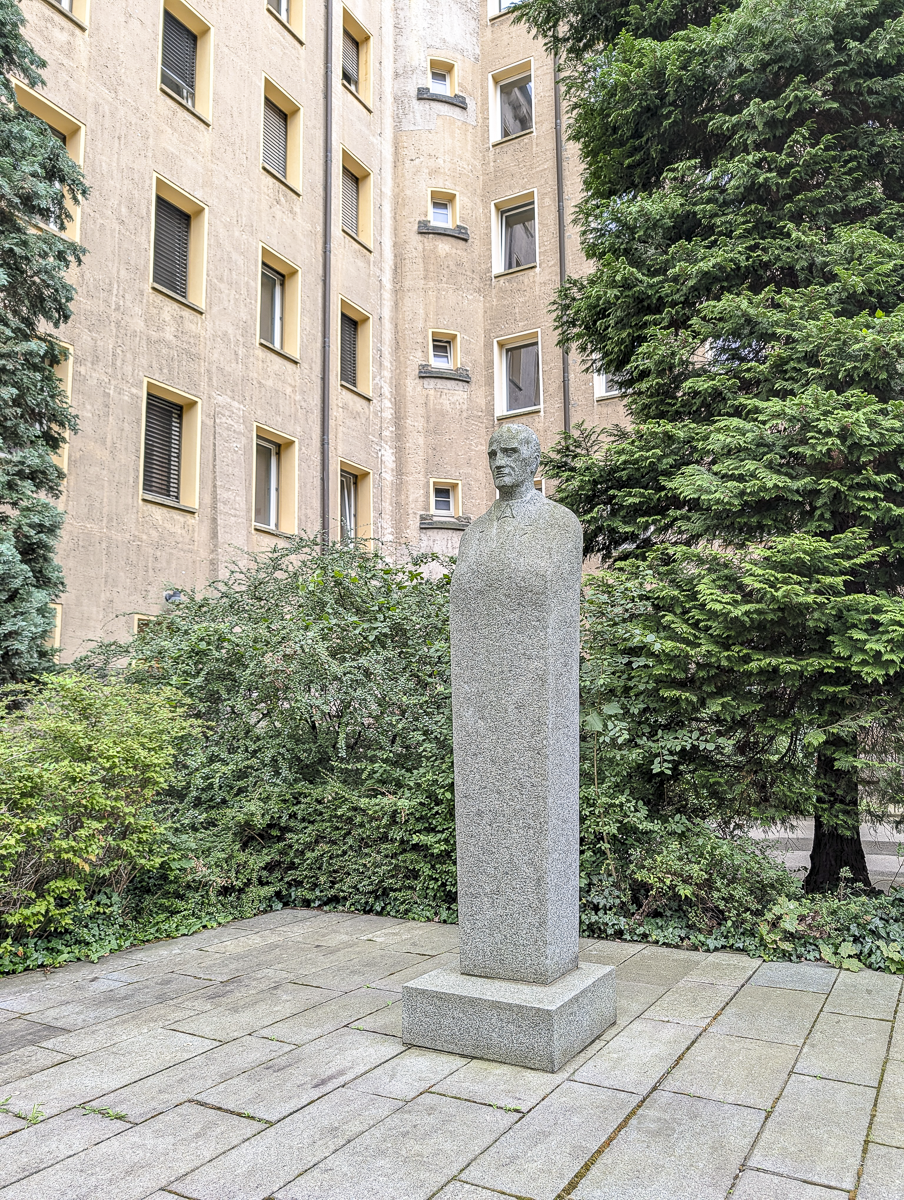
Georg Schumann Stele – Outside the entrance where you’ll find the maps is this memorial pillar featuring a bust of Georg Schumann. Schumann was a prominent resistance fighter who was arrested by the Gestapo in 1944, tortured, and ultimately executed here at the Münchner Platz.
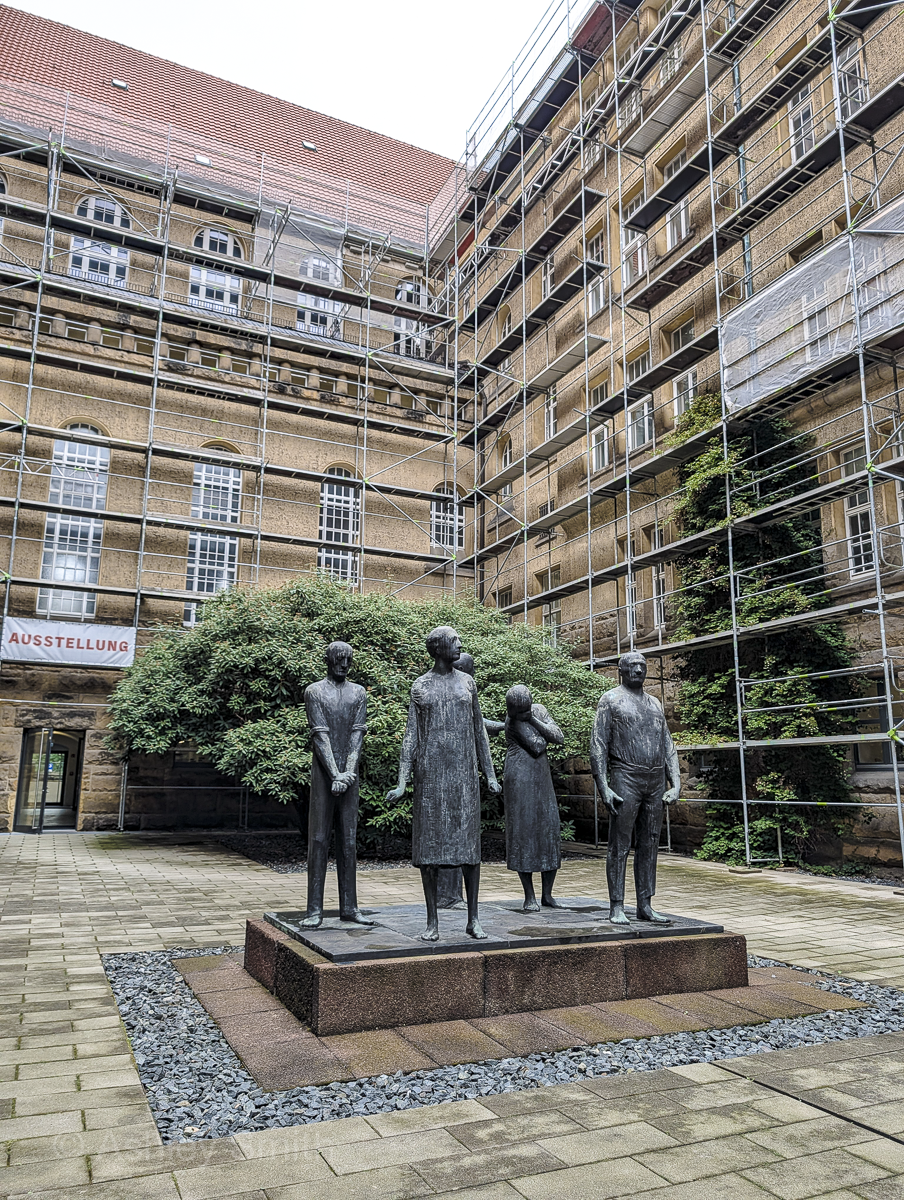
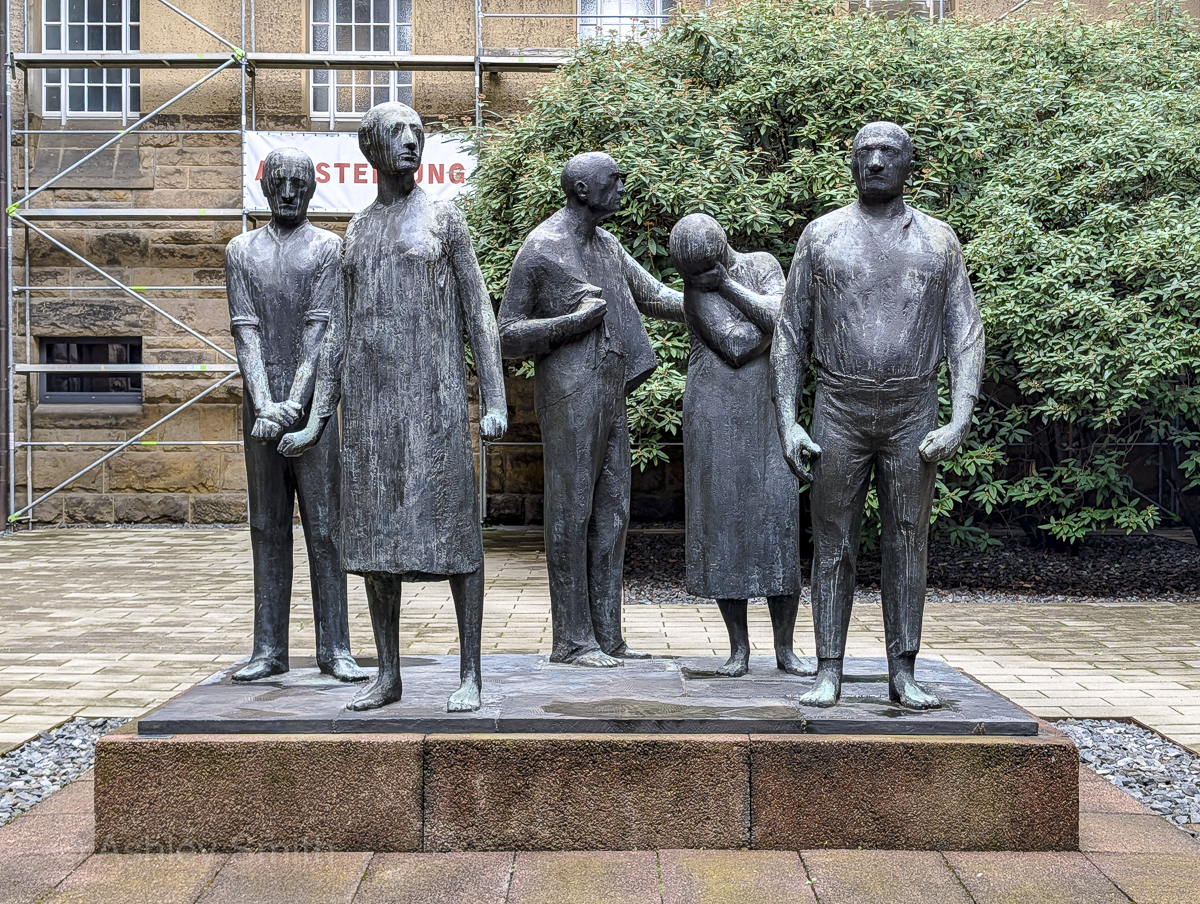
Resistance Fighters – Within the building’s courtyard is a larger memorial known as “Resistance Fighters.” It features sculptures of two women and three men portraying the many emotions of those who faced executions here. In their faces you’ll see sadness and fear but also strength and resilience.
15. Stumbling Stones around Dresden
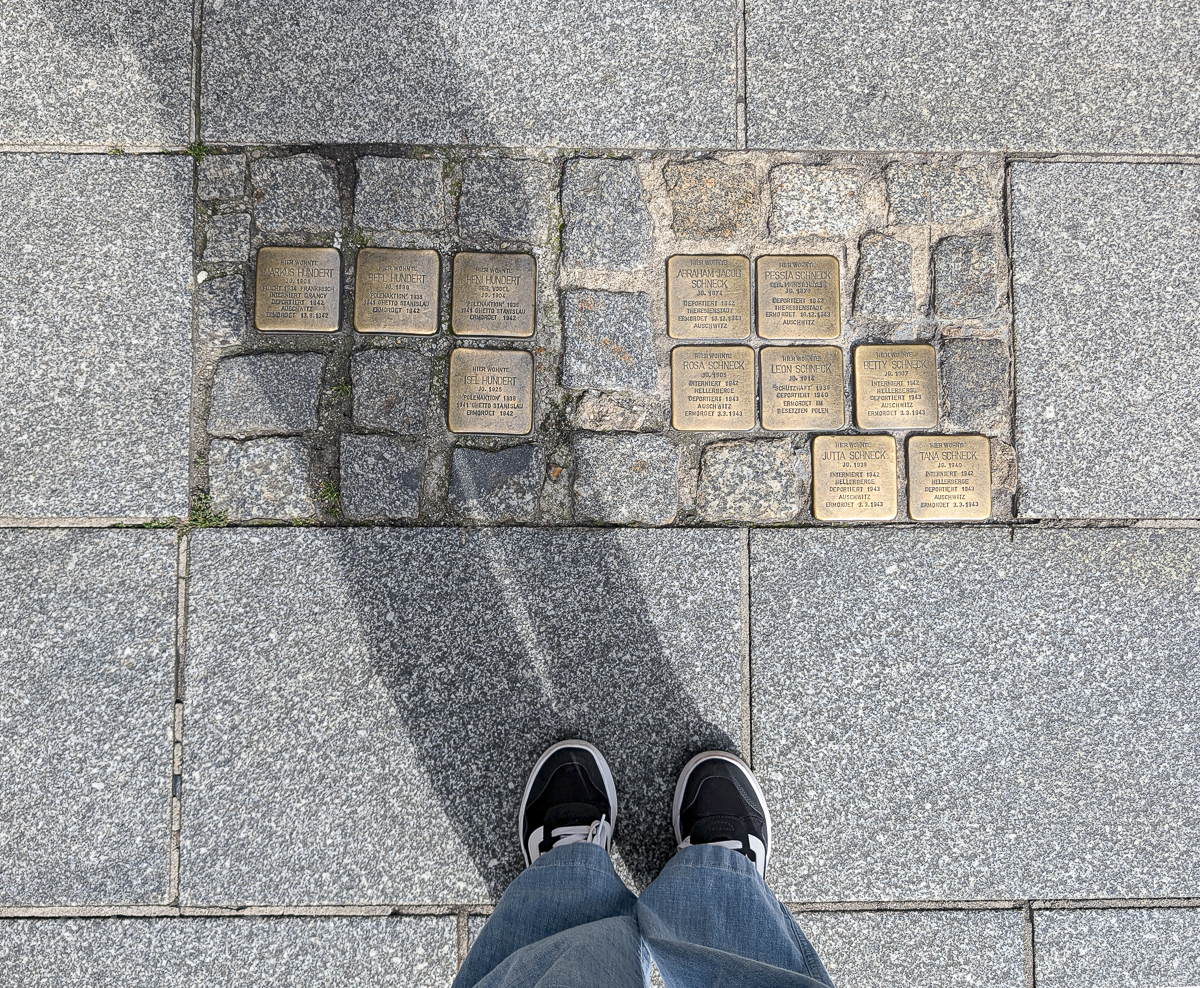
Like in most other cities in Germany (and beyond), you can find stumbling stones scattered around Dresden. These small brass cobblestones are found in the ground outside a Holocaust victim’s last known residence (or other such place where they last felt free). They typically contain the person’s name, birthdate, and their fate and death date (if known).
I’ve marked a few of them on the map, but you can find the full list of Dresden stumbling stones along with personal biographies here.
For much more on the topic of Stolpersteine check out my guide to Europe’s stumbling stones here.
16. Red Army Memorial
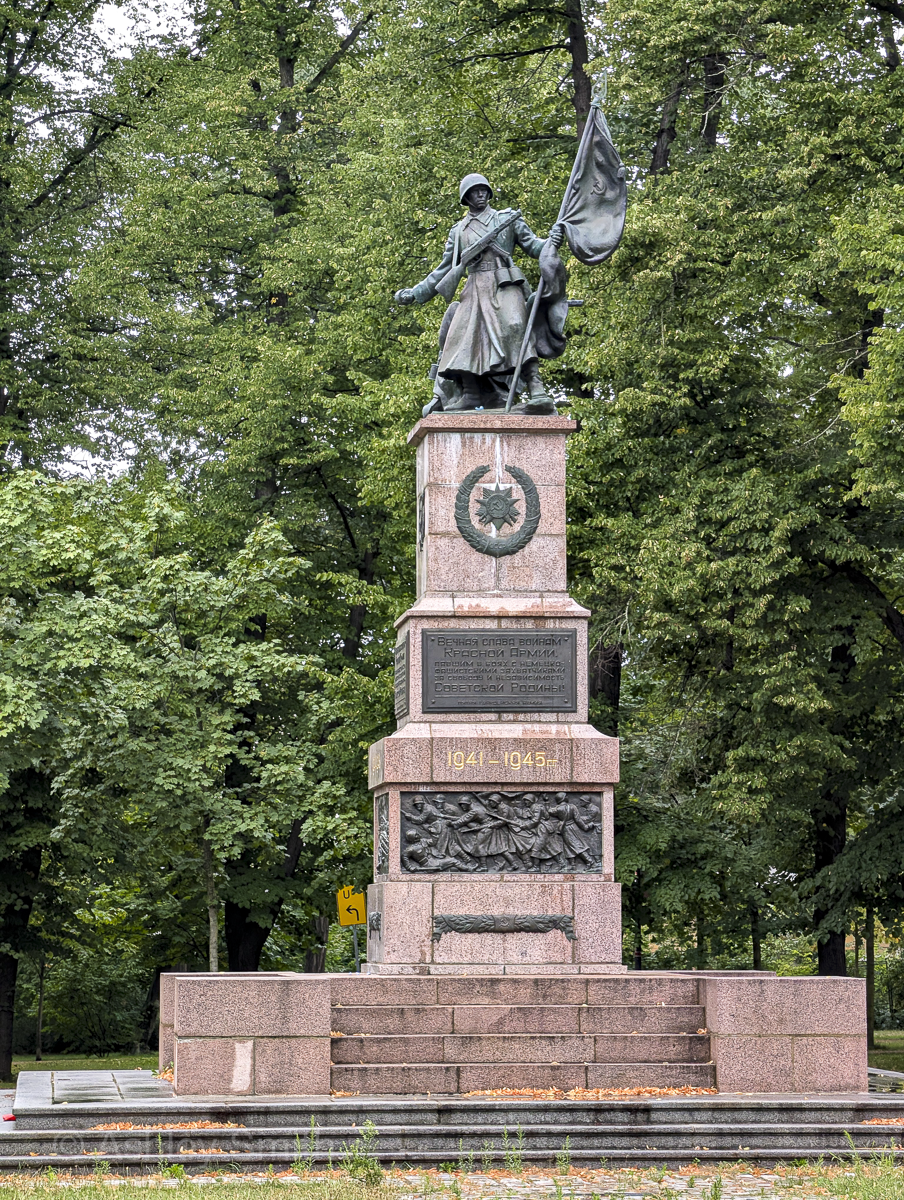
Across the street from the entrance to the Military History Museum is this monument dedicated to the Soviet Red Army, the first such memorial to be erected in Germany in fact. Unsurprisingly, the monument was commissioned by the Soviet Union itself in 1945 and originally erected in what was then known as “Red Army Square” (today: Albert Square). It was moved to its current location in 1994.
Other WWII sites in Dresden
Here are a few more relevant Dresden WWII sites worth visiting if you have the time and energy:
17. Frauenkirche
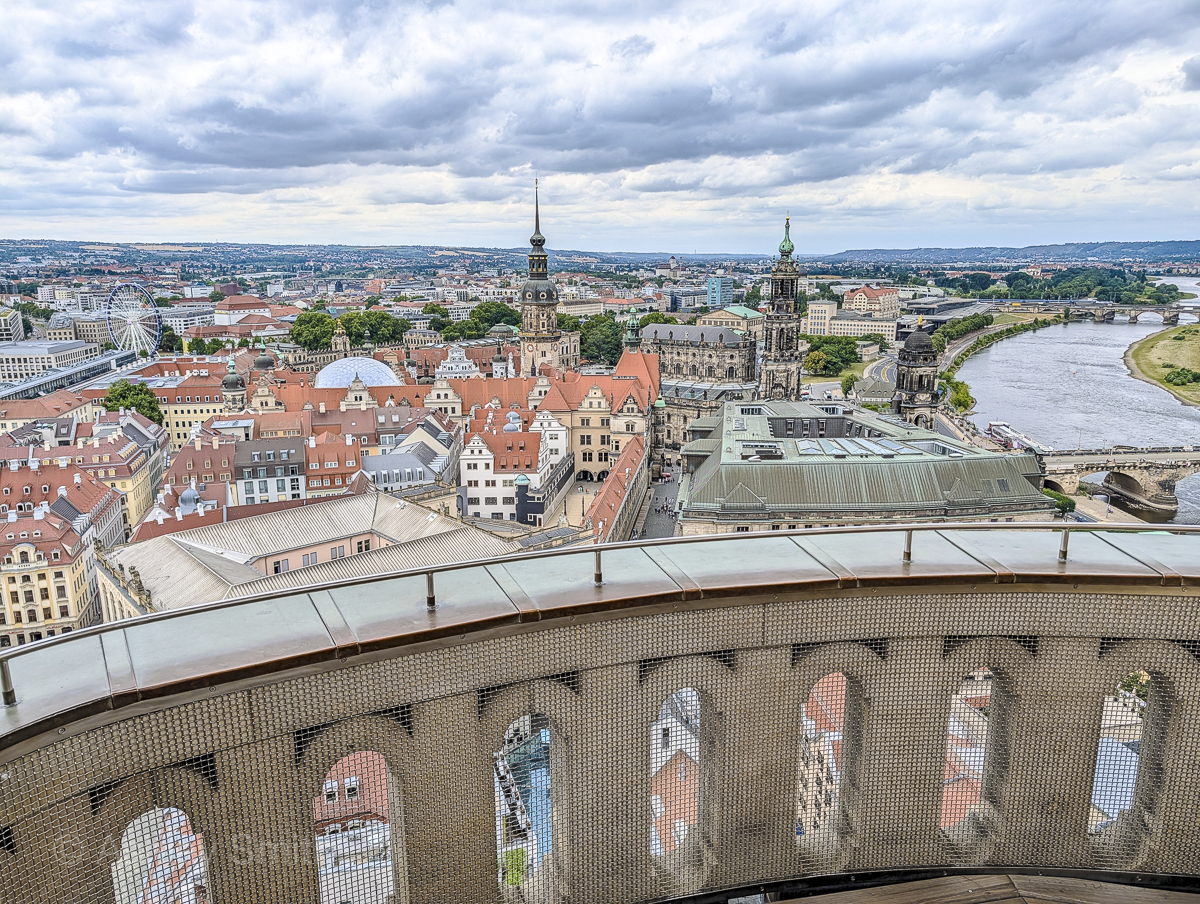
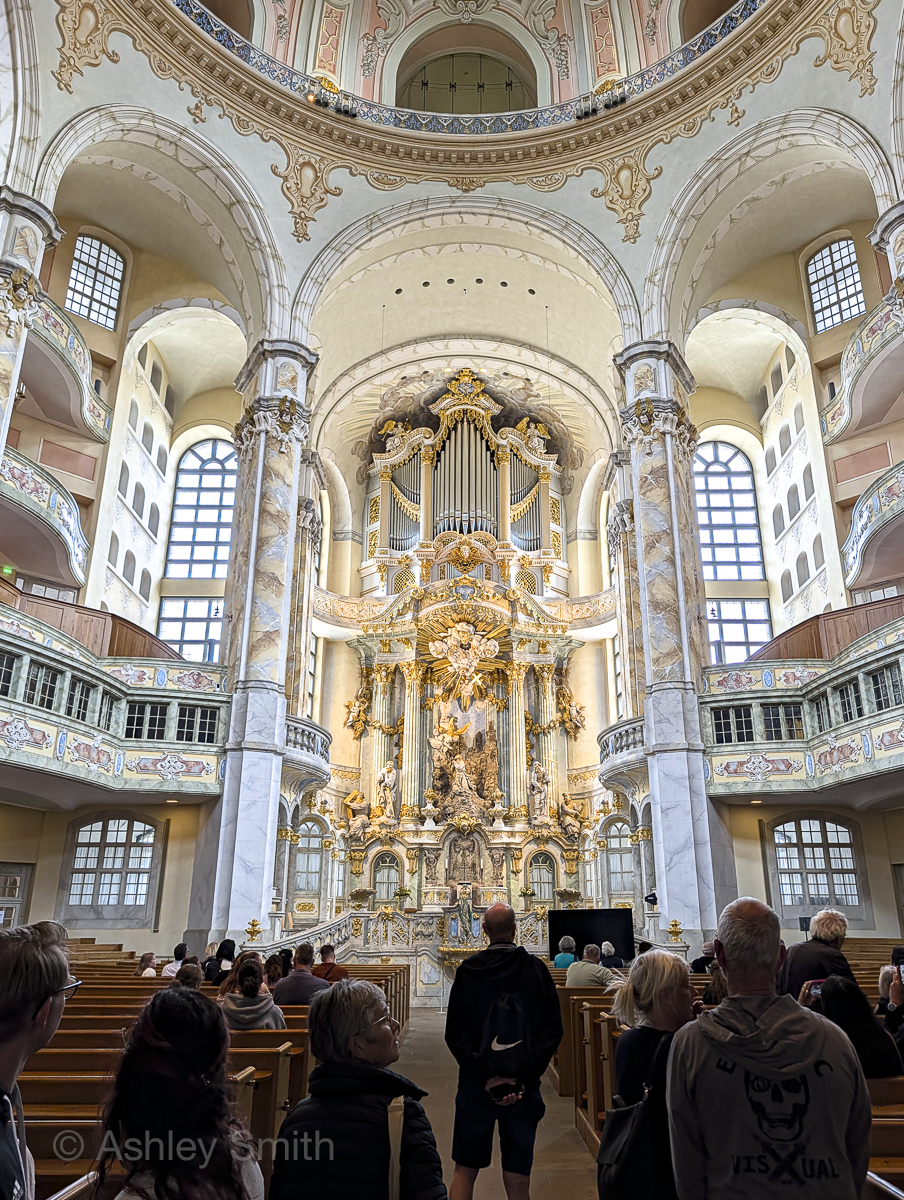
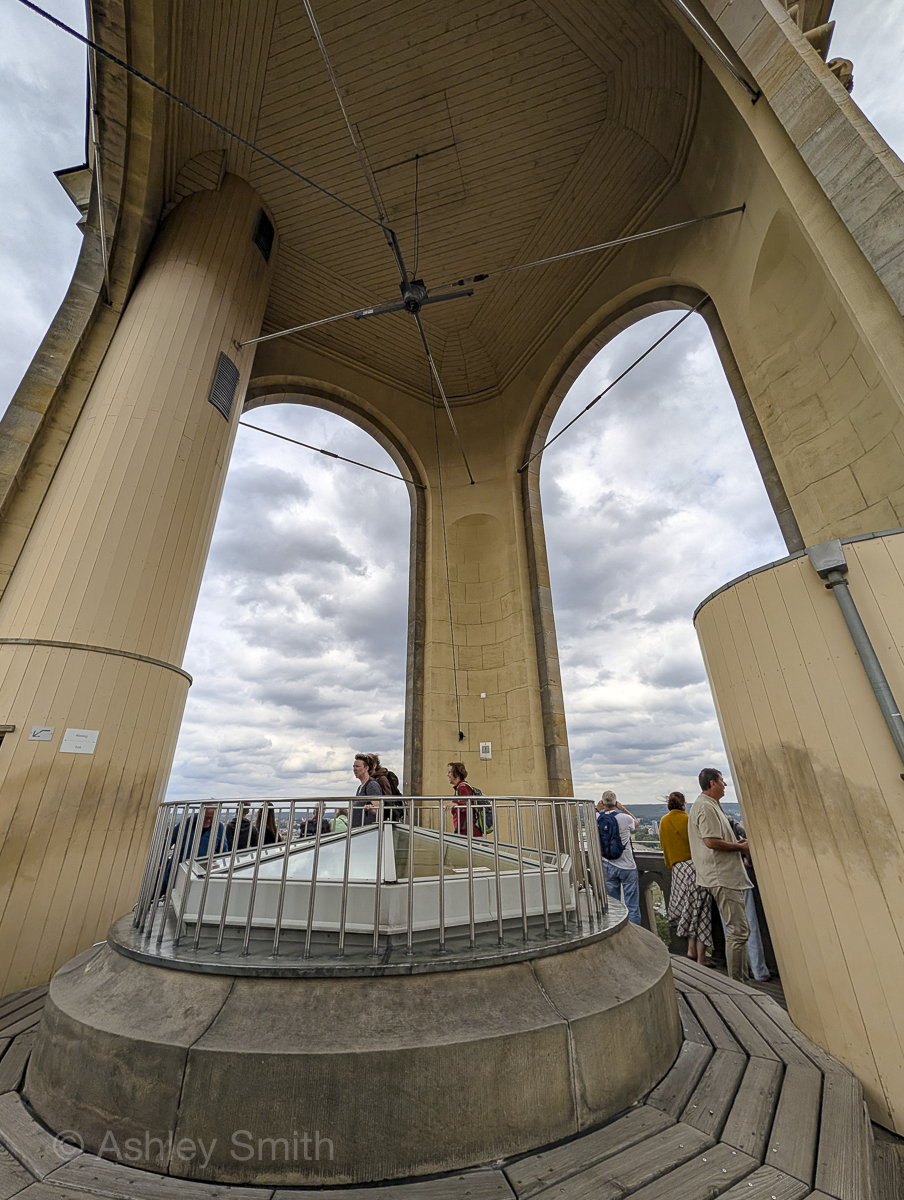
The symbol of the city, the destroyed Frauenkirche, was finally rebuilt and reopened in 2005. Other than the aesthetic dissimilarities on the exterior, there are few reminders of the catastrophic events. Still, you should definitely visit it and climb up to the top of the dome.
The interior is beautiful and bright and the views from the top are unbeatable. I’ll admit I got quite emotional looking out over the city and imagining the events of February 1945. Visitor information here. And you can even book some great guided tours.
18. Piece of the original church dome
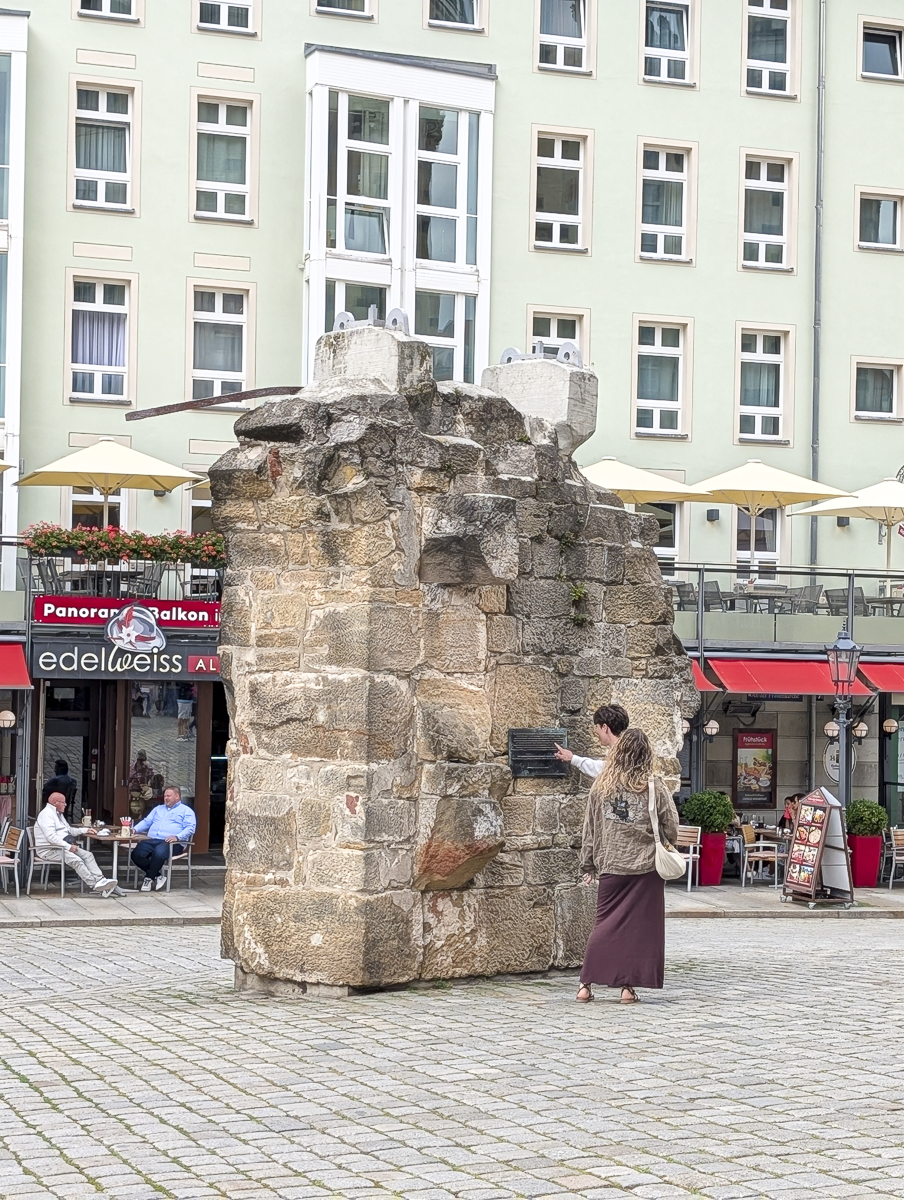
Outside on the northern side of the Frauenkirche you’ll be able to see one of the largest remnants of the bombing—a large chunk of the original church dome. On it is a plaque containing a quote from the city’s Church Inspector describing the collapse of the dome after the bombing.
19. Former cigarette factory/labor camp
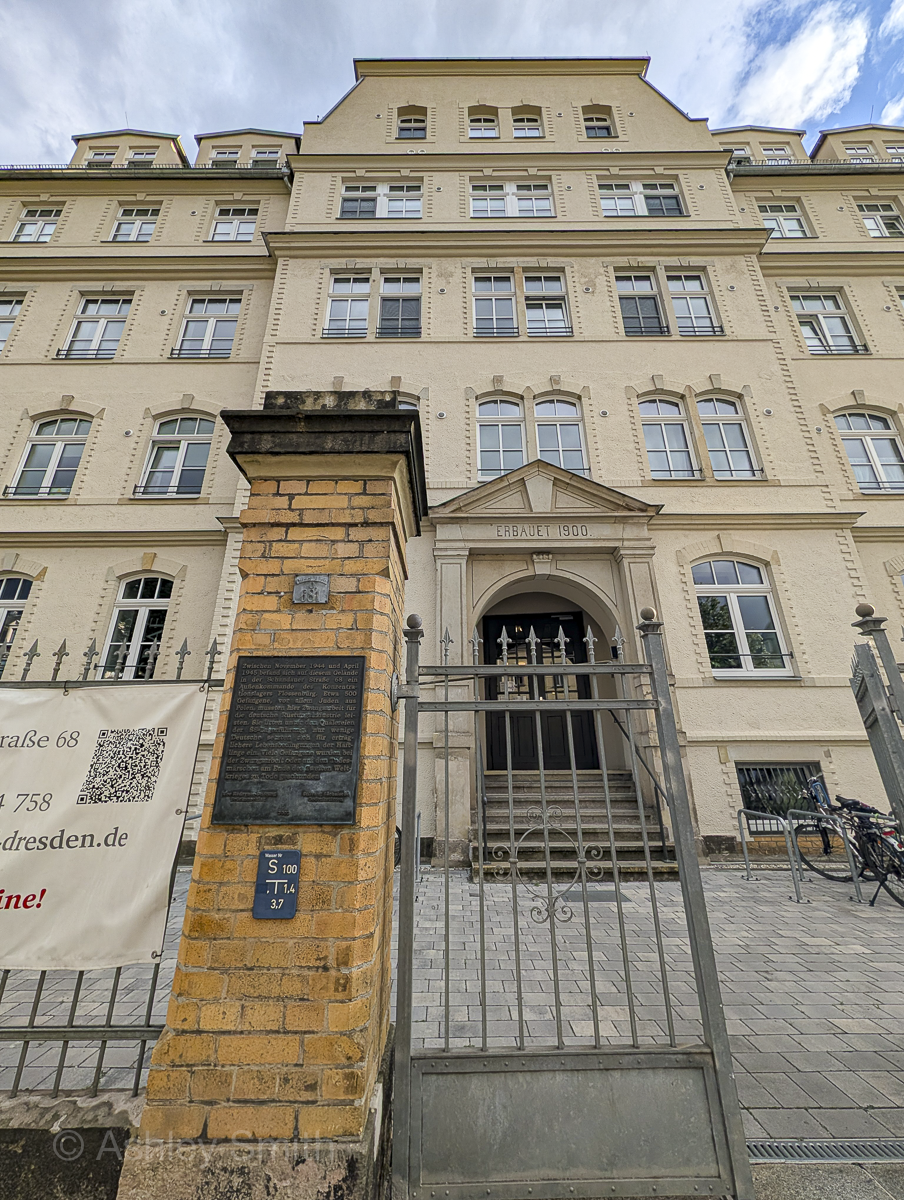
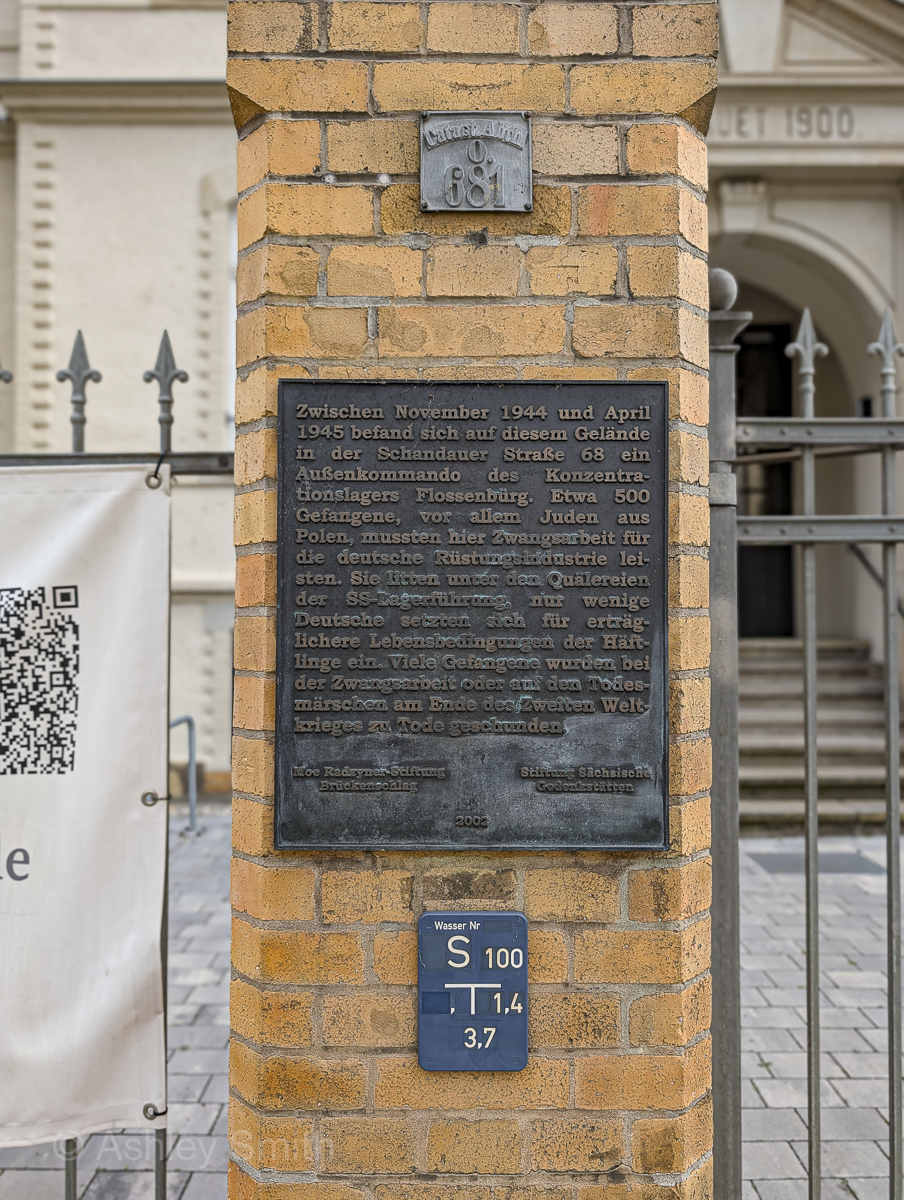
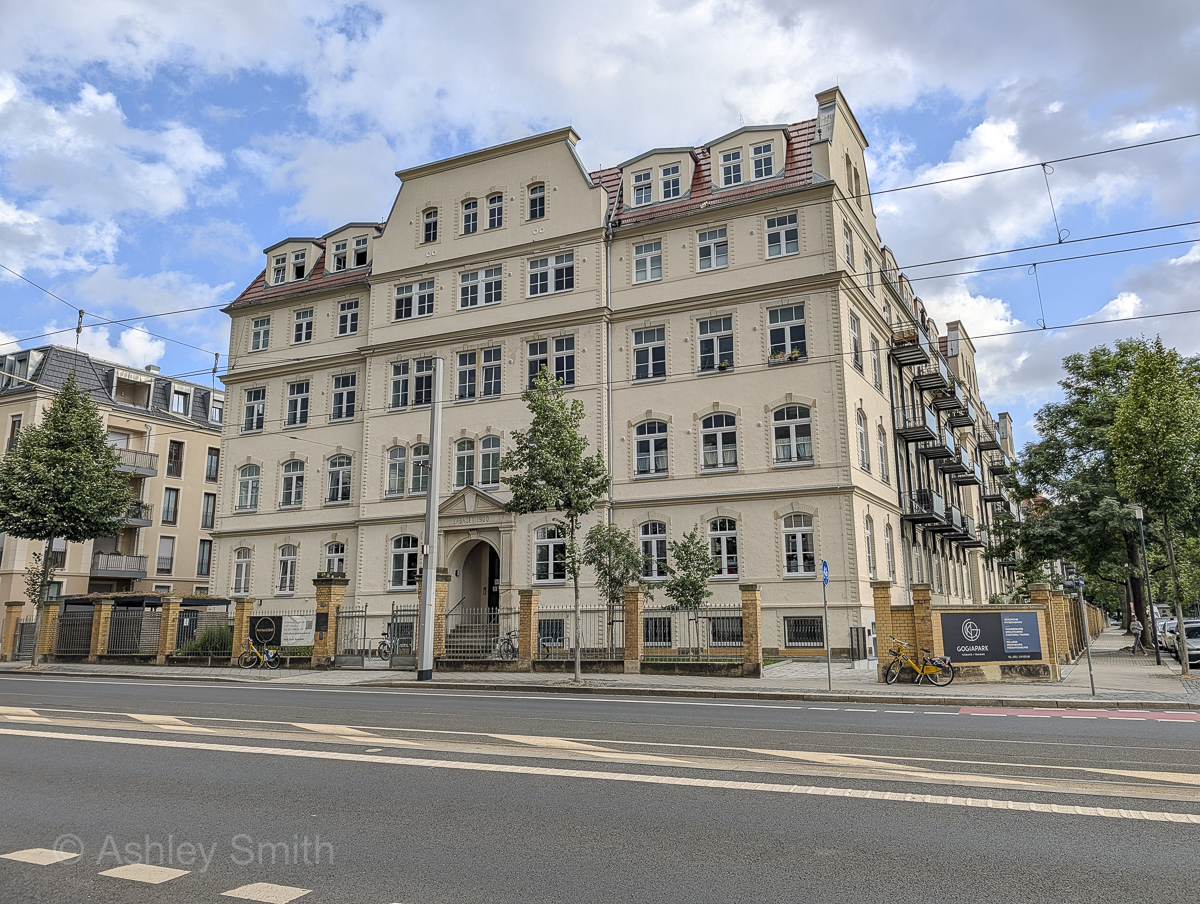
A tram ride east of downtown Dresden will take you to the former location of a Nazi forced labor camp. Between November 1944 and April 1945, the building at Schandauer Straße 68 served as an armaments factory and forced labor off-shoot of the Flossenbürg concentration camp. Approximately 500 prisoners, mostly Jews from Poland, labored here under torturous conditions. There’s a memorial plaque on the brick pillars outside the main gate.
Beginning in 1900 and finally closing in 2025, this building was actually the home of a large cigarette and tobacco factory, so you’ll often hear it referred to as such. (Like in another fantastic WWII Vonnegut book, Mother Night.)
20. Air raid shelter markings
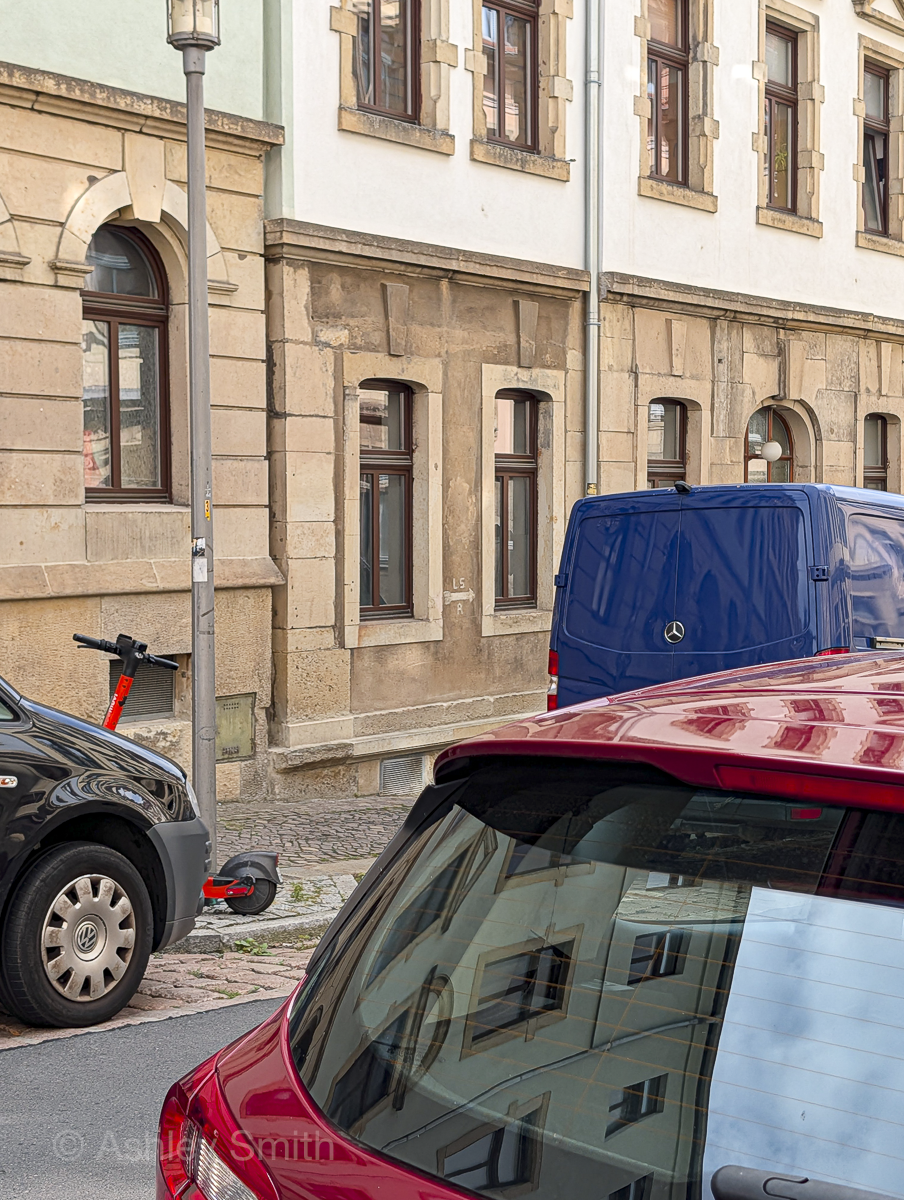
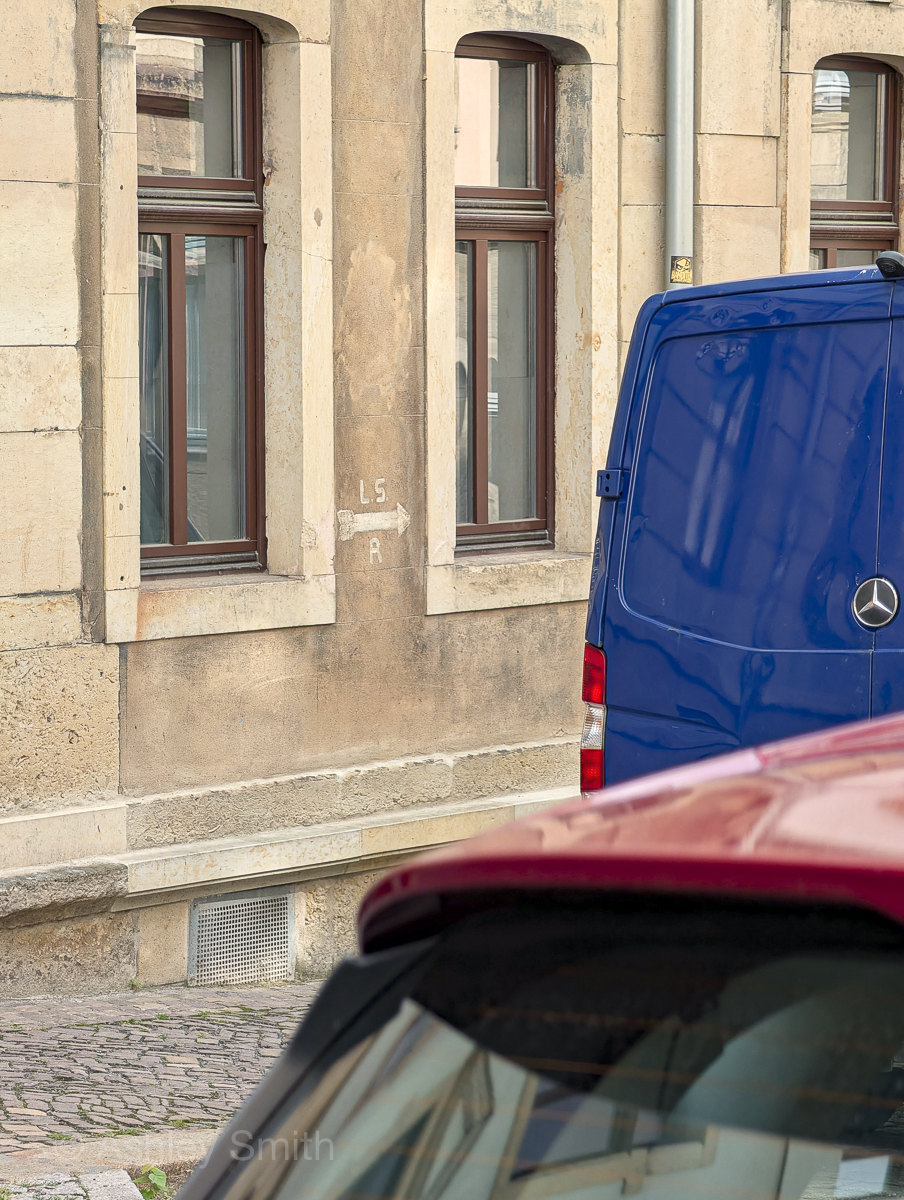
Down near the Münchner Platz area, there’s one residential street where you can still see some markings on the side of the building pointing the way to a nearby air raid shelter.
21. Castle mine marker
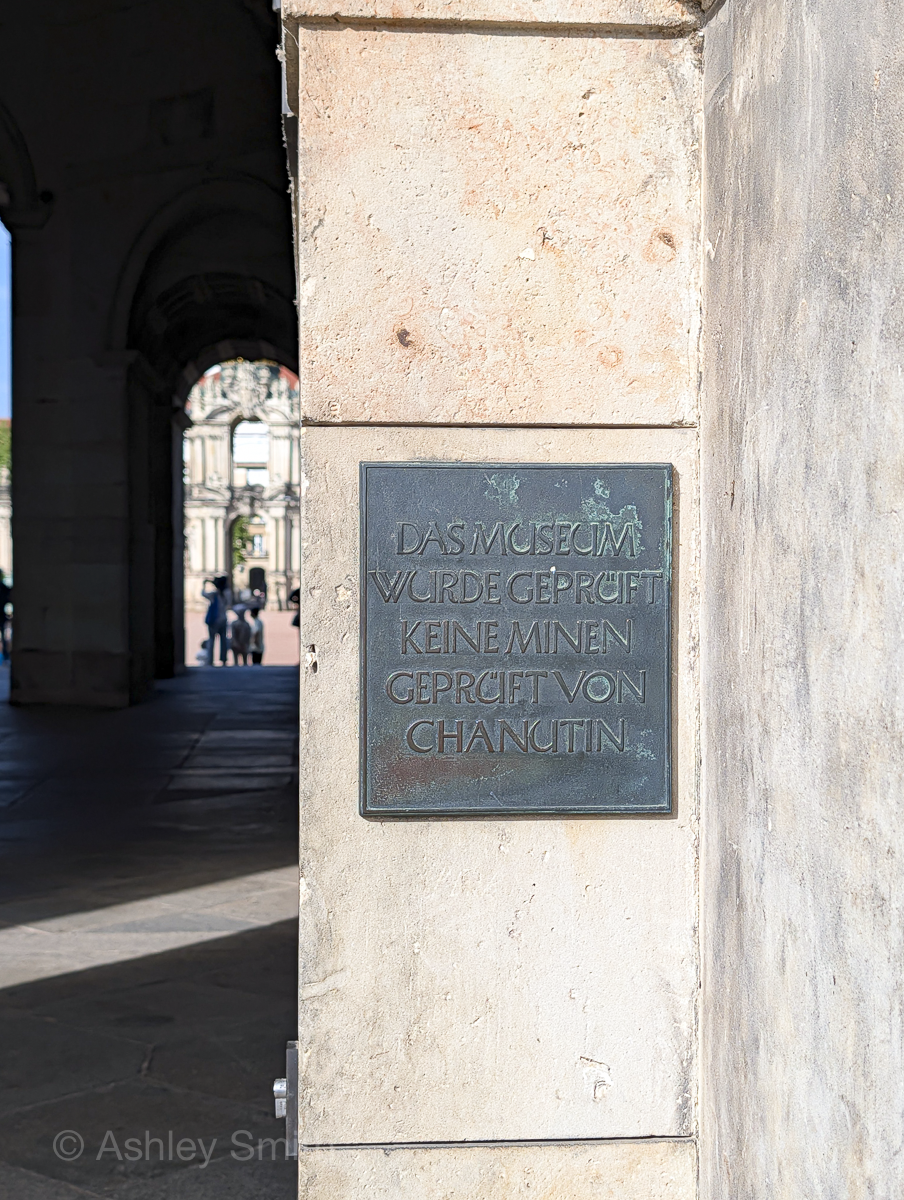
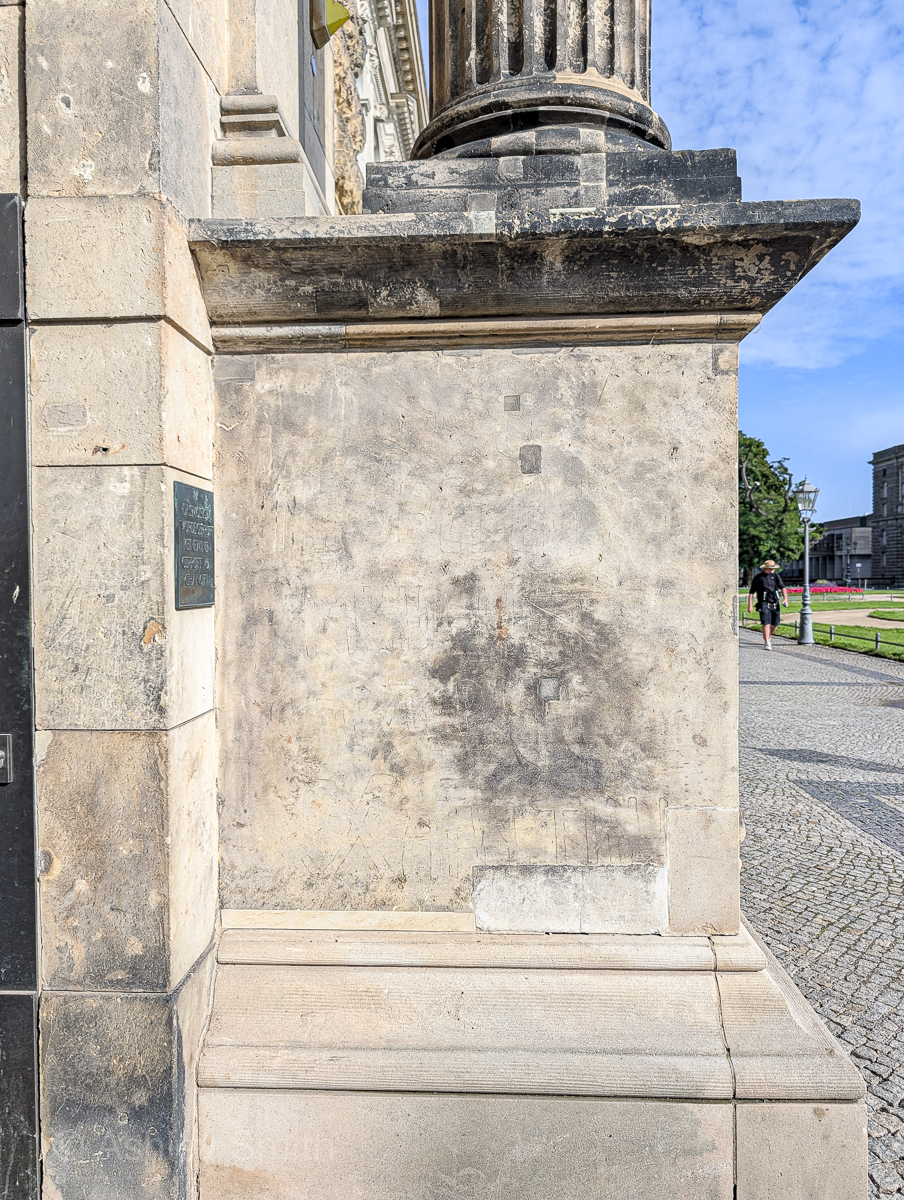
The Dresdner Zwinger is a popular visitor attraction already, but if you enter through the porticos that face Theaterplatz, you can see something pretty unusual. Etched into the side of one of the column bases are some (today) hard-to-discern words. Thankfully, the bronze plaque right next to them explains:
The museum was inspected. No mines were found. Checked by Chanutin.
Written in Russian, these statements date back to the immediate postwar period when Soviet soldiers worked to clear Dresden’s buildings of unexploded mines. So thank you for that, Mr. Chanutin.
22. Trümmerberg Friedrichstadt (“Rubble Hill”)
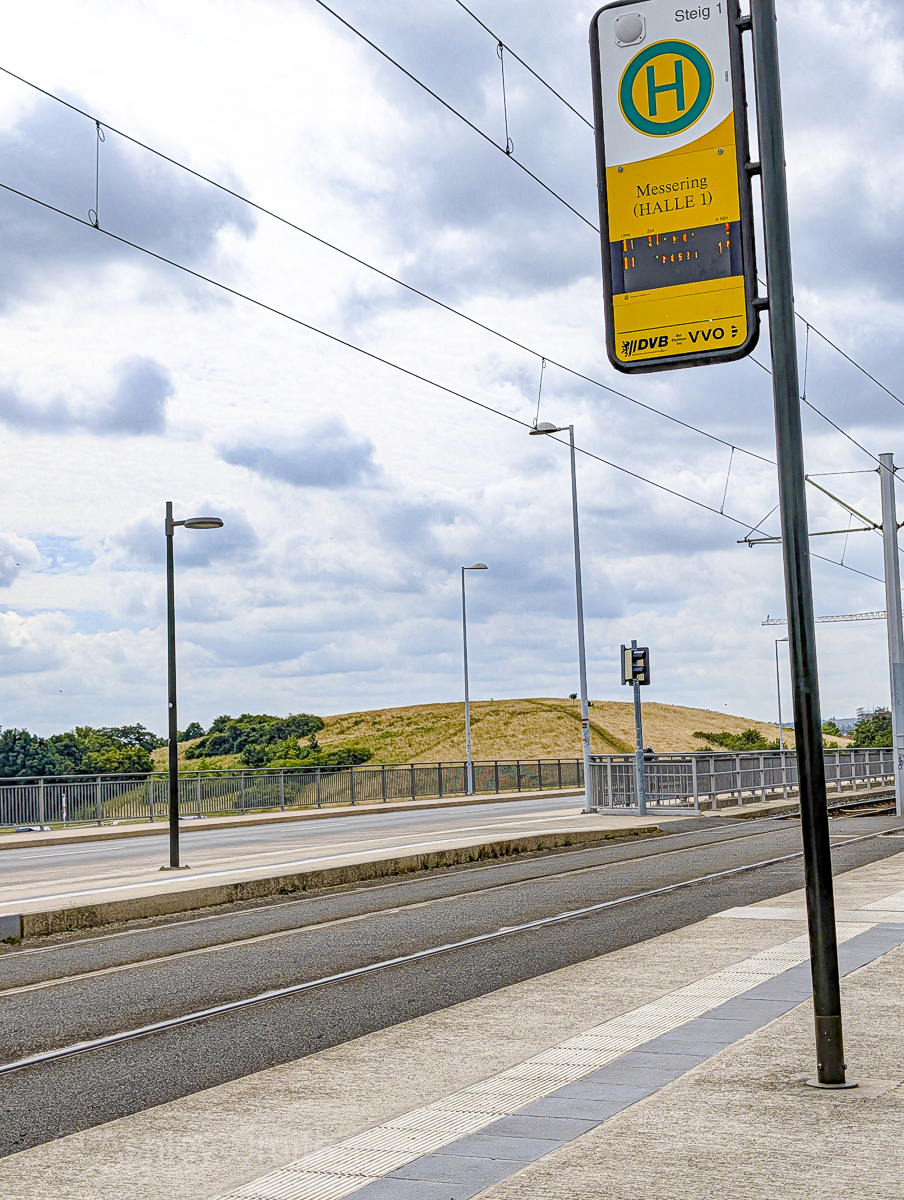
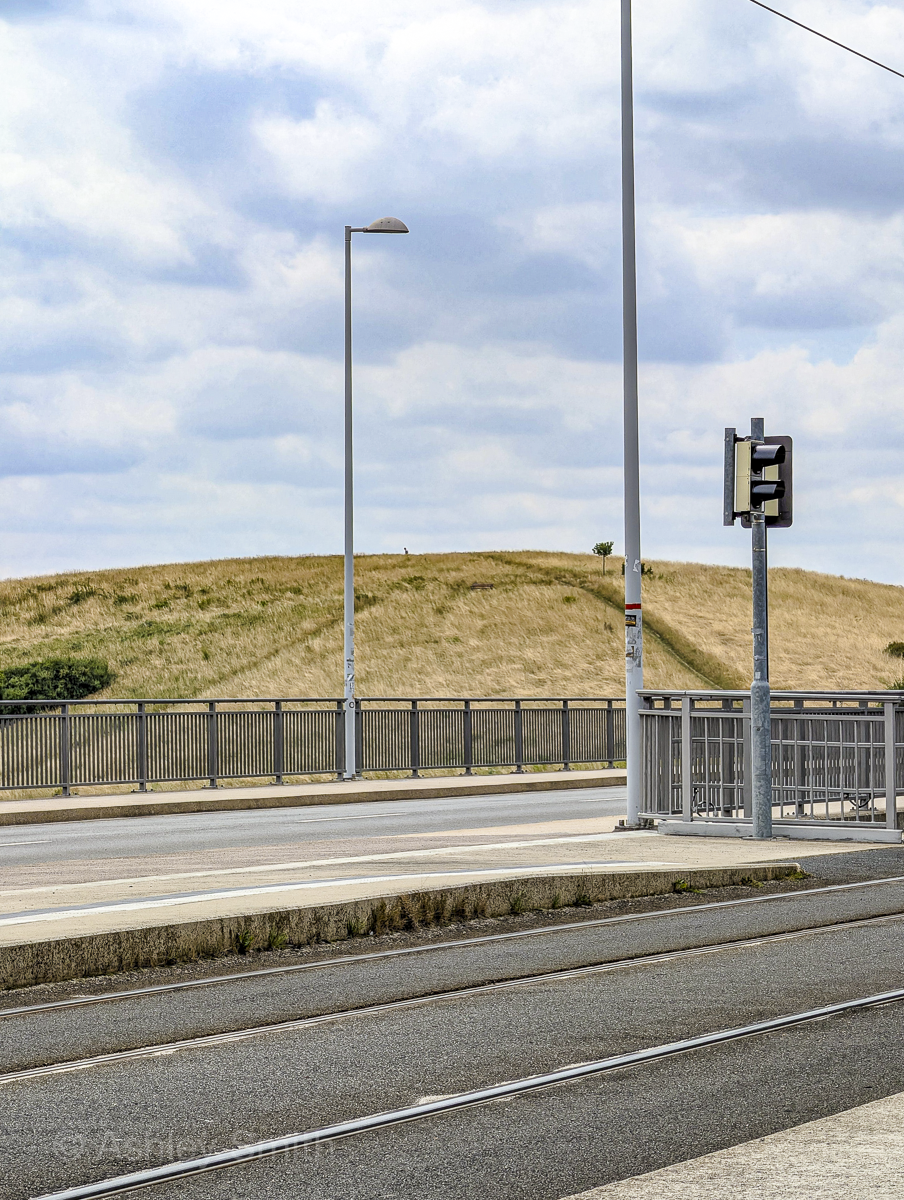
If you do find yourself over near the Messe and the Vonnegut memorial and will be taking the tram to or from the Messering, look for the hill beyond the fence. This is a trümmerberg—a hill formed by the piling up of the city’s rubble after the war.
I visited a much bigger one in Stuttgart, so check out this post to learn more about them in general and see what some others look like.
Additional Dresden WWII resources
For more on Dresden during World War II, here are a few excellent resources you should definitely check out before (or after) your visit:
Where to stay in Dresden
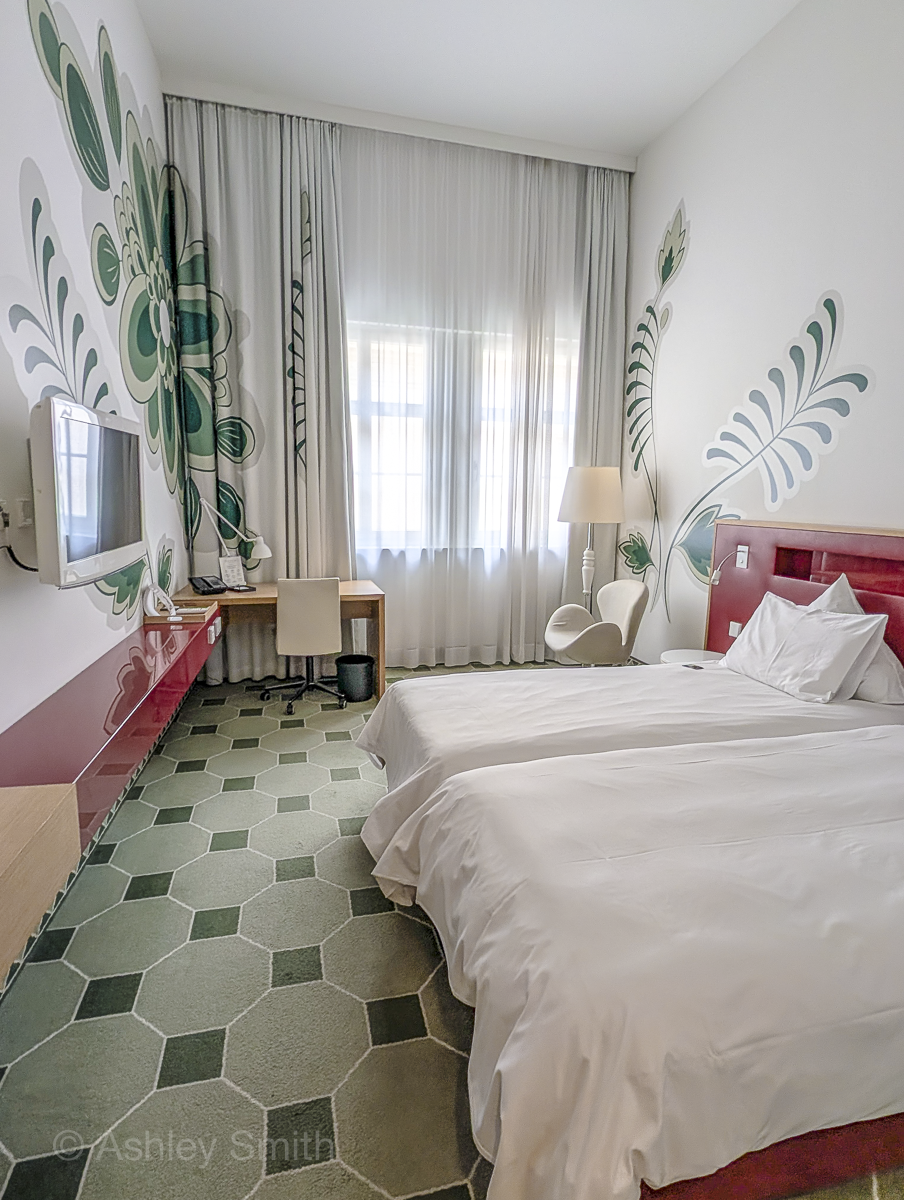
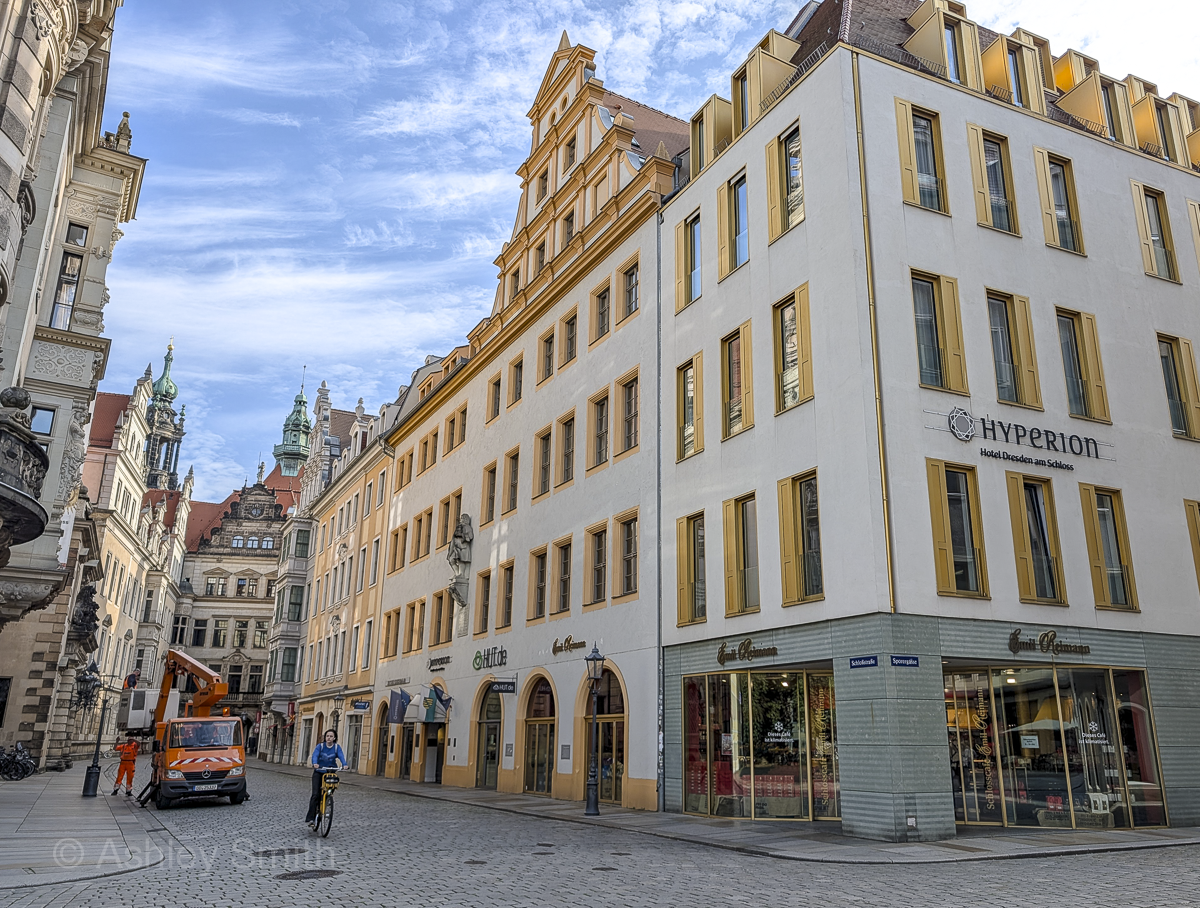
Dresden has no shortage of great places to stay during your visit, but here are a few hotel recommendations to get you started:
See all available Dresden hotels here.
More info for your visit to Germany
- Hotels: Find great places to stay on Booking.com (my go-to). Expedia and Hotels.com are worth checking too. VRBO is best for apartment rentals.
- Rental cars: Check out the best rental car deals here.
- Local tours & activities: Check out all the great local options from Viator and Get Your Guide here.
- Don’t forget a Germany guidebook and this must-have Germany customs and culture guide!
- Want more? See all my Germany posts here.
Like this post? Have questions about visiting any of the WWII sites in Dresden? Let me know in the comments below. Thanks for reading.

Save this info, pin these images: