
Given that the Nazi Party absorbed it early on, there are several unique and worthwhile WWII sites in Austria that you can visit. Are there as many as there should be? Considering Austria isn’t as forthcoming or apologetic for its regrettable Nazi past as some other countries, no. But the ones you can visit here are still some of the most interesting.
This post will introduce you to some of the best WWII sites in Austria. I don’t list every single memorial or historical marker, but I do highlight some of the more notable sites you should prioritize here. Enjoy!
World War II in Austria
Austria’s World War II history is lengthy and complex, so I’ll spare you an in-depth historical lesson. Instead, here’s a quick summary that highlights some of the main points of what you should know before your visit to the Austria’s WWII sites:
Anschluss
Austria was the Nazi Party’s first territorial acquisition. The term anschluss translates to ‘connection’ or ‘annexation.’ Thus, the Anschluss (capital ‘A’) refers to Nazi Germany’s annexation of Austria in 1938.
Part of Hitler’s whole deal was that he wanted to reunite all ethnic Germans back into a single, more impressive Germany. (Over the last century or so, Germany had lost much of its territory. These redrawings of borders meant many ethnic Germans were now living in places like Austria, Poland, and the Czech Republic.)
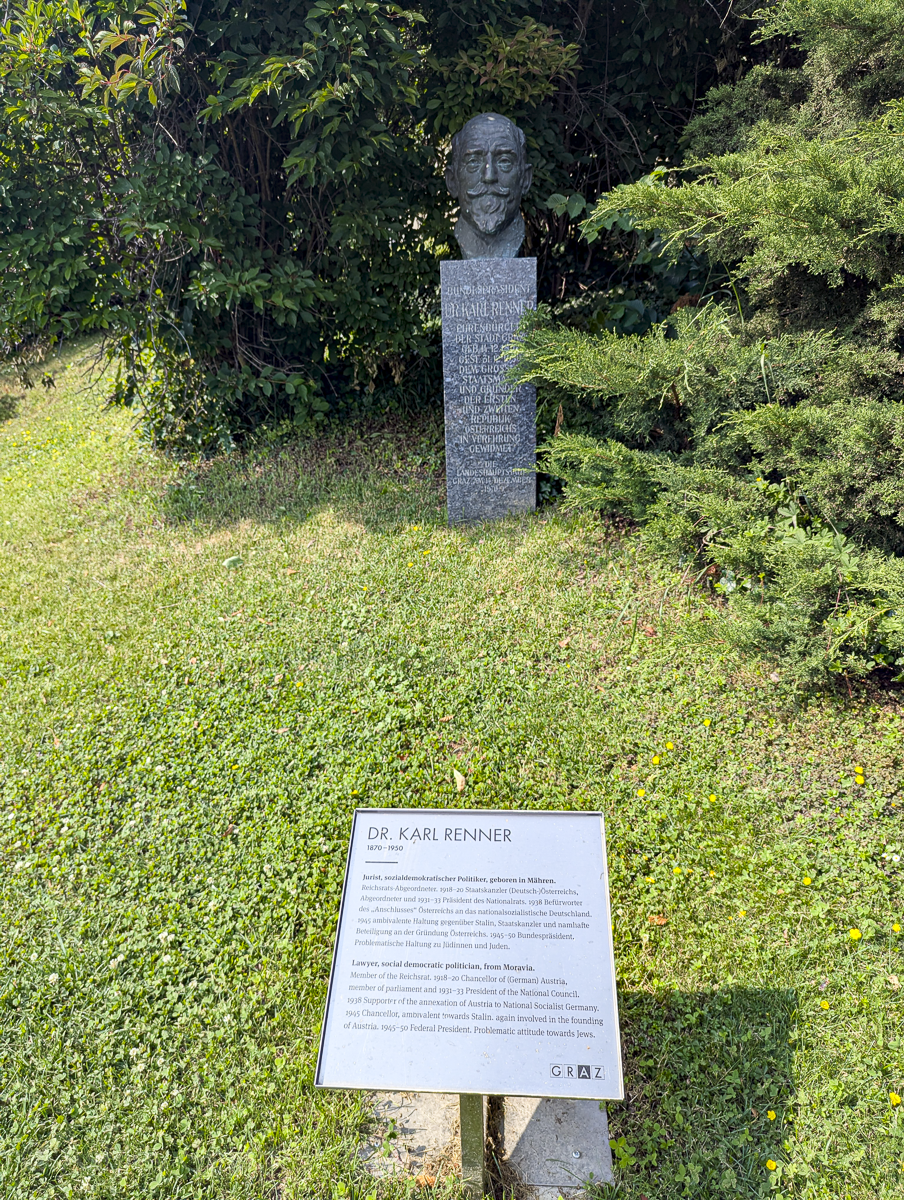
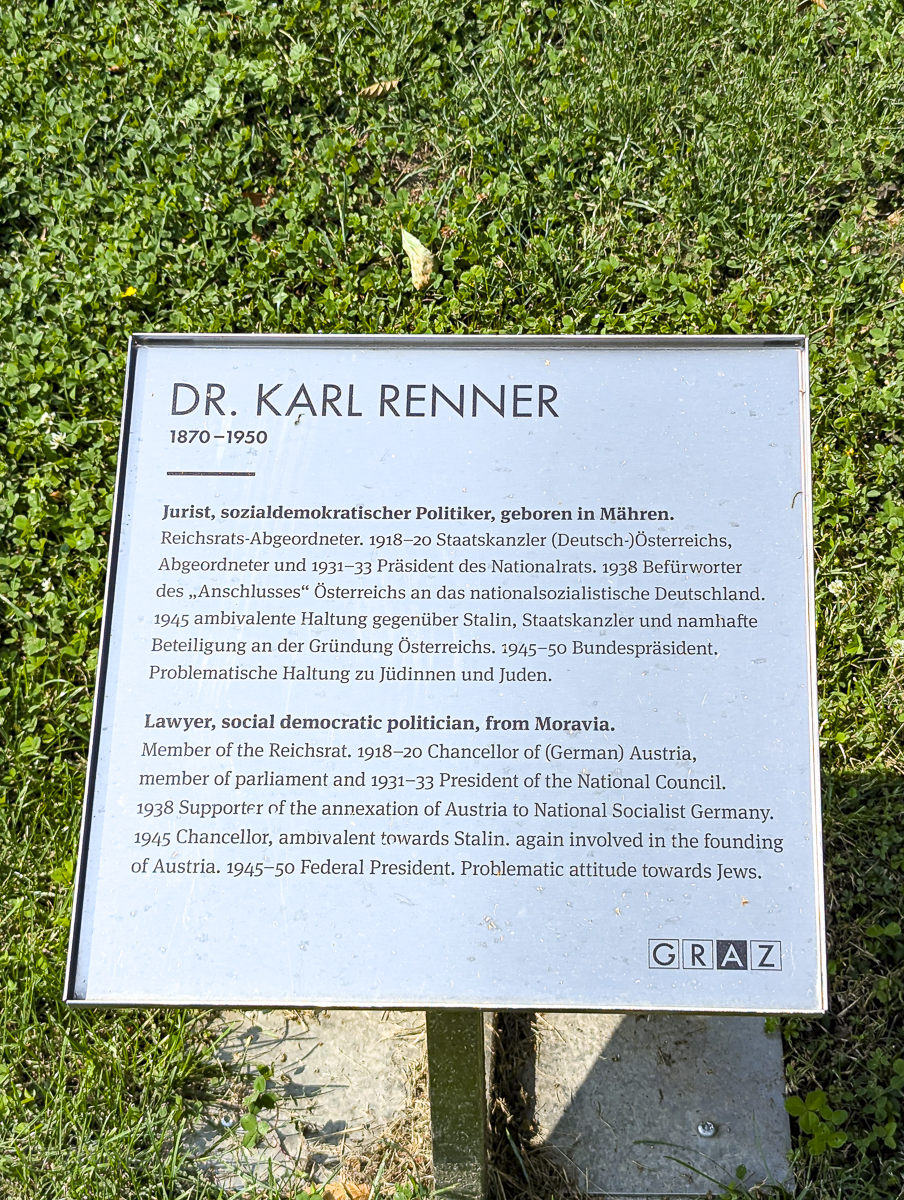
Austria already had a semi-fascist government at the time and, from 1933 on, supported Germany’s Nazi Party more and more. On March 12, 1938, Nazi troops marched across the border into Austria where citizens basically welcomed them with open arms. They faced no opposition from the military or government and (non-Jew) Austrian citizens cheered and threw up Nazi salutes as the troops marched in.
Despite the fact that doing so violated the terms of the Treaty of Versailles, Nazi Germany also faced no backlash from any foreign powers. (And this is why appeasement is a bad thing!) And so, the Anschluss was complete.
Learn more about Austria during WWII in this list of Austria WWII books, movies, and documentaries.
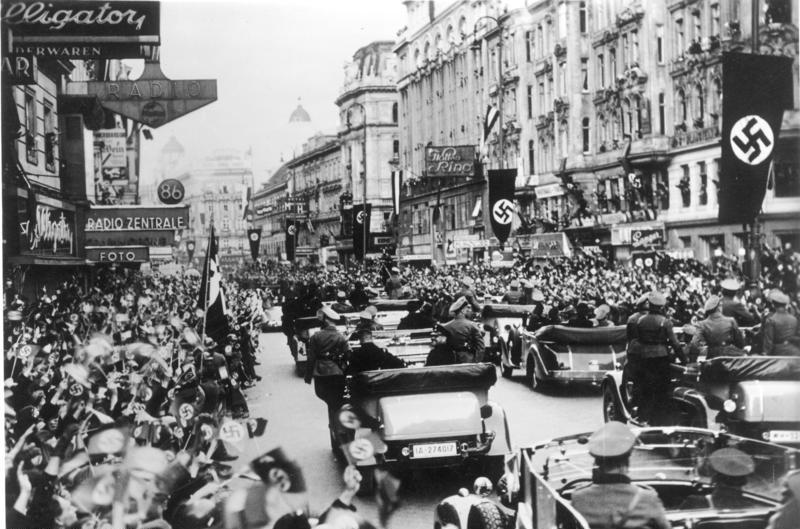
Occupation
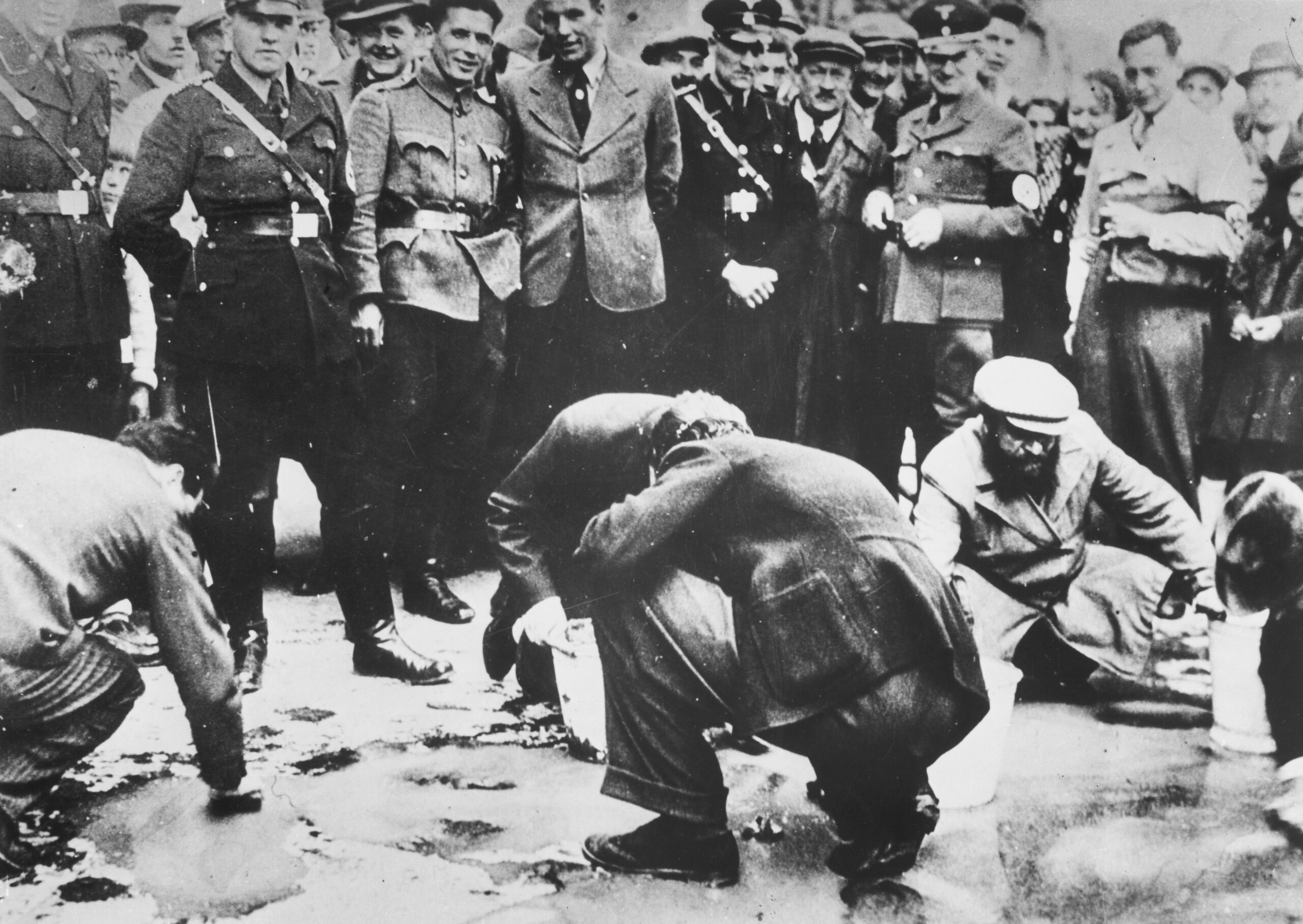
Immediately following the Anschluss, a full Nazi occupation took place and “Austria” ceased to exist. Austrian citizens were quick to help Nazify their country. Political dissenters and other “enemies” were immediately arrested and thrown into concentration camps.
From that first night on, Austria’s already rampant antisemitism went into hyperdrive. Jews were stripped of their homes, shops, vehicles, and property. They were beaten and publicly humiliated, their synagogues burned to the ground. Even though Austrians made up just 8% of the Third Reich’s population, they constituted around 40% of concentration camp personnel (and as much as 70% of concentration camp authorities). [source]
So, rather than calling it an occupation, you could really just say that Austria got absorbed into Nazi Germany. Austrians willingly fought for the German Wehrmacht; Austrians willingly joined the SS. They enthusiastically joined the Nazi Party and began climbing the ranks. And don’t forget Adolf Hitler himself was Austrian, not German.
Post-WWII and the Victim Theory
Immediately following the end of World War II, Austria dubbed itself “the Nazis’ first victim.” This “victim theory” became the enduring mindset of Austrians going forward. This perpetuated the idea that the Anschluss had been an aggressive takeover and that Austria was in no way responsible for any crime the Nazis committed as a result. According to them, even the Austrians who adamantly supported Hitler and the Party were victims because they had simply been duped. (Yeah, OK, we’re not buying it.)
Austria’s postwar denazification process was mild at best. It let many of its war criminals off scot-free and even stopped prosecuting them altogether. The new postwar government used the “victim theory” to avoid having to pay restitution to surviving Jews and other victims. In fact, some restitution measures actually allowed former Nazis to earn benefits for their “bravery” during the war.
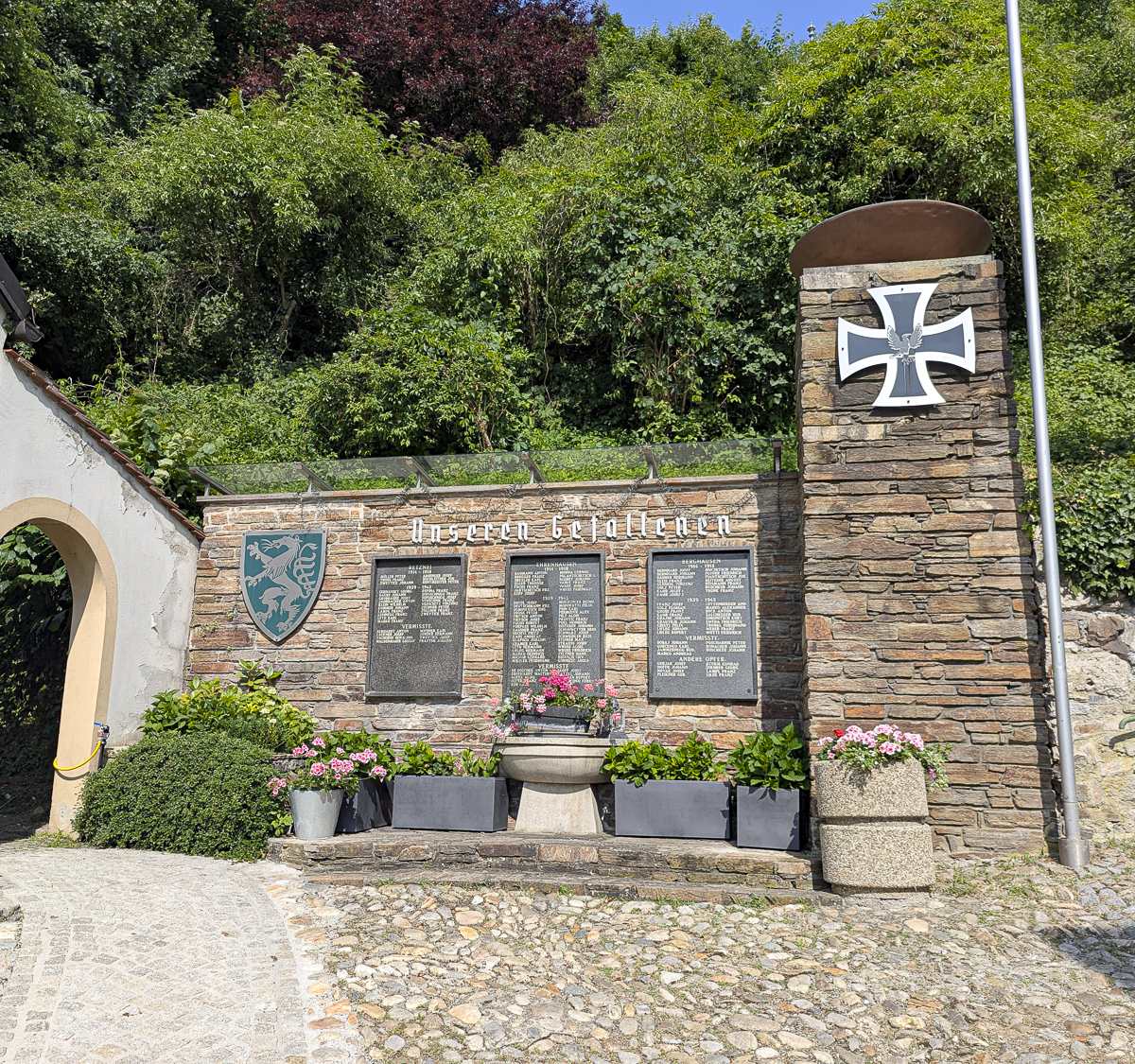
Austria quickly and diligently attempted to erase the entire Nazi period and its rampant antisemitism from its history. They treated it either like it didn’t happen at all or was just something that happened on the fringes. Austrians now claimed to not even be German at all. And yes, they wove all of this nonsense into the school system.
The “victim theory” lived on until about 1987 when, only because of mounting international pressure, the Austrian government finally agreed, yeah, fine, we’ll take responsibility for all the bad stuff we did, yada yada yada. They didn’t even make a public apology for it until 1991 and even then only admitted responsibility (but not guilt). Regardless, the jig was up and the “victim theory” finally began to crumble (sort of).
Visiting WWII sites in Austria today
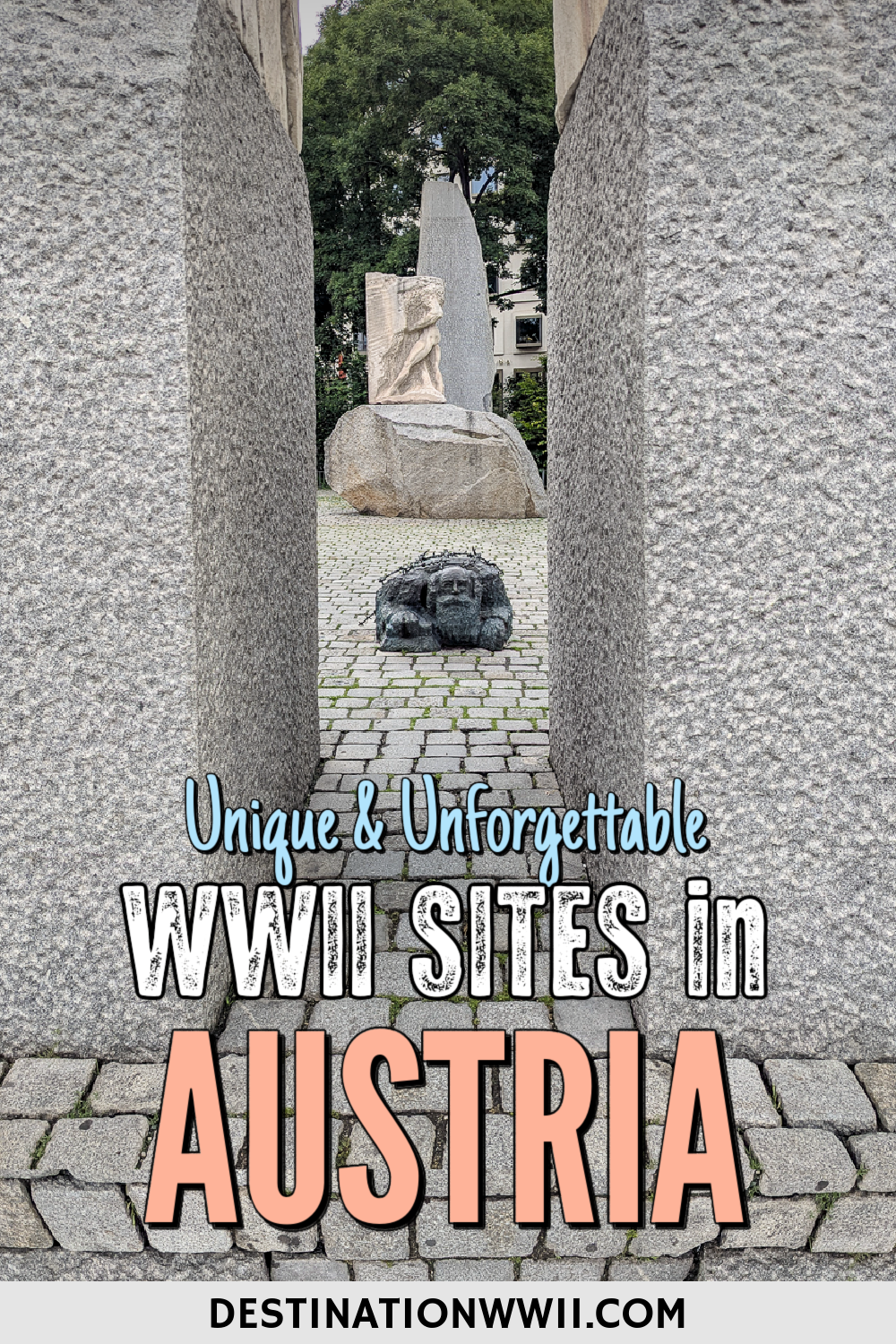
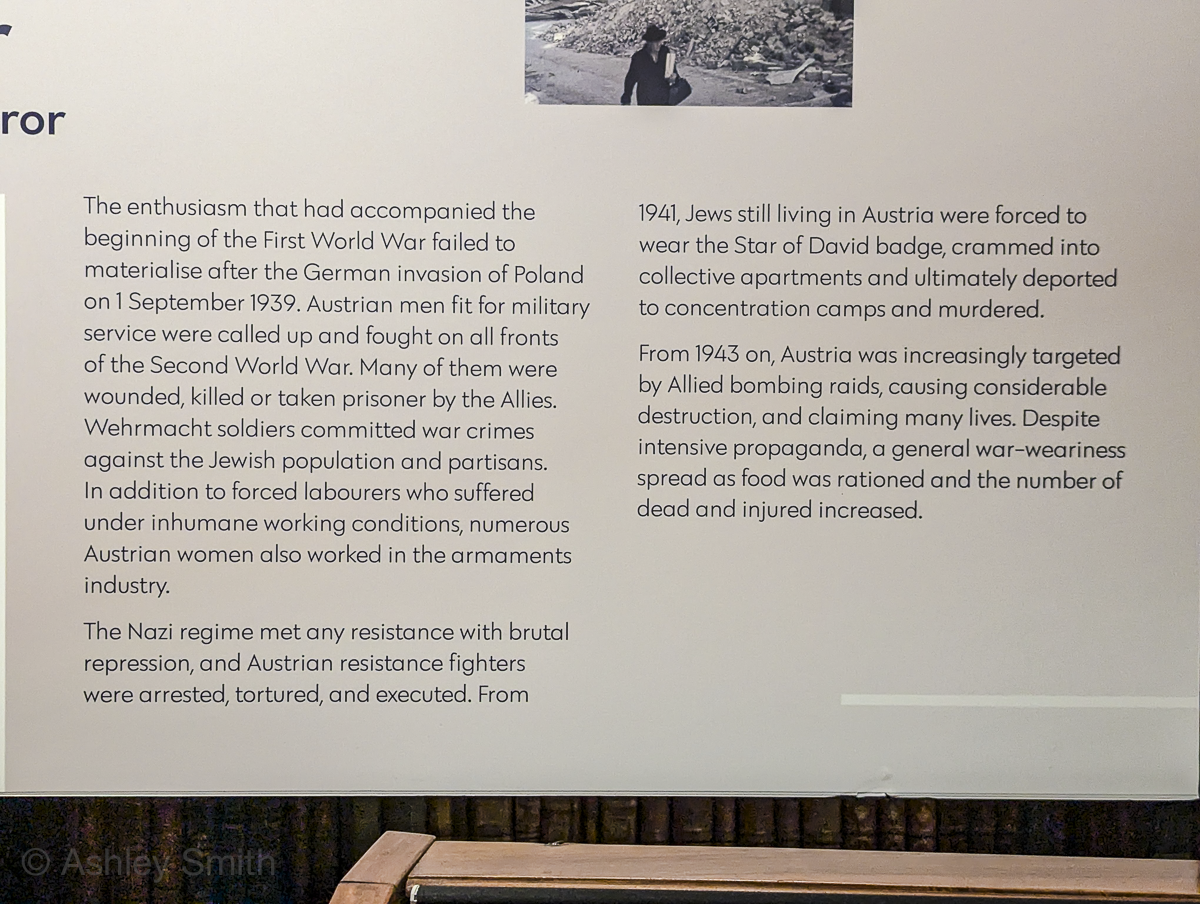
Even so, the obvious “vibe” when looking to explore Austria’s World War II history in Austria is one of “that didn’t happen now will you shut up about it already?!” Very few museums and memorials exist here, especially when compared to places like Germany where they rarely shy away from their past wrongdoings. (And the memorials you do find here are, well, let’s just say I was shocked the first time I saw one; see above.)
You’ll often see the entire WWII period just plain missing from published histories. And any time you see a reference to the “occupation,” it almost always refers to the postwar period of occupation by U.S. troops. When they speak of the war’s destruction, they’re typically referring to the destruction caused by Allied troops towards the end of the war. (You know, when they were actively attempting to liberate the continent from you guys.)
But like I said, the jig is up. Maybe back then they could try to whitewash their involvement and play the victim, but not anymore. We know too much now. You aren’t fooling anybody, Austria; you just look foolish.
Just keep in mind that, while you’re here, it’s likely you won’t be able to get all the answers you need. You may need to do some independent research to find the truth you’re after. That being said, head to places like Hartheim Castle and the concentration camps if you want the full undistorted truth.
Map of WWII sites in Austria
This map contains all the WWII sites in Austria I mention in this post. To save this map: Click on the star ⭑ next to the map’s title to save in your Google Maps. To use this map: When you get here, open Google Maps on your phone, click “Saved” at the bottom, then click “Maps.”
WWII museums in Austria
There are very few true World War II “museums” in Austria. Many of the historical sites farther down in this post contain museums of their own, but I’ve listed them separately. If you’re looking to stroll through a typical indoor “museum,” here are your options:
1. Museum of Military History – Vienna
This museum covers nearly all of Austria’s military history including the WWII times (a rarity). There’s an artillery hall, a tank hall, a wing on naval power, and several halls dedicated to different time periods. The one you want to visit is the exhibit called Republic and Dictatorship.
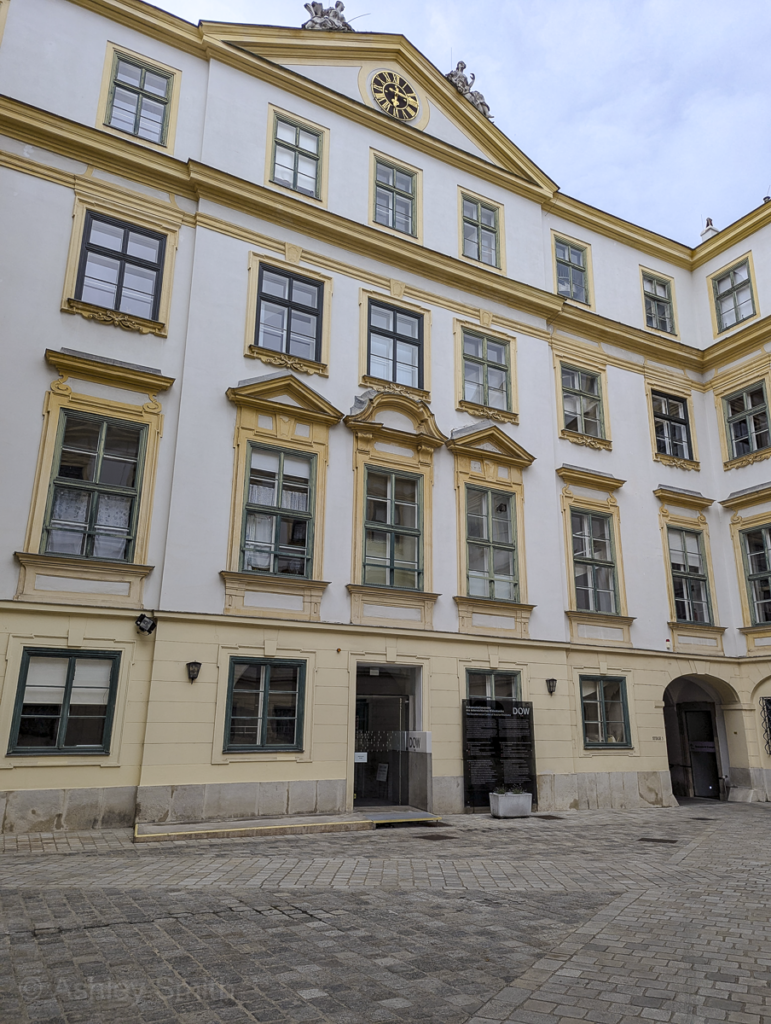
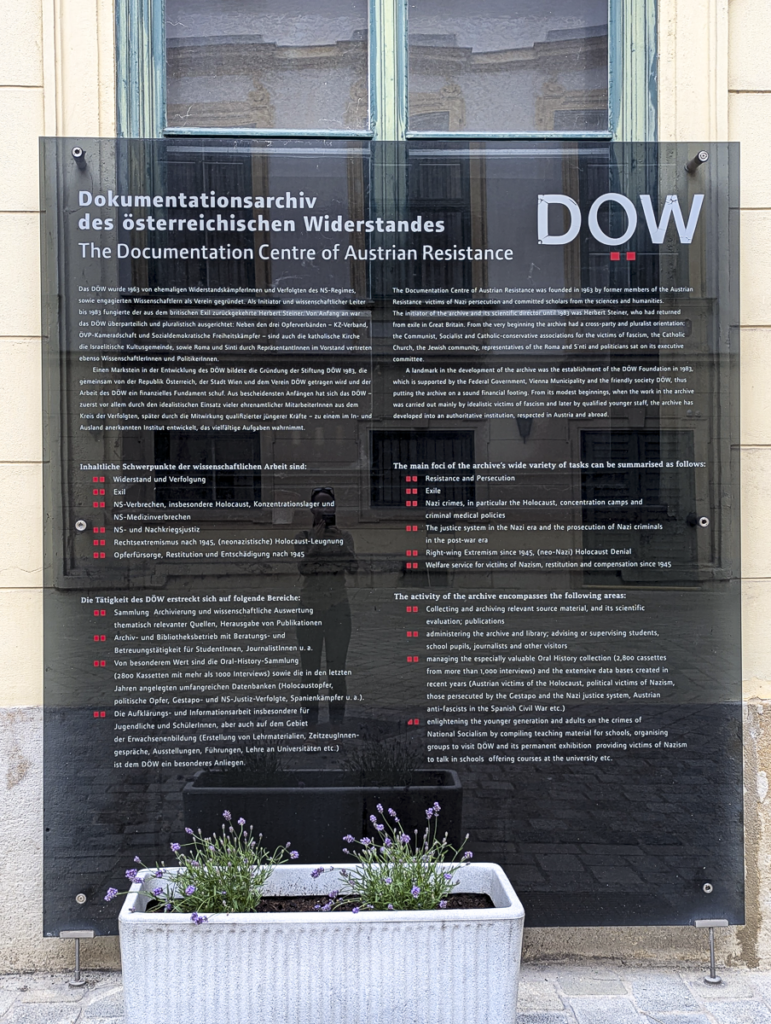
2. Documentation Center of the Austrian Resistance – Vienna
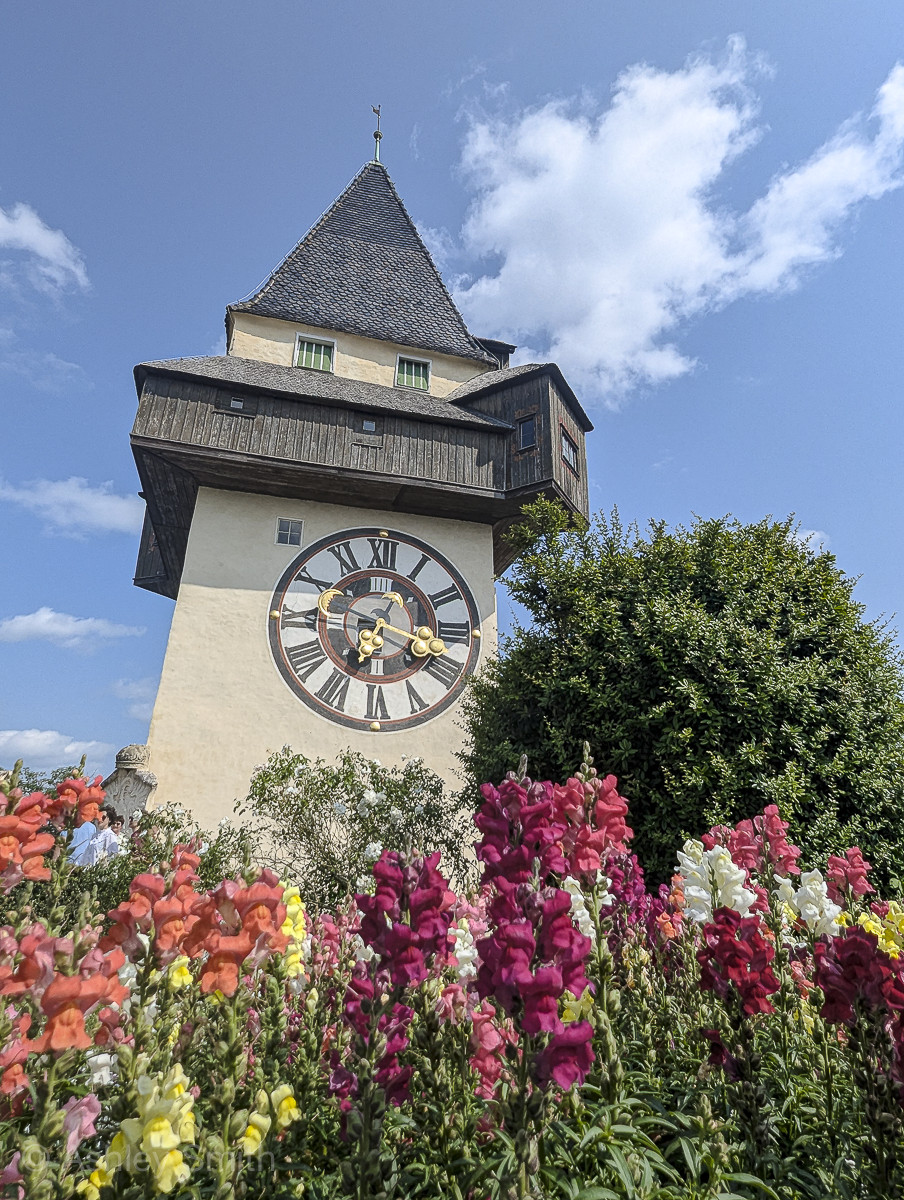
It’s true, Austria did have a small active resistance network during the war. Located inside Vienna’s Old Town Hall, this museum focuses on telling their stories. It discusses other topics as well like how Austria handled their Nazi involvement after the war, restitution, and more.
Concentration Camps in Austria
Unfortunately but unsurprisingly, Austria (as a former Nazi state) had its fair share of concentration camps. Today, you can visit several of them.
3. Mauthausen Concentration Camp – Near Linz
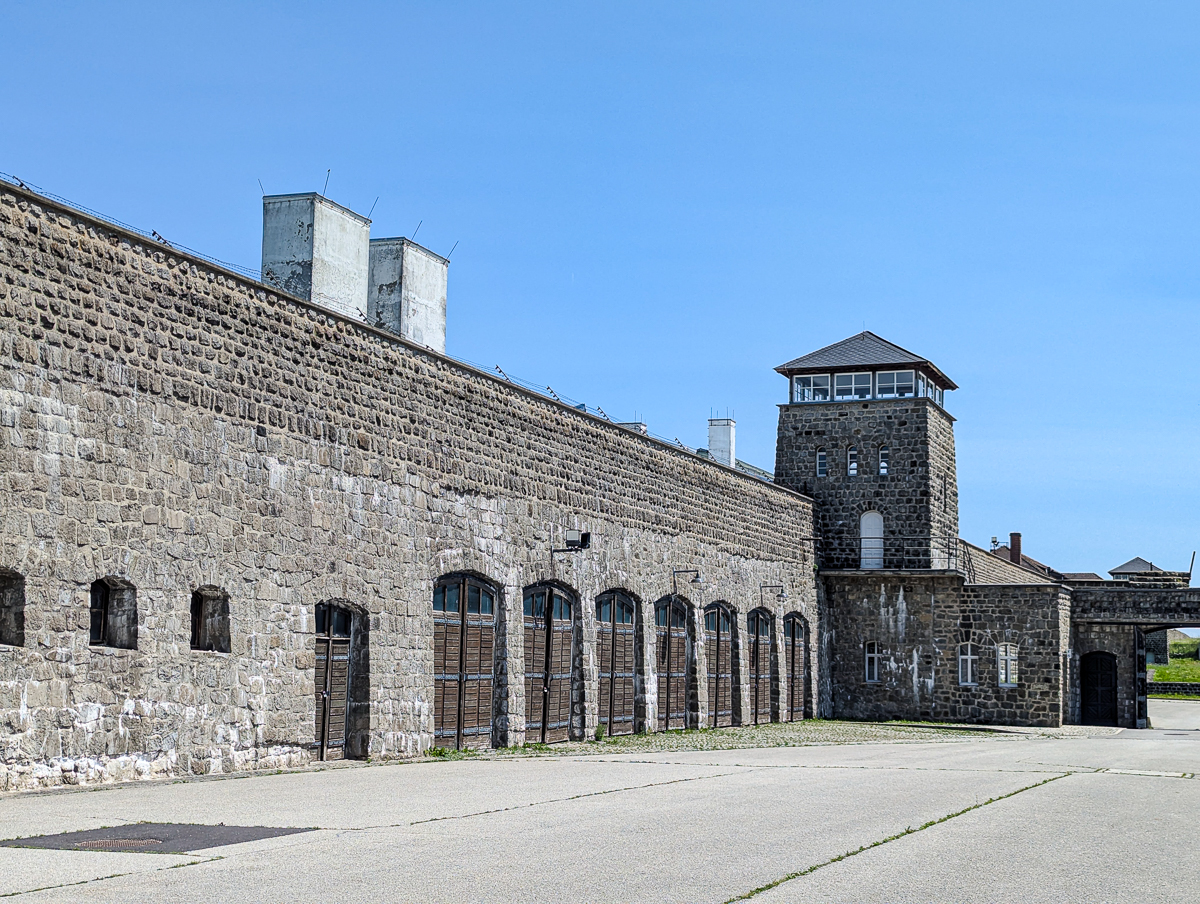
The largest and most widely known of these camps is Mauthausen. Mauthausen opened just a few months after the Anschluss and by the time it was liberated in 1945, nearly 200,000 people had been imprisoned here. Of that, at least 90,000 died here.
Today, you can visit this former slave labor camp and explore many original buildings and a very well-done museum, see many monuments and memorials, and even walk down the “stairs of death” the prisoners had to take into and out of the quarry here.
I have a whole post on visiting Mauthausen Concentration Camp so be sure to check that out for all the details.
4. Gusen Concentration Camp – Near Linz
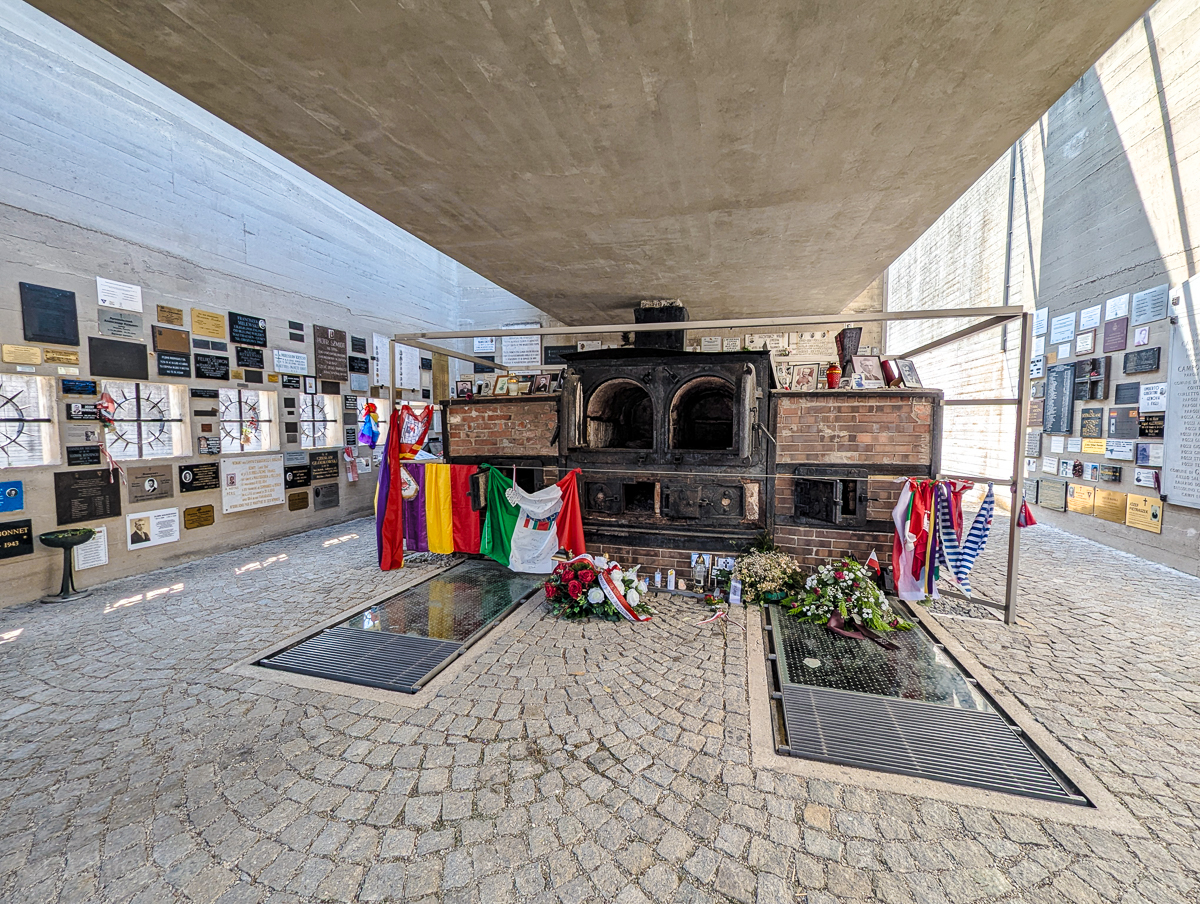
Just a short drive from Mauthausen is the site of the former Gusen Concentration Camp. Gusen was another slave labor camp for privately-owned SS economic enterprises and another focused on granite extraction. Between 1940 and 1945, the SS imprisoned 71,000 here (36,000 of whom died).
The majority of the camp has been destroyed over time, but archaeologists are unearthing more and more still today. There’s a small but worthwhile museum here, some memorials, and the preserved original crematorium.
I also have a post on visiting Gusen Concentration Camp so check that out if this interests you.
5. Hartheim Castle – Alkoven
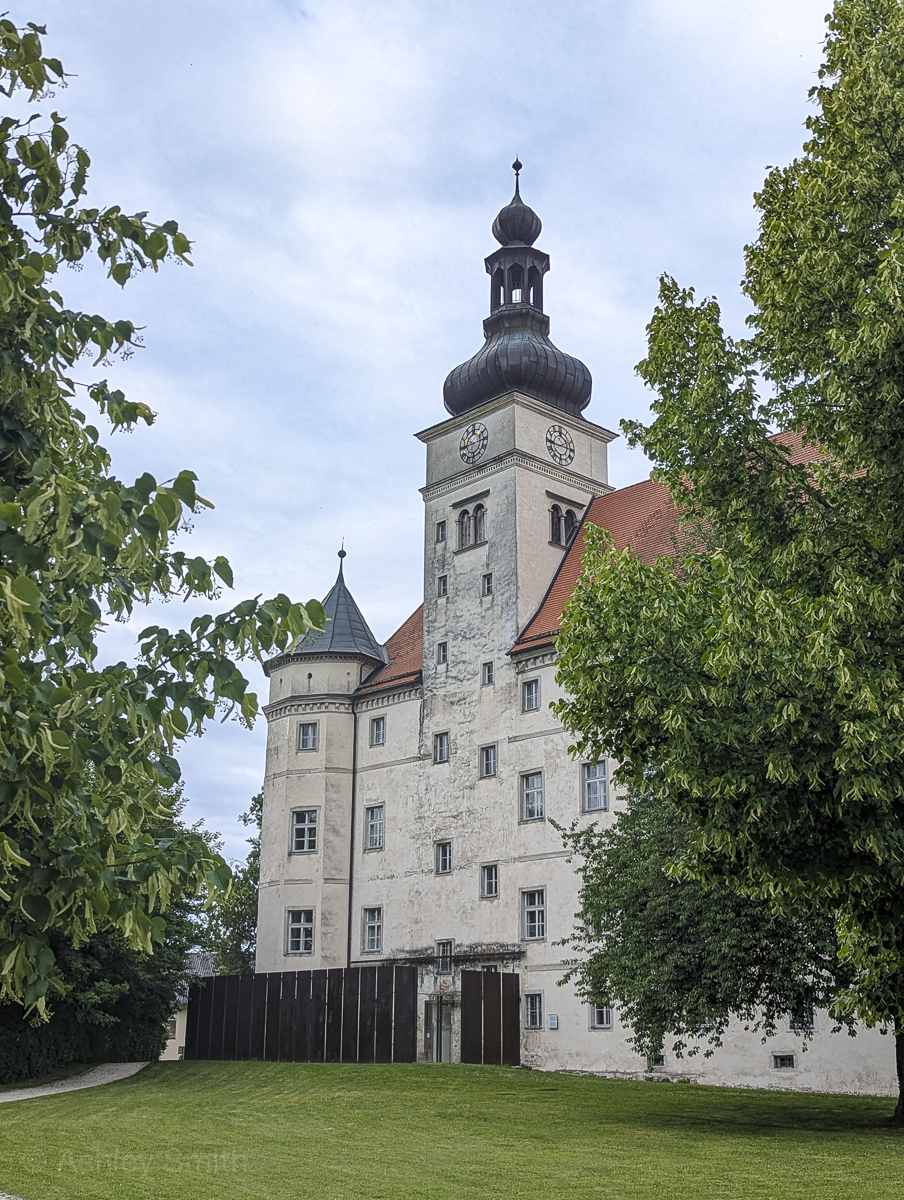
Hartheim Castle is less of a “concentration camp” and more of an extermination center. Schloss Hartheim (as it’s known locally) was the final destination for those taken as part of the Nazis’ Aktion T4 program.
The Aktion T4 program was a “euthanasia” program aimed at ridding the world of those the Nazis’ deemed “unworthy of life.” This included those with physical and/or mental disabilities, those living in nursing homes, the chronically ill, and others they considered to be a financial burden on the state. Between 1940 and 1944, the Nazi regime murdered around 30,000 people here.
Today, you can tour the one-time castle-turned-killing center. There are several worthwhile museum-style exhibits on all kinds of topics. You can also visit the killing center, the memorial rooms, the cemetery, and more.
I have an entire post dedicated to visiting Hartheim Castle where you can get all the details for your visit.
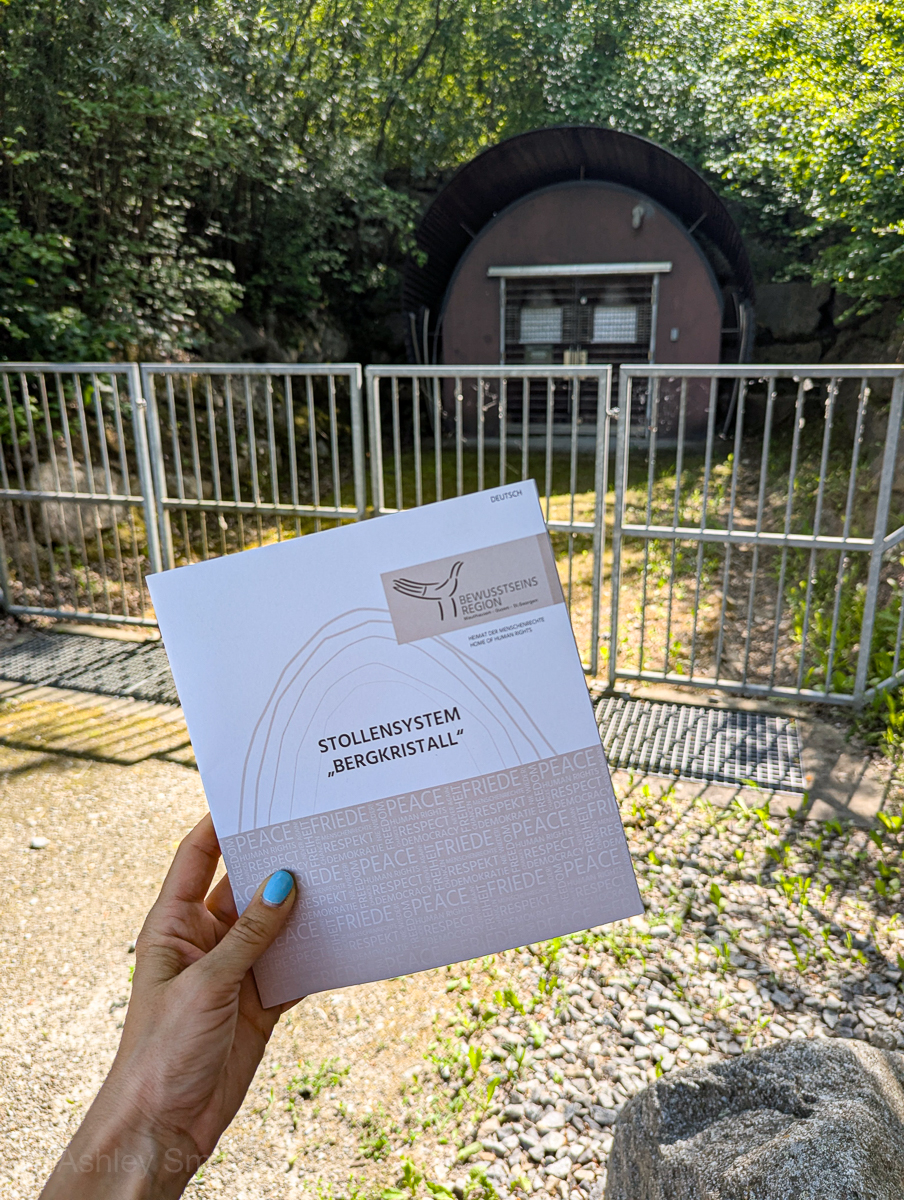
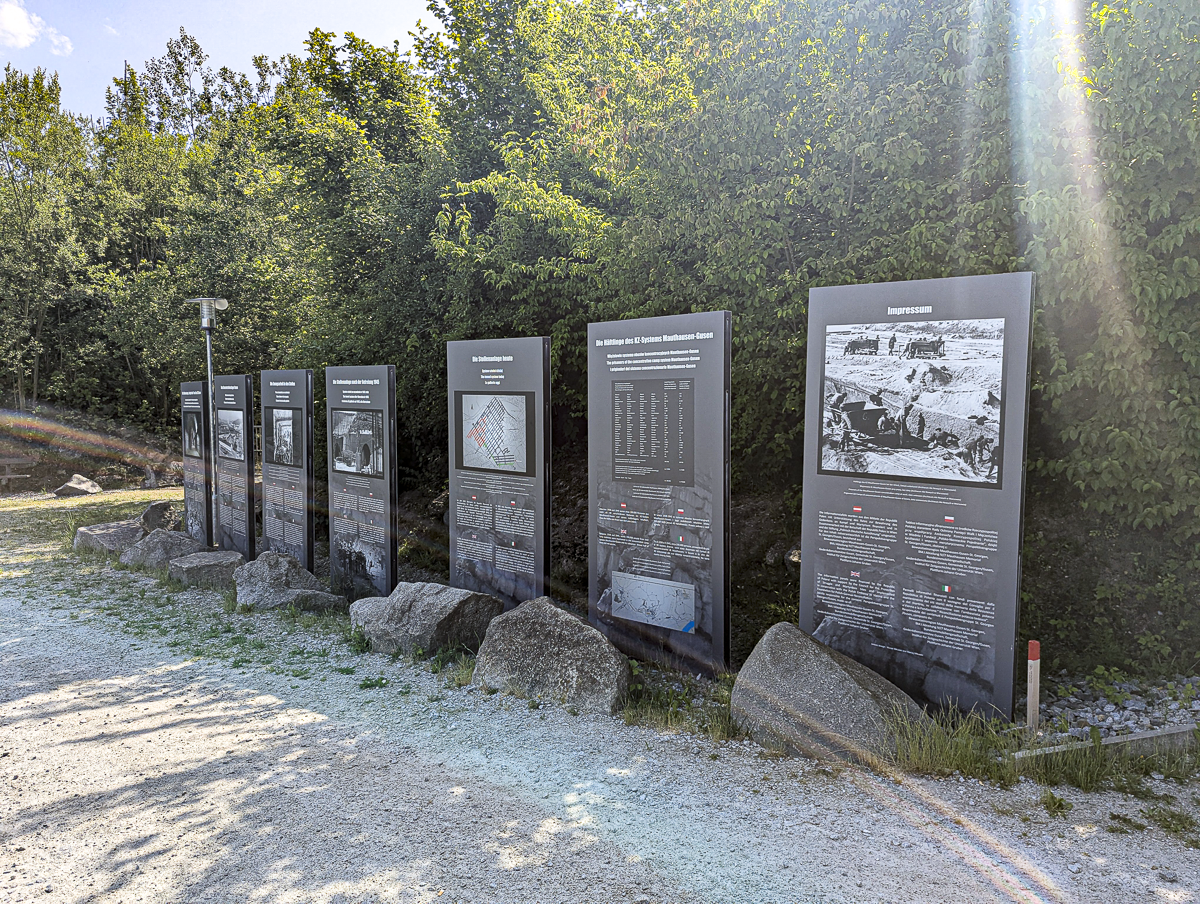
6. The Bergkristall Tunnels – Near Linz
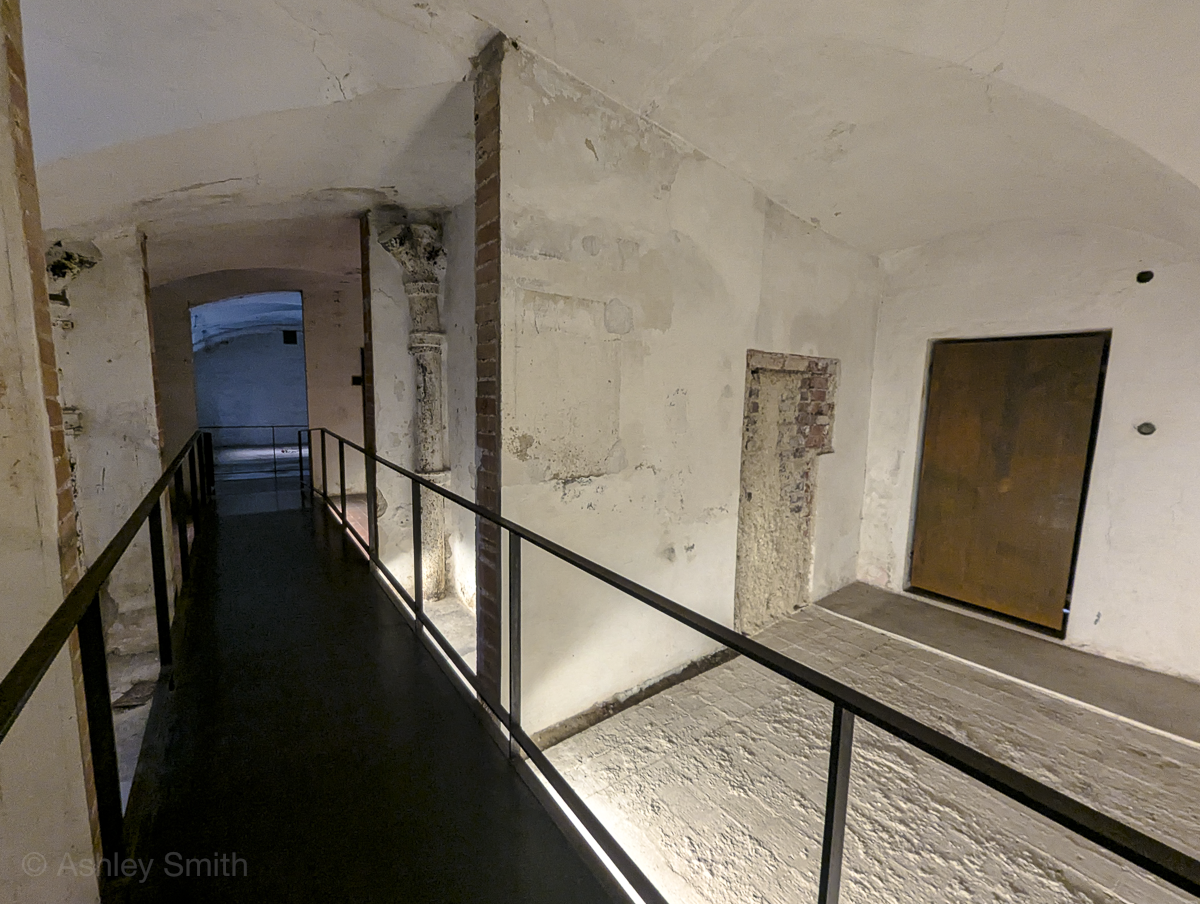
Near the Mauthausen and Gusen concentration camps you’ll find the Bergkristall tunnels. This tunnel complex was part of these camps and was built by prisoners for use by the Nazis’ armaments industry. (They had planned to use these tunnels to build their Messerschmitt fighter planes.) Around 10,000 prisoners died in the construction of these tunnels.
Today, these tunnels are not open to the public, but they do host guided tours every so often. (I’m still gathering info on this.) However, if you stop by this location, you can still see the entrance to the tunnels as well as several informational panels that describe their history. (And the information is actually presented in German, Polish, Italian, and English!) There’s even a free informational booklet you can take with you.
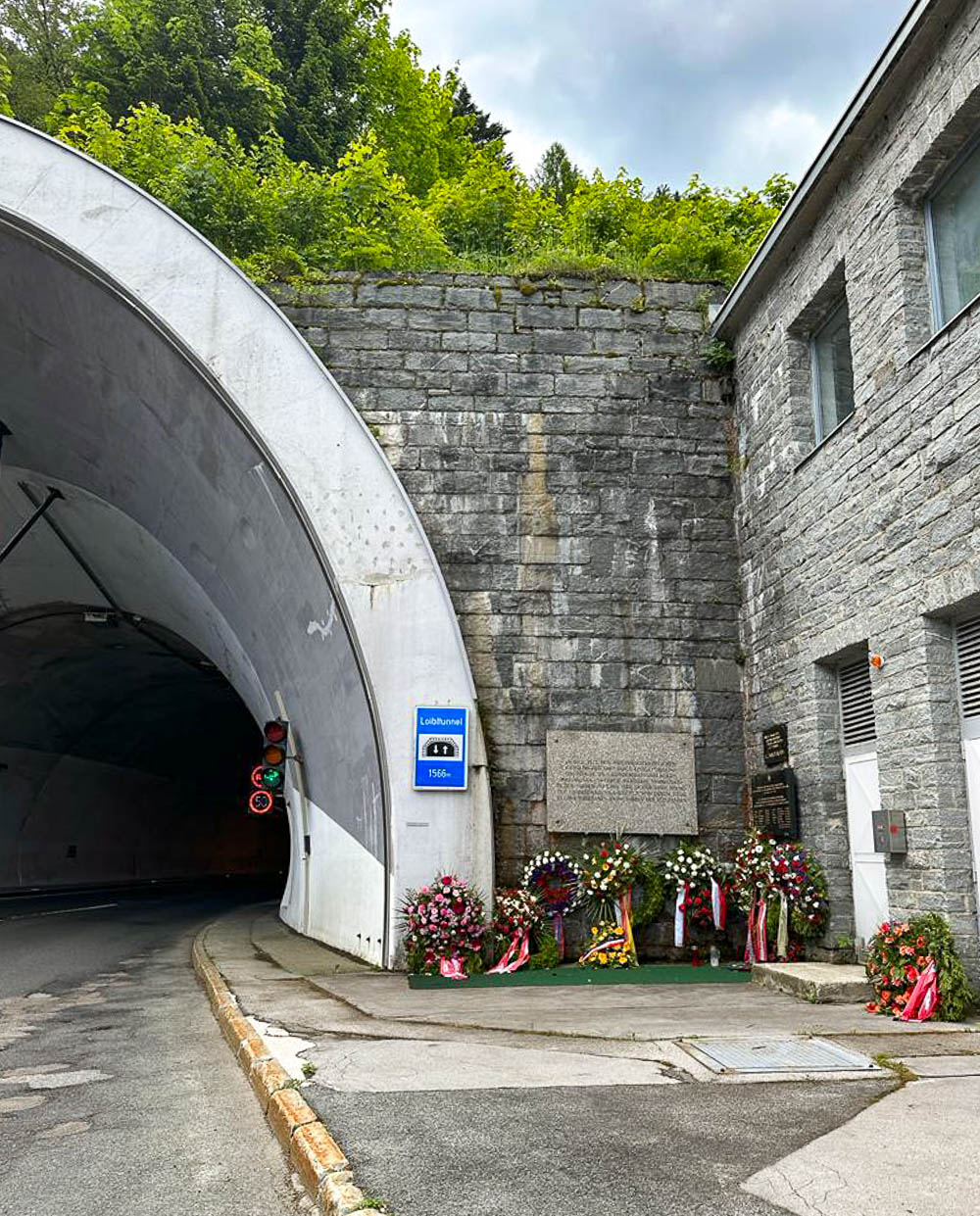
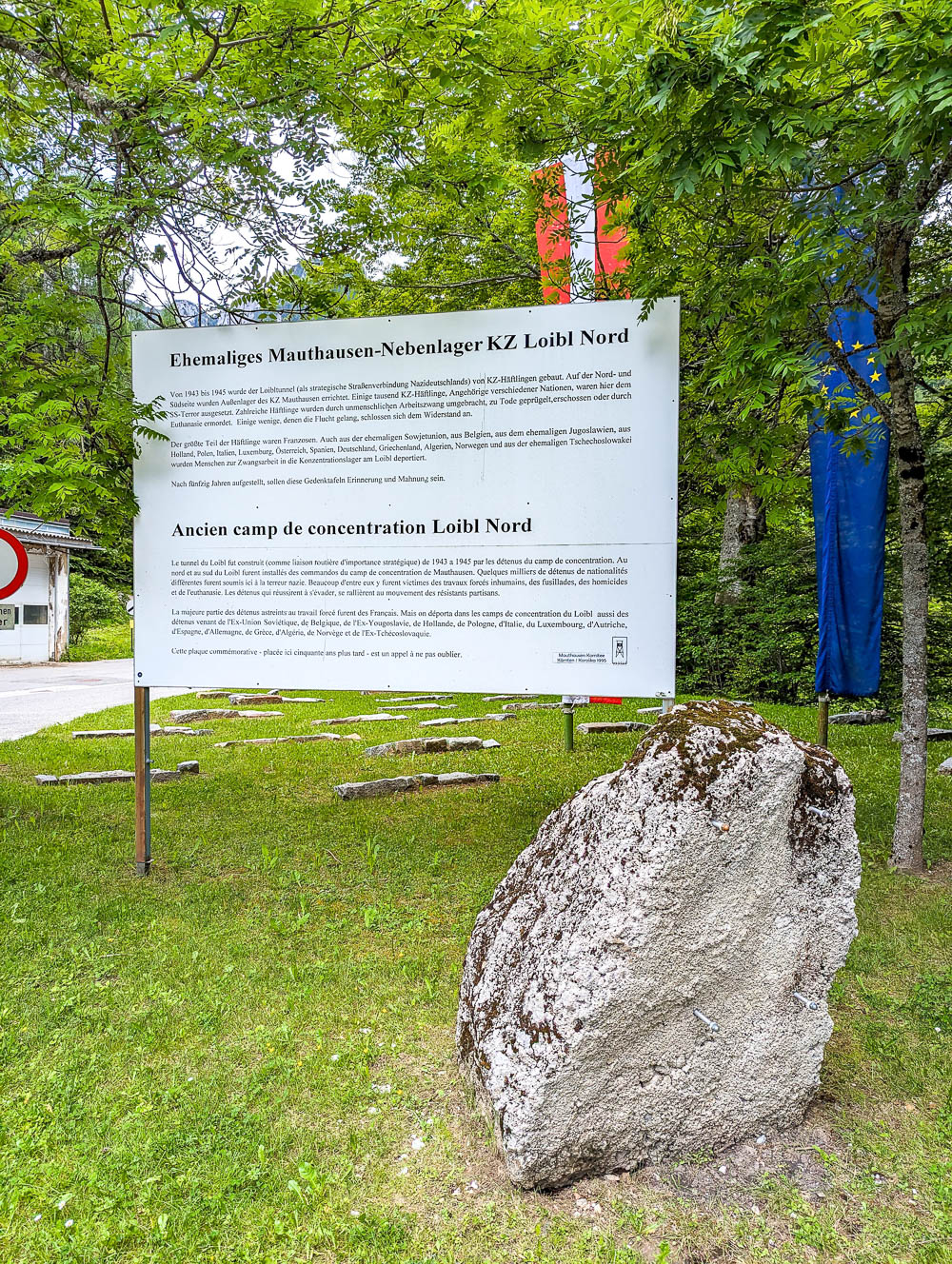
7. Loibl-Nord Concentration Camp Memorial & Tunnel – Ferlach
Down near Austria’s southern border with Slovenia, you’ll find a memorial site dedicated to the former Loibl-Nord Concentration Camp. Before the war, there was no way to get over or around the mountains that separated these two countries in the winter. So, the Nazis recruited slave labor from Mauthausen to dig a tunnel through the mountains.
They opened two subcamps: one on the Austrian side of the mountain (Loibl-Nord) and one on the Slovenian side (Ljubelj-Sud). Prisoners from the two camps worked through dangerous conditions with hardly any food and inadequate clothing, through summers and winters, until they met in the middle. When you see the size and depth of this tunnel, you’ll never understand how they achieved it.
Over in Slovenia, a country significantly more open about their WWII past, you can visit the ruins of the former camp and a small museum. On the Austrian side, there are but a few small memorials to see and probably a very angry border agent who doesn’t want you to see them. (That was my experience at least.)
If you have the time, I highly recommend crossing over to Slovenia and visiting the former camp site and the small museum. On the Austrian side, check out what memorials do exist here (but read my post on visiting Ljubelj Concentration Camp first so you know what’s what.)
Original historic WWII sites in Austria
Here are a few of the more unique original historical sites you can visit in Austria that pertain to World War II:
8. Grand Hotel – Zell am See
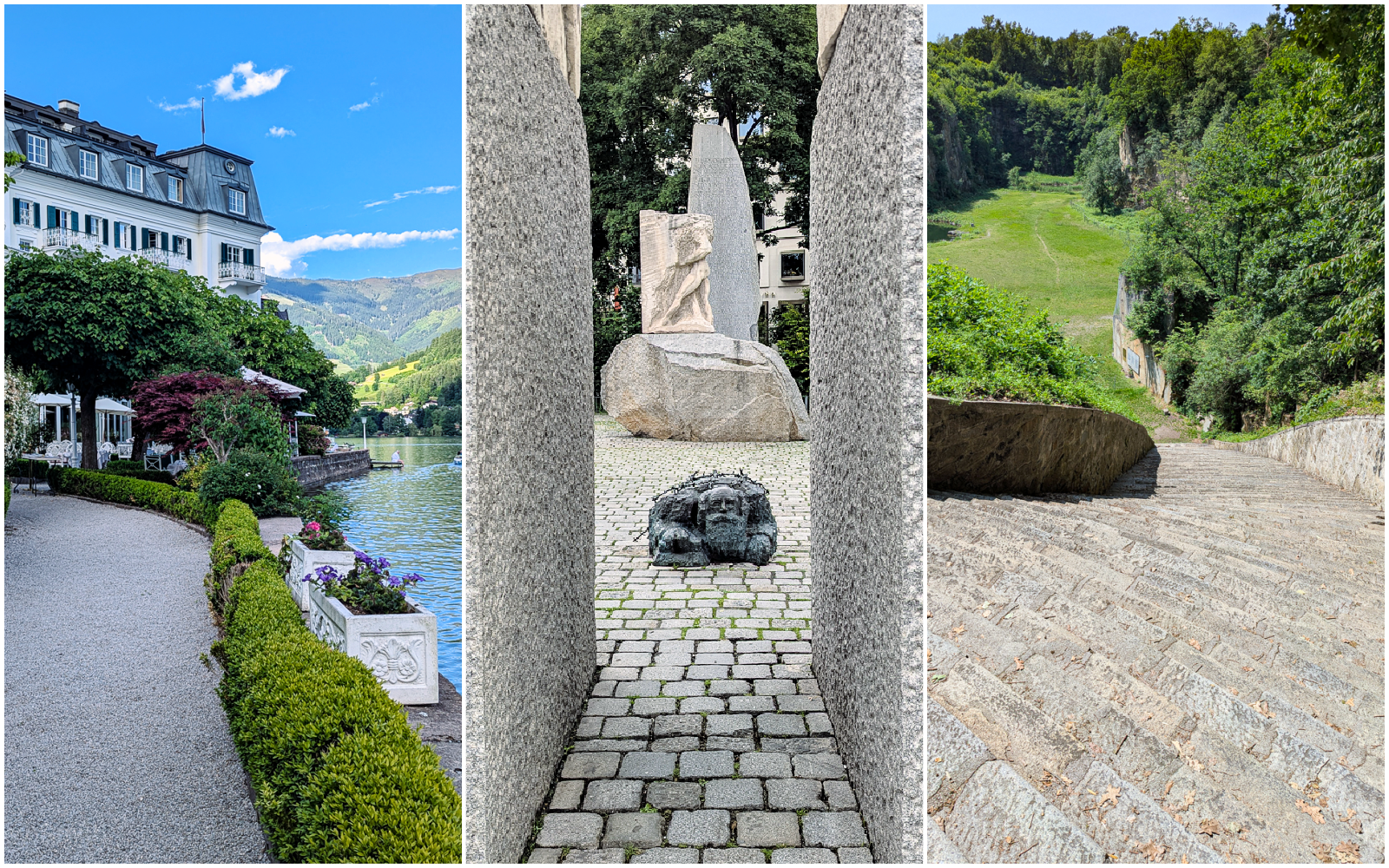
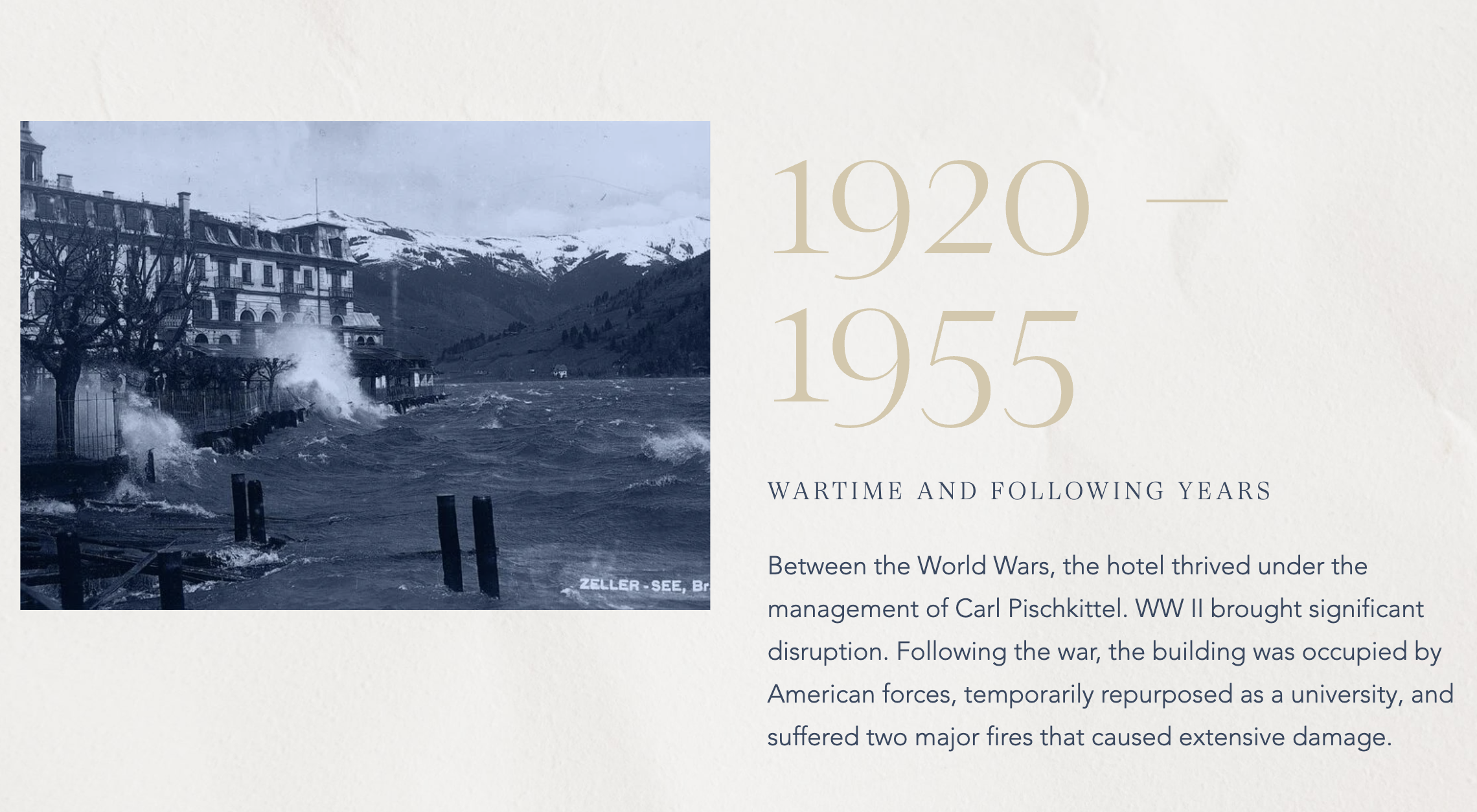
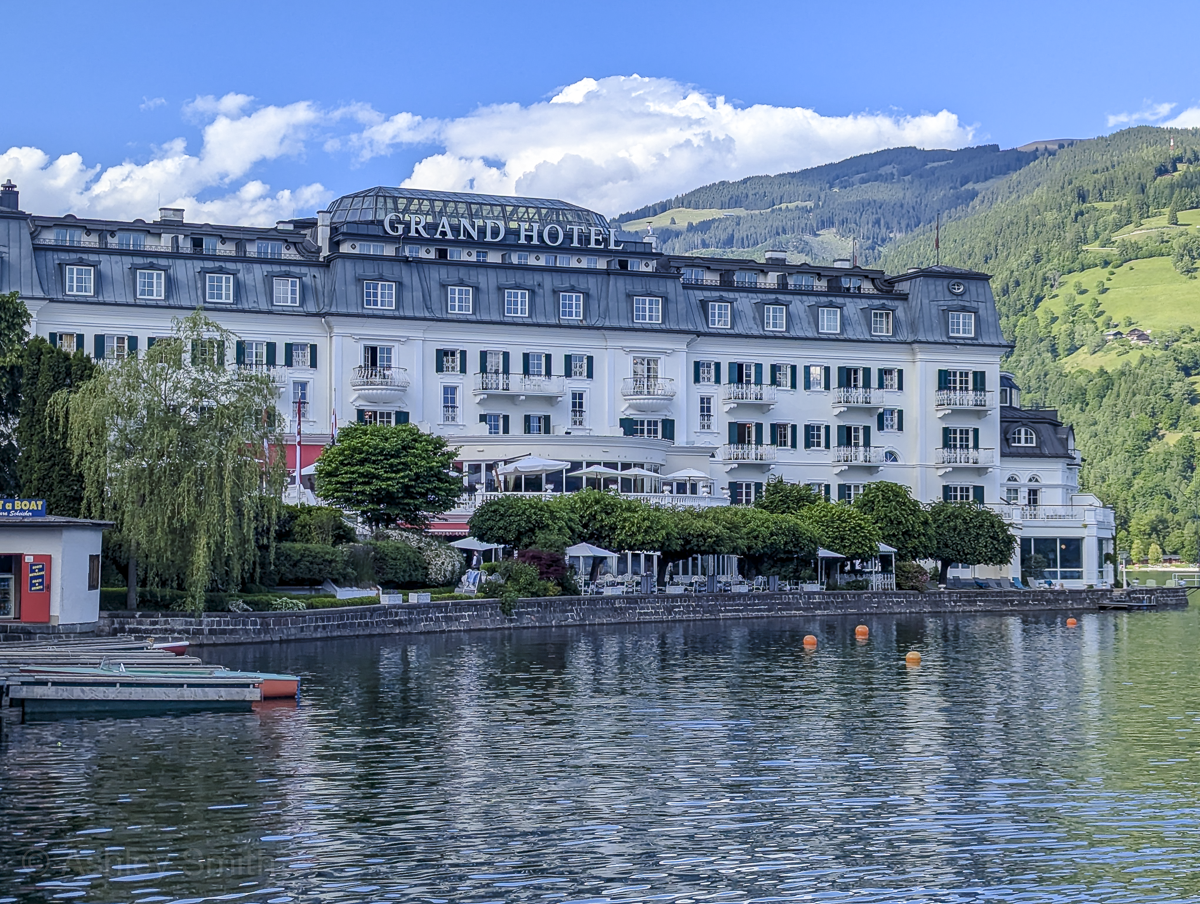
The lakeside resort town of Zell am See is famously where Easy Company of Band of Brothers fame ended their journey across Europe. The men of the 506th Parachute Infantry Regiment then set up headquarters in the town’s largest and grandest hotel–the Grand Hotel Zell am See.
Today, it’s little more than a, well, grand hotel on the lake. There’s not a lot of history to see here, but it’s still iconic as far as Band of Brothers fans are concerned. Check out more on visiting WWII Zell am See here.
9. Salzwelten Altaussee – Near Salzburg
The salt industry is a huge part of Austria’s history so you’d be remiss not to visit a salt mine during your visit. There are salt mines all over western Austria (and into Germany), but there’s one specific one I recommend you visit.
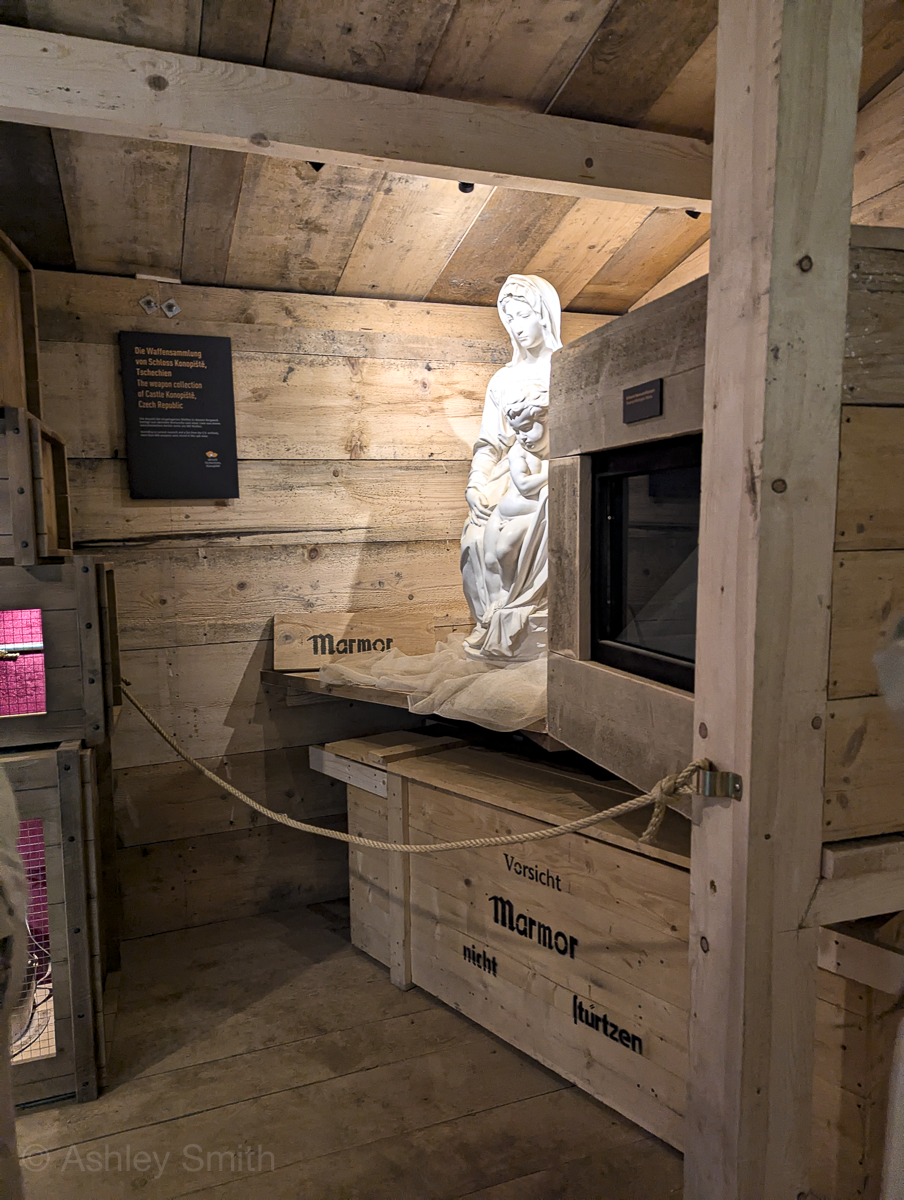
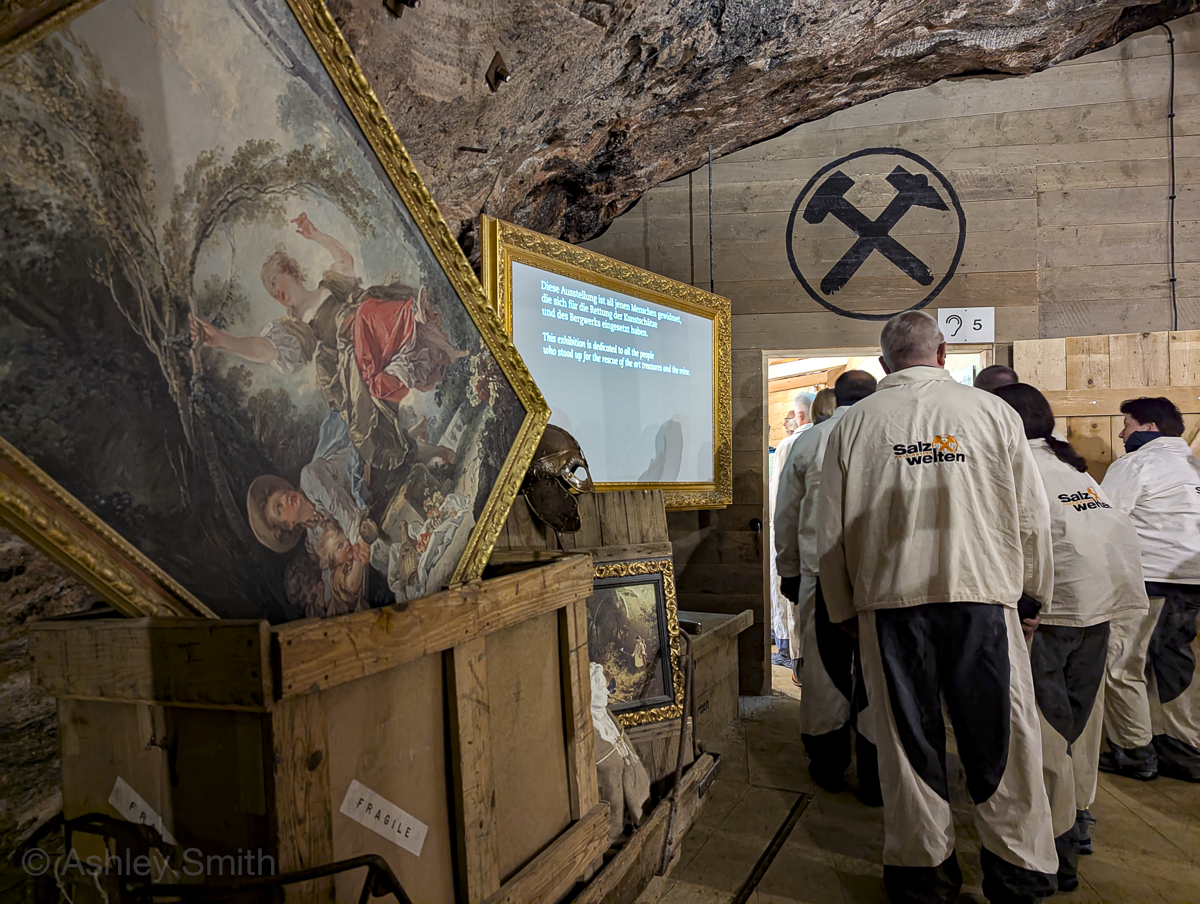
The salt mine at Altaussee is where the Nazis hid tons of stolen art and priceless treasures during the war. This is the one that the US military’s art recovery team (the Monuments Men) discovered just as the Nazis were about to blow it up. Among the treasures stored here were the Bruges Madonna and the Ghent Altarpiece. (Read more about those in my post on Belgium WWII sites.)
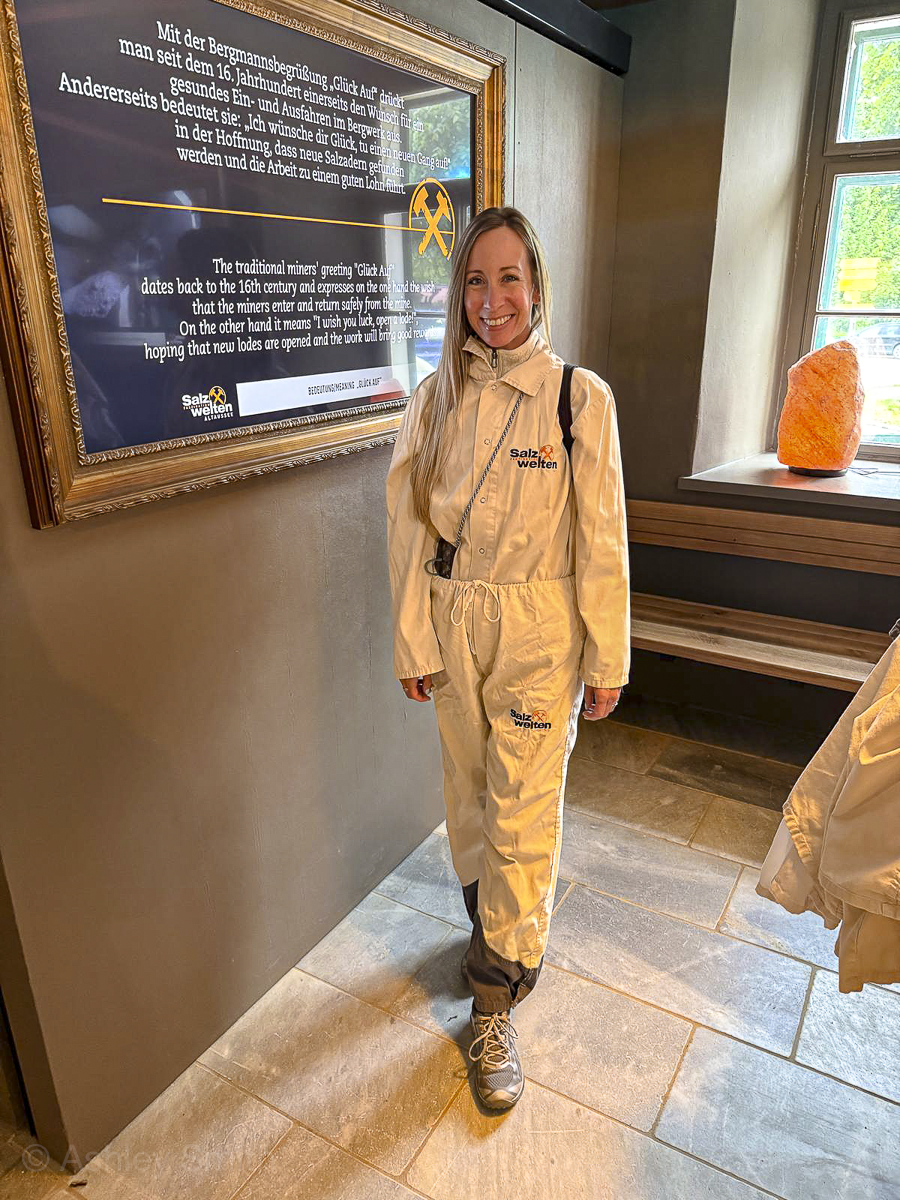
Today, you can don coveralls and take a guided tour through the still-functioning salt mine. Besides teaching you all about salt and brine extraction, you also get to tour the exhibit on the stolen art pieces that were kept here and how they were recovered, etc.
Know what to expect
Be prepared for this exhibit and the accompanying audio guide to wildly underplay any Nazi wrongdoing here. Instead of referring to these and other art pieces as being stolen or looted (as they were), the audio guide instead portrays the Nazis as having graciously brought these pieces here for safekeeping during the war, since the Allies were doing all that pesky bombing. (I was already familiar with Austria’s handling of its Nazi past and was used to this kind of whitewashing, but lemme tell you… the guffaw I guffawed when I heard this…)
Anyway, guided tours are mandatory since this is still a working mine and you get to see and learn some really cool stuff in here. (Just be sure to read Monuments Men before your visit so you know what actually happened here. The book is fantastic, but if you’re short on time there’s also a Monuments Men movie.)
Fancy a little side trip?
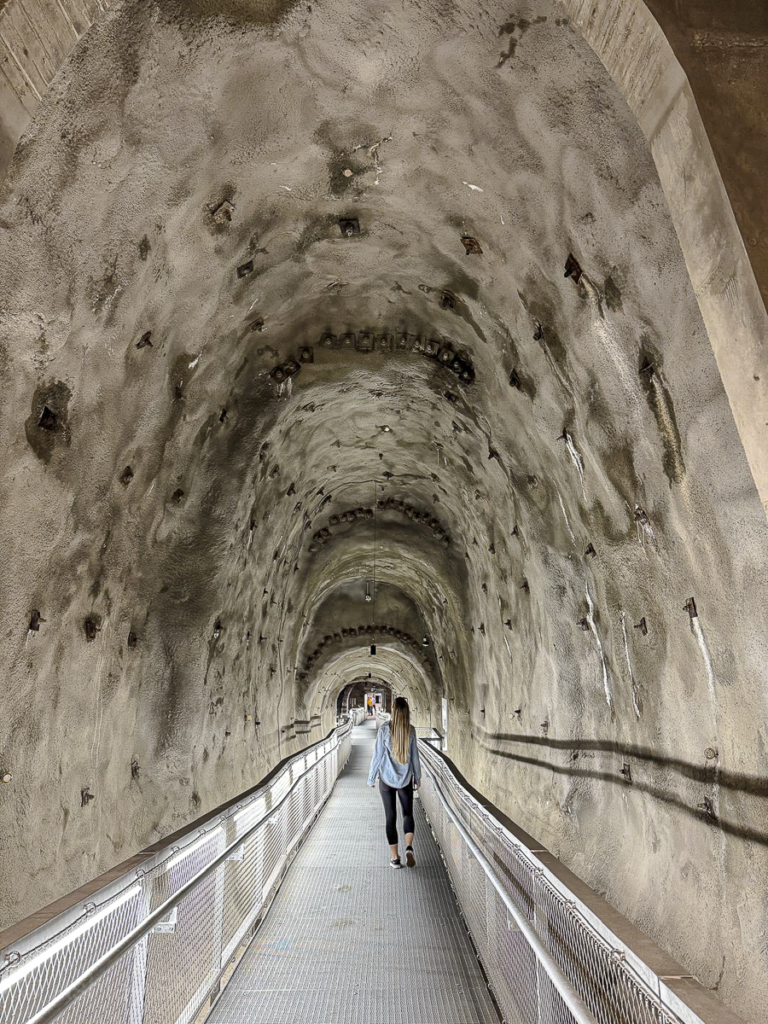
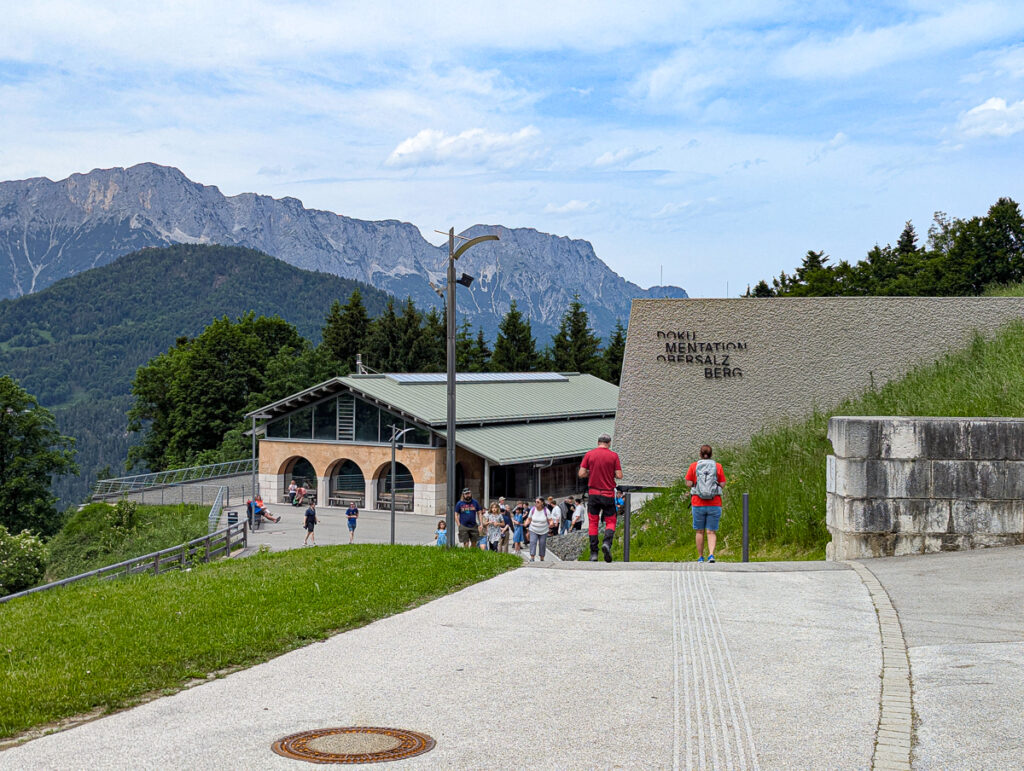
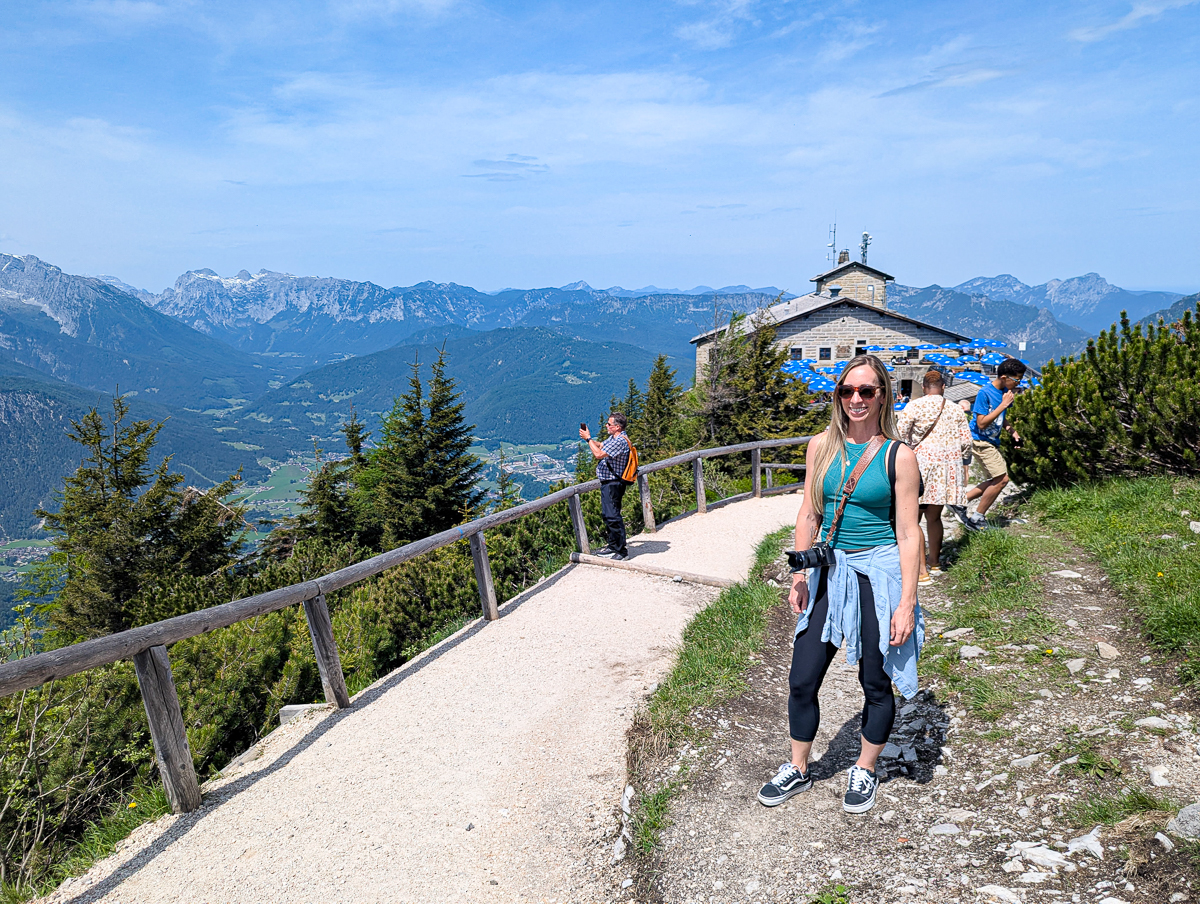
If you’re in the Salzburg area and have an extra day or two to spend here, I highly recommending heading over to Berchtesgaden (in Germany). It’s just a 30-minute drive and there are lots of interesting WWII sites to see here including Hitler’s Eagle’s Nest and the newly renovated Documentation Center Obersalzberg. See more WWII sites in Berchtesgaden here.
10. Limonikeller Tunnels – Linz
Like many European cities, Linz has had a network of tunnels and cellars under the city for centuries (mostly for beer purposes). And as is also common, these tunnels served as air raid shelters during WWII.
Only recently have they opened up these tunnels (called Limonistollen) for guided tours. To book one of these tours, you’ll need to reach out to one of the tour guides listed on this page. They also offer group tours on certain days, but keep in mind these tours are only in German (which is why I had to back out of mine, oops).
11. Erlauf Erinnert – Erlauf
On the evening of May 8, 1945, US General Stanley Reinhart met with Soviet General Dmitrii Drichkin to celebrate the Nazi surrender and end of the war. At this location today you’ll find a permanent exhibition on these historic events and others that happened in this region of Austria (as well as other WWII topics).
WWII monuments & memorials in Austria
Here are a few interesting WWII memorials/monuments you can find around Austria:
12. Stumbling Stones
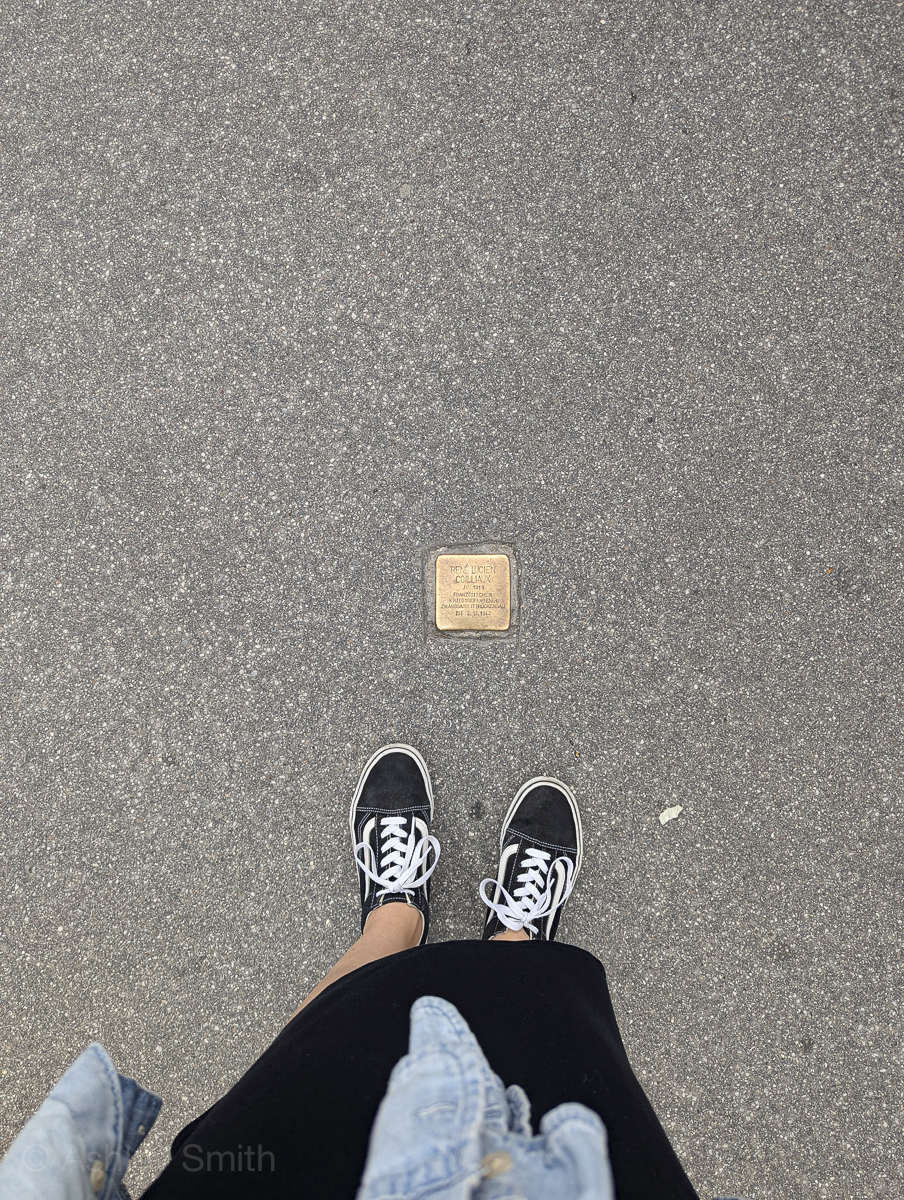
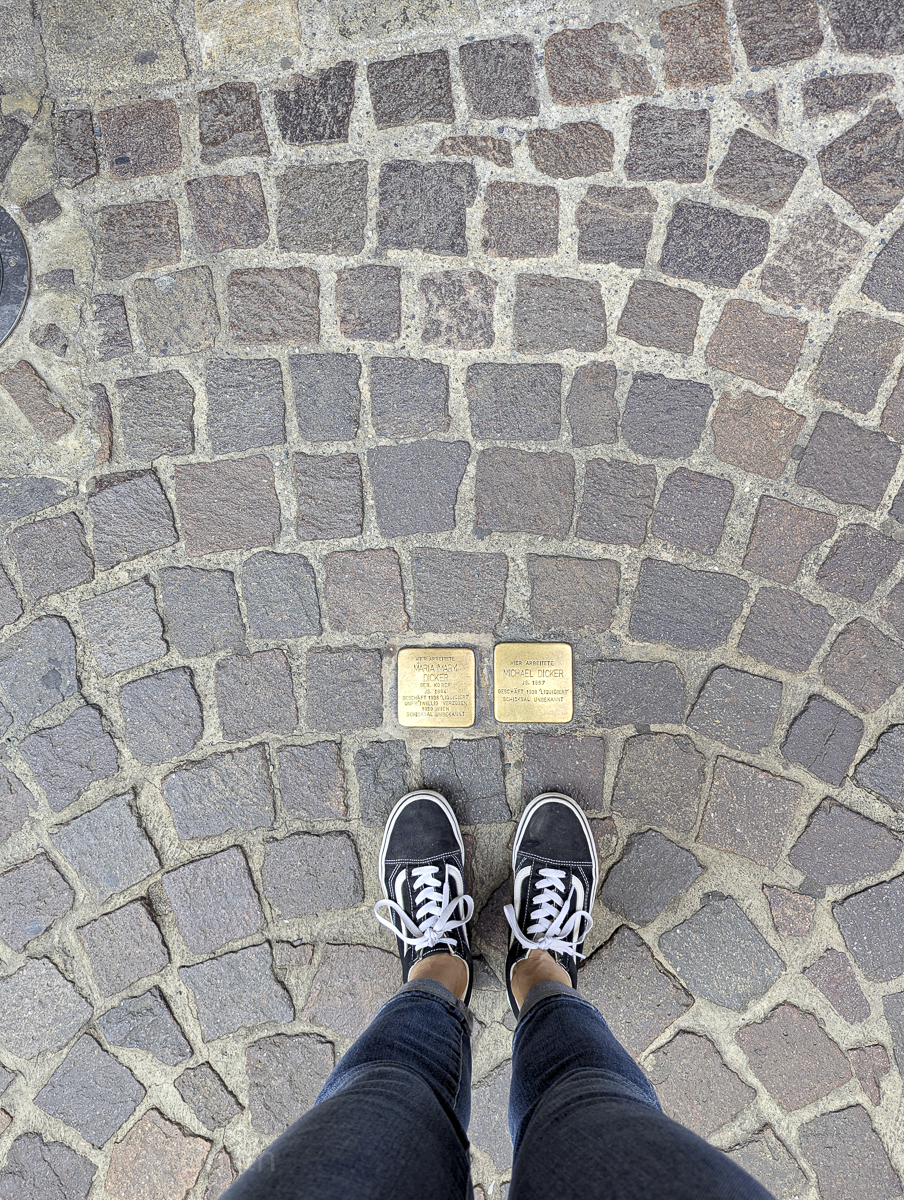
As in nearly all major cities and even small towns in Europe, you can find a collection of Stolpersteine here in Austria. Stolpersteine (“Stumbling Stones”) are small brass cobblestones that serve as individual memorials to Holocaust victims.
These stones typically contain the person’s name, birth and death dates, what camps they were taken to, their manner of death, etc. You can read more about Stolpersteine here.
In Austria, you’ll be able to see these in several places throughout Salzburg, Linz, Graz, and more. I’ve added some of them to the map at the top of this page.
13. Book burning memorial – Salzburg
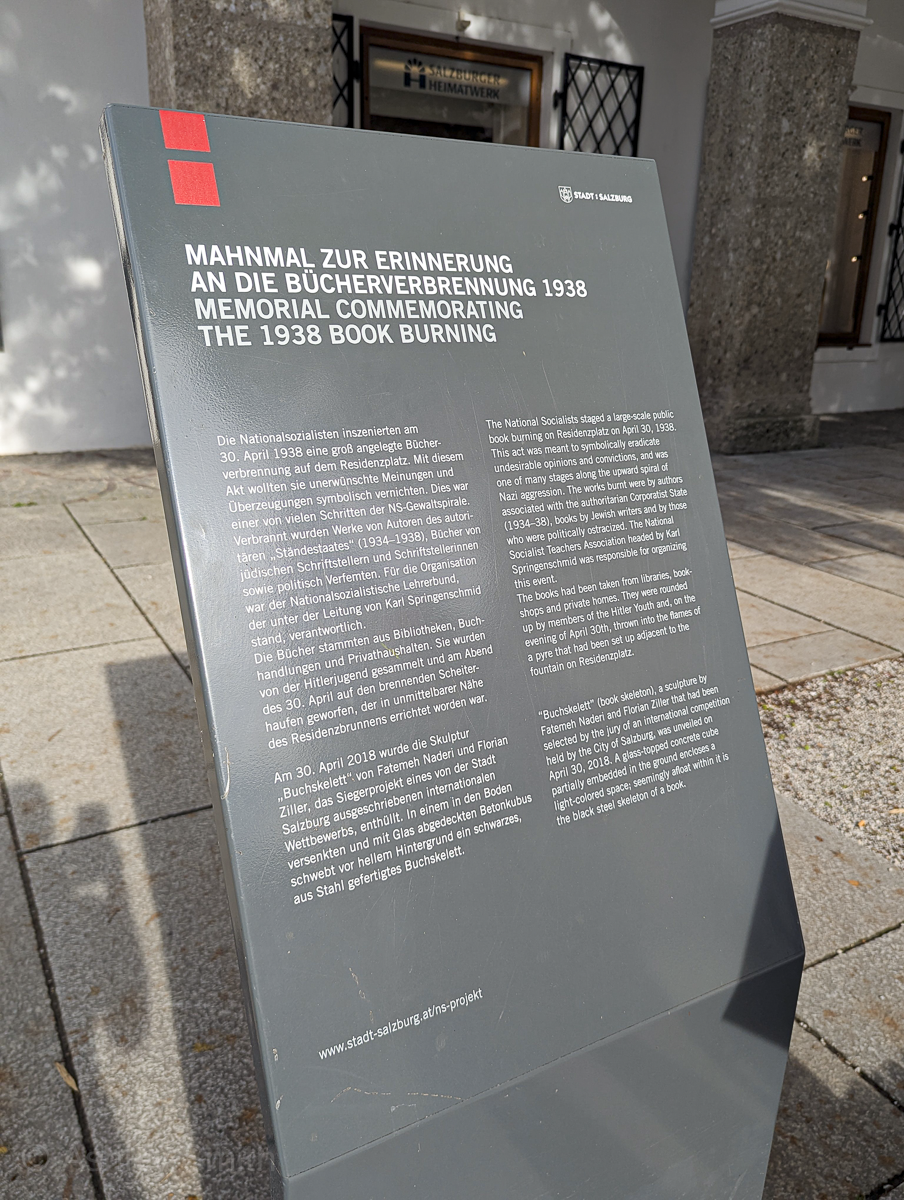
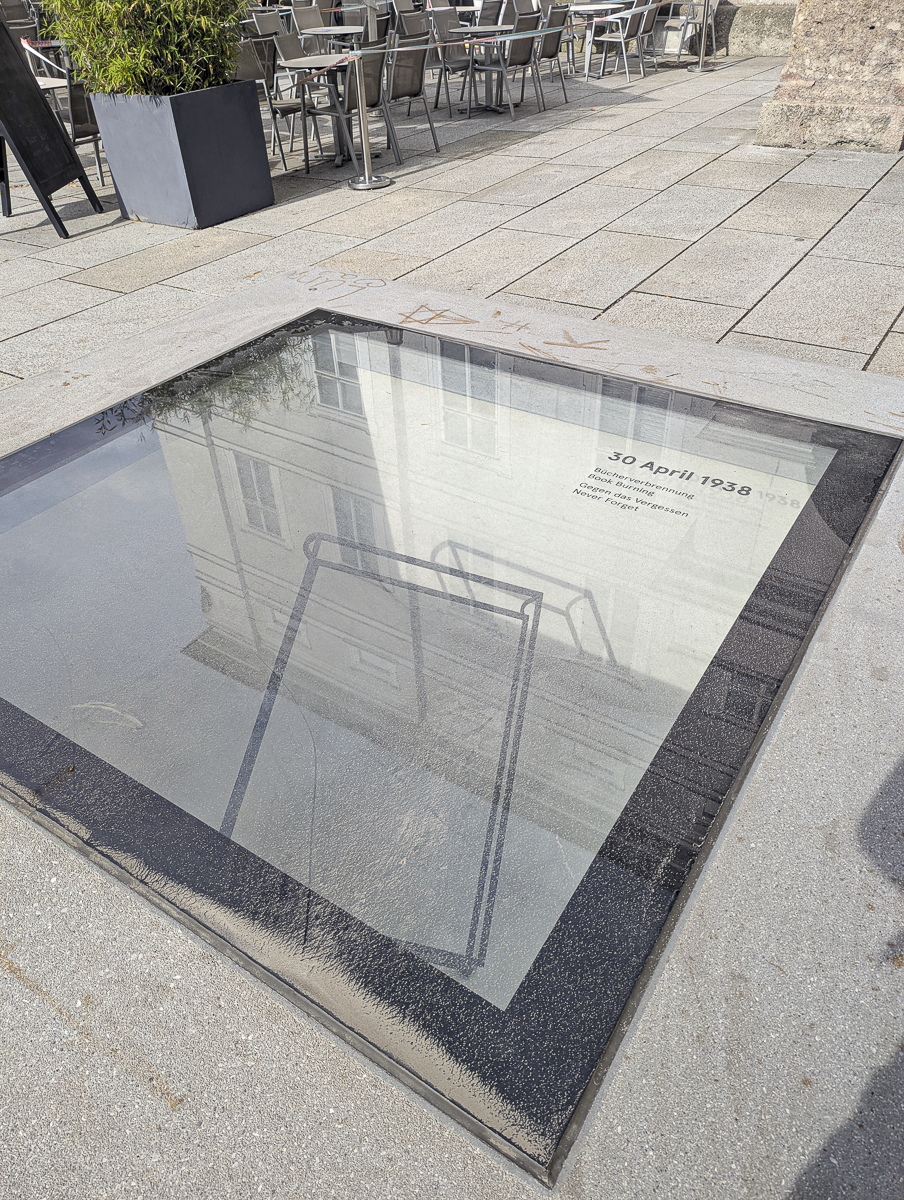
In Salzburg’s Residenzplatz you can see a piece of art called Buchskelett (“Book Skeleton”). This piece serves a memorial commemorating the 1938 Nazi book burning that took place here.
Several other formerly occupied cities also have similar book burning memorials, notably Frankfurt and Berlin.
14. Monument Against War and Fascism – Vienna
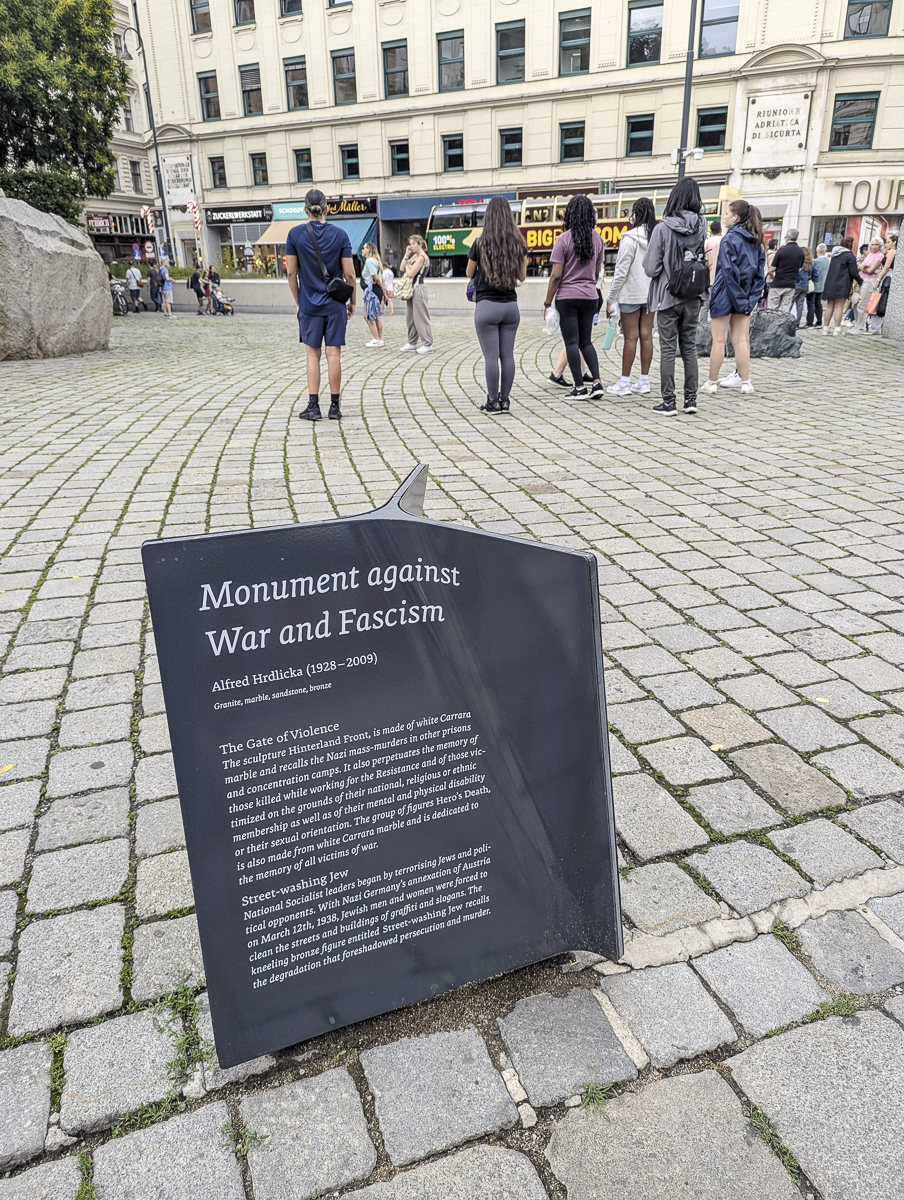
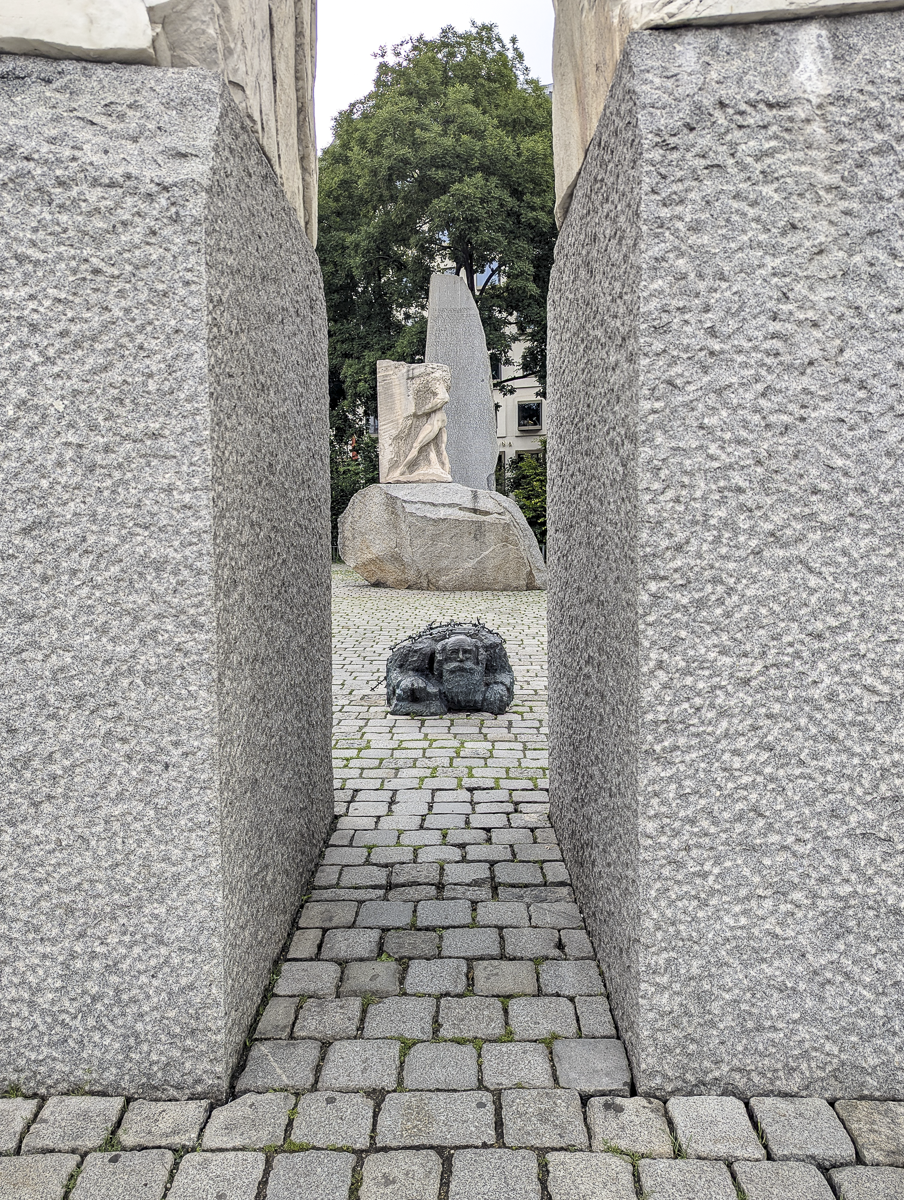
This large “walk-in” monument in Austria’s capital consists of several different elements, all of which seek to commemorate different victims of war and fascism. Certain elements specifically honor victims of mass murder by the Nazi regime, those killed in the Aktion T4 programs, political opponents, Jews, and more. One sculpture features a woman giving birth which is said to represent Austria’s rebirth after the war. More on this monument here.
Miscellaneous WWII sites in Austria
Here are a few more interesting WWII sites in Austria that just don’t fit into the other categories. You’ll see what I mean…
15. Hitler & Mussolini stained-glass window – Graz
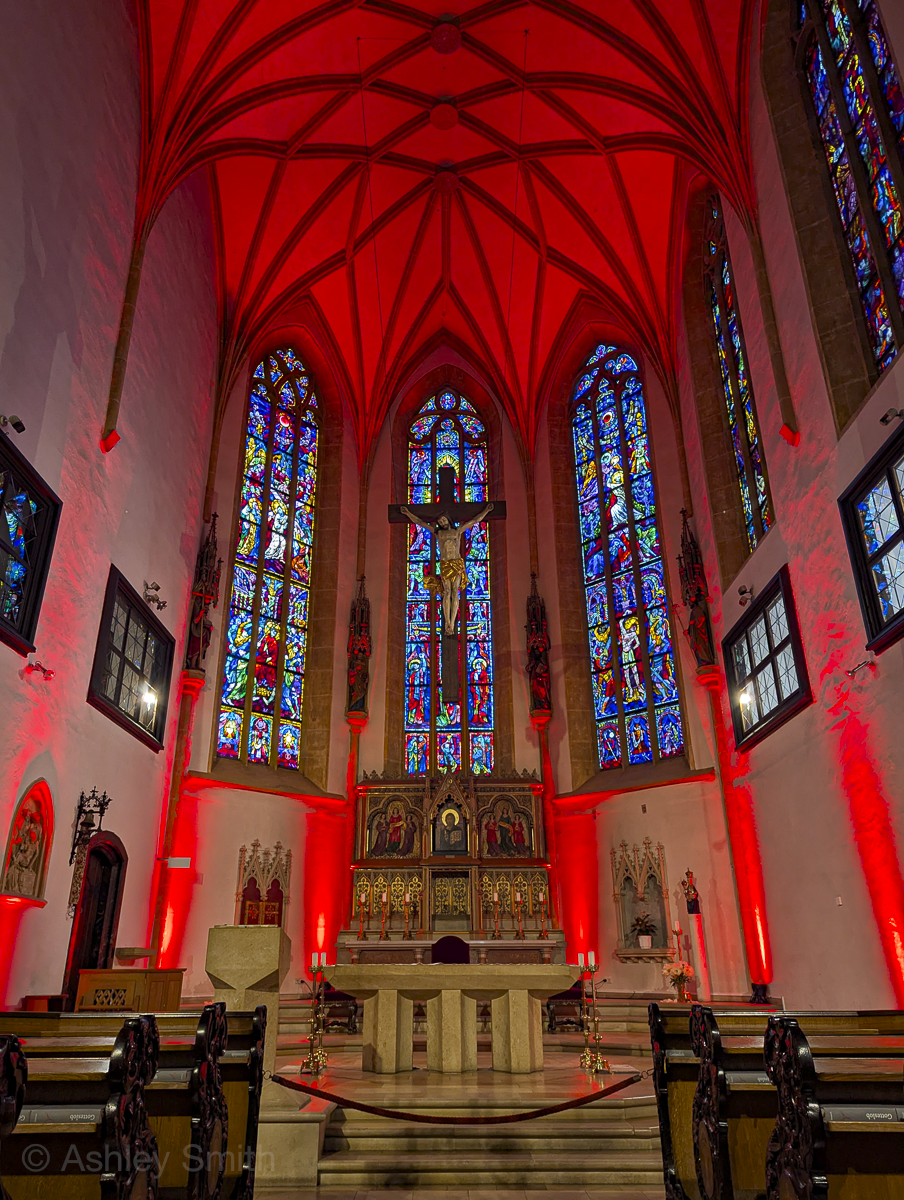
Behind the grand altar at Graz’s City Parish Church you’ll see some tall stained-glass windows. One of those windows has something (probably) no other church window in the world has – depictions of both Adolf Hitler and Benito Mussolini.
You see, the chapel’s original stained-glass windows were destroyed by a bomb during the war. After the war, the church commissioned an artist from Salzburg to make some new ones. This artist–Albert Birkle–had previously been classified as a “degenerate artist” by the Nazi regime.
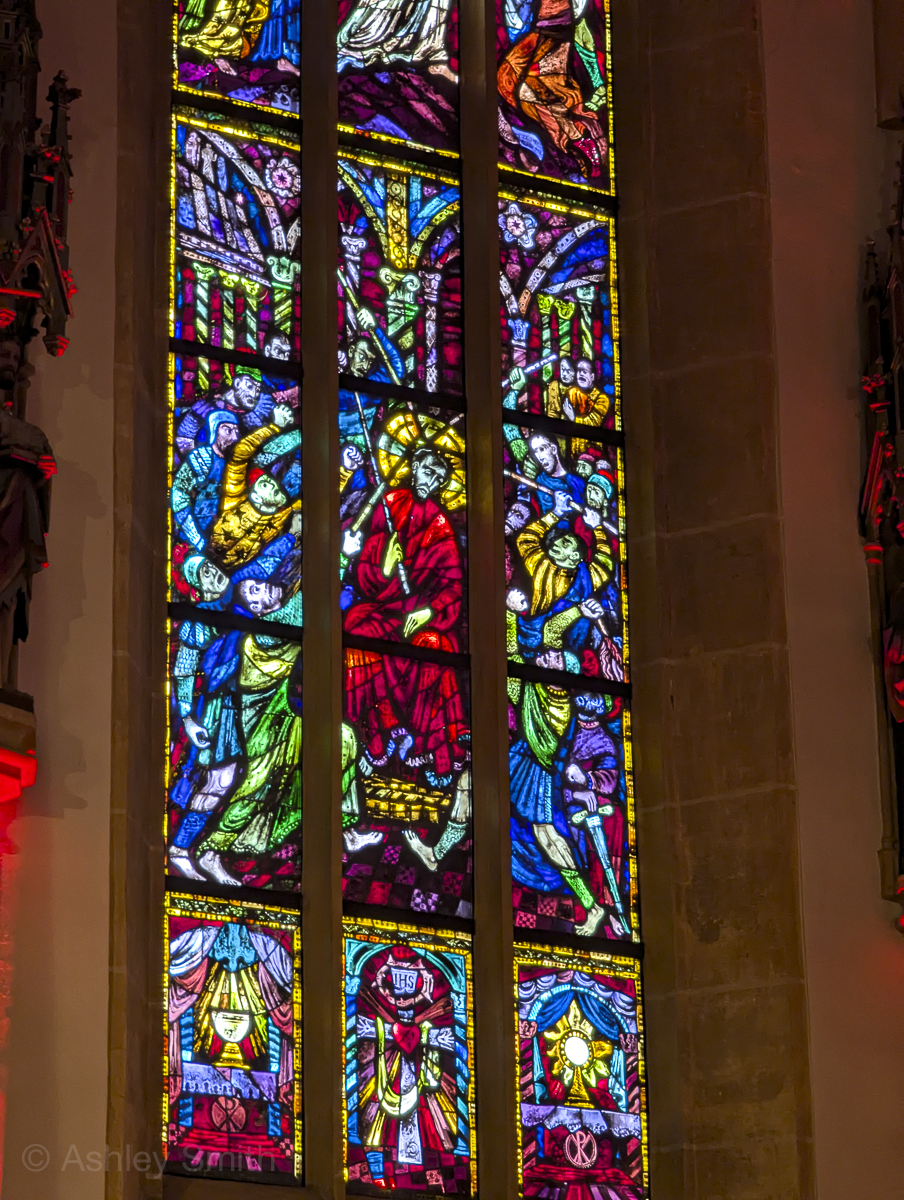
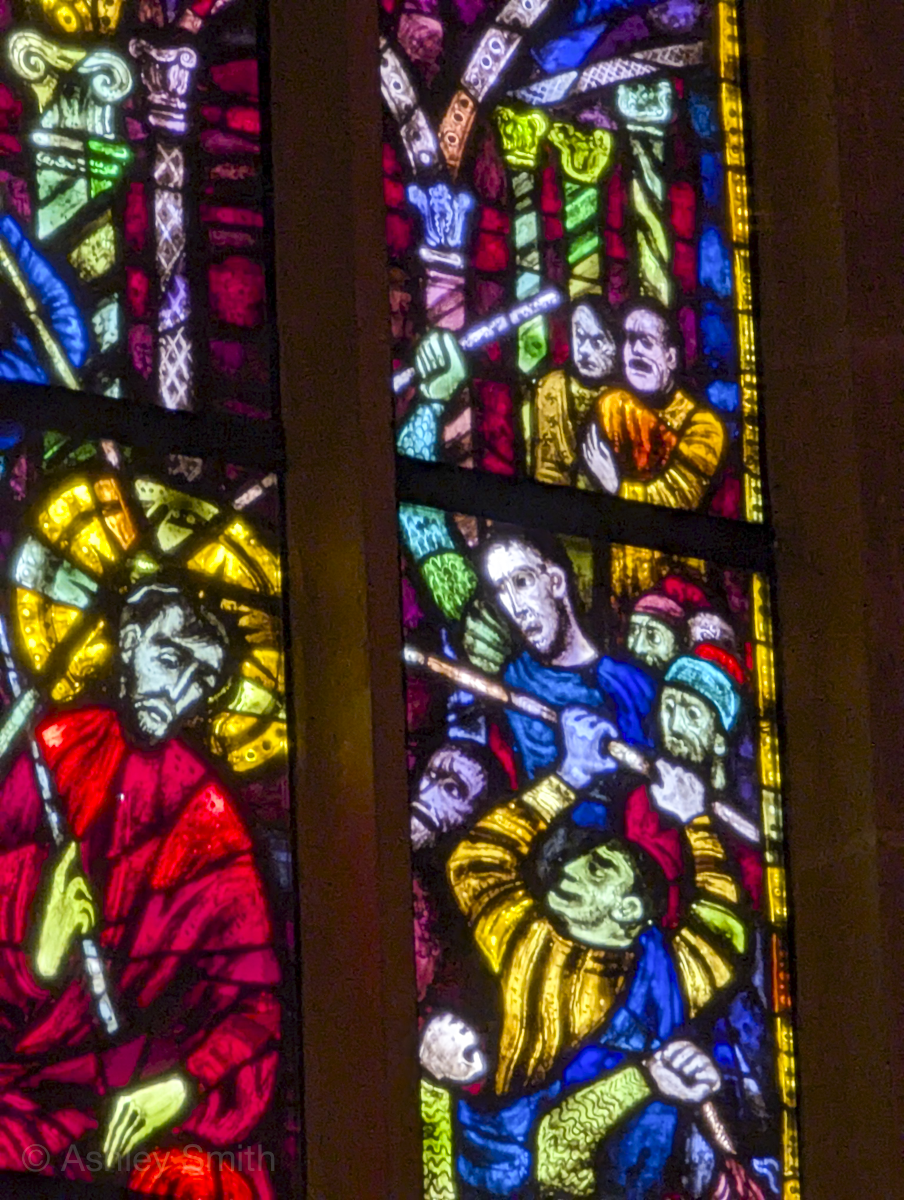
The new window designs follow familiar themes like Old Testament scenes, the crucifixion, etc. The window I’m talking about here depicts Jesus being beaten and crowned with thorns. Birkle, as a little form of payback, threw Hitler and Mussolini in there among Jesus’s tormenters. You can find them in the far left window, in the top right pane of the bottom section.
For more interesting (non-WWII) things to do in Graz, see my mini Graz travel guide here.
16. Hitler’s Birthplace – Braunau am Inn
If you feel so inclined and will be in the area, you can stop by and see the building that served as Hitler’s first home and birthplace. (I feel uncomfortable even mentioning this to you.)
Hitler was born in the building at Salzburger Vorstadt 15 in 1889. Saved from being destroyed in 1945, it has since served many purposes including as a school, bank, library, and more. From 2016 on, it sat mostly unused while Austrian authorities wrestled with what exactly to do with it.
Tearing it down would constitute historical erasure, for which Austria is already criticized. Conversely, the woman who lived here at the time argued that publicly acknowledging the building’s history would “intrude on her rights of ownership,” so that option was out. (I’m rolling my eyes here.)
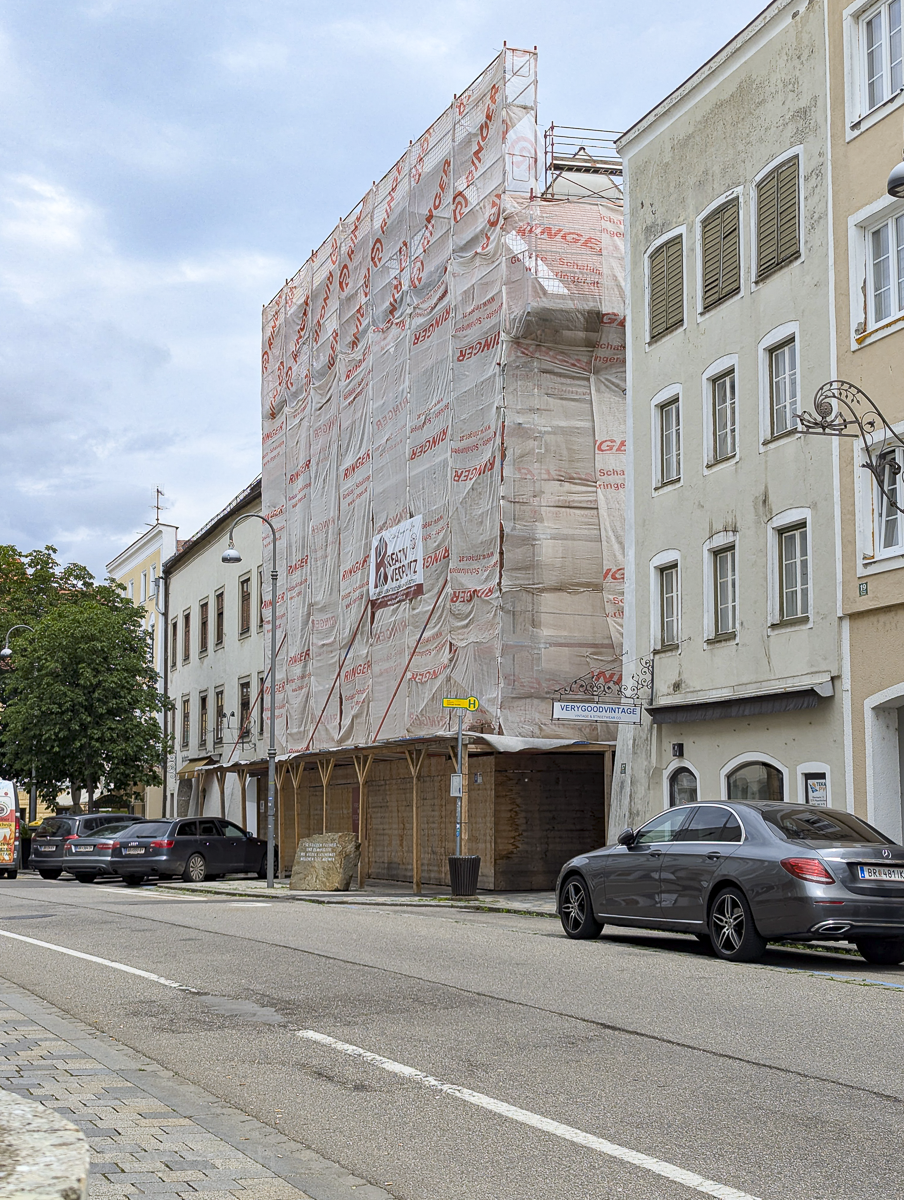
Instead, they recently decided they would turn it into a “human rights training center” along with a police station, so, try and wrap your head around that one. When I visited in June 2025, scaffolding covered the entire building so obviously something is in the works.
Scaffolding aside, there’s really nothing to see here. Still no sign denoting its historical significance, no photos or information. This is why I say to only stop by if you’re already in the area and morbidly curious.
17. Memorial Stone Against War and Fascism
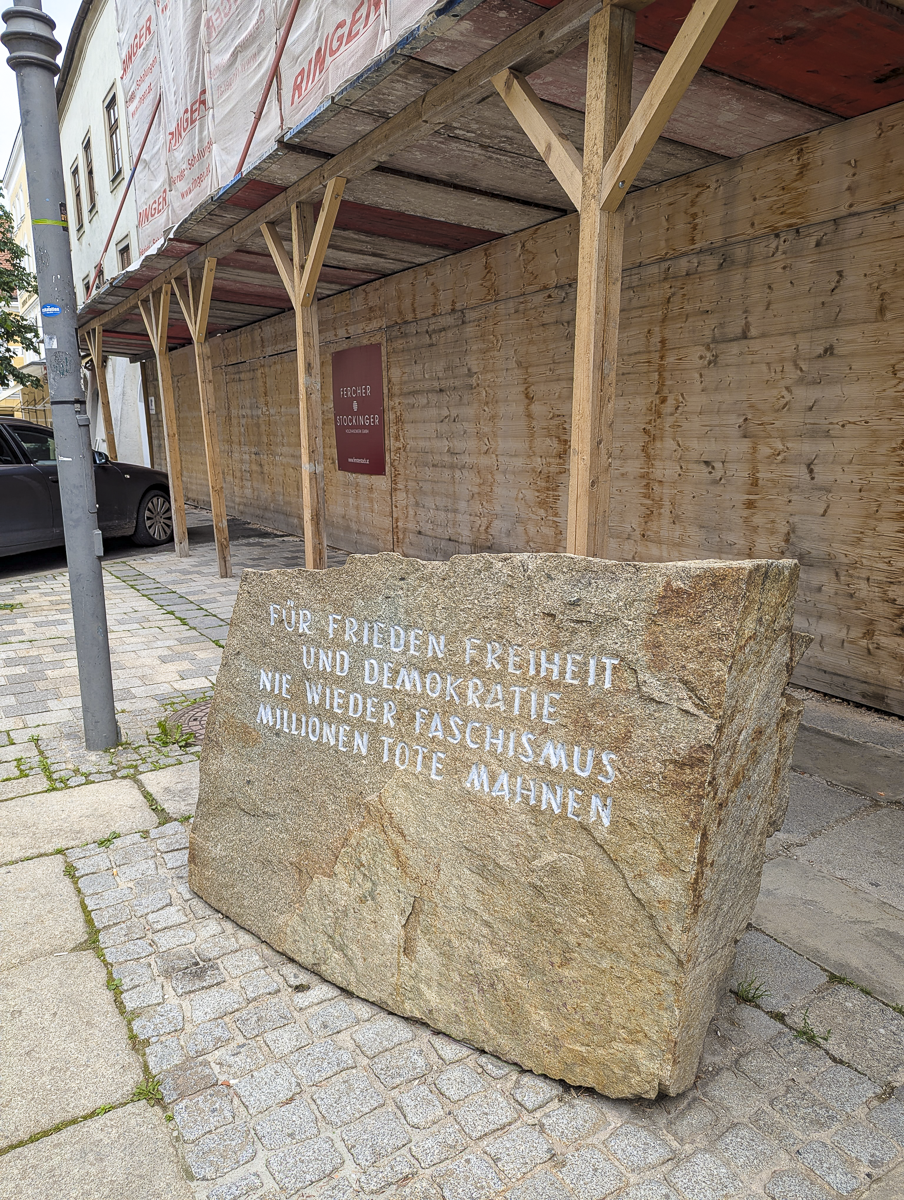
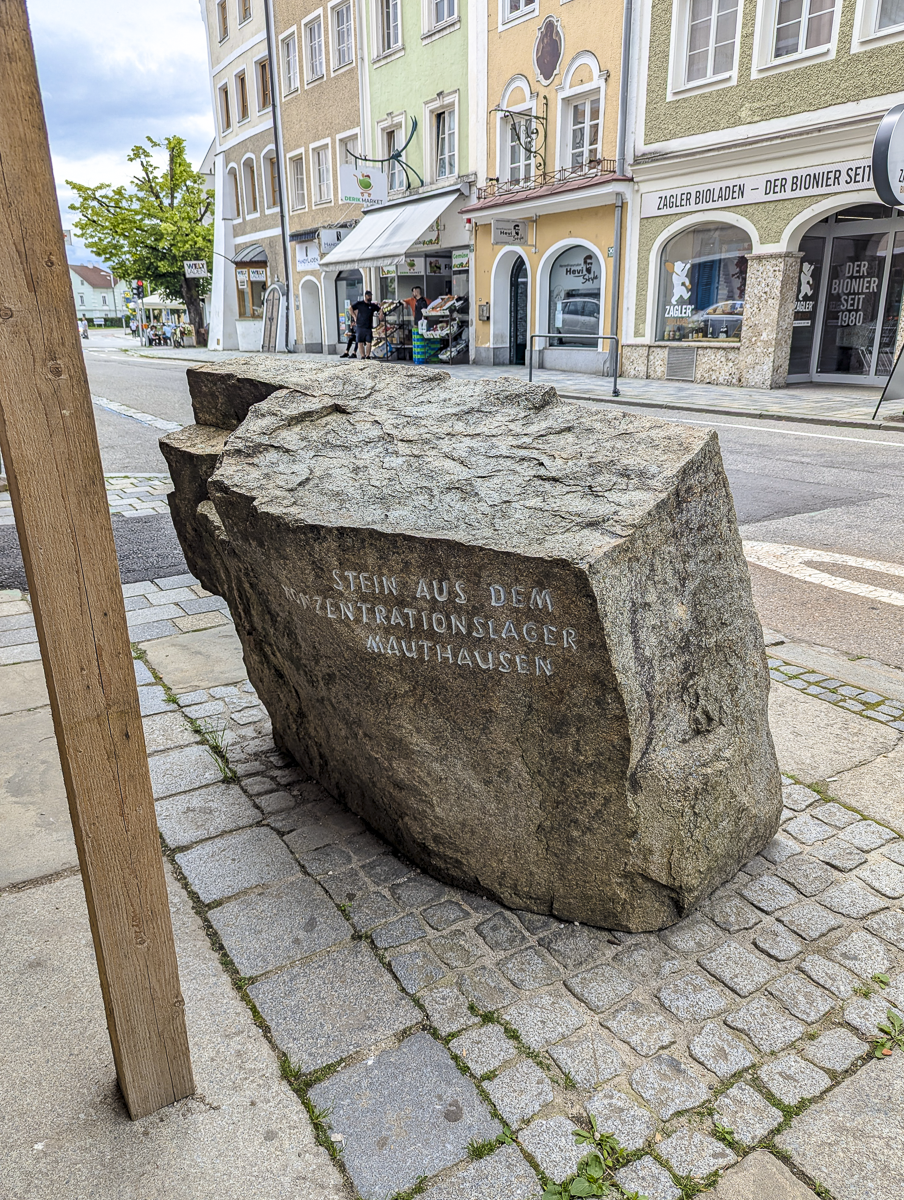
In April 1989 however, just ahead of Hitler’s 100th birthday, the state installed a memorial stone directly in front of the building. The stone came from the quarry at Mauthausen Concentration Camp and reads (in German):
For peace, freedom
And democracy
Never again fascism
Millions of dead are a warning
Braunau am Inn
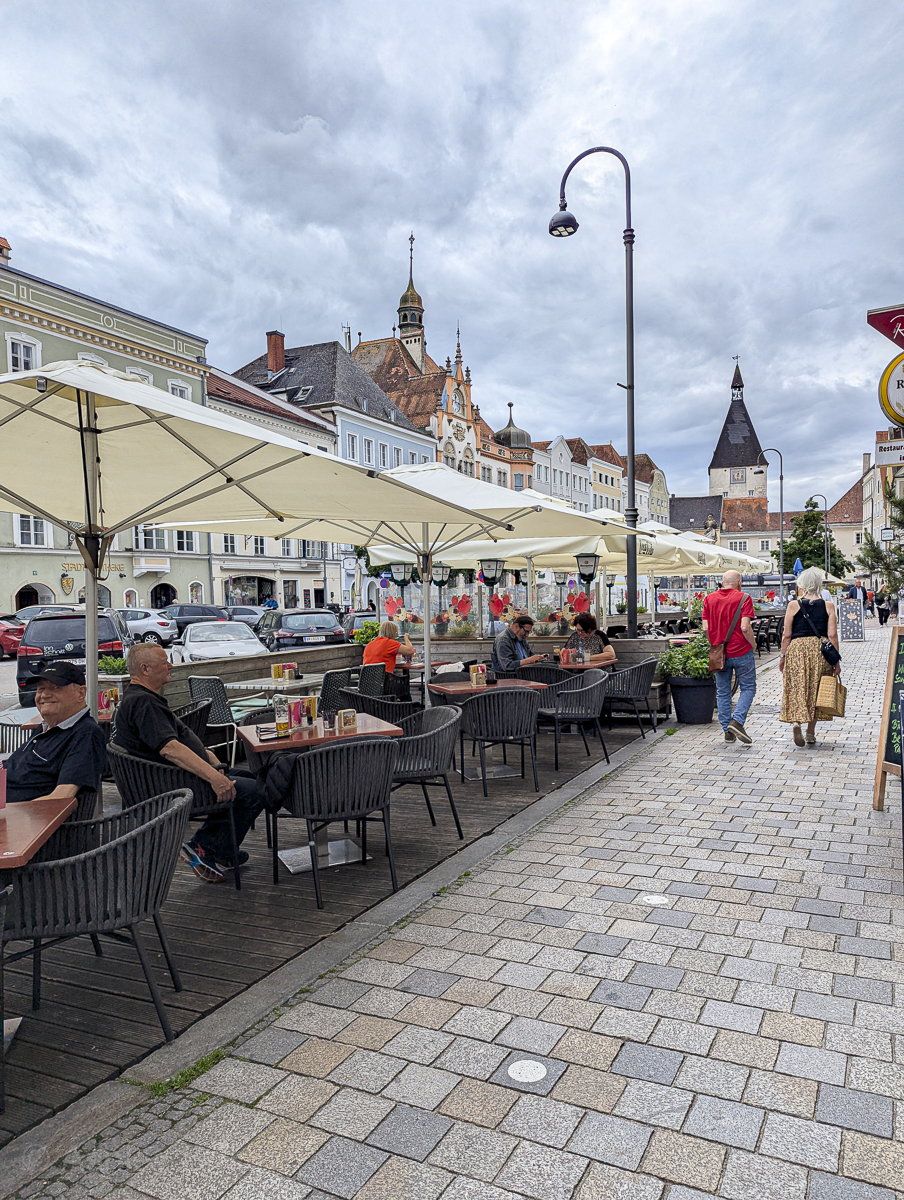
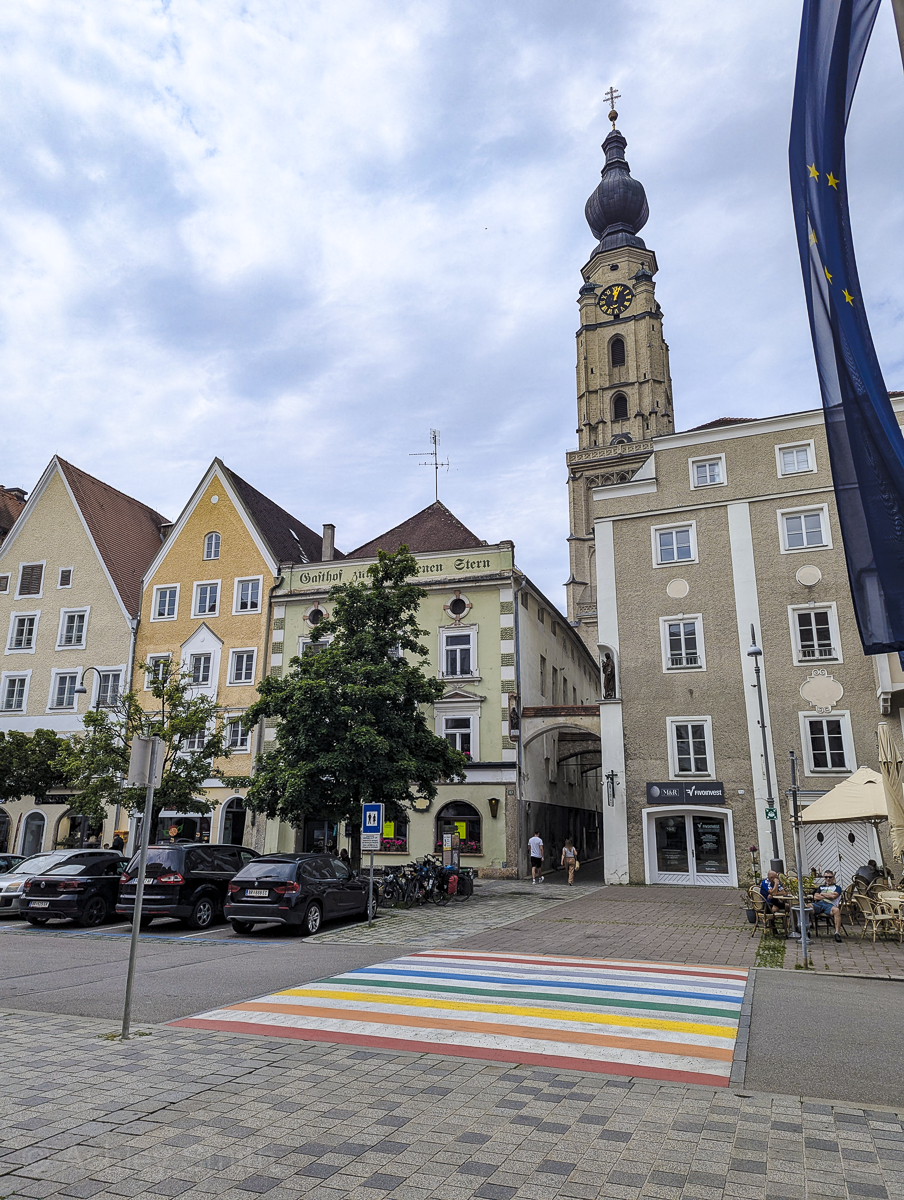
Unfortunate history aside, Braunau am Inn is a lovely little town with a cute town center. It was on my way to Vienna so my friend and I stopped and had lunch. Seeing as how this small town doesn’t get a lot of tourists, we were stared at a lot and I was questioned a bit on what I was doing there (and what my tattoos meant). So, I’ll just say the local residents, while friendly, do seem a bit suspicious. Given this vibe, I did my best to blend in and made sure I took my photos on the sly.
More info for your visit to Austria
- Hotels: Find great places to stay on Booking.com (my go-to). Expedia and Hotels.com are worth checking too. VRBO is best for apartment rentals.
- Rental cars: Check out the best rental car deals here.
- Local tours & activities: Check out all the great local options from Viator and Get Your Guide here.
- Don’t forget an Austria guidebook and this must-have Austria customs and culture guide!
- Want more? See all my Austria posts here.
Like this post? Have questions about visiting any of the WWII sites in Austria? Let me know in the comments below. Thanks for reading.

Save this info, pin this image: