

If you’ll be visiting Berlin with hopes of exploring the city’s World War II history, you’re more than in luck. In fact, you’ve actually hit the history nerd jackpot. For better or worse, there is (what feels like) an infinite number of WWII sites in Berlin—amazing museums, meaningful monuments and memorials, and tons of original historical sites to see. This post covers more than 50 of them. Buckle up!
World War II in Berlin
As the capital of Germany, Berlin inevitably became the primary Nazi seat of power when Hitler became chancellor in 1933. As the Nazi regime’s main hub, Berlin saw it all—the violent rise of authoritarianism, all stages of the Holocaust, monumental expansion and development, grand propaganda events, bombing and destruction, and eventually surrender.
Berlin was home to such consequential events as the Reichstag Fire which essentially gave the Nazis the power to be Nazis (as we’ve come to know them). It hosted the Olympics in 1936–one of the most blatant propaganda events in history. It was bombed into oblivion, captured by the Soviets, and split into four parts after the war.
I couldn’t even begin to try to sum up all that happened in Berlin during World War II here, so I’ve sprinkled some books and movie suggestions throughout this post so you can dig deeper into these topics. You can find these all on Amazon and/or on my Bookshop.org page. (Look for the green boxes, like this one…)
Book suggestion: The Fall of Berlin 1945 by Antony Beevor (2003) – Basically, what happened in Berlin as the Red Army closed in and the Nazi regime knew it was all over. Available on Amazon and Bookshop.org.
Visiting Berlin’s WWII sites today
The main thing to know when planning to visit Berlin’s WWII sites is that there are so many. Depending on how long you plan to spend in Berlin, you’ll need to either narrow your list way down or add a few more days to your trip.
Because there are so many, I’m not going to list every single one of them here. Instead, I’m going to do my best to list only the most popular, relevant, interesting, and/or easily accessible ones. And since this list is still going to be a long one, I’m only going to briefly describe each of them in lieu of a more elaborate explanation. But I will include links so you can learn more.
The best Berlin WW2 tour
One of the best ways to see several of the most interesting WWII sites in Berlin is to take a guided tour, and I just so happen to know the best one.
My friend Matti of toursofberlin.com offers private guided WW2 tours around Berlin and I can’t recommend them enough. He’s a local expert historian and such a genuinely kind and welcoming person. He offers several different tour options centered around different topics and his rates are more than reasonable. I had such an incredible day touring Berlin with him and can’t wait to do it again.
Pro tip: Tell Matti I sent you when you book and he’ll give you a little discount off your tour cost. 🙂
Map of WWII sites in Berlin
This map contains all the Berlin WWII sites I mention in this post. To save this map: Click on the star ⭑ next to the map’s title to save in your Google Maps. To use this map: When you get here, open Google Maps on your phone, click “Saved” at the bottom, then click “Maps.”
WWII museums in Berlin
There are tons of WWII museums in Berlin for just about any topic you’d like to learn more about. Here are some of the best ones:
1. Memorial to the Murdered Jews of Europe Information Center
The Memorial to the Murdered Jews of Europe is arguably the most famous of all of Berlin’s WWII sites, but that’s not what we’re talking about here.
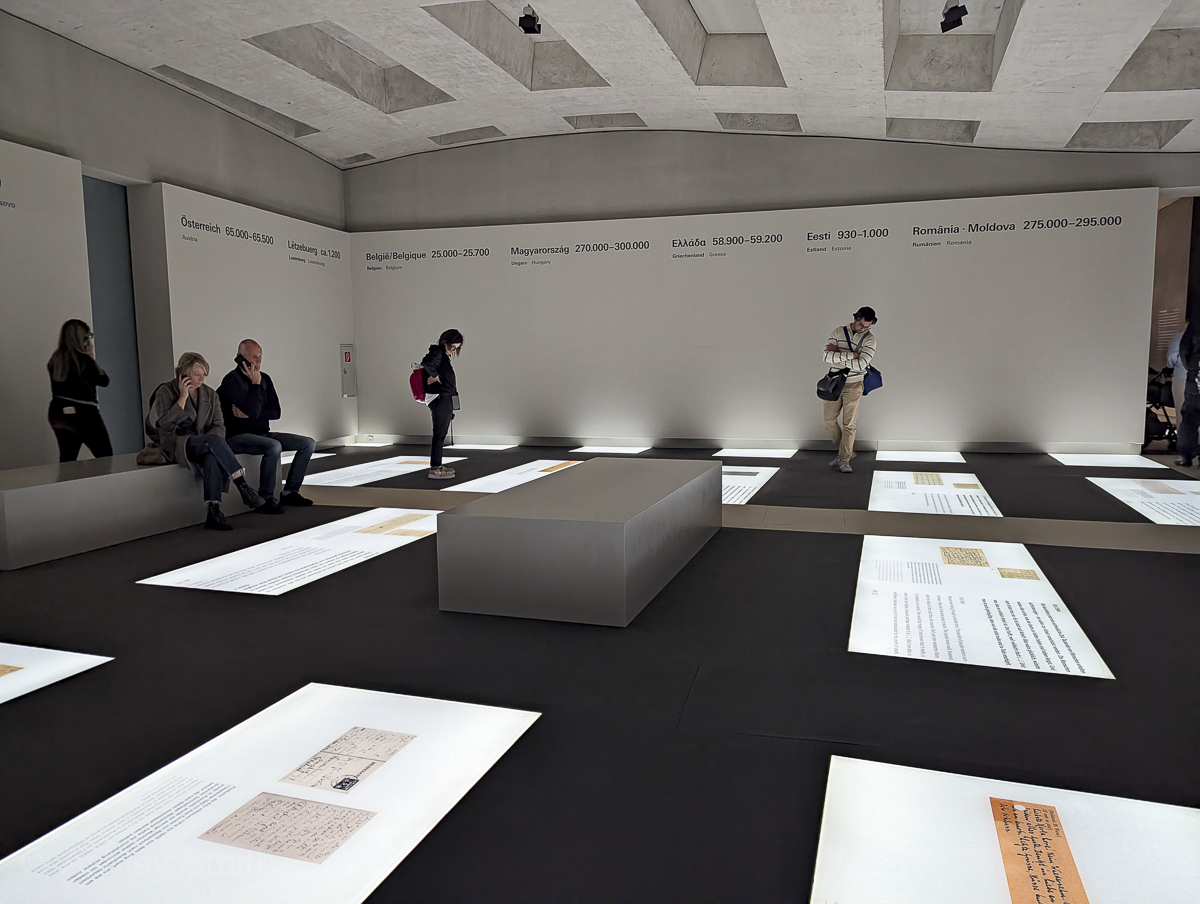
Beneath this well-known memorial is a relatively small but incredibly well-done (and free) “information center.” This permanent exhibition documents the Nazi persecution and extermination of Europe’s Jews. It spans several rooms, each focused on different themes.
This totally hidden museum triggered the most emotional experience I had in Berlin. The exhibits here center around personal experiences and I simply lost it in the room with the last letters those being deported wrote to their loved ones. Visitor information here: www.stiftung-denkmal.de

2. Topography of Terror
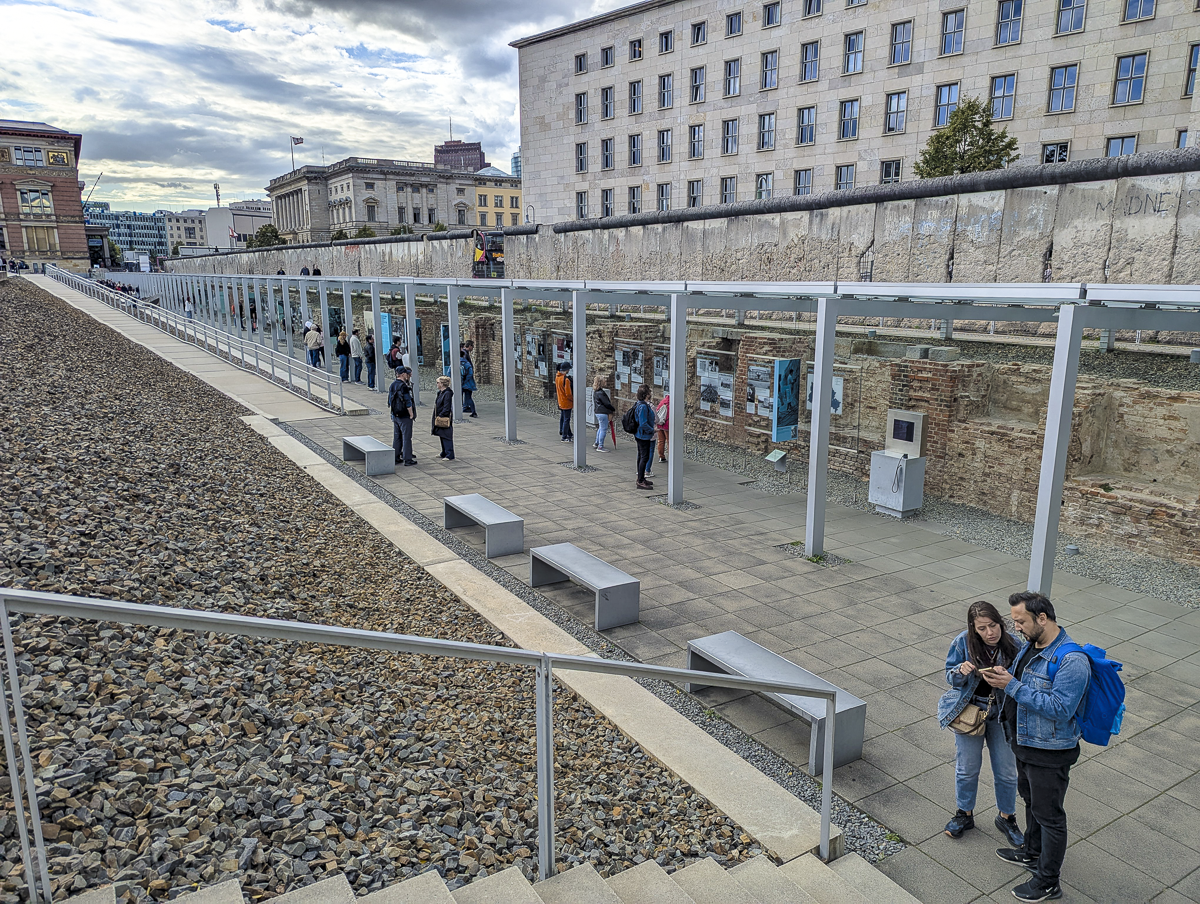
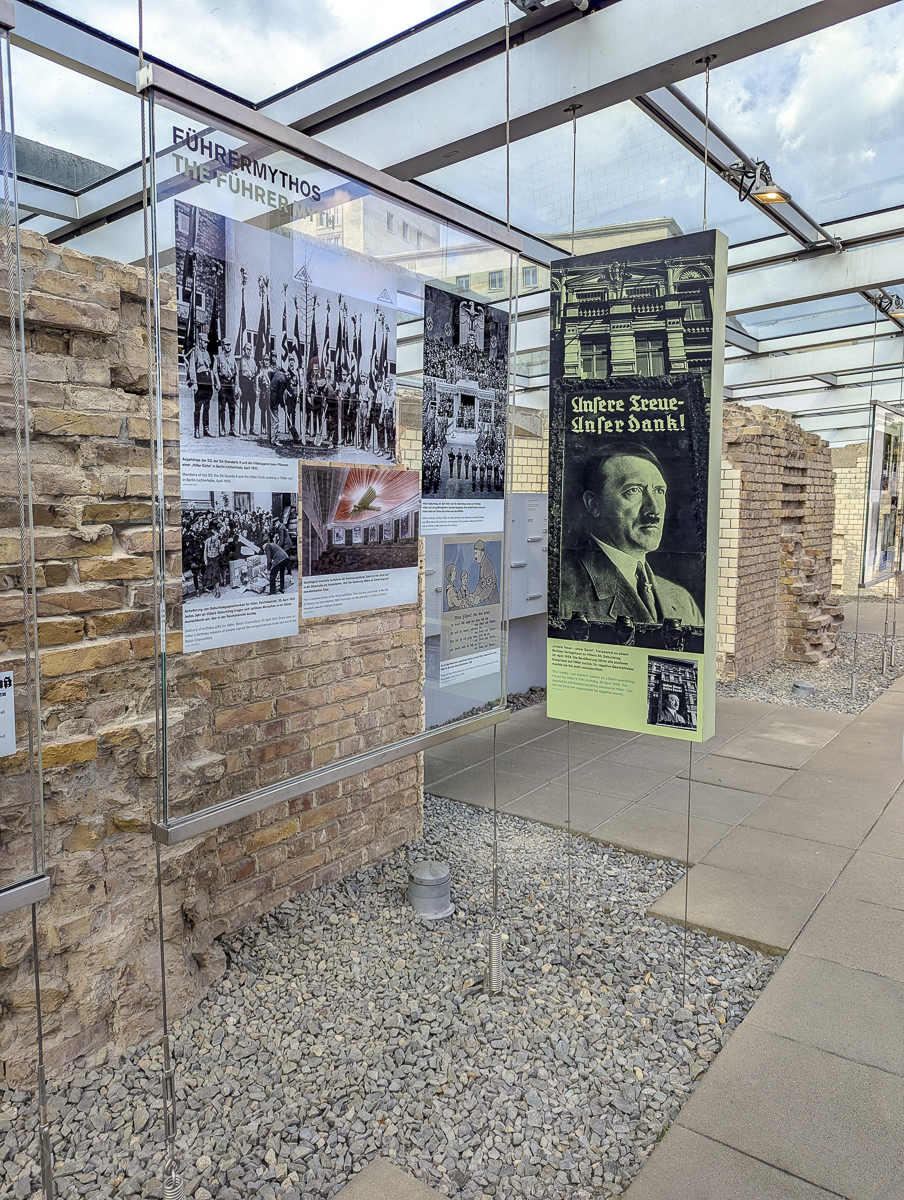
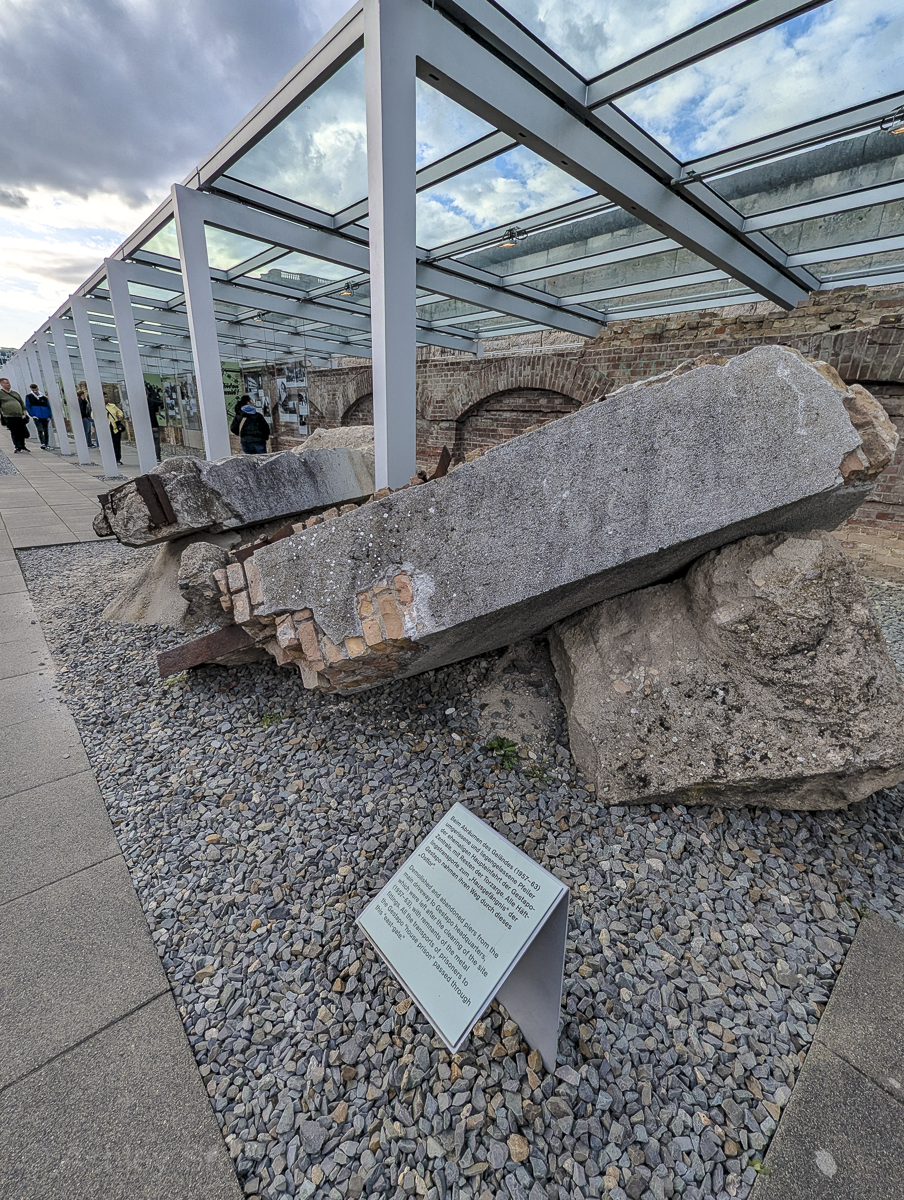
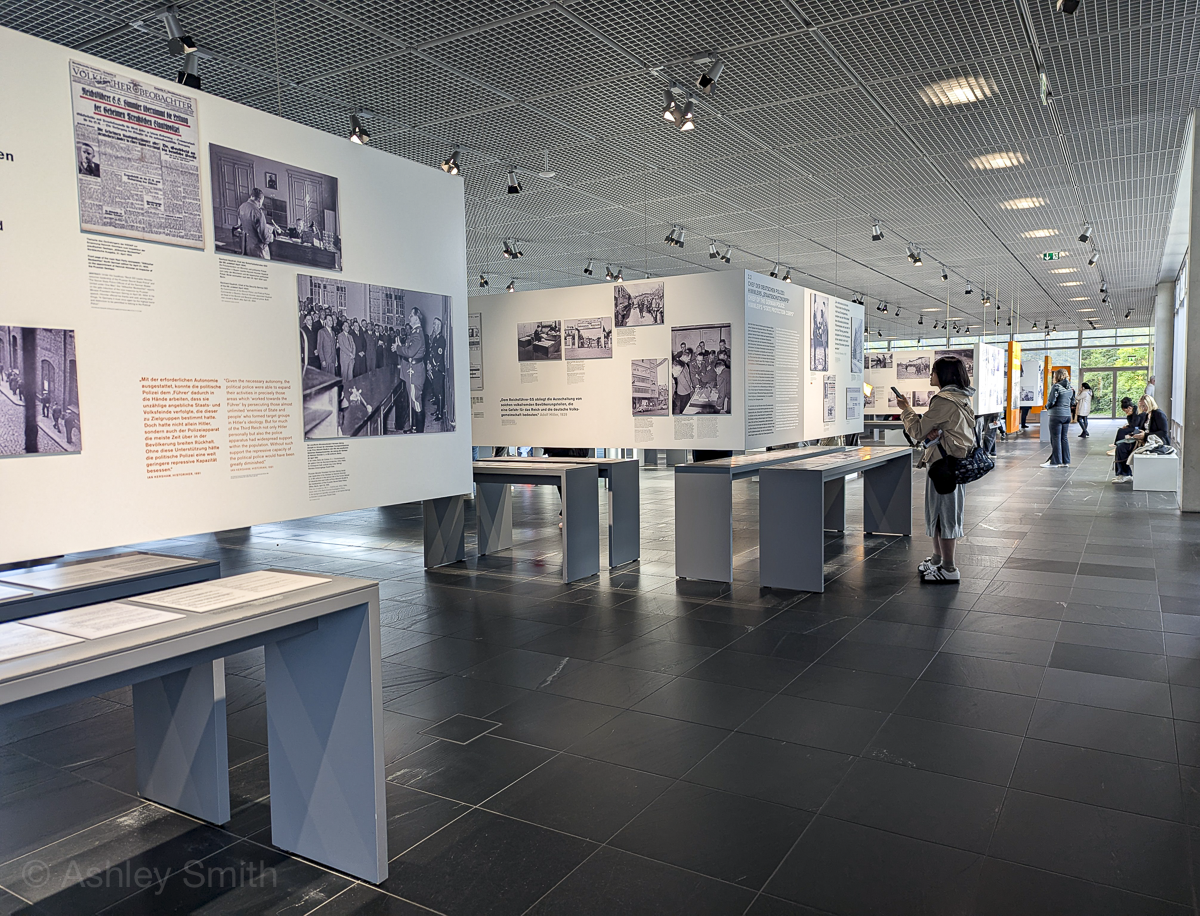
Located at the former SS Reich Security Main Office, the Topography of Terror consists of two parts. The outdoor exhibition covers a great deal of Nazi history from before the regime took power until the war’s end. It covers tons of topics including the Holocaust, resistance, propaganda, and much more.
The indoor museum focuses on the terror inflicted by the Nazi regime and features countless historical documents, photographs, and multimedia displays. Both are free to visit. Visitor information here: www.topographie.de
3. German Resistance Memorial Center
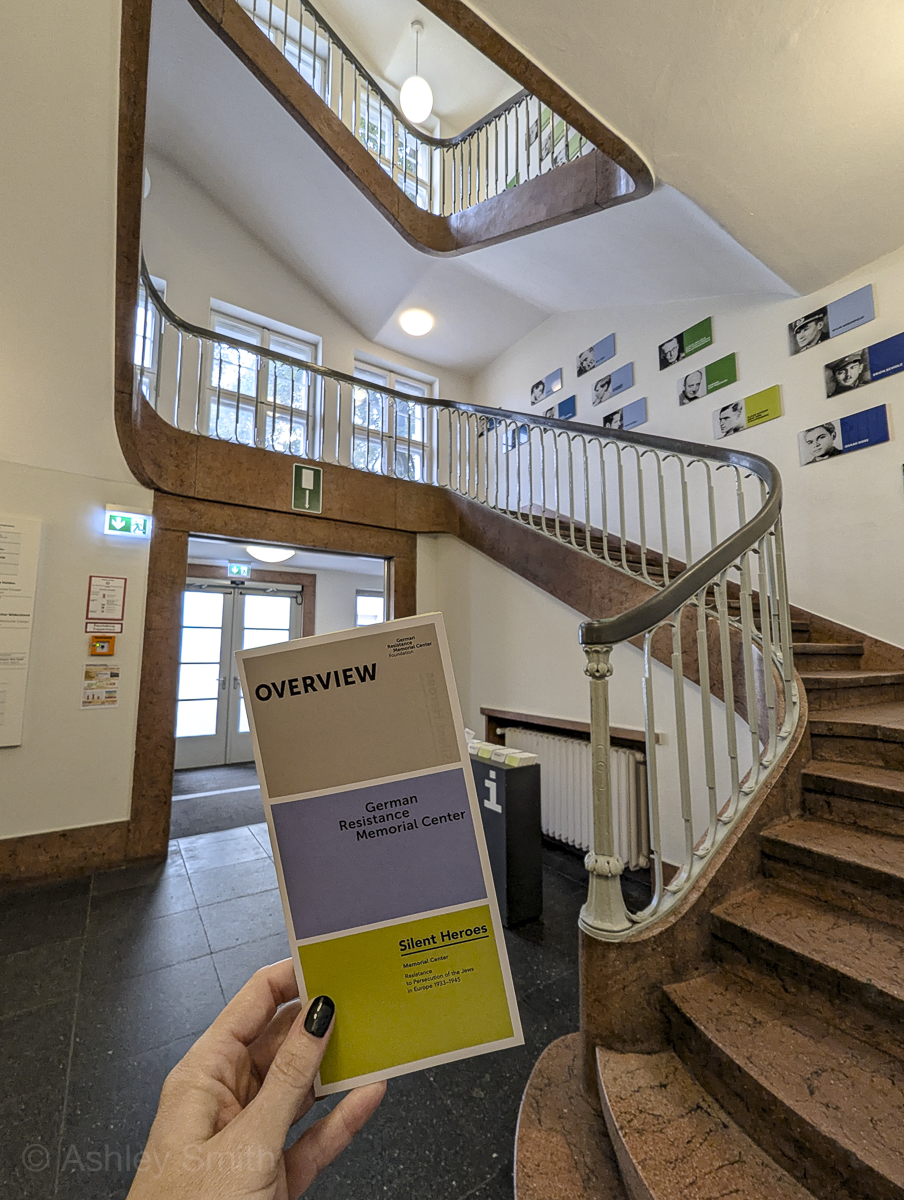
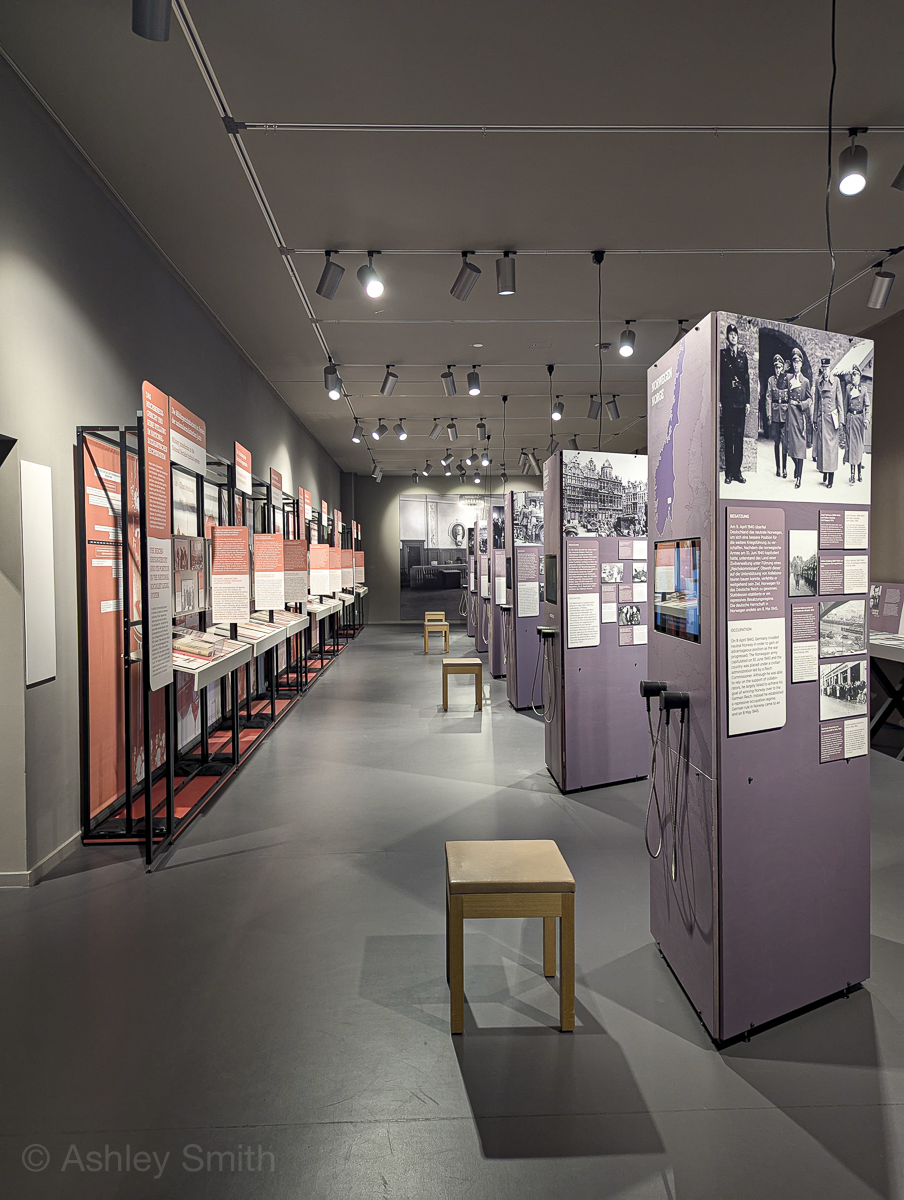
The German Resistance Memorial Center is actually my favorite WWII museum in Berlin. This excellent multi-floor exhibition center focuses on all forms of resistance against the National Socialist dictatorship. It covers interesting topics like the July 20, 1944 assassination plot, the White Rose movement, student resistance, and notable figures like Claus von Stauffenberg, George Elser, Oskar Schindler, and much more.
The museum is located at the Bendlerblock—the former base of the Nazi Army High Command and the spot where Stauffenberg and other “Operation Valkyrie” conspirators were executed. Visitor information here: www.gdw-berlin.de
Movie suggestion: Valkyrie (2008) – Weird casting but excellent portrayal of the events surrounding the July 20, 1944 assassination plot | Currently streaming on Amazon Prime and free on both Tubi and Roku.
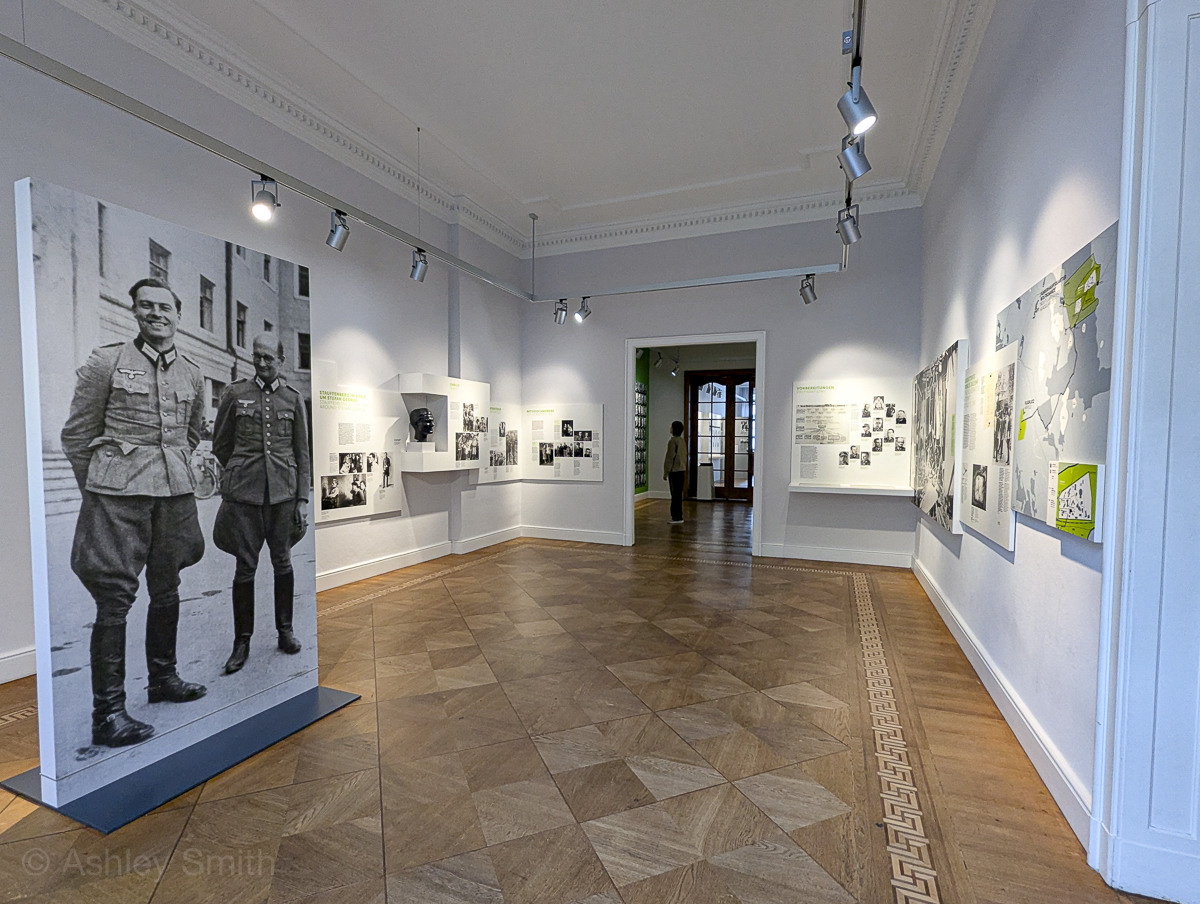
4. House of the Wannsee Conference
A short train (and bus) ride from downtown Berlin is the House of the Wannsee Conference. It was here, on January 20, 1942, that Reinhard Heydrich brought together 15 Nazi and SS officials to plan out the systematic extermination of Europe’s Jews—aka, the “Final Solution.” As such, many consider this villa the place where the Holocaust “officially” began.
There’s an interesting museum here and you can tour the villa grounds as well. I wrote a whole post on how to visit the House of the Wannsee Conference so click that link for all the info and photos you need.
Movie suggestion: Conspiracy (2001) – Dramatization of the Wannsee Conference; a must-watch before visiting the villa. | Currently streaming on Amazon Prime.
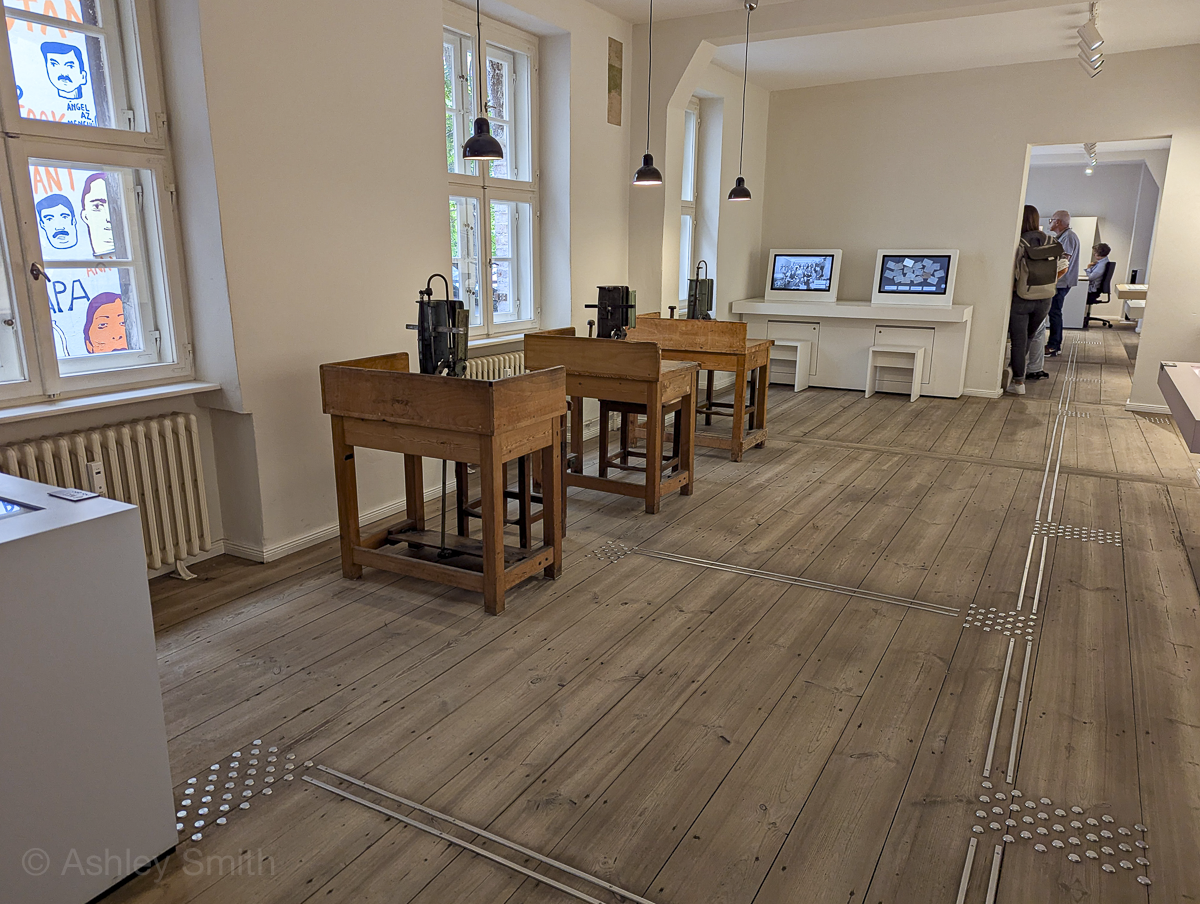
5. Museum Blindenwerkstatt Otto Weidt
You may already be familiar with the story of Oskar Schindler, so know that Otto Weidt shares a similar story. Weidt operated a broom and brush manufacturing workshop here in Berlin. During the war, he employed deaf and blind Jews and used his workshop to protect them from deportation to the extermination camps.
In addition to getting his workshop classified as an essential business, he also falsified documents and physically hid some of his workers in the shop. Like Schindler, Yad Vashem has also recognized Weidt as Righteous Among the Nations.
Today, you can visit his original “workshop for the blind” and learn much more about his life and self-sacrificing work. Visitor information here: www.museum-blindenwerkstatt.de
Book suggestion: Outcast: A Jewish Girl in Wartime Berlin by Inge Deutschkron (2017) – Memoir of a young girl who worked at Weidt’s brush factory | Amazon / Bookshop.org
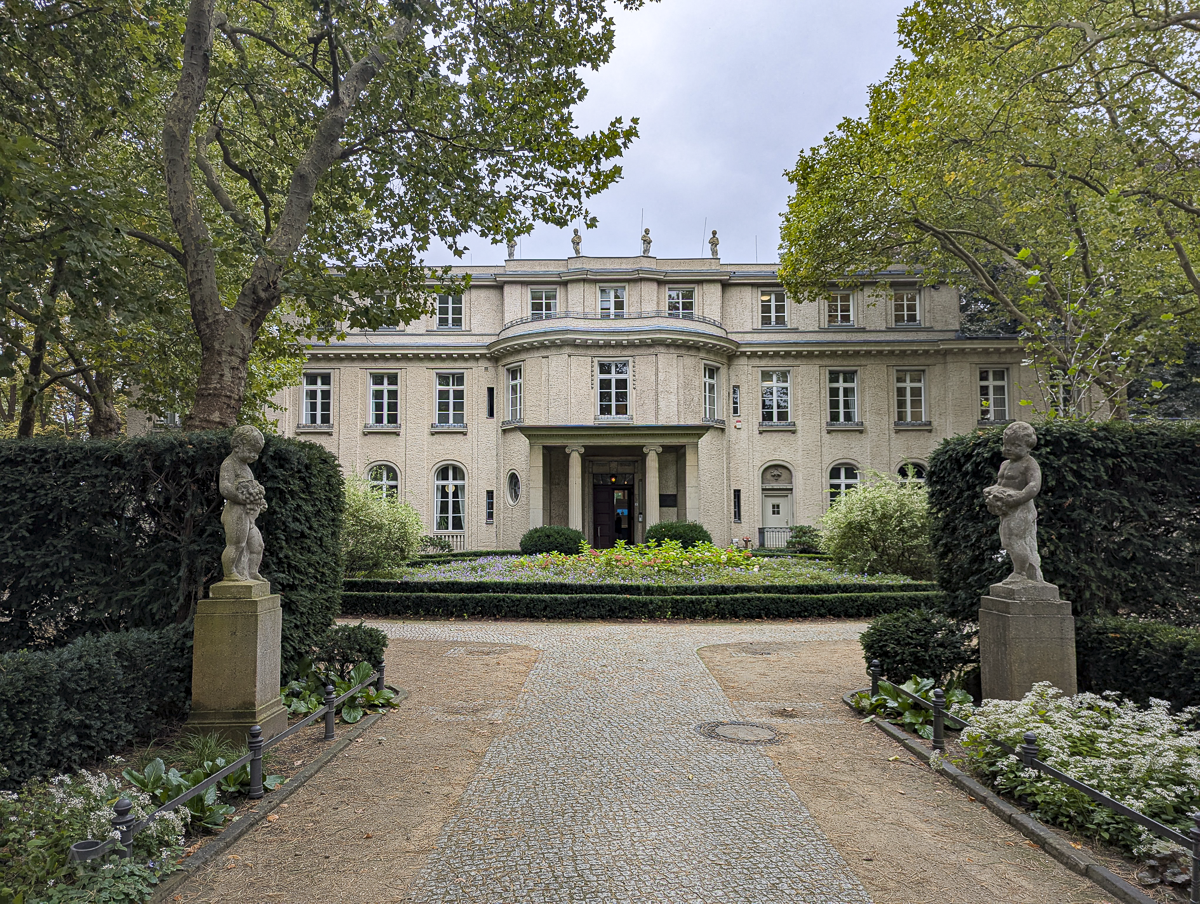
6. Cecilienhof Palace – Potsdam
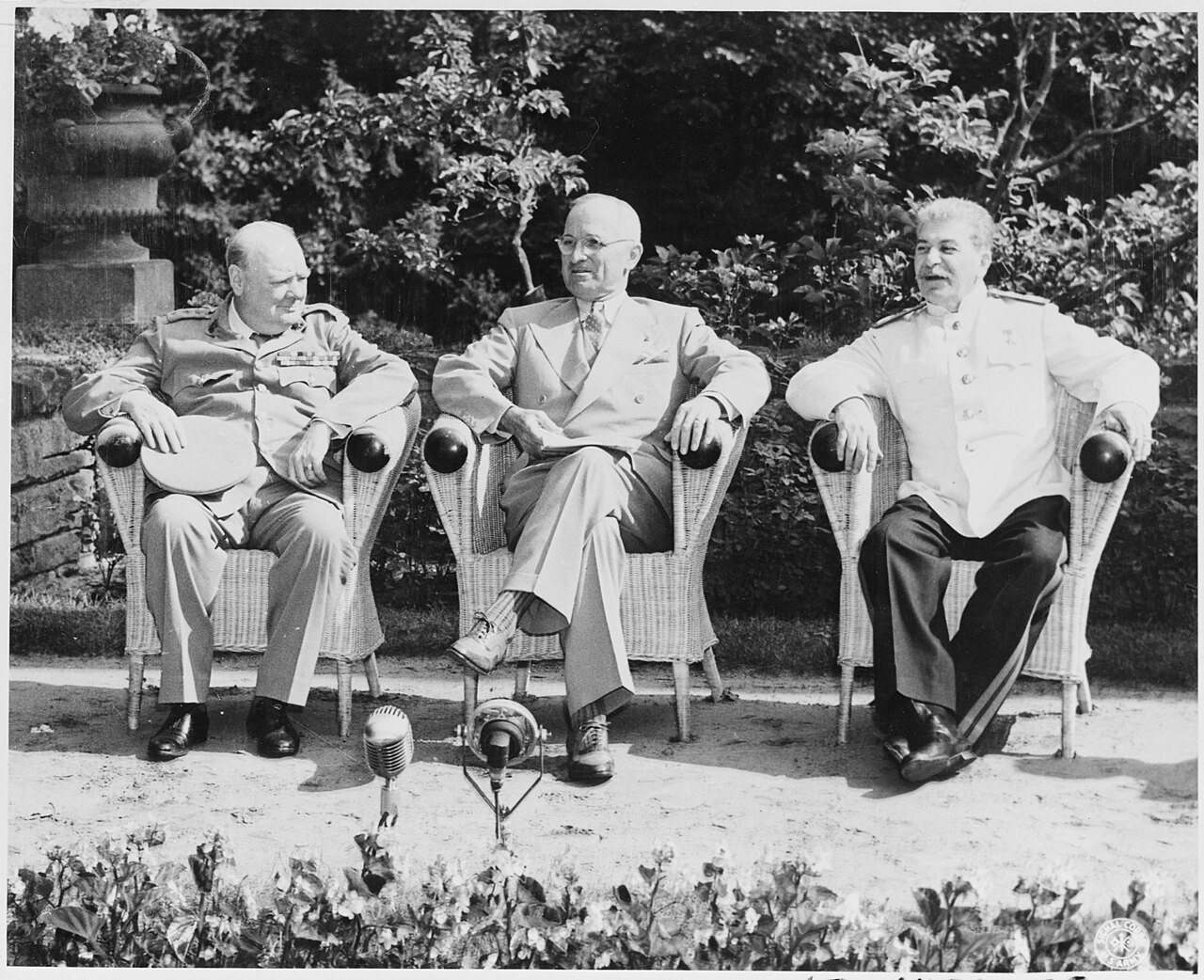
Another great side trip from Berlin is over to Potsdam where you can visit the Cecilienhof Palace. Until 1945, this was the home of the German Crown Prince and Princess. But from July 17 – August 2, 1945, this is where the historic Potsdam Conference took place.
The Potsdam Conference was the meeting of the “Big Three”—US President Harry Truman, British PM Winston Churchill, and Soviet leader Joseph Stalin. It was here that these Allied powers came together to plan out what would happen after the war. Visitor information here: www.spsg.de; Note: Cecilienhof Palace is currently closed for renovations with plans to reopen in 2029. Updates here.
Book suggestion: The Most Important Meetings of the Allies during World War II by Charles River Editors (2016) | Amazon / Bookshop.org
7. Nazi Forced Labor Documentation Center
A little south in the Treptow-Köpenick district is the Nazi Forced Labor Documentation Center (NS Zwangsarbeit Dokumentationszentrum). The exhibition titled “Everyday Forced Labor 1938-1945” focuses on the many ways the Nazi regime used forced labor throughout the war. It’s located at a former forced labor camp where you can also visit the prisoner barracks. Visitor information here: www.ns-zwangsarbeit.de
8. Berlin Story Bunker
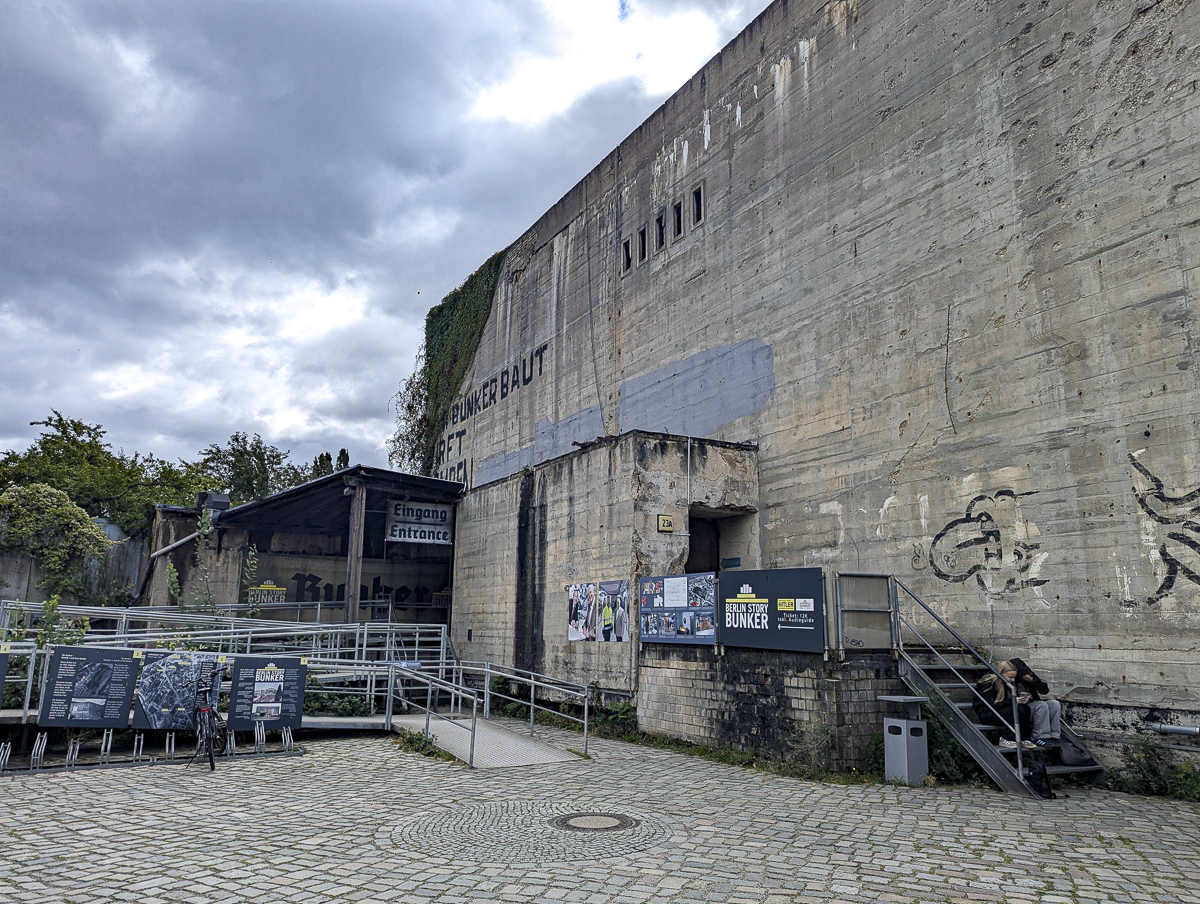
As they themselves put it, this museum is “the whole story of Berlin in a bunker.” Located in a former WW2 air raid shelter, this 3-story museum covers an 800-year history of Berlin but has several exhibits related to its WWII history, particularly Hitler’s rise to power. (This museum is a crowd favorite!) Visitor information here: www.berlinstory.de
9. Museum Berlin-Karlshorst
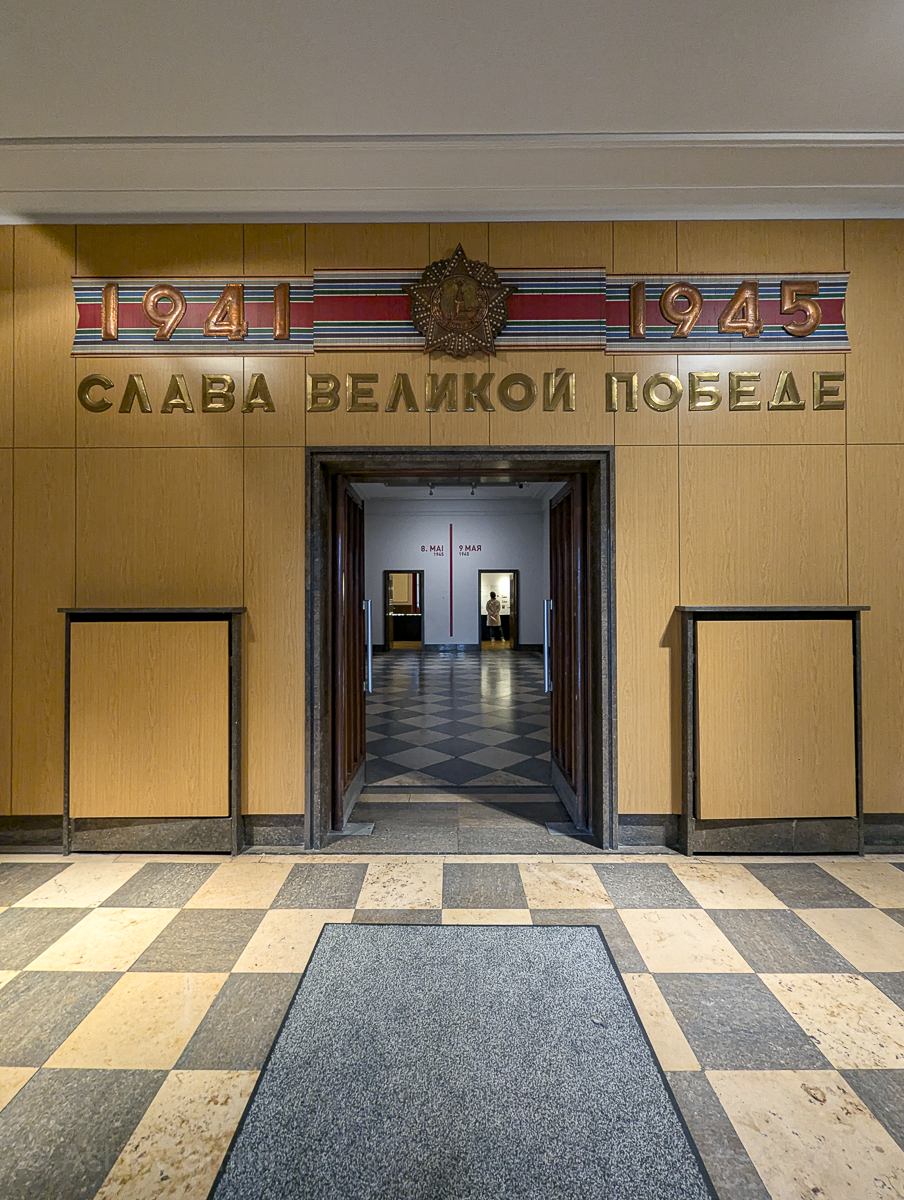
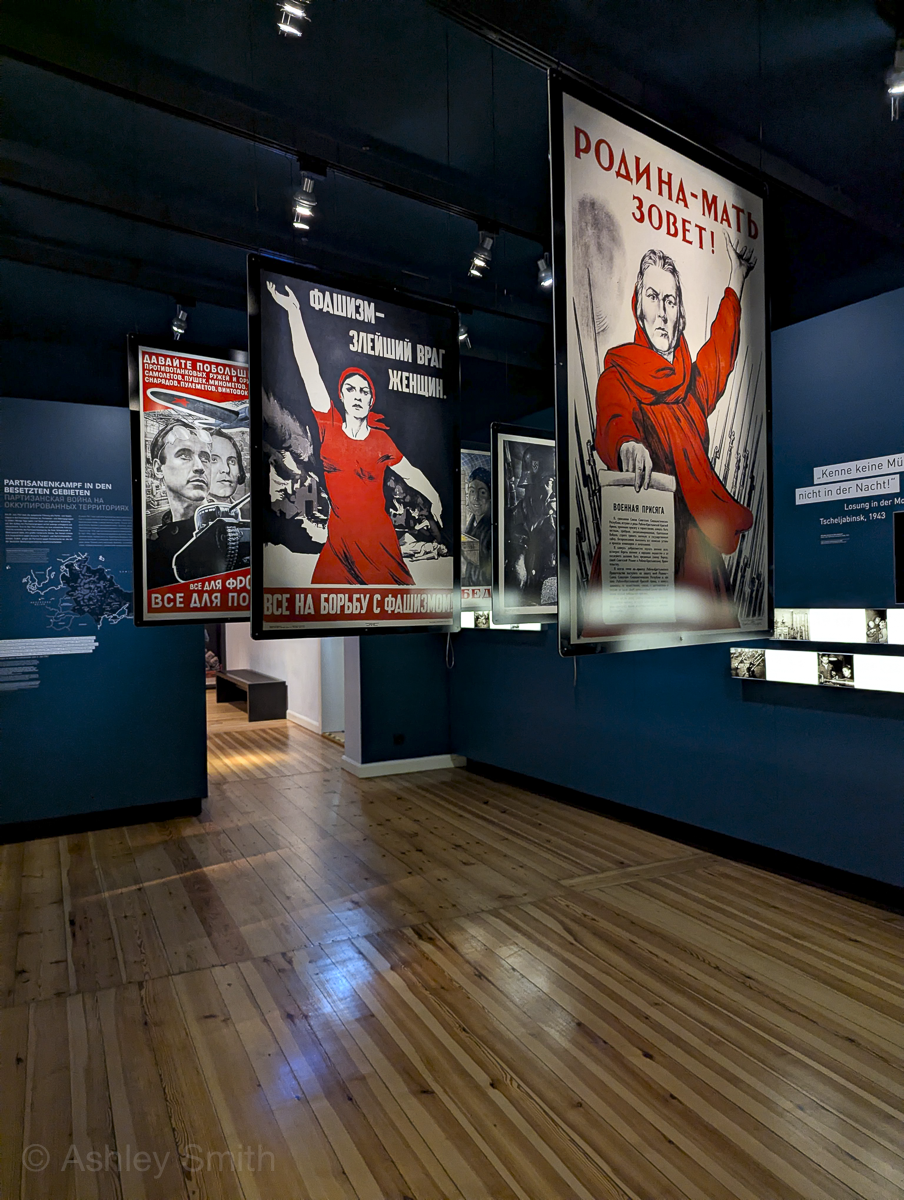
And for my least favorite Berlin WW2 museum we have the Museum Berlin-Karlshorst. (It’s just super weird; you’ll see. Forgive me if I can’t get behind all the blatant Soviet propaganda.) It’s still an interesting place to see if you’re into visiting the sites of such momentous events in person.
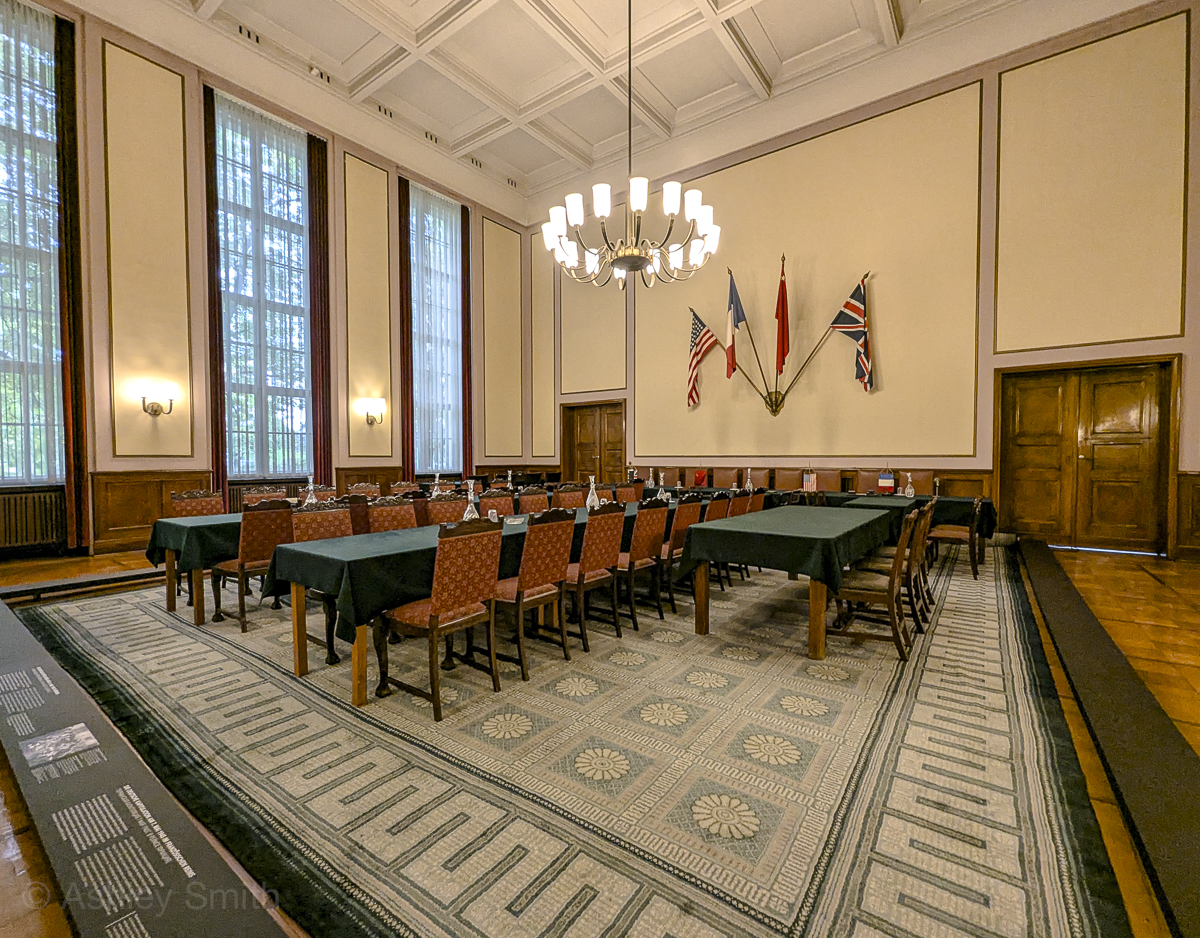
This is the building where Germany officially and unconditionally surrendered to the Soviet Union. It became the headquarters of the Soviet Military Administration after the war, and is now a museum dedicated to Nazi Germany’s war of annihilation against the Soviet Union and the Soviet’s triumph.
It’s operated jointly by Germany, Russia, Ukraine, and Belarus, so not sure how that works. (Though when I visited in September 2025, only the Ukraine flag was flying while the three other poles were empty.) You can visit the main hall where the official documents were signed (and see them on display), as well as several other exhibits on how the Soviet Union did absolutely nothing unsavory at all. [whatever] Visitor information here: www.museum-karlshorst.de
Book suggestion: Eisenhower and Berlin 1945 by Stephen Ambrose (2000) – All about Eisenhower’s decision-making process when it came to preventing a clash with the Red Army at Berlin, from the author of Band of Brothers. | Amazon / Bookshop.org.
More Berlin WW2 museums
Even though I’ve skipped longer descriptions of these, they’re all still very much worth checking out if these topics interest you:
10. Jewish Museum Berlin – The largest Jewish museum in Europe; its core exhibition covers “Jewish Life in Germany: Past and Present.”
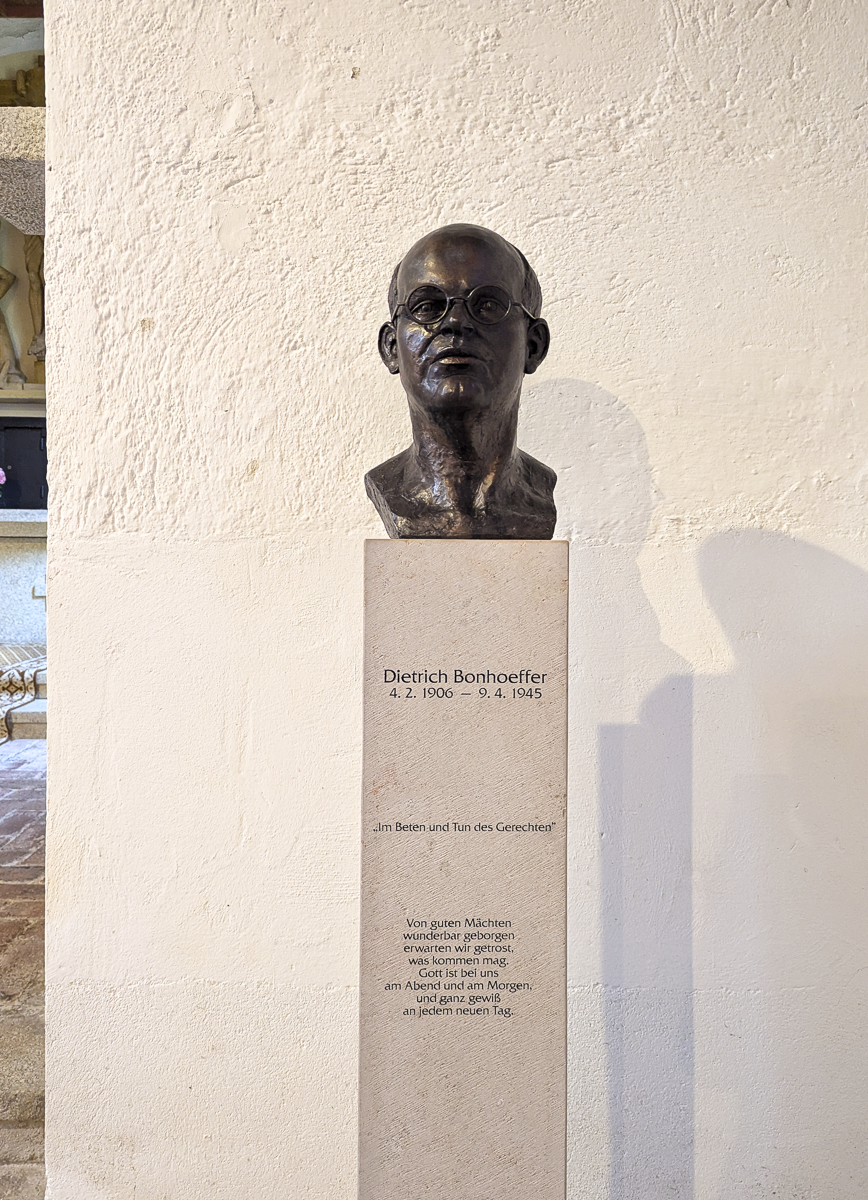
11. Bonhoeffer House Memorial – Once the home of anti-Nazi resistance fighter Dietrich Bonhoeffer, now a memorial, museum, and research center dedicated to his life and resistance efforts. The SS arrested Bonhoeffer at this house on April 5, 1943 and executed him two years later at Flossenbürg Concentration Camp.
Book suggestion: Bonhoeffer: Pastor, Martyr, Prophet, Spy by Eric Metaxas (2020) | Amazon / Bookshop.org
12. Anti-War Museum – (Anti-Kriegs-Museum) Dedicated to the horrors and consequences of all forms of warfare with exhibits on both WWI and WWII.
13. Alliierten Museum (Allied Museum) – This is actually a post-WWII museum, but it covers the relationships between the victorious Allies in Berlin and Germany after the war. Topics include the Berlin Airlift, the Cold War, and everyday life in the city’s different occupation zones.
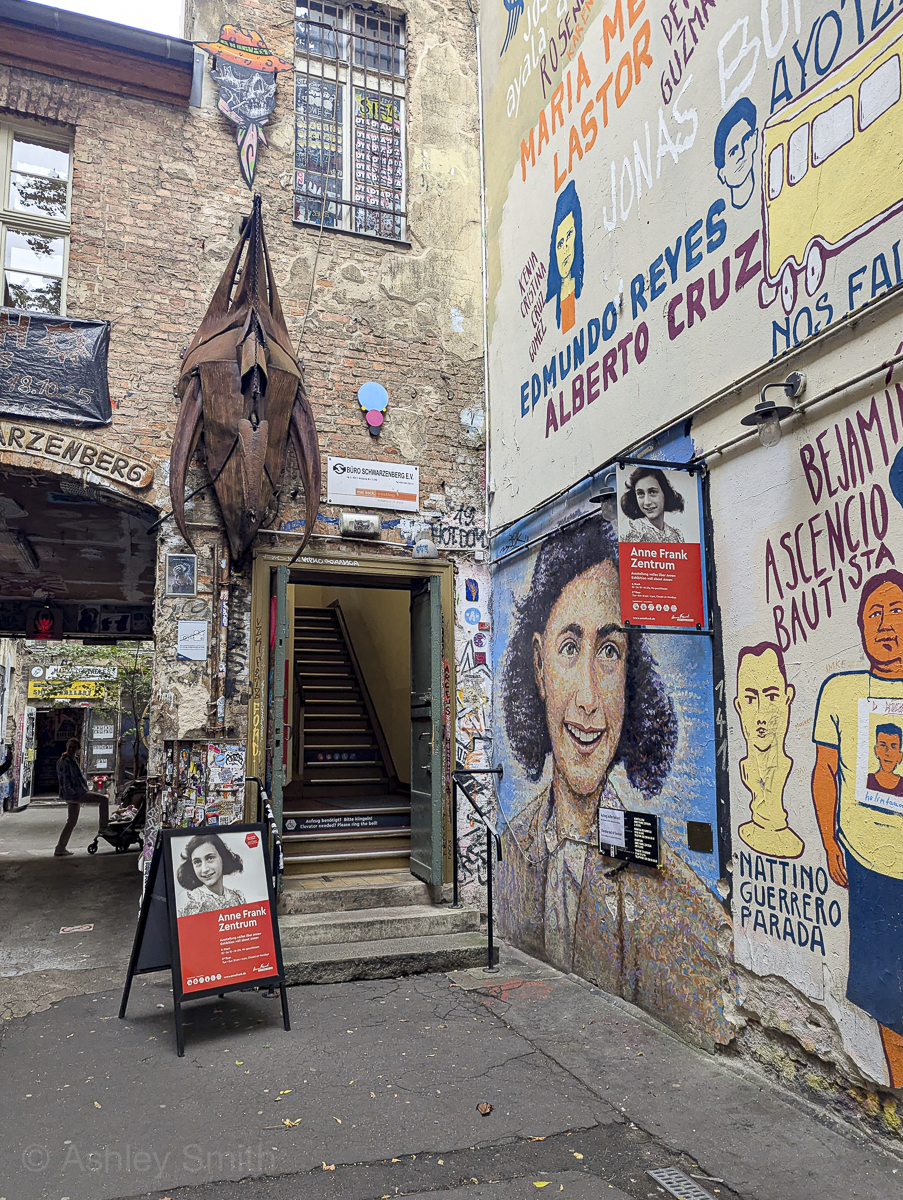
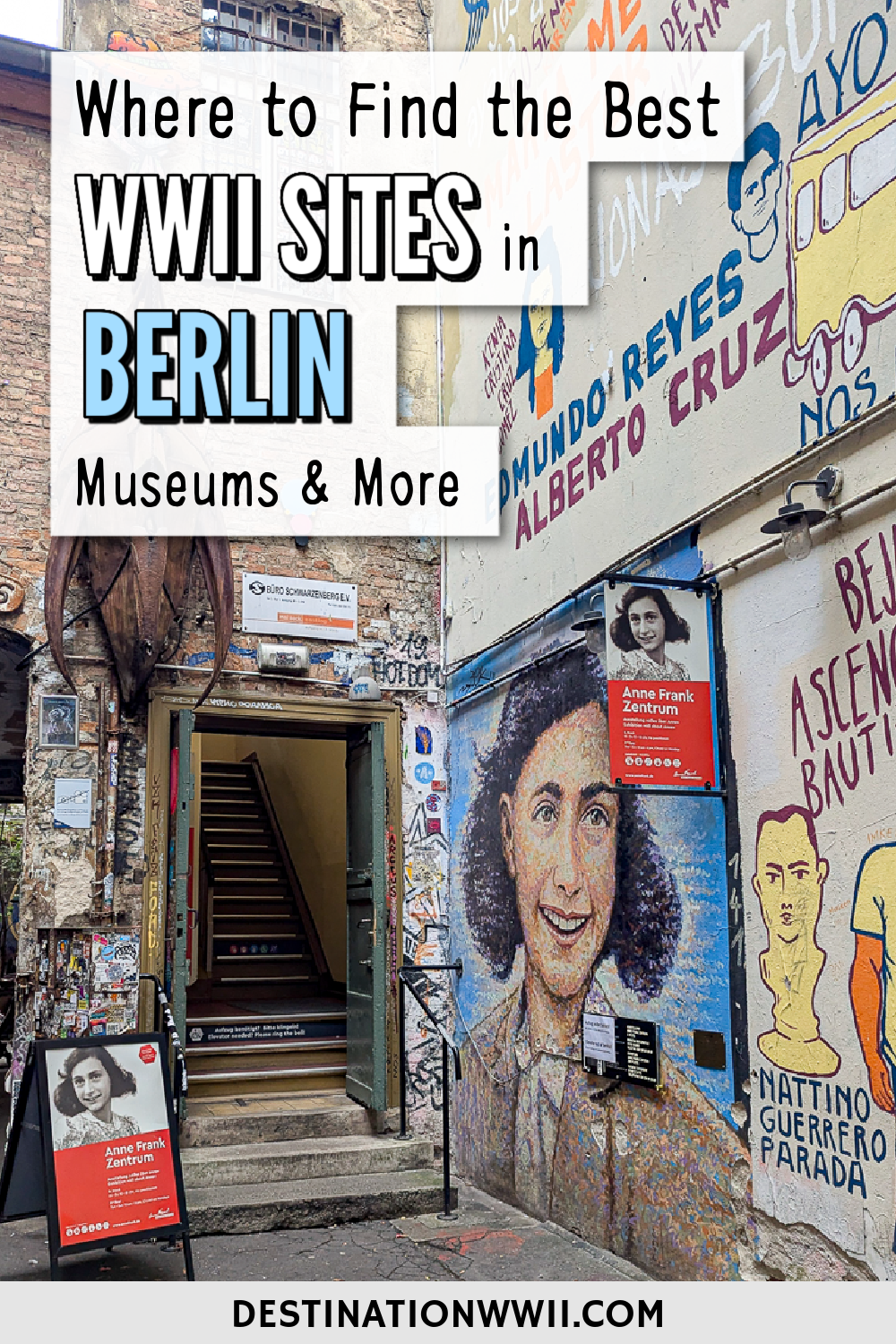
14. The Anne Frank Center – Across the alley from the Otto Weidt Workshop is this small museum dedicated to the life (and diary) of Anne Frank (and how her thoughts and observations are still relevant today).
Book suggestion: Anne Frank: Diary of a Young Girl – Seriously, a must-read for everyone. | Amazon / Bookshop.org
Concentration Camps near Berlin
For a museum of a different sort, I highly recommend visiting one (or both) of the two concentration camp memorial sites near Berlin:
15. Ravensbrück Concentration Camp
The concentration camp at Ravensbrück was the main prisoner camp exclusively for women. A large percentage of these women were Jews, yes, but women were deported here for all kinds of reasons. Many were political prisoners (anti-fascists, members of the resistance, etc.), others were “asocials” like homeless women and lesbians.
I have a whole post on visiting Ravensbrück so go check that out for all the details. In the meantime, this camp is about an hour and a half north of Berlin and there’s so much to see here—tons of original structures, some excellent exhibitions, and more. Truth be told, of the 15 concentration and extermination camps I’d visited at that point, this was the most haunting.
Book suggestion: Ravensbruck: Life and Death in Hitler’s Concentration Camp for Women by Sarah Helm (2016) | Amazon / Bookshop.org
16. Sachsenhausen Concentration Camp
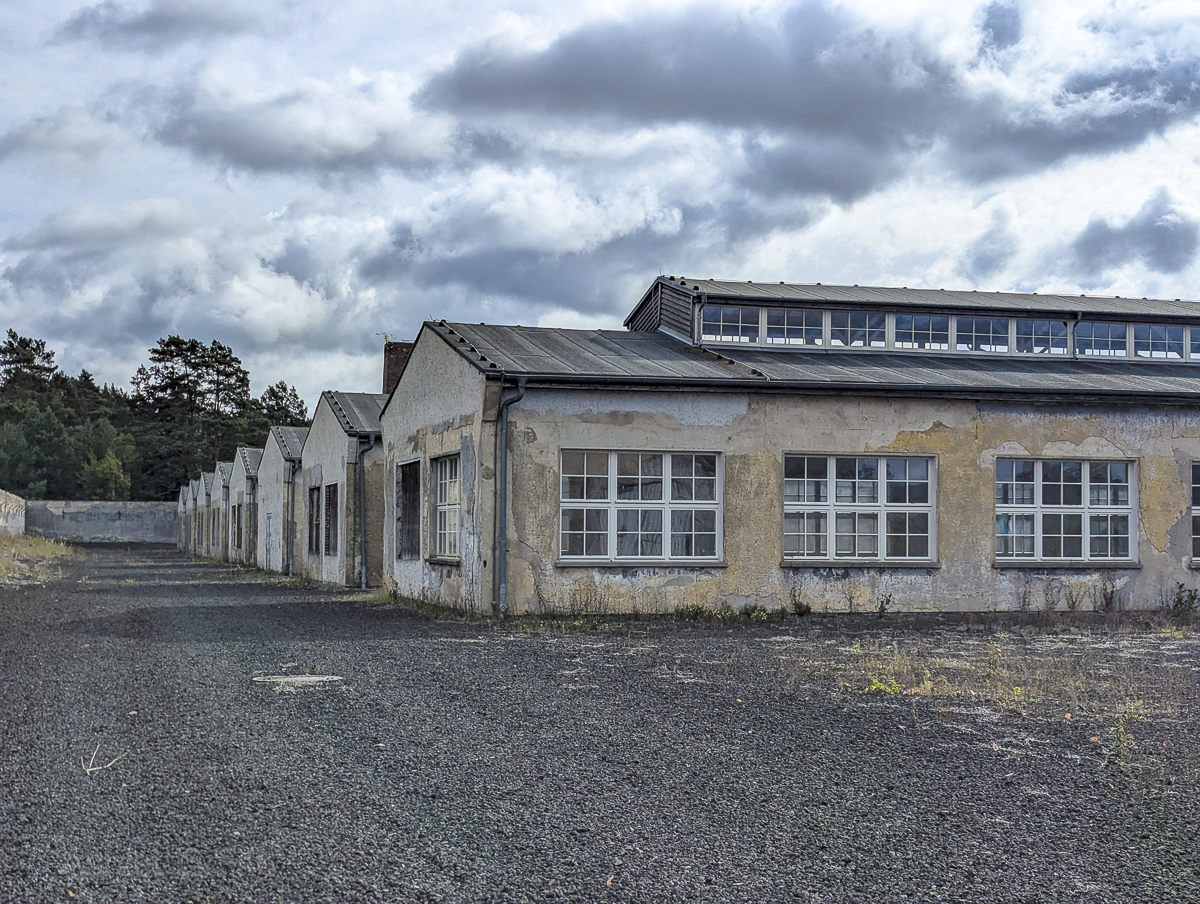
A little closer to Berlin is the Sachsenhausen Concentration Camp memorial site. During its operation (1936-1945), the SS held more than 200,000 prisoners here. These consisted mainly of political opponents, Jews and other “racially inferior” groups, and “anti-socials” like “homosexuals.” Of these, an estimated 50,000 died here. Visitor information here: www.sachsenhausen-sbg.de

Notable WWII historical sites in Berlin
Besides the two concentration camps, there are a few more original WWII historical sites you can visit in and around Berlin. Some offer some interesting visitor experiences while others are just worth a quick look.
17. Reichstag Building
After the fire in 1933, the Nazi regime no longer used the Reichstag Building. It was eventually rebuilt in the 1960s but only used intermittently afterwards. After another reconstruction in 1999, the Reichstag once again became the permanent home of the German Parliament.
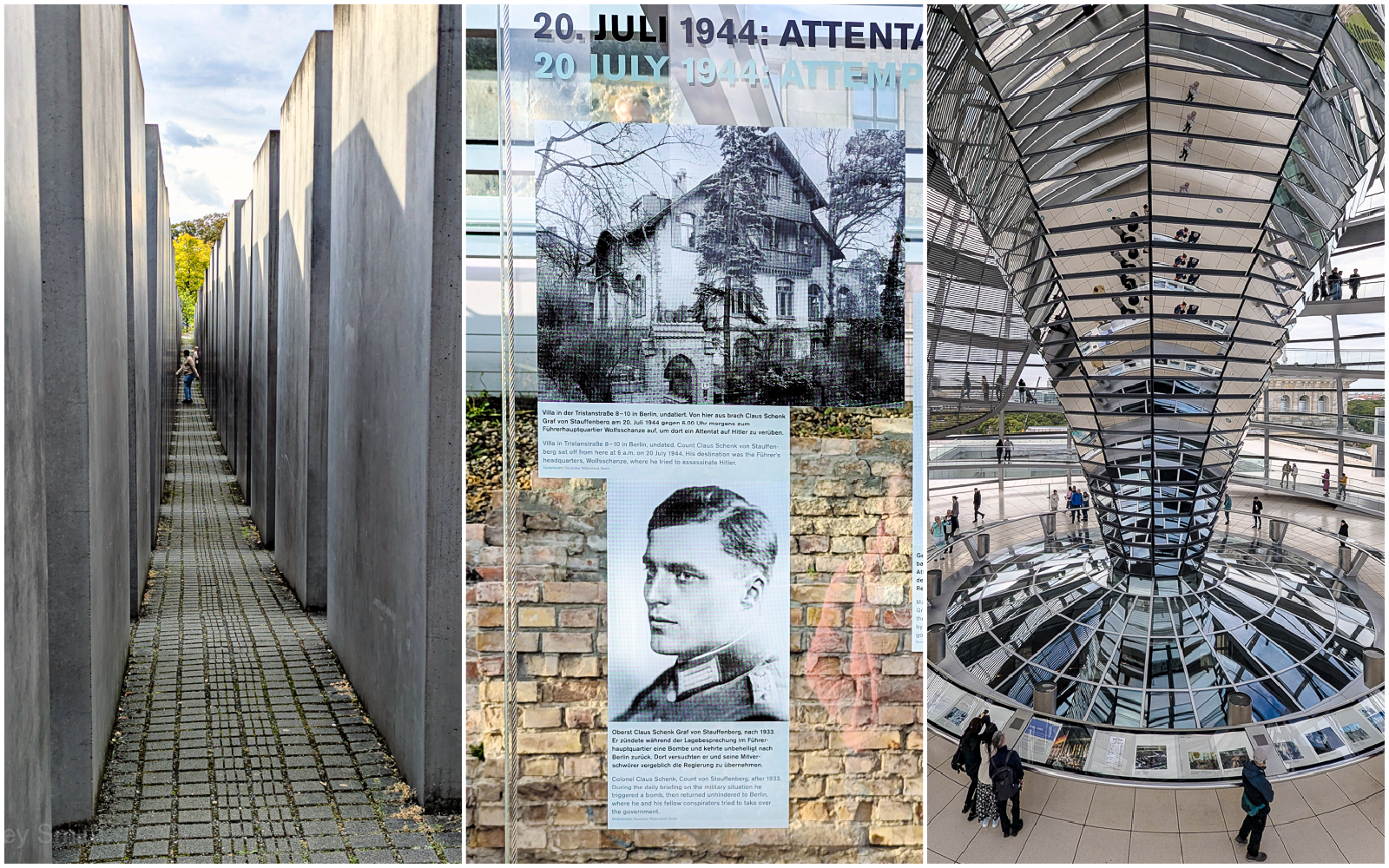
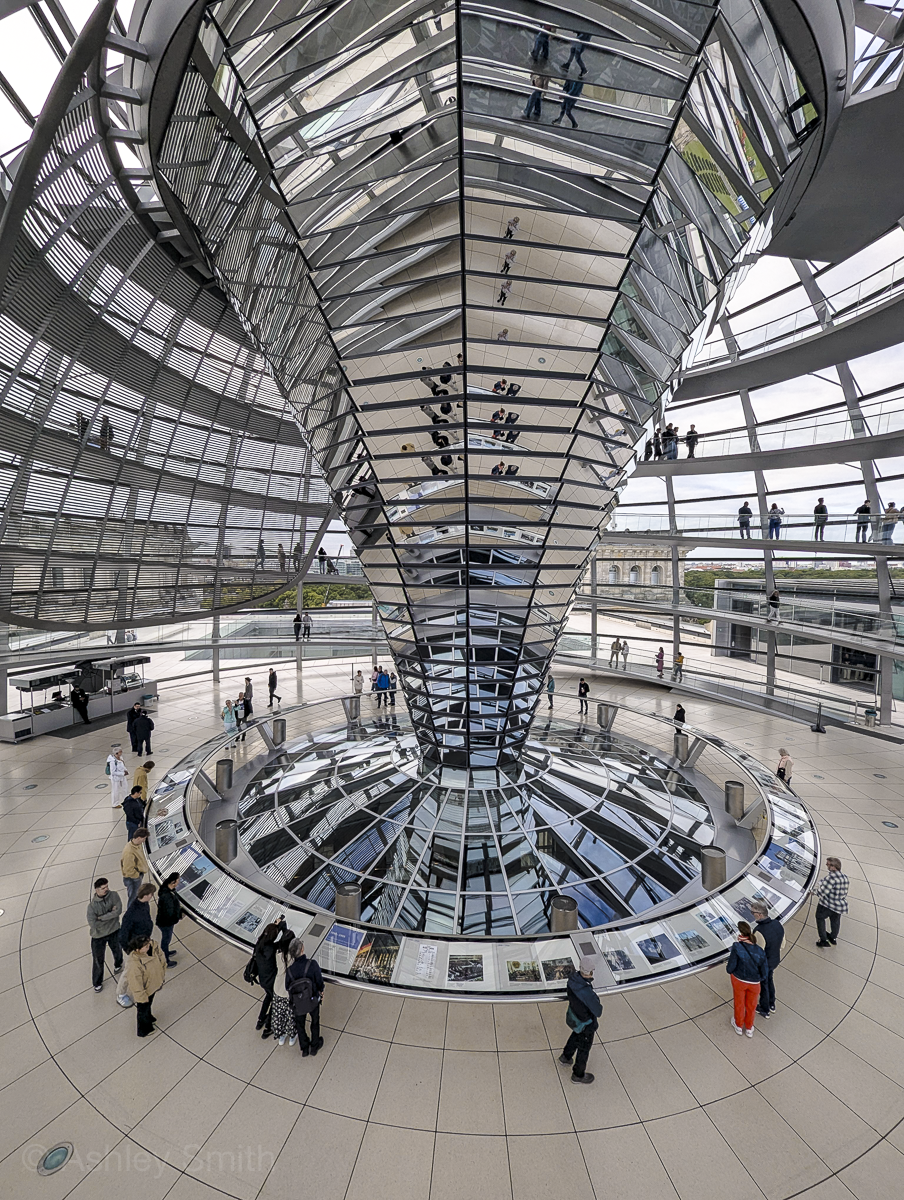
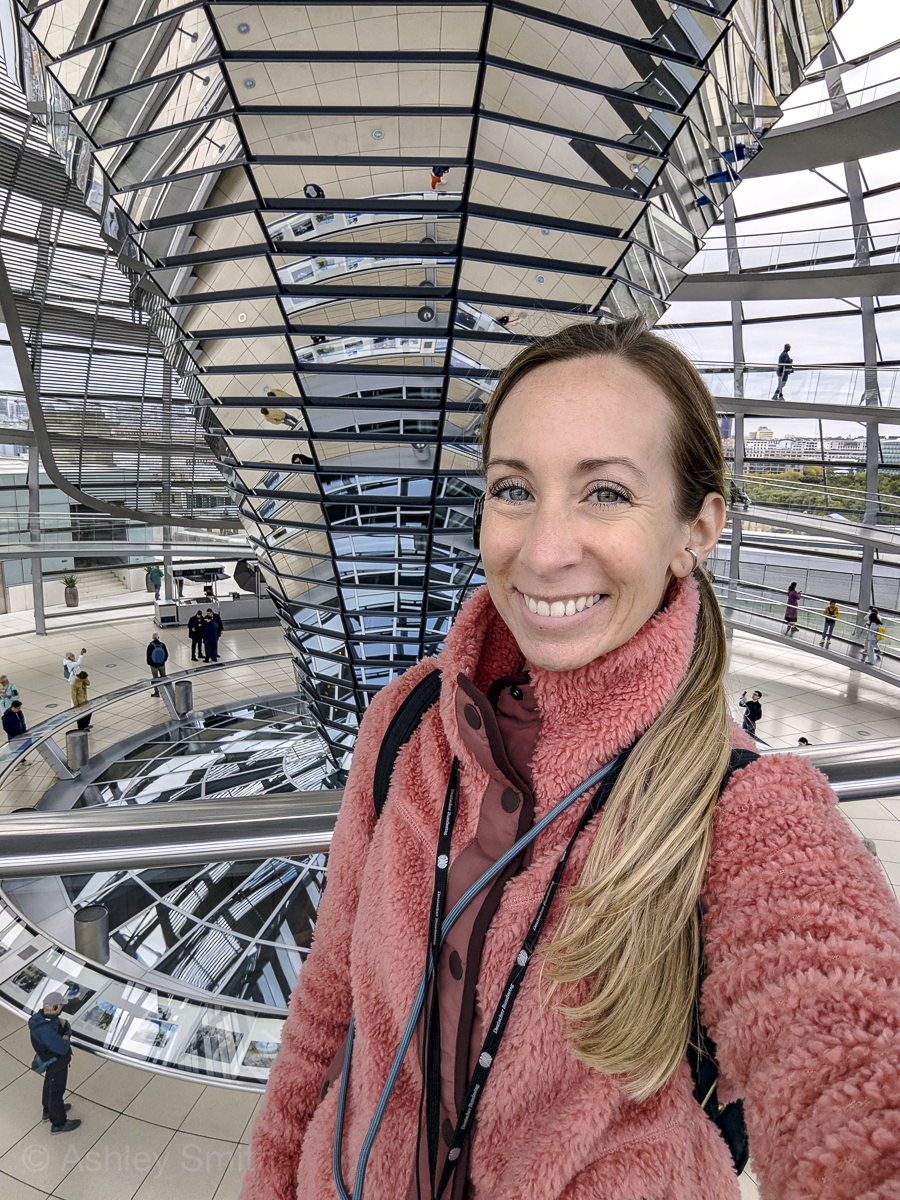
Though this building wasn’t even used during WWII, I still find it to be such an interesting place to visit since the Reichstag Fire was such a consequential event. You can climb to the top of the dome where you can get amazing views, listen to the historical audio guide, and read some of the displays they have on the building’s history. Visitor information here: www.bundestag.de
Book suggestion: Burning the Reichstag by Benjamin Hett (2014) – Full investigation into the cause and the aftermath | Amazon / Bookshop.org
18. Führerbunker
In 1938, Hitler ordered the construction of a new Reich Chancellery building that contained reception areas, offices, military headquarters, an underground bunker complex, and more. It was here, in the Führerbunker, where Hitler and his staff spent the last weeks of World War II.
Here in the Führerbunker, Hitler married Eva Braun shortly before they both committed suicide. It was also here where Joseph Göbbels and his wife murdered their six children before also killing themselves.
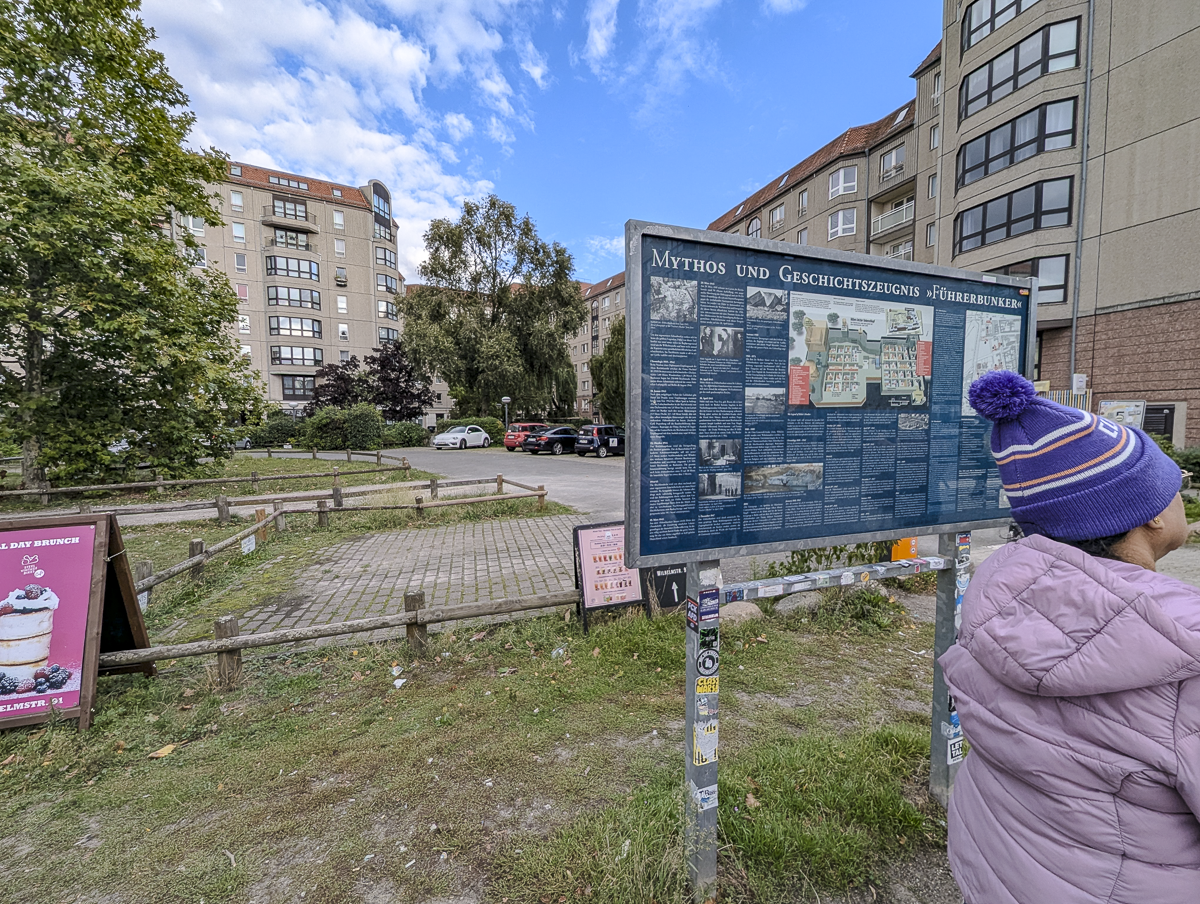
Though nothing exists anymore of the Reich Chancellery building, you can still visit this spot. In its place you’ll find one single board with some illustrations and historical information. This is another site where there’s nothing really to see or do, but just knowing you’re standing in such a historically significant spot will blow your mind. (At least, it does for me!)
Movie suggestion: Downfall (2004) – Brilliant portrayal of the Nazi regime’s final days in the Führerbunker, adapted from eyewitness accounts and the memoirs of Traudl Junge (Hitler’s personal secretary) | Streaming on Amazon Prime / Free on Tubi.
19. Olympic Stadium
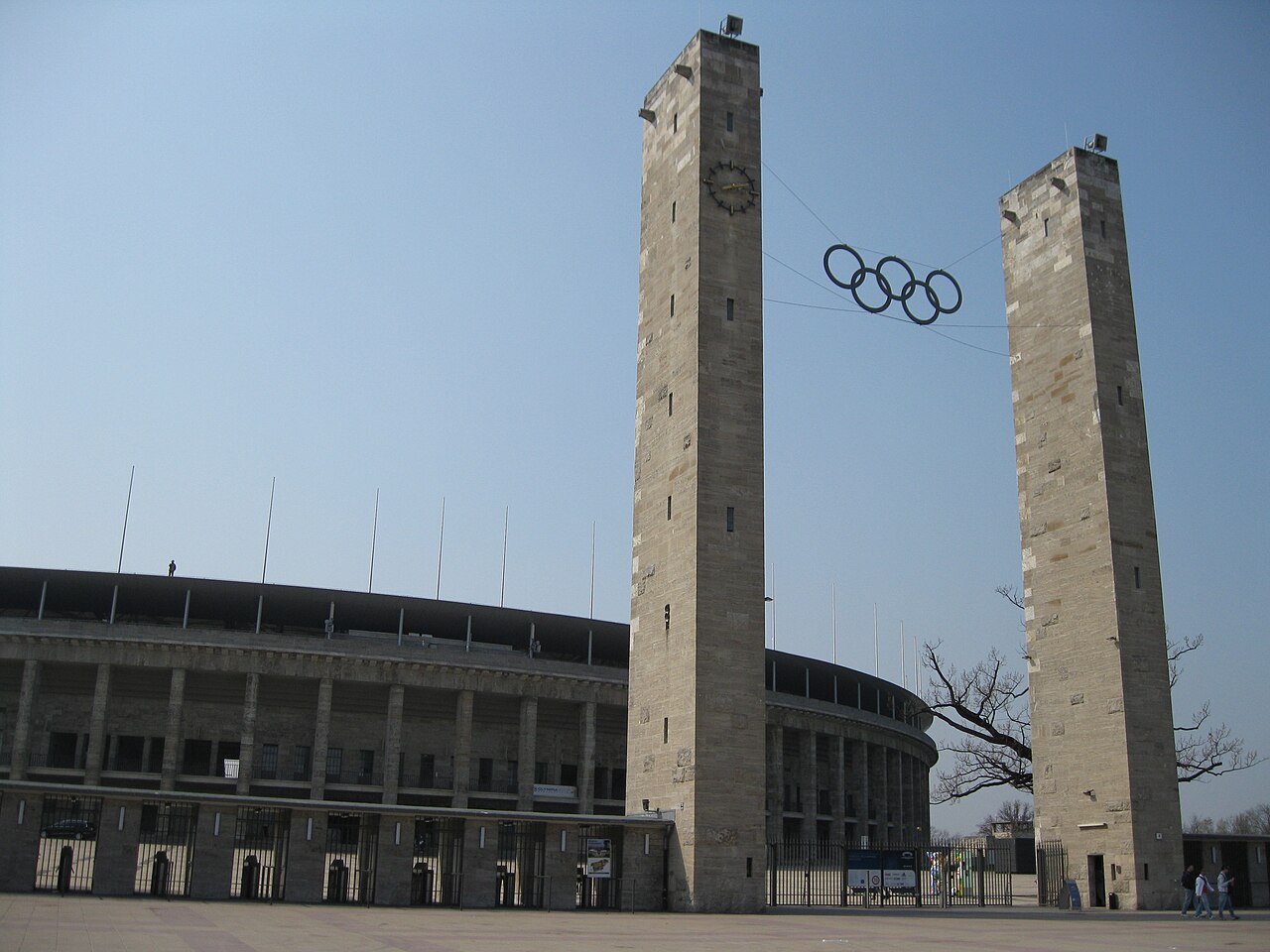
Berlin’s Olympic Stadium (Olympiastadion) was commissioned by Hitler himself for the purpose of the 1936 Olympics which would turn out to be one of the most blatant propaganda events in history. Hitler’s plan was to show the world how awesome National Socialism was and to promote the racial supremacy of the “Aryan” people. So, big shout-out to Jesse Owens for telling Hitler where he could shove it.
Today, you can take guided tours of this historic stadium which still hosts tons of events today. You can see things like Hitler’s personal viewing balcony, the Olympic bell (with original Nazi symbols), and more.
Movie suggestion: Race (2016) – Biographical sports drama about Jesse Owens and the 1936 Olympics. It takes a bit of creative license but pretty historically accurate for the most part. | Currently streaming on Amazon Prime and Netflix.
20. Papestraße SA Prison
In 1933, this building served as an early prison camp where SA men interrogated and tortured political opponents, Jews, and others. And unlike many sites of this sort, this one is fairly well-preserved. In the former basement prison cells, there’s a museum-style exhibition on the building’s brutal history. Visitor information here: gedenkort-papestrasse.de
21. Bendlerblock
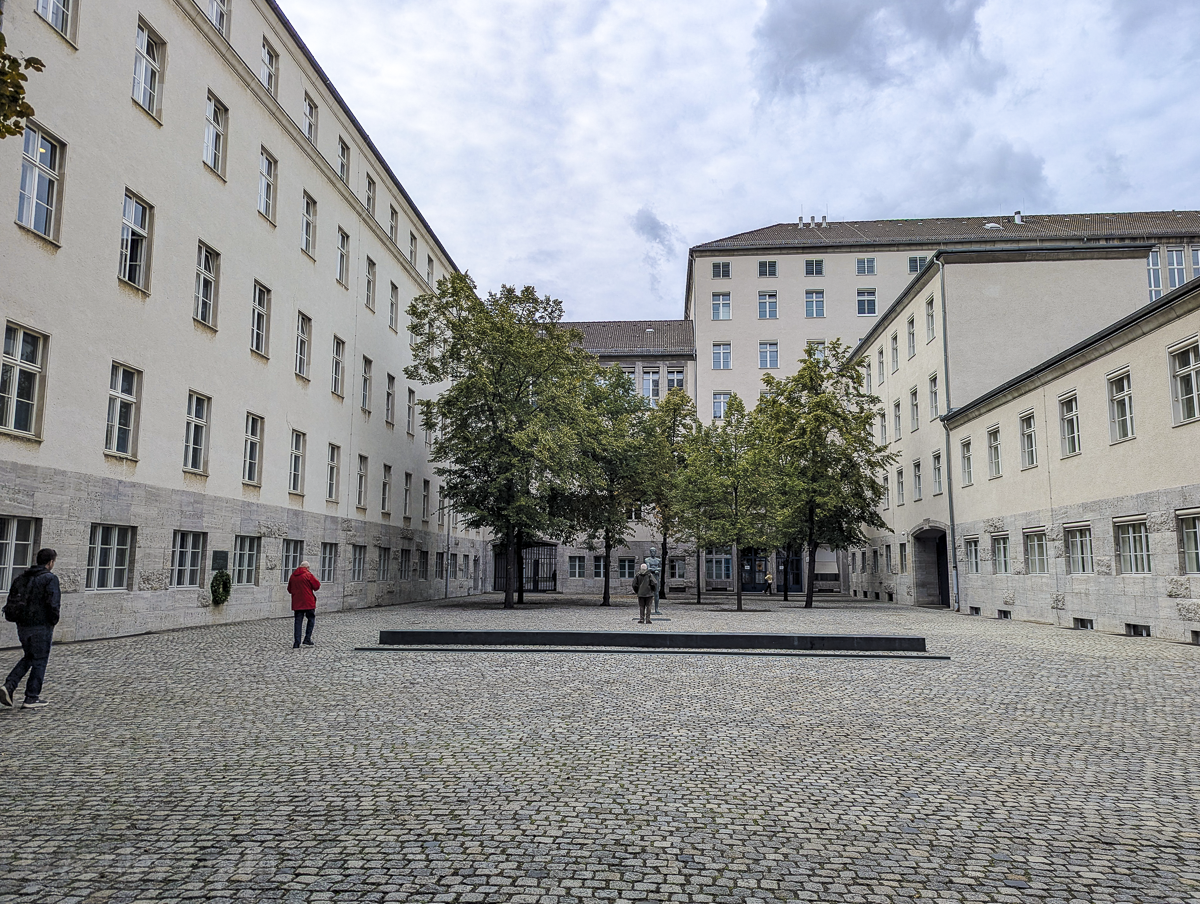
Mentioned earlier as being the location of the German Resistance Center, the Bendlerblock served as a military headquarters during the war. At 1am on July 21, 1944, it became an execution yard. After their July 20 assassination attempt on Hitler failed, the group of conspirators behind Operation Valkyrie (led by Colonel Claus von Stauffenberg) were executed here by firing squad.
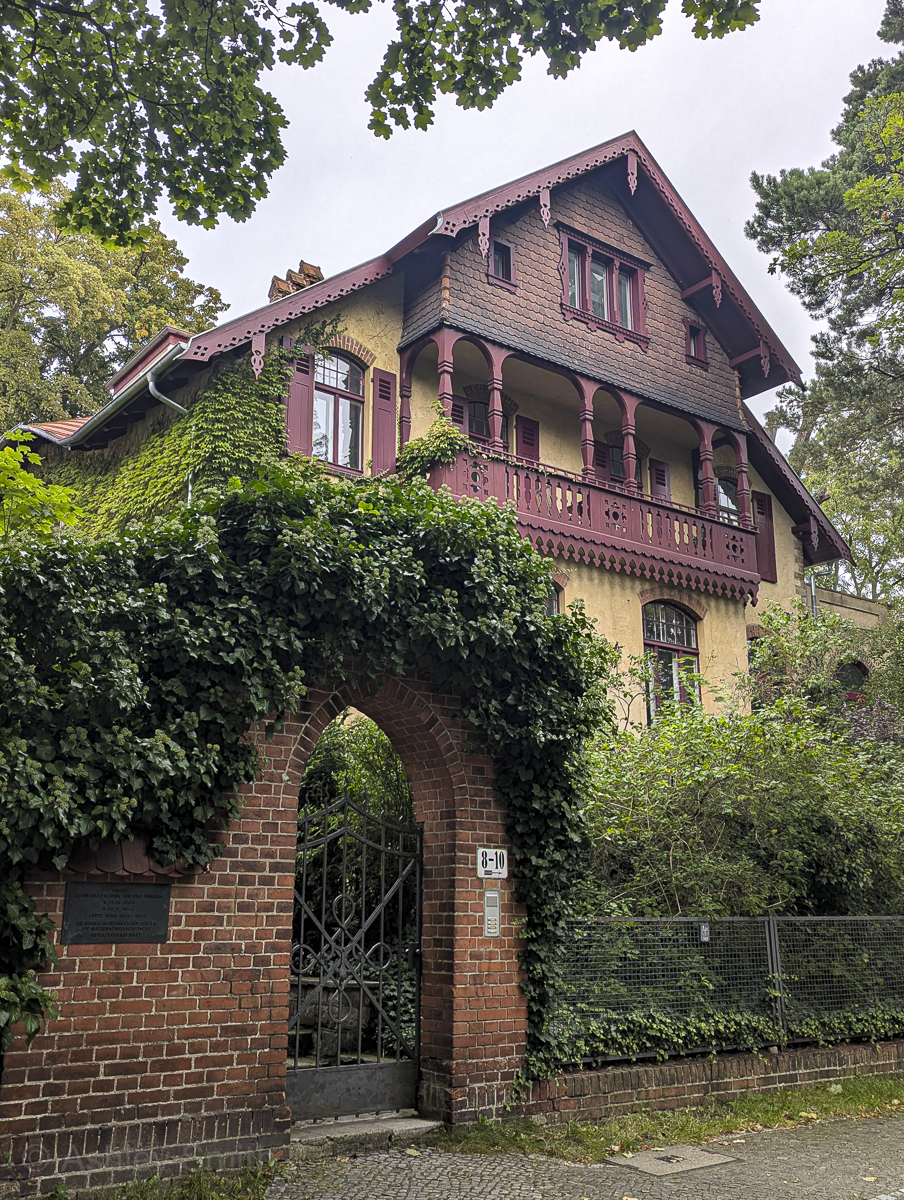
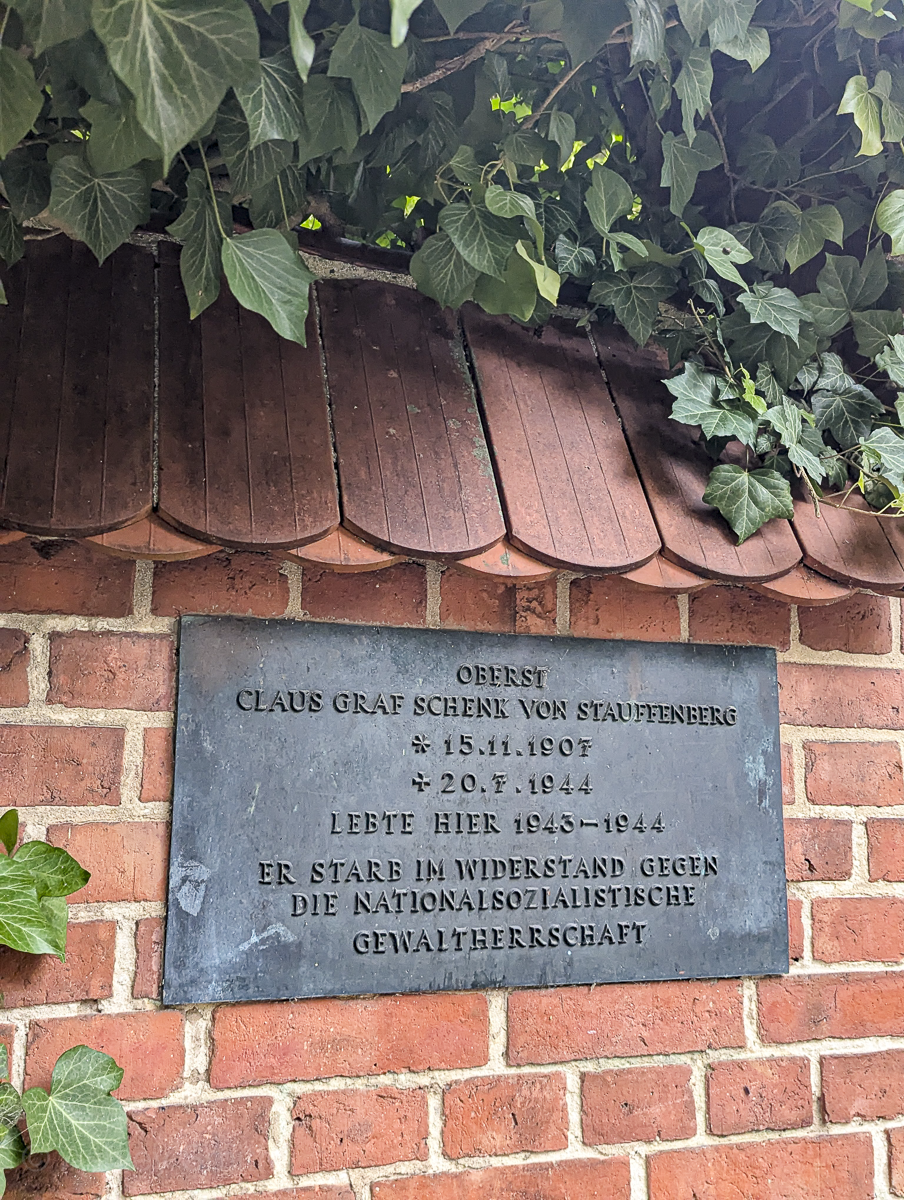
22. Stauffenberg’s house
If you’re planning to visit the House of the Wannsee Conference, know that you can walk a few extra blocks from the train station and see Stauffenberg’s house. This is where he was living at the time of Operation Valkyrie. Please be respectful to the fact that this is still a private residence.
Movie suggestion: Valkyrie (2008) | Streaming on Amazon Prime and free on both Tubi and Roku.
WWII monuments & memorials in Berlin
Again, it would be impossible to describe for you every single WWII memorial and monument in Berlin. There’s just too many. Instead, here’s a list of the ones I find the most interesting, meaningful, and/or worth checking out.
23. Memorial to the Murdered Jews of Europe
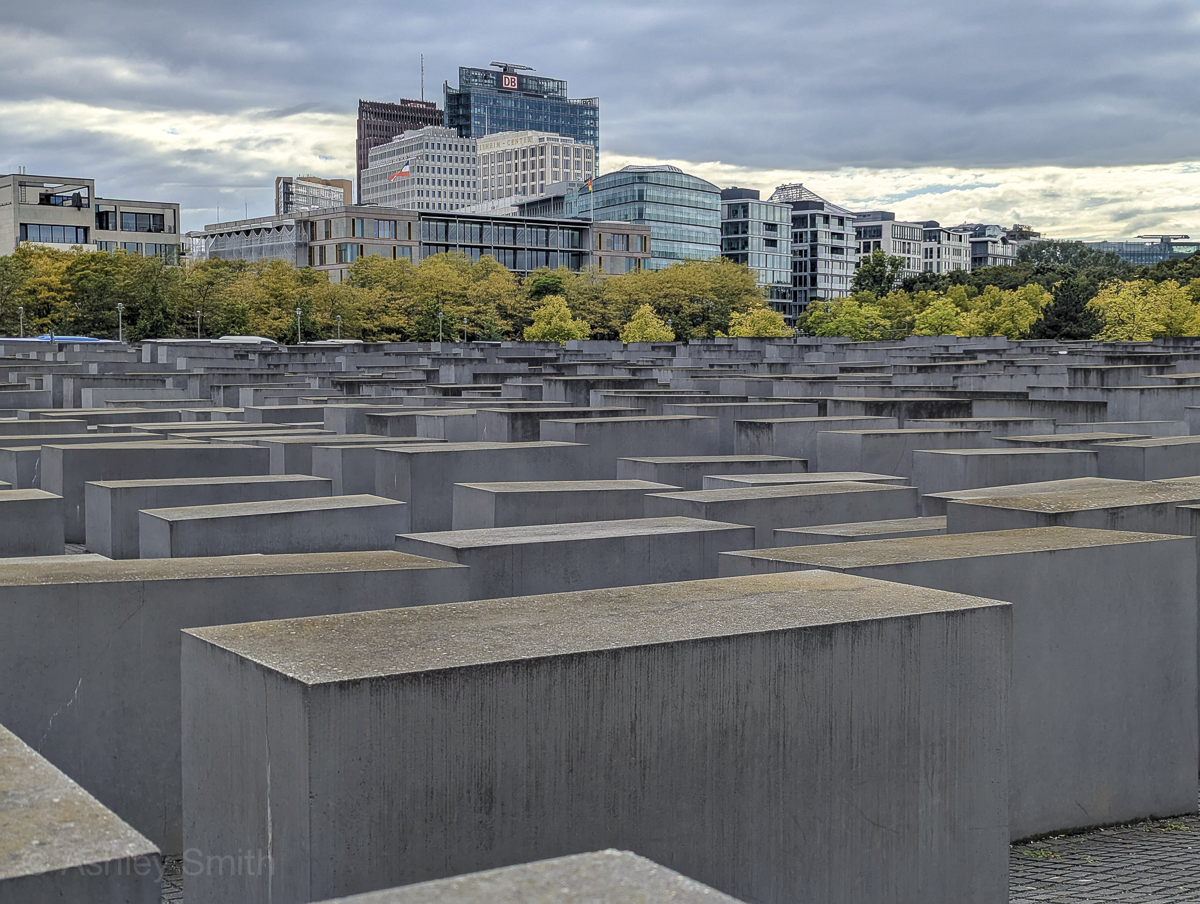
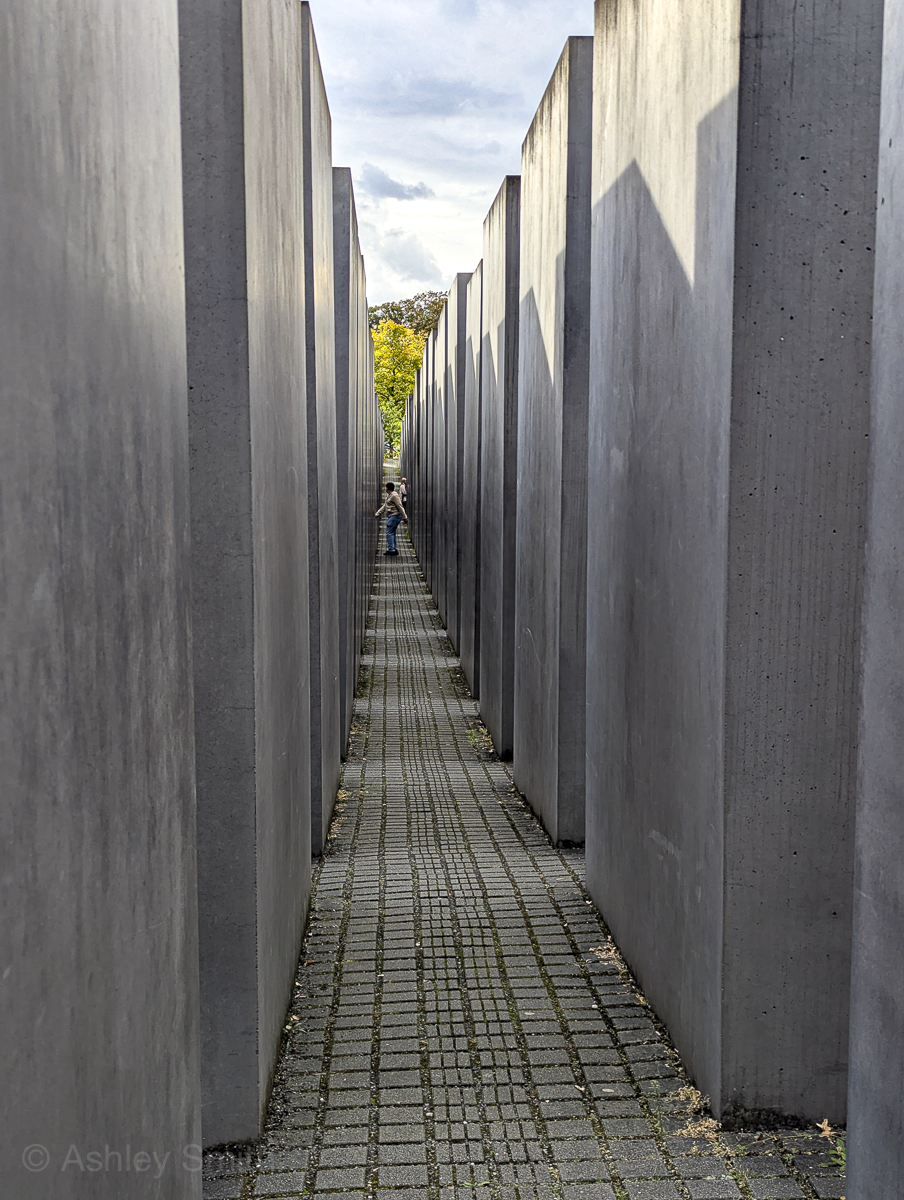
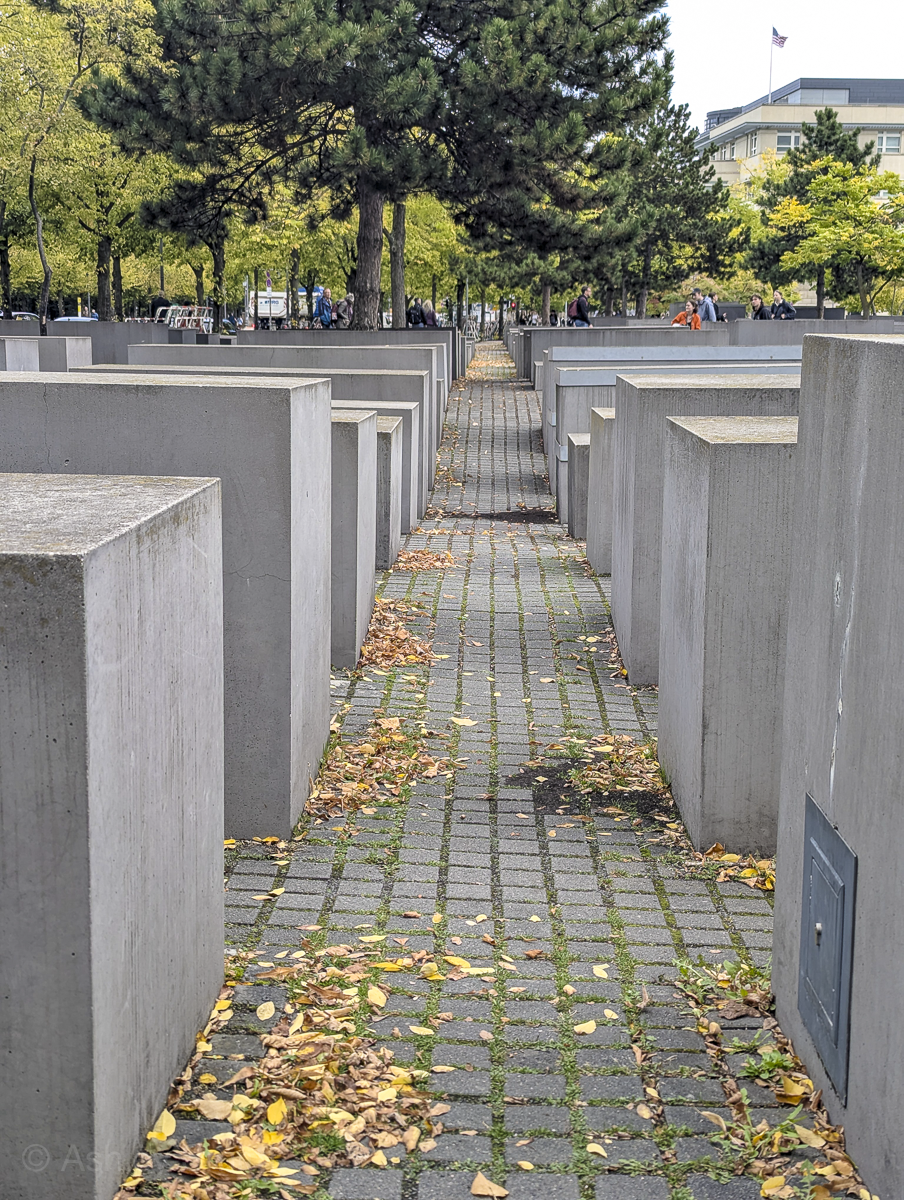
Arguably the most famous WWII memorial in Berlin is this one. Having studied this memorial for quite some time, I was mostly critical of it for many reasons. One of them being the fact that the artist purposely designed it to not include any description or information whatsoever. In my opinion, a memorial loses all significance if no one knows what the hell it’s for. As a result, you find a lot of people behaving poorly here.
But having finally visited it in person, I now have so much respect and appreciation for it. It consists of more than 2,700 concrete columns of varying heights, while the ground dips and rises at random. It’s disorienting as hell and you constantly feel like you’re going to crash into someone else (or get rammed by some kids running through it) as you walk through. And these feelings are absolutely the point. More information here: www.stiftung-denkmal.de
Book suggestion: Holocaust Memorial Berlin by Hanno Rauterberg | Amazon
24. Memorial to the Murdered Members of the Reichstag
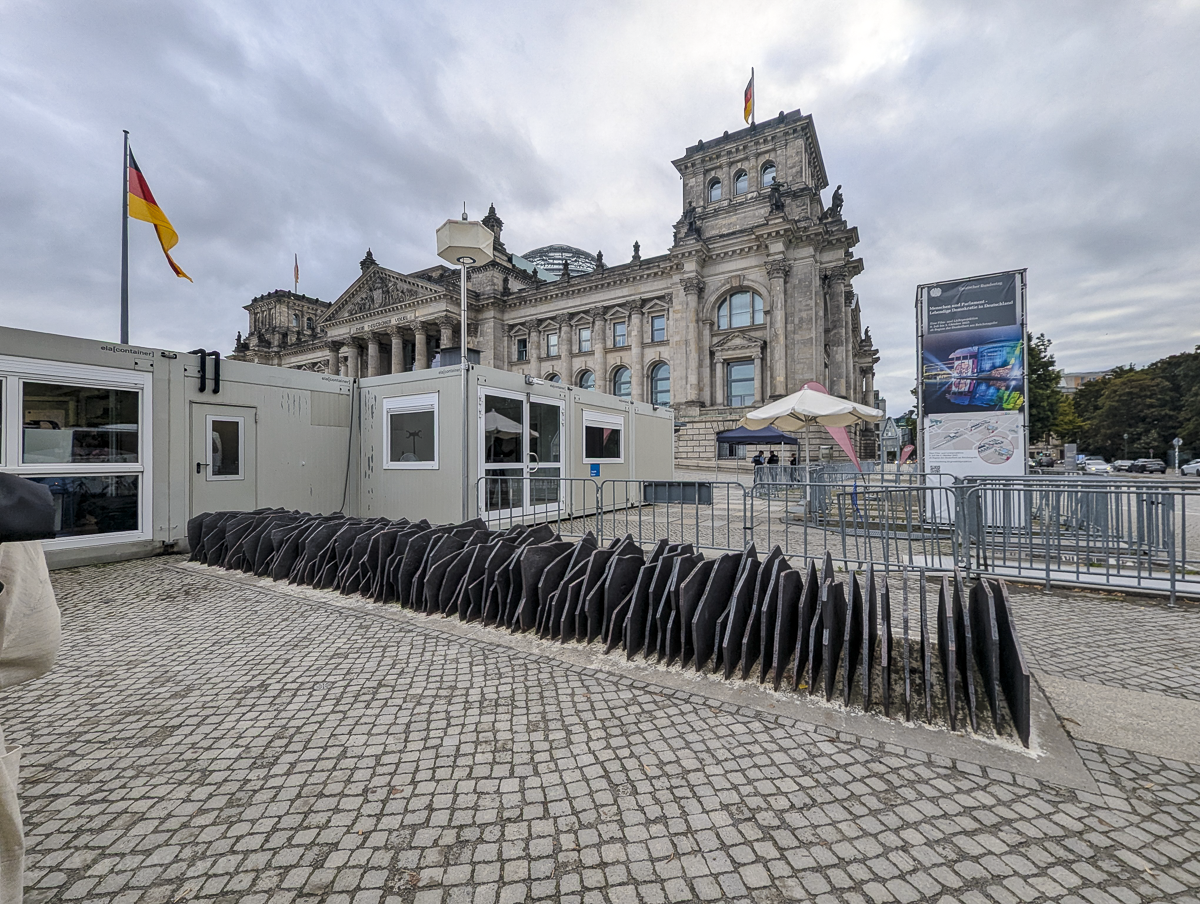
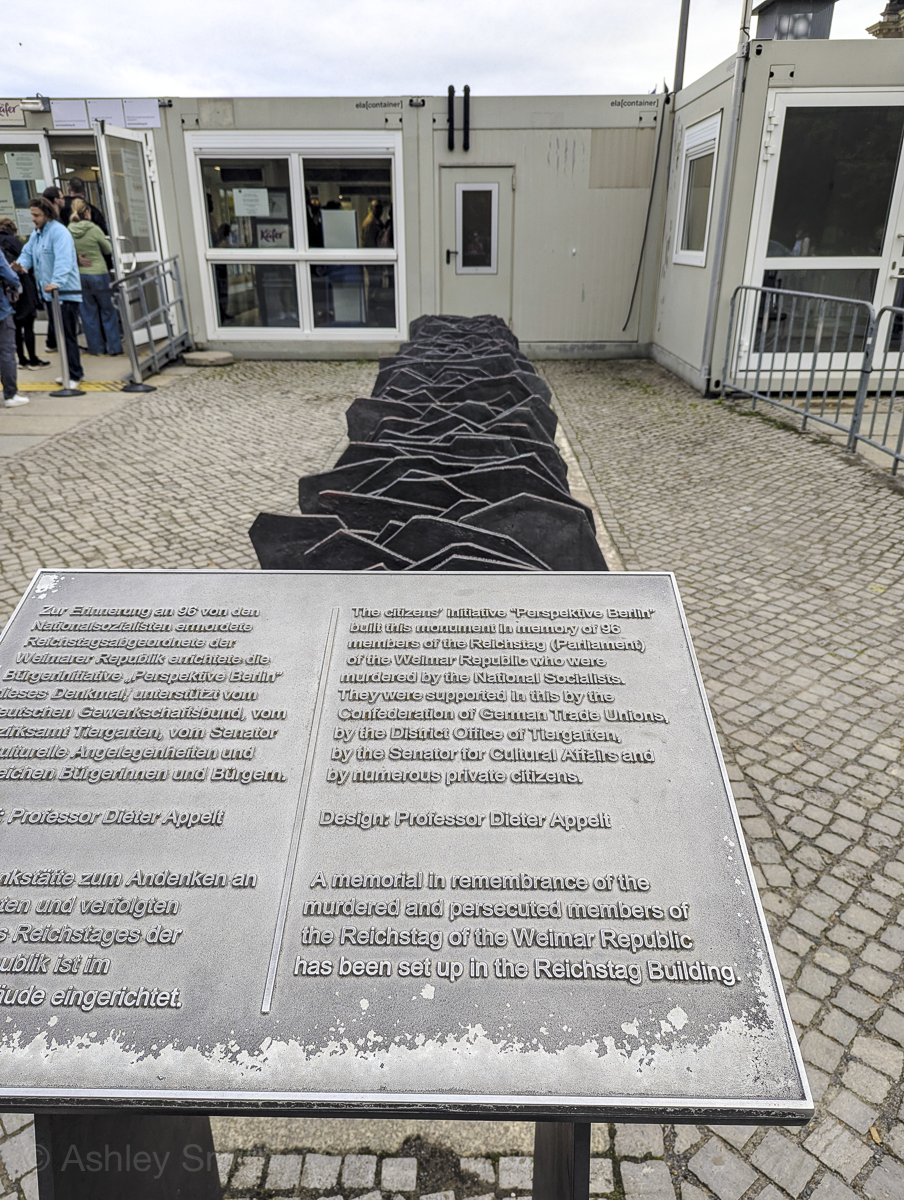
Outside the current visitor entrance to the Reichstag building, you’ll find the Memorial to the Murdered Members of the Reichstag in the form of 96 cast iron plates standing on end. Each one commemorates a member of the parliament who was murdered between 1933 and 1945. Each plate contains a name, birth and death date, and place of death.
The 96 people represented here were politicians whose views didn’t align with Nazi regime’s who were ultimately killed for it.
25. The Missing House Memorial
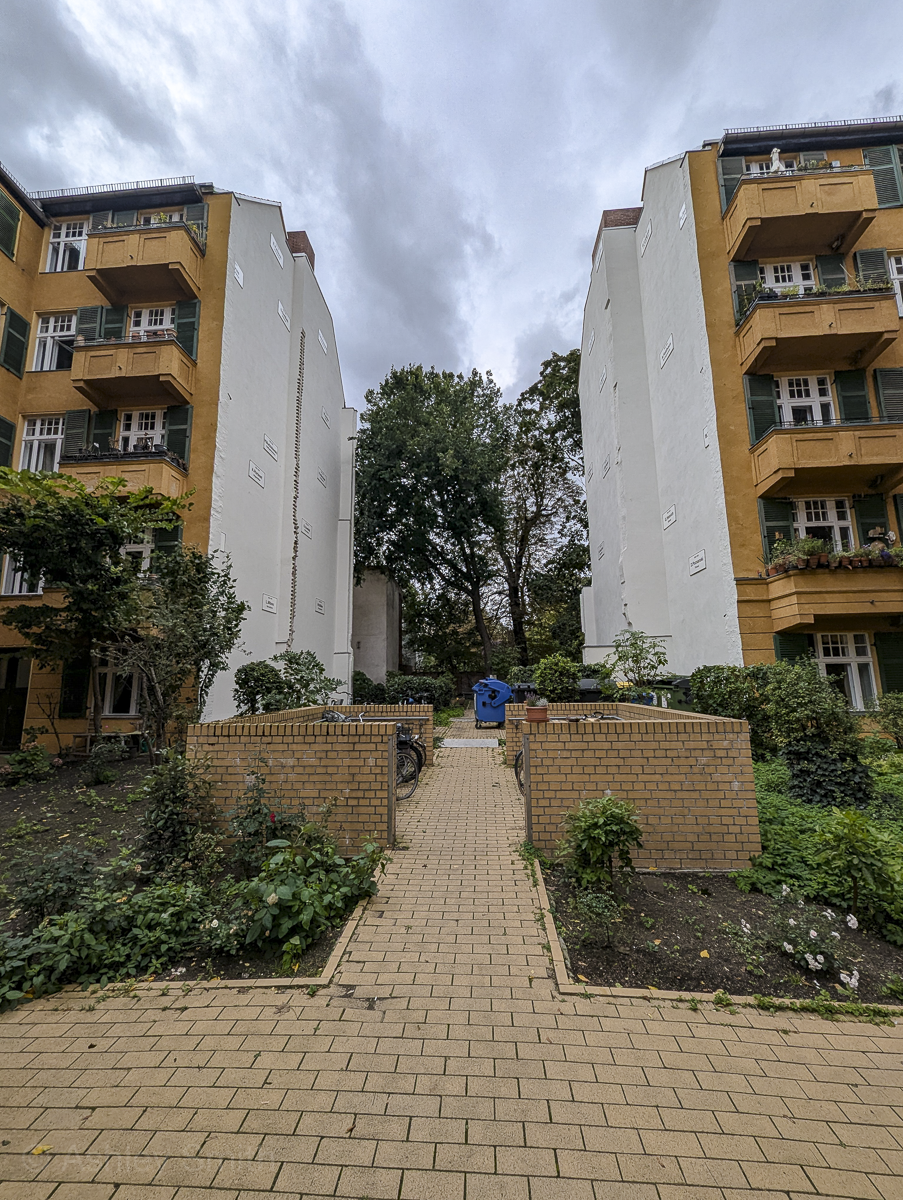
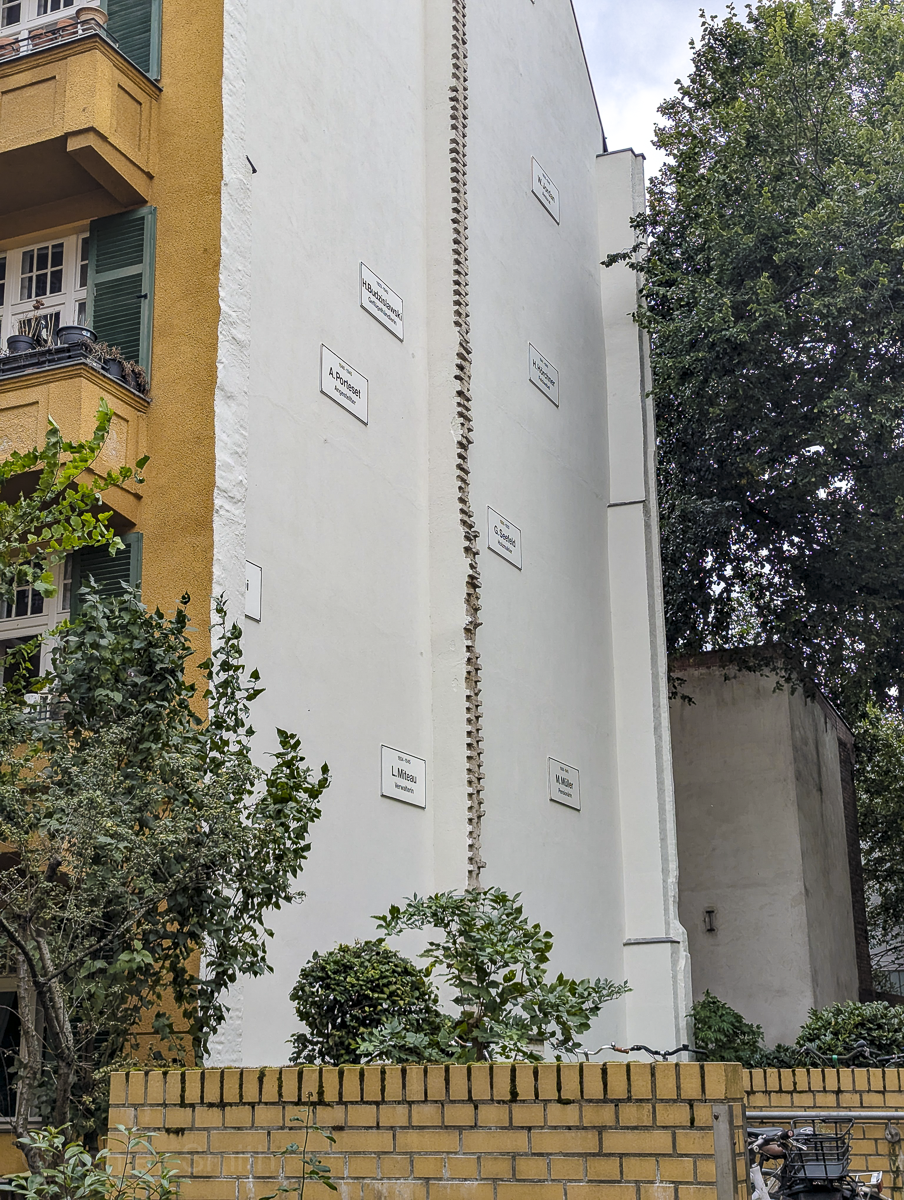
At Große Hamburger Straße 15-16, the memorial you’re looking for is actually what’s not here. In between these two buildings is an empty space where a building used to be until it was destroyed during the war.
On the walls of the opposing buildings are the names of the residents who lost their homes, most of whom were deported to concentration camps. The Missing House memorial serves as a unique reminder of the destruction and loss caused by war.
26. Plötzensee Memorial
While also functioning as a small museum, the Plötzensee Memorial commemorates the more than 2,800 people executed here following “unjust sentences.” These were mainly political opponents but also people the Nazi regime just didn’t like. At any other time, these sentences would have been viewed as completely ludicrous, but you know.
This memorial is located at the former Plötzensee prison and access to both the memorial and permanent exhibition inside is free. More information here: www.gedenkstaette-ploetzensee.de
27. Gleis 17 Memorial (Platform 17)
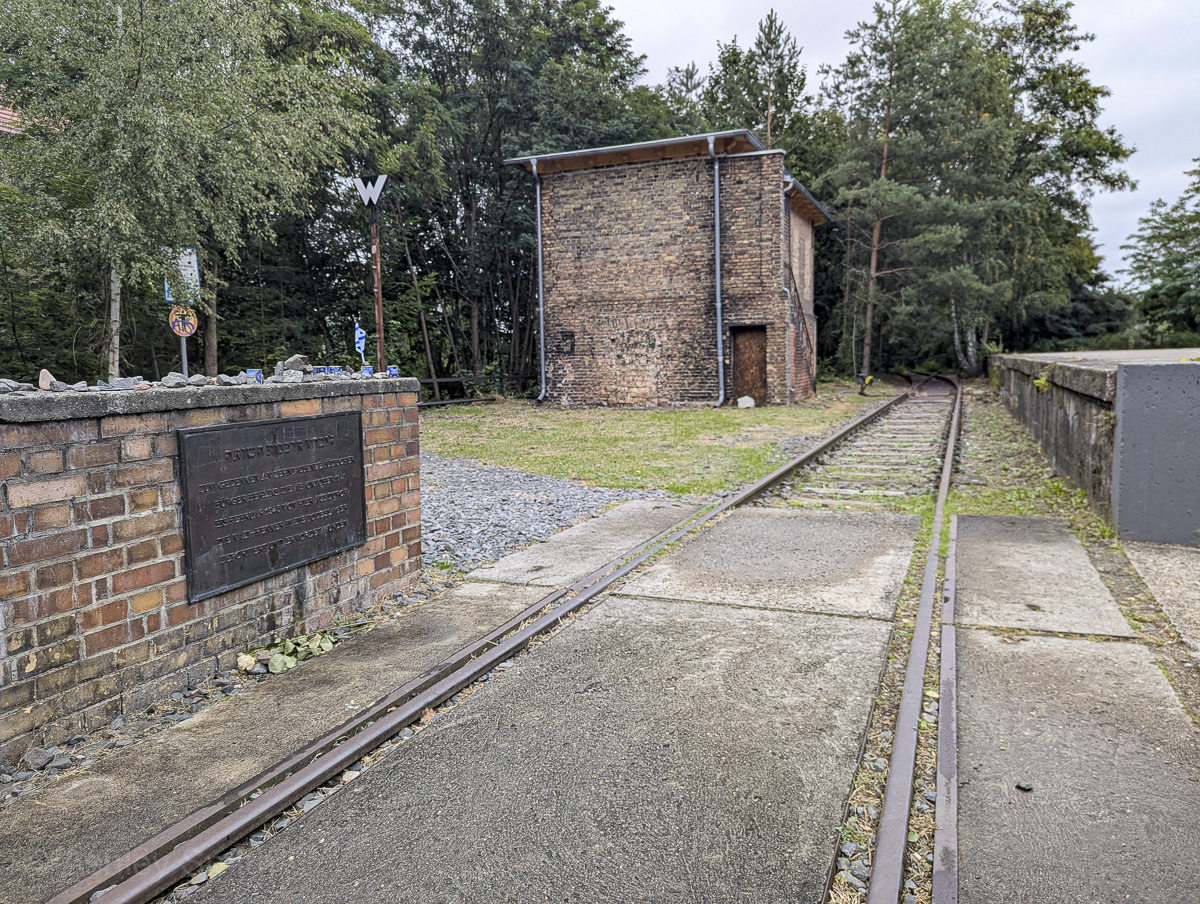
On your way back from Wannsee, get off at the Grunewald stop and walk over the Platform 17 Memorial. This former platform at Grunewald Station was once the city’s main deportation station for Jews. Today, it’s a memorial that honors the approximately 10,000 Jews deported from here to camps like Auschwitz and Terezín.
28. Places of Remembrance
Though the name is generic, this actually refers to a set of memorials in Berlin’s Bavarian Quarter. It’s made up of around 80 individual signs attached the area’s lampposts. Each of these contains a simple image of an everyday object on one side (a loaf of bread, a clock, etc.) and the summary of an anti-Jewish law on the other. These signs are some seriously creative ways to show how Jews were persecuted in just about every aspect of daily life.
29. Rosenstraße Memorial
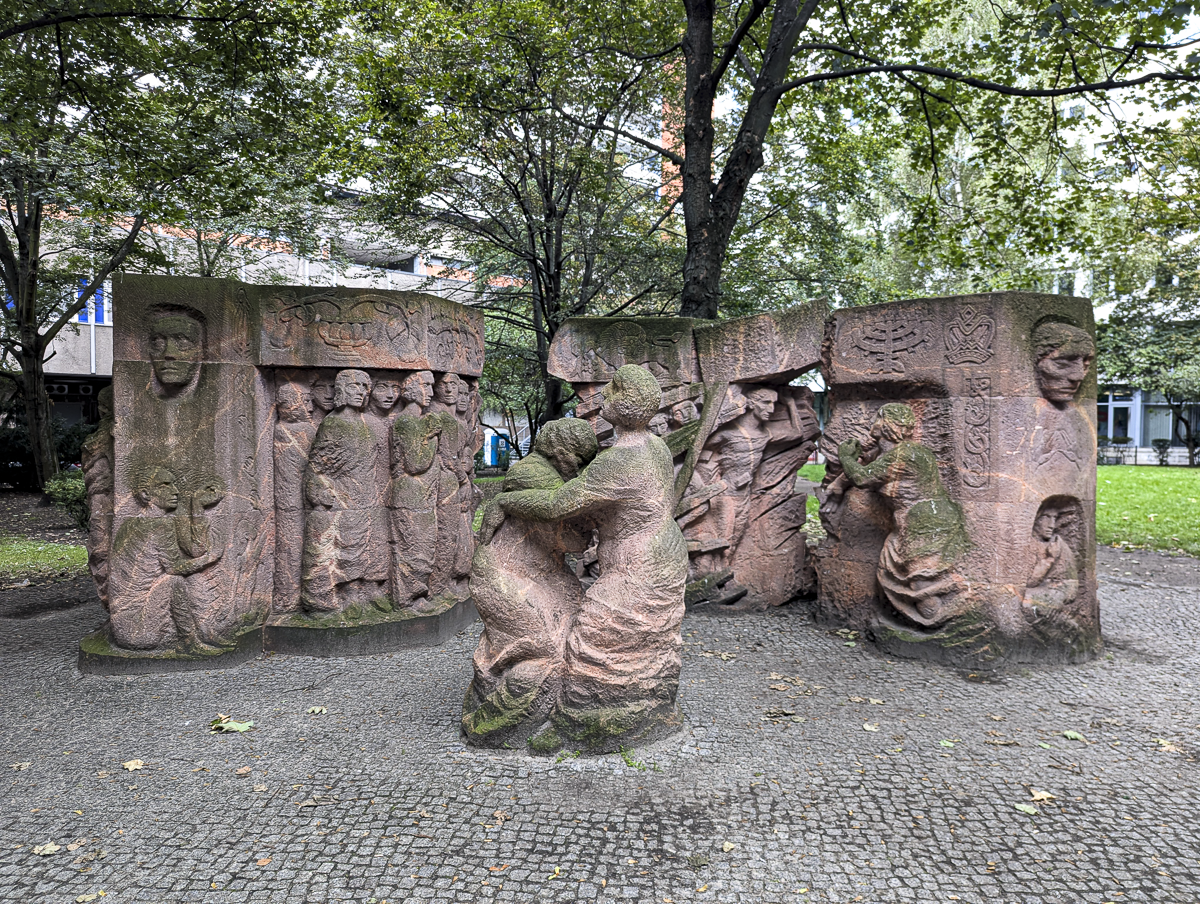
This memorial sculpture, also referred to as Block der Frauen (Block of Women), shows just that—three blocks with women figures carved into them surrounding that of a couple embracing each other. It represents the nearly 6,000 “Aryan” women who stood up to the Nazi regime and demanded the release of their Jewish husbands who’d been rounded up and detained.
And it worked! In an attempt to stave off a more serious anti-Nazi uprising, authorities released them. Neither the men nor any of their wives were arrested. (It’s not every day you get such happy endings from this period!)
Book suggestion: Resistance of the Heart: Intermarriage and the Rosenstrasse Protest in Nazi Germany by Nathan Stoltzfus (2001) | Amazon / Bookshop.org
30. Stumbling Stones
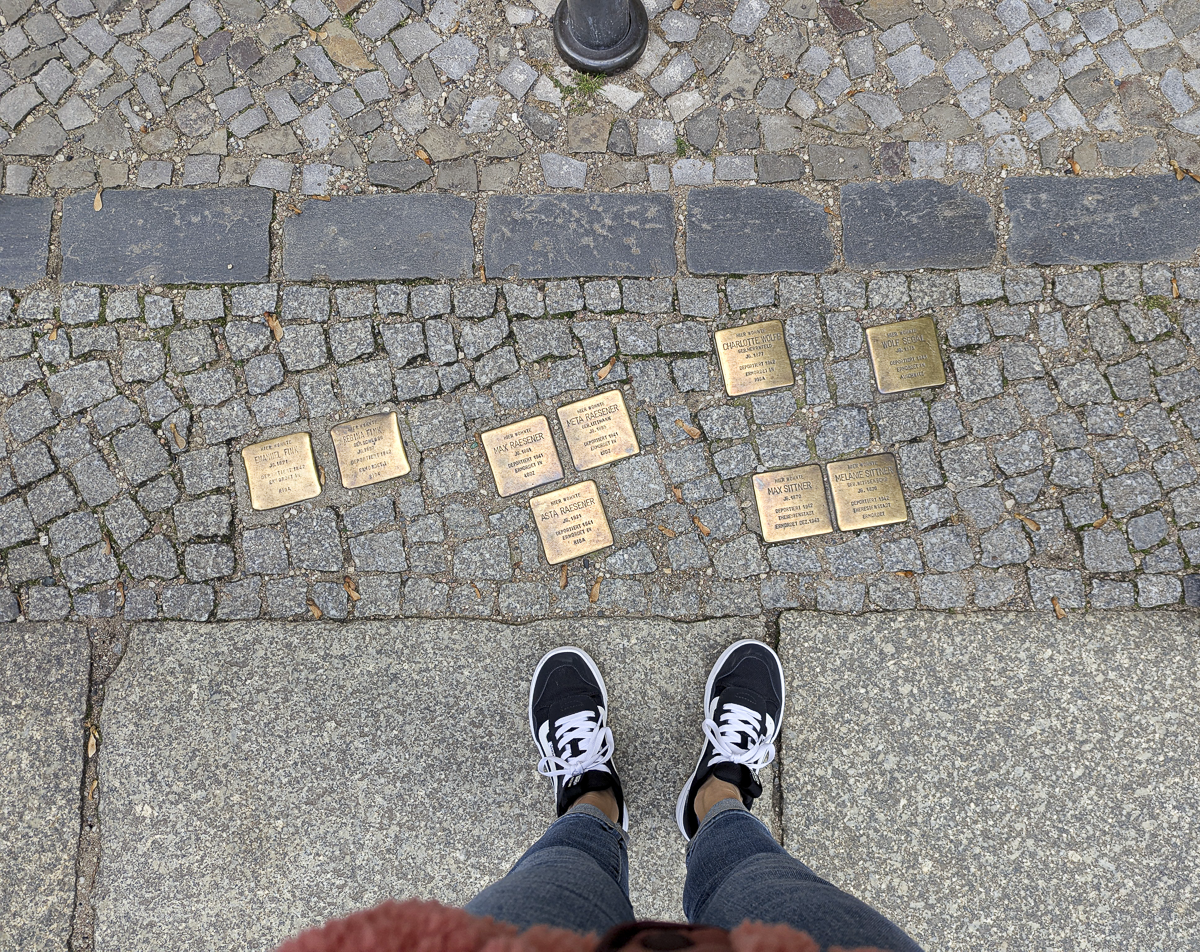
As in nearly all major cities in Europe, Berlin has its own collection of Stumbling Stones. Stolpersteine (as they’re known in German) are small brass cobblestones that act as individual memorials to Holocaust victims.
These small stones typically contain a person’s name, their birth and death dates, what camps they were deported to, their manner of death, etc. You can read more about Europe’s Stumbling Stones here.
Most cities and small towns will have at least a few, but with over 10,000 of them, Berlin has more stumbling stones than any other city in the world. Keep your eyes to the ground while you’re out exploring the Berlin WWII sites and you’re sure to see many of them.
More WW2 memorials in Berlin
In the spirit of brevity, here are some quick introductions to several other meaningful memorials and monuments in Berlin you should check out if you have the time:
31. Trains to Life – Trains to Death – Half of this memorial honors the Kindertransports, a British program that helped rescue 10,000 children from Nazi-occupied countries. The other half represents those deported to death camps.
32. Nazi Book Burning Memorial – Known as the Empty Library, this memorial remembers the May 10, 1933 Nazi book burning that took place here. Look down into the glass on the ground and you’ll find an “empty library.”
33. We Were Neighbors Memorial – This unique Holocaust memorial inside the Schöneberg Town Hall resembles a library and highlights the personal stories of 170 Jewish Schöneberg residents who were displaced, deported, or murdered.
Book suggestion: We Had to Be Brave: Escaping the Nazis on the Kindertransport by Deborah Hopkinson (2020) | Amazon / Bookshop.org
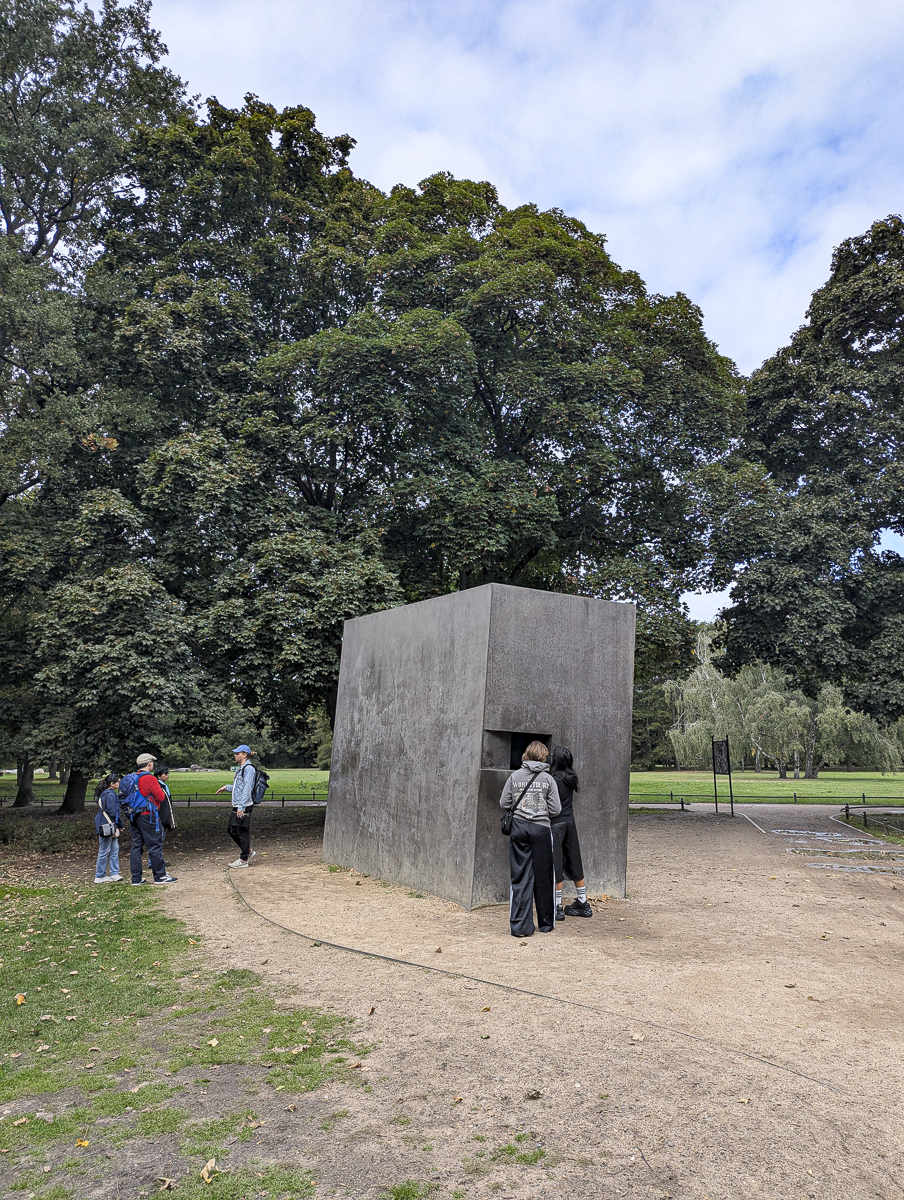
34. Memorial to the Persecuted Homosexuals under National Socialism – In the park across the street from the Memorial to the Murdered Jews is this one that features a large black box with a viewing window. Looking inside, you’ll see a film playing same-sex love scenes.
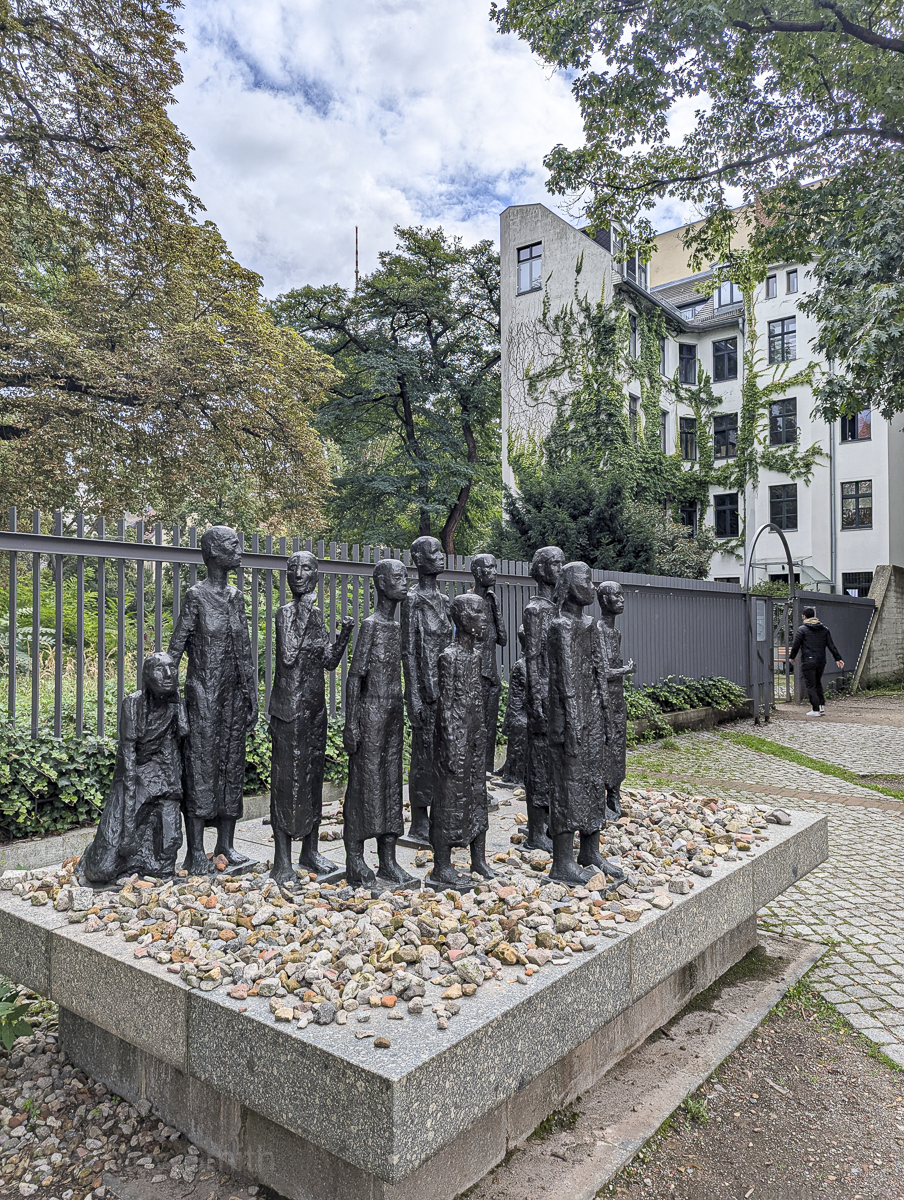
35. Groß Hamburger Straße Memorial – Down the street from the Missing House is this one, outside the gates of the Old Jewish Cemetery. The first Jewish “old people’s home” was once located here which the Nazis used as a collection site for 55,000 of Berlin’s Jews before deported them to the death camps in Poland.
36. T4 Victims Memorial – Formally known as the “Memorial and Information Site for the Victims of the National Socialist “Euthanasia Killings,” this memorial site commemorates those killed in the Nazi T4 program. This program focused on killing those the Nazi regime deemed “unworthy of life”—those with mental or physical disabilities, the elderly, etc. Read more about the T4 program here.
Book suggestion: Forgotten Crimes: The Holocaust and People with Disabilities by Susanne E. Evans (2004) – All about the Nazi euthanasia programs including T4 | Amazon / Bookshop.org
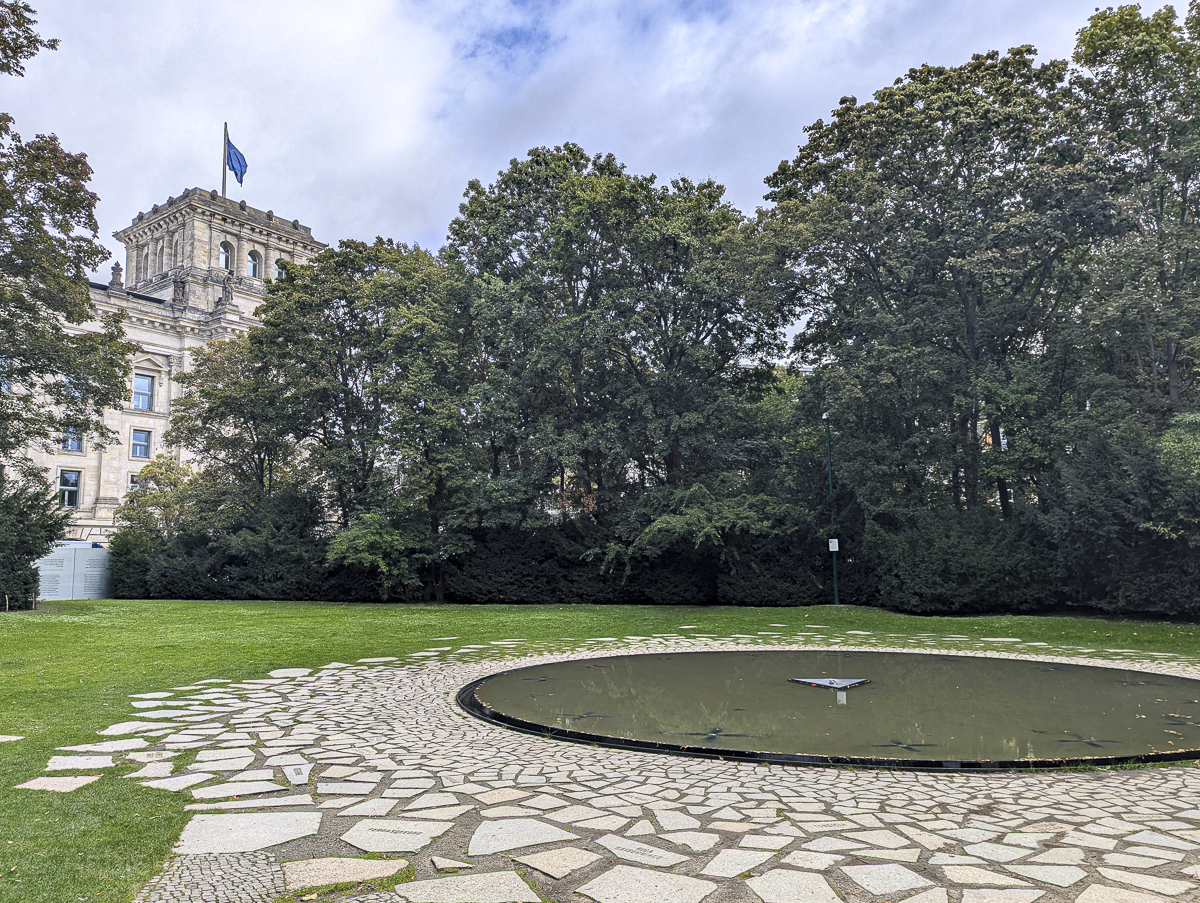
37. Memorial to the Sinti and Roma of Europe murdered under National Socialism – This unique memorial near the Reichstag consists of a large fountain with a stone in the center that has a fresh flower on it every day. (The stone is lowered each day and a new flower placed on it from below.) There’s also an open-air exhibition here featuring photos and biographies of some of the victims.
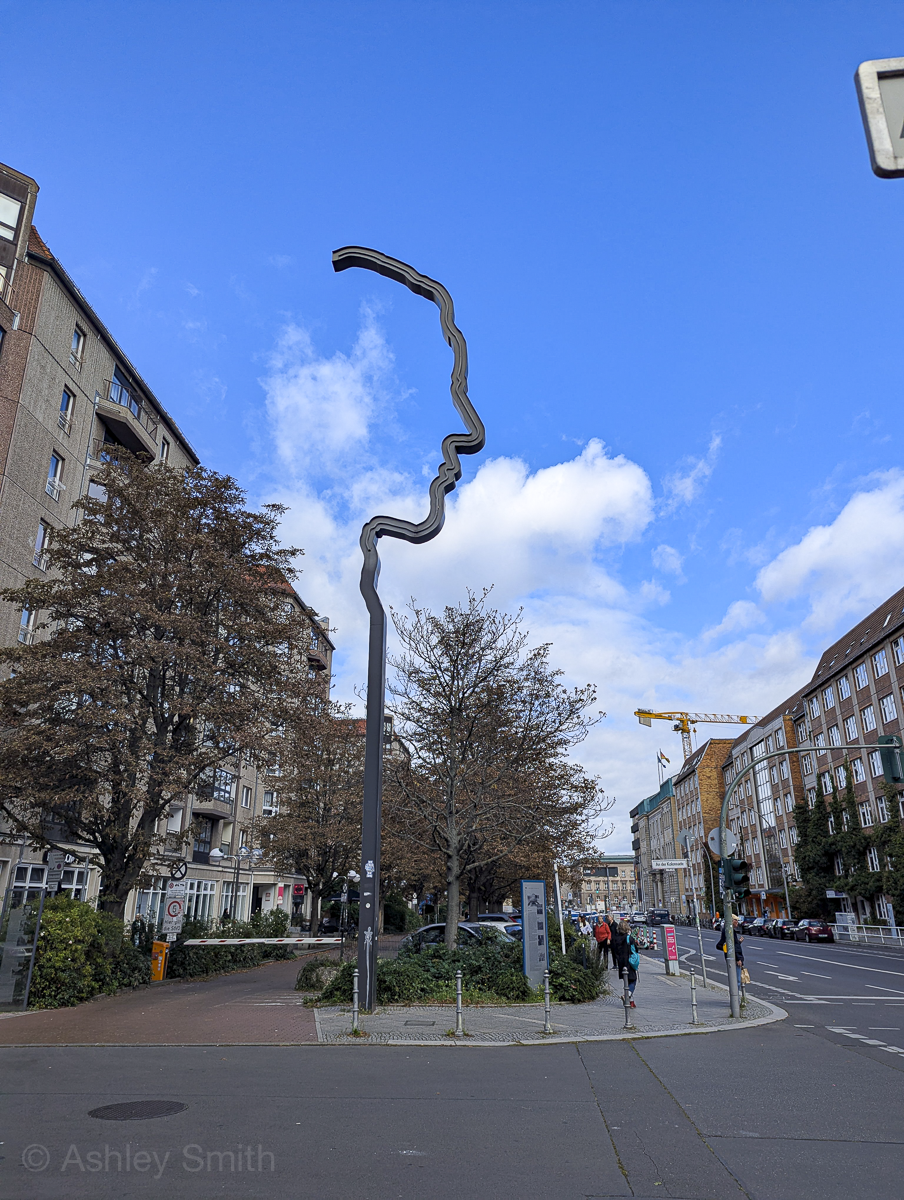
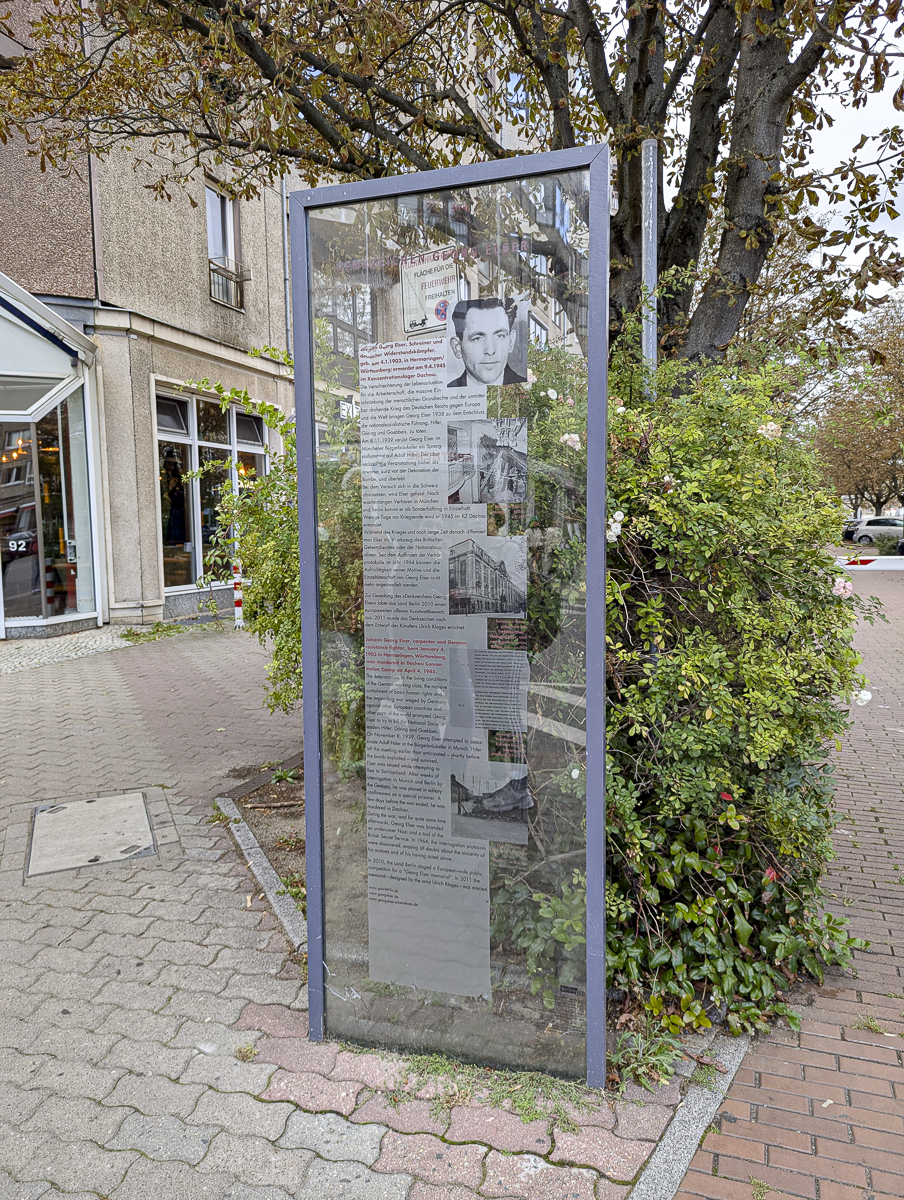
38. George Elser Memorial – Tall silhouette sculpture of Georg Elser, the man who tried to assassinate Hitler in Munich in 1939. This memorial also features an information board about him and even lights up at night.
Book suggestion: Georg Elser: The Zither Player by Tom Ferry – Full story of Hitler’s almost assassin. | Amazon / Bookshop.org
Soviet Memorials
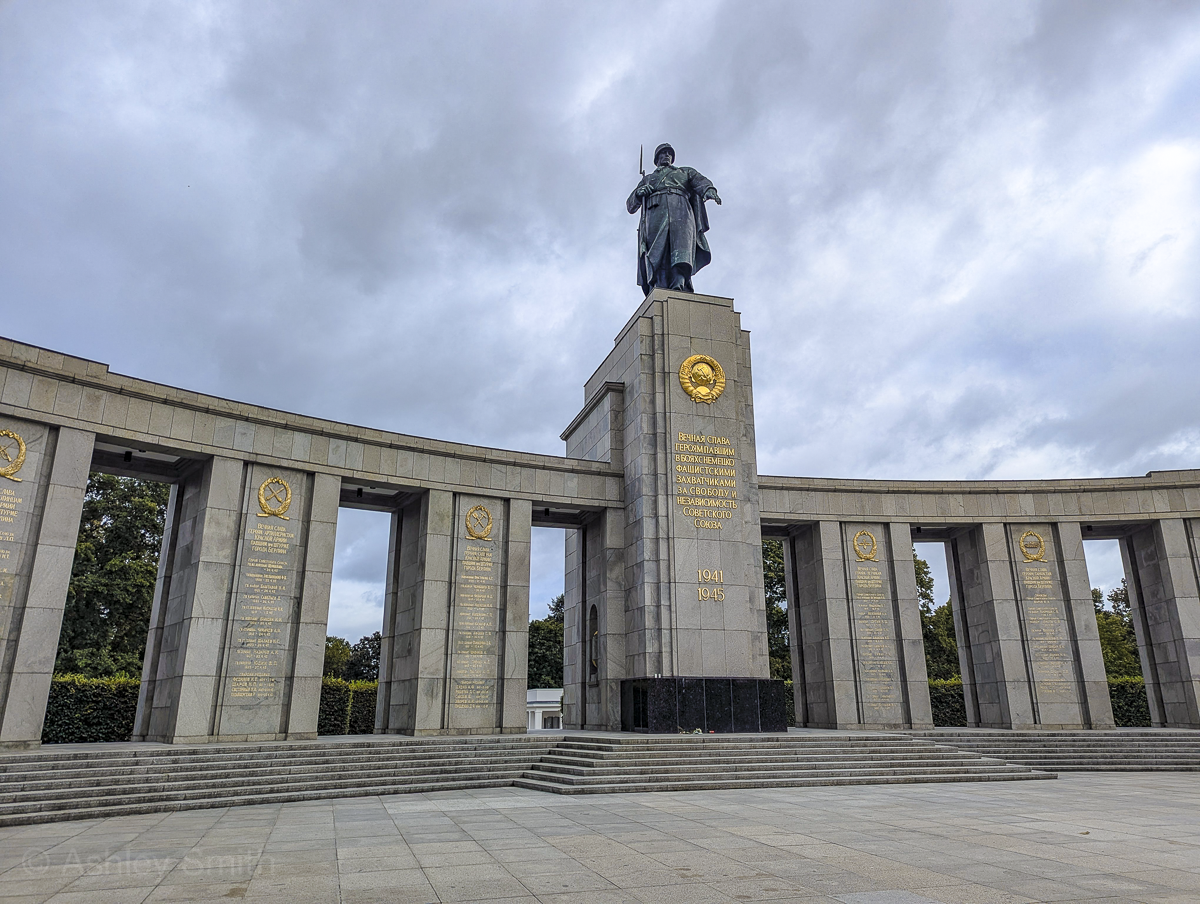
Expectedly, Berlin also contains plenty of grand memorials to the Soviet Union. If these interest you, look for the following:
39. Soviet War Memorial (Treptower Park)
40. Soviet War Memorial (Tiergarten)
41. Seelow Heights Memorial & Museum – Commemorates the largest WWII battle fought on German soil
42. House of Liberation – Monument to the Red Army’s final invasion of Berlin
War damage & other relics
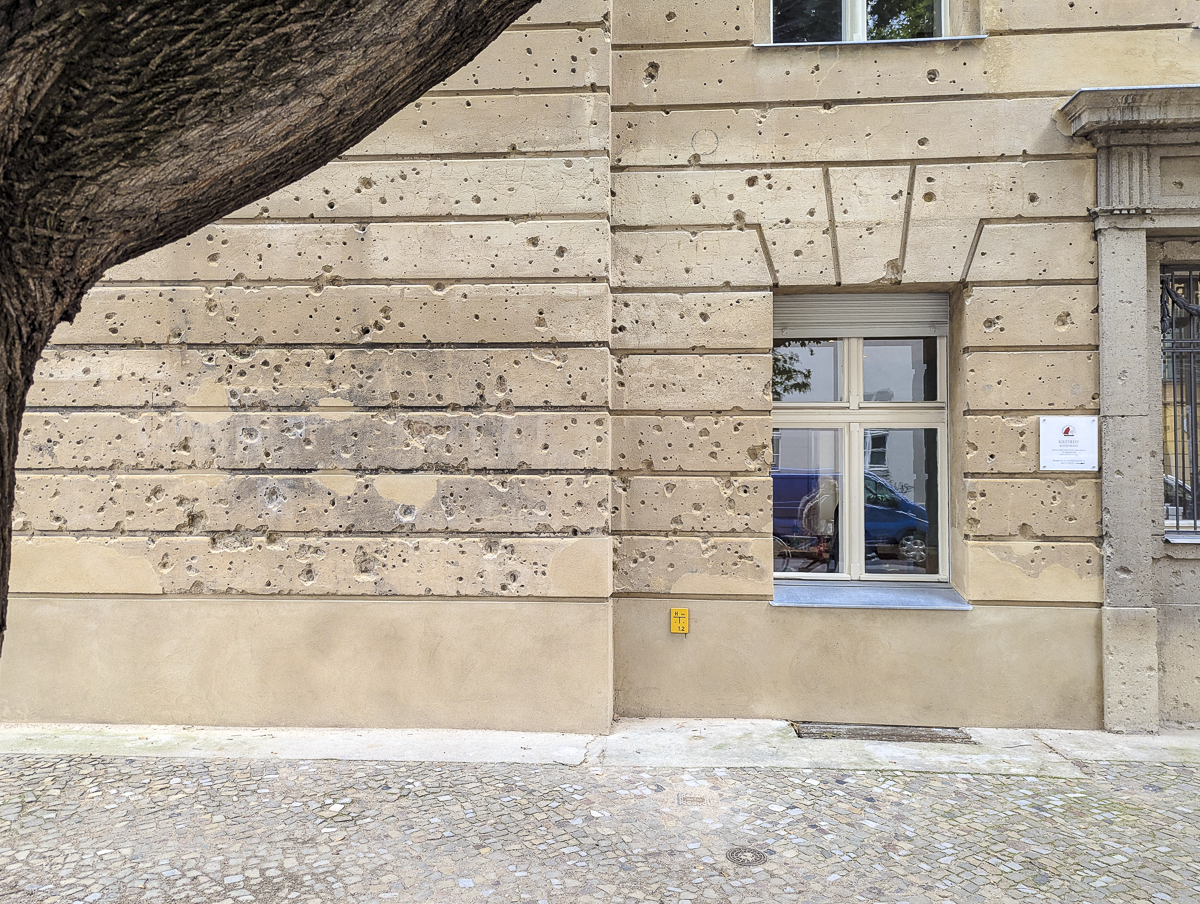
In addition to the many sites listed above, there are still countless places around Berlin where you can see evidence of WWII either in the form of Nazi architecture or symbols, bombing ruins, or bullet holes on the sides of buildings. Seriously, keep your eyes peeled and you’ll notice it everywhere. Here are a few examples of where to look:
War damage and ruins
While most of the city was rebuilt in the decades following the war, some buildings remain in their original ruined condition as a constant reminder of what happened here.
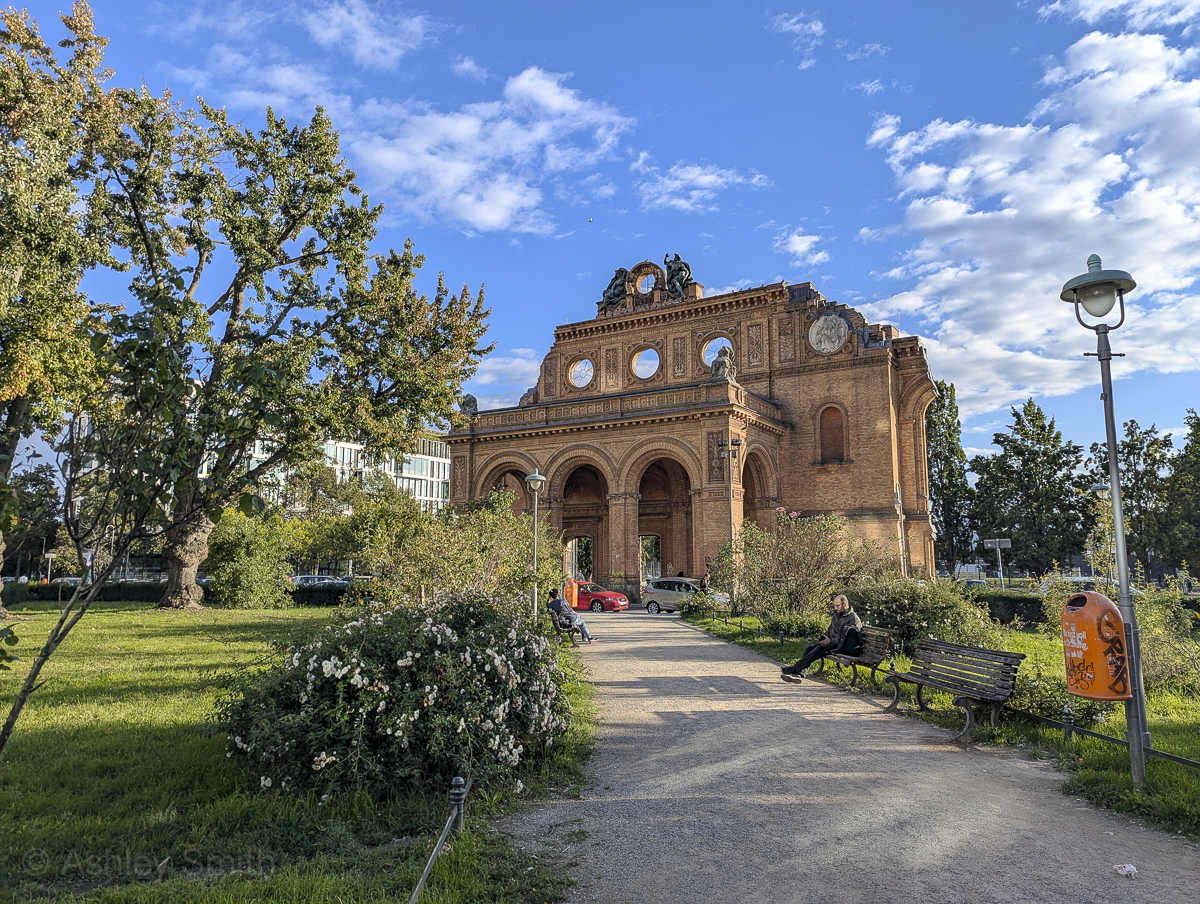
43. Anhalter Bahnhof
Once a beautiful and towering train station, what’s left is but a small portion of a bombed-out façade. During WWII, this was one of three stations used to deport Jews from the city (approx. 55,000 from 1941-45). There are currently plans to open an Exile Museum here.
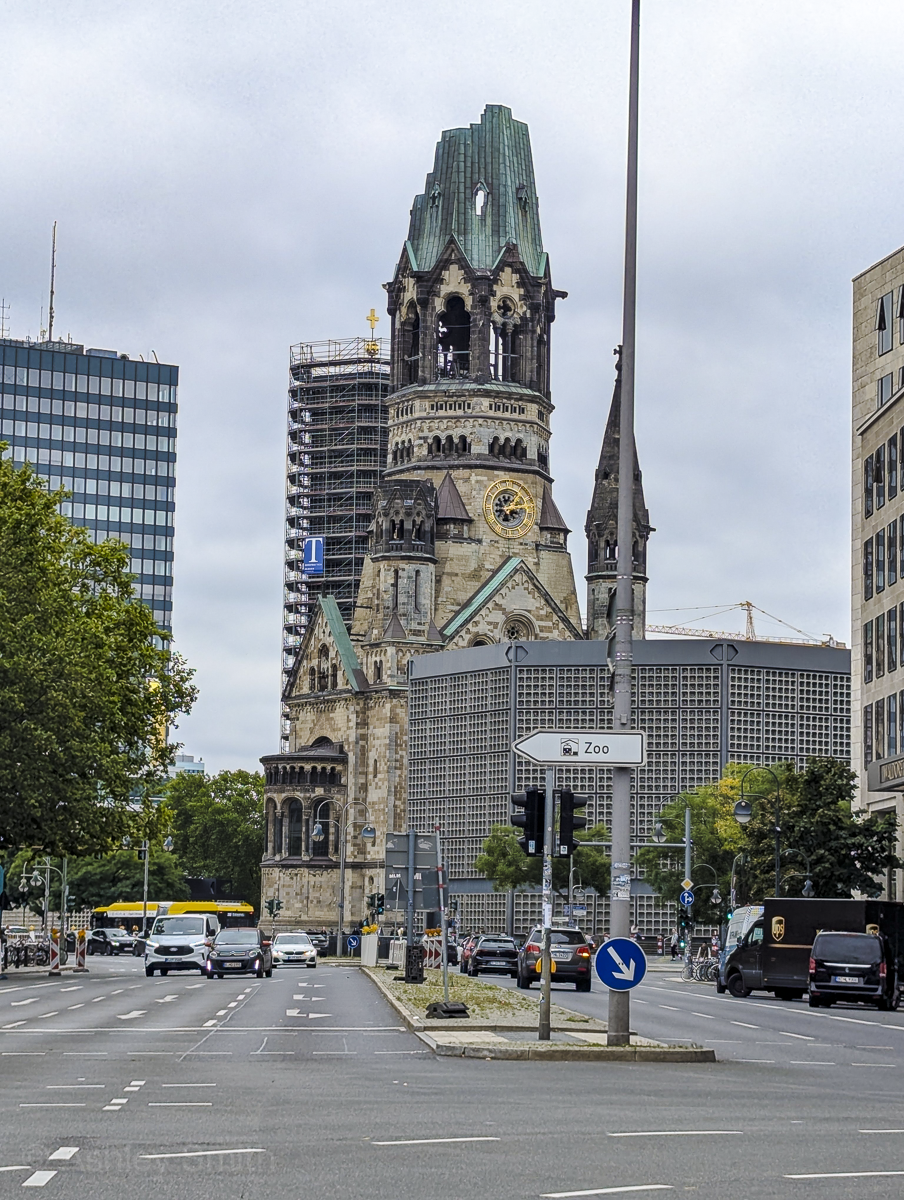
44. Kaiser Wilhelm Memorial Church – Considered an icon of the city, it was decided to leave the church’s ruined tower as-is and renovate around it.
45. St. Michael’s Church – Destroyed by Allied fire-bombing in 1945, services are still held here in the church’s surviving areas, though the nave is still without a roof.
46. Franciscan Monastery Church – Founded in 1250 and destroyed by Allied bombing in April 1945. Today, the restored ruins still stand and even hosts events.
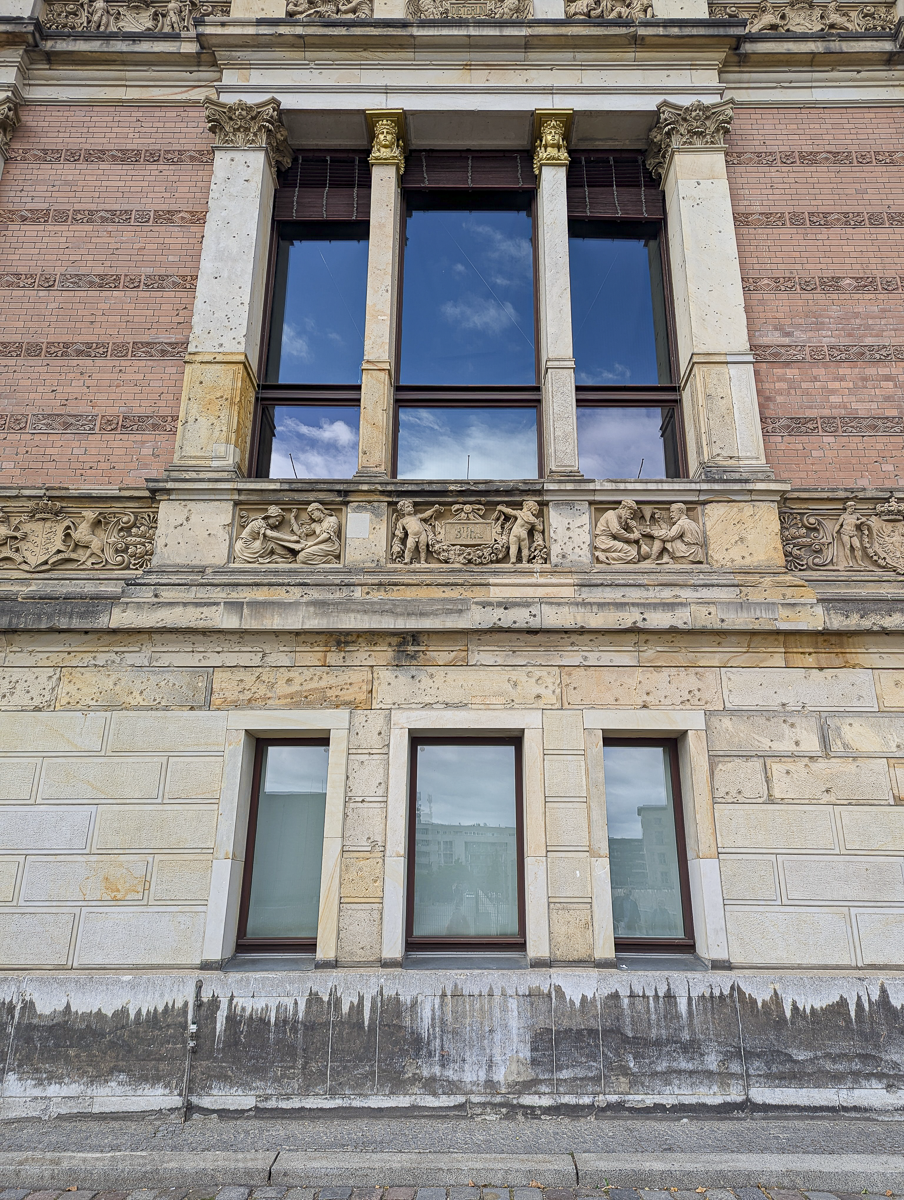
47. Gropius Bau – At the back of the Topography of Terror, head over to the rose-colored brick building which you’ll see is still covered in bullet holes sustained during the Battle of Berlin.
48. Sophienkirche – The building to the right of the entrance gate to the Sophienkirche (off Große Hamburger Straße) is also still covered in bullet holes.
Nazi architecture
One thing you can see more of in Berlin than you can anywhere else is original Nazi architecture. Hitler had grand plans for rebuilding Berlin into “Germania”—the capital of the new German empire. The ongoing war eventually put a pause on progress, but not before the completion of several new buildings and other structures.
Nazi architecture favored a style that invoked a sense of power, strength, and intimidation. It emphasized heavy materials, sharp lines, uniformity, and absolutely no character whatsoever. It’s about as brash and hostile as you can get which is pretty on-brand actually. In a nutshell, every building looks like a prison. I personally find it hideous.
Now that you know what to look for, here are a few places around Berlin where you can find it.
Also read: Where to See Nazi Architecture in Germany: 22 Chilling Examples

49. Ministry of Aviation
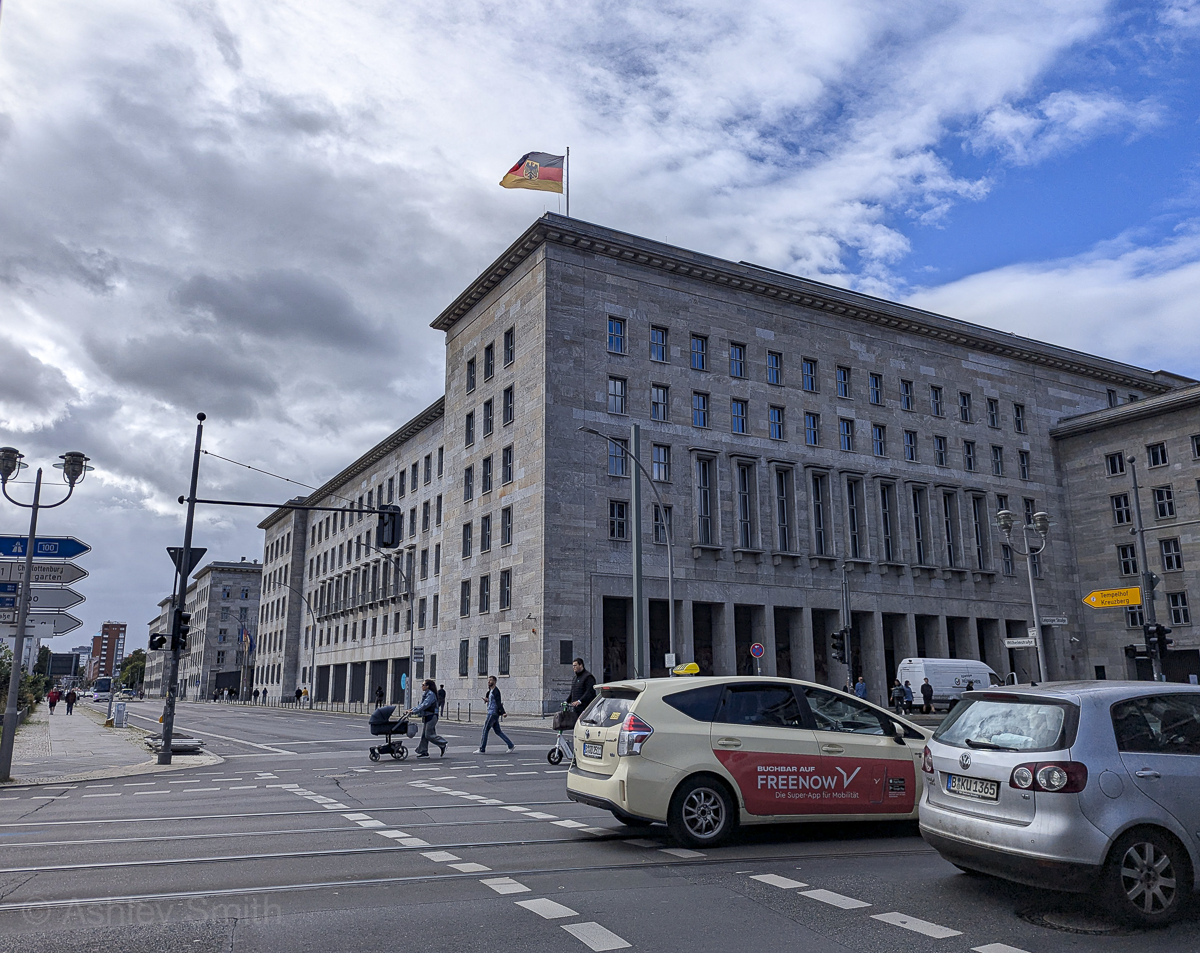
The former headquarters of Nazi Germany’s Aviation Ministry spans an entire city block behind the Topography of Terror museum. At the time of its construction in 1935, it was considered the largest building in Europe.
With its signature block design and complete lack of originality, this building is the epitome of the Nazi architecture style. Today, it houses the Federal Ministry of Finance. Other similar examples of Nazi architecture around town include the Bendlerblock, Olympic Stadium, and the buildings housing the Japanese and Italian embassies.
50. Albert Speer street lights
As part of the “Germania” expansion, Hitler tasked his trusty Reich architect Albert Speer with designing a fancy grand boulevard. As part of that project, he also designed the street lights that would line it which still stand today. And they’re as featureless and unlikable as you’d imagine.
Look for them along the main road between the Tiergarten and Theodor-Heuss-Platz S-bahn stations.
52. Organization Todt Reichsadler
Less than a block away from the famous Checkpoint Charlie stands the building that once served as the headquarters for the Organization Todt (the Nazi engineering arm responsible for such things as the Atlantic Wall). Today, it’s the Federal Employment Agency.
The building is your basic example of bland Nazi architecture, but the most interesting part is what’s on top. Still, to this day, you can see the original Reichsadler on top (with swastika removed, of course).
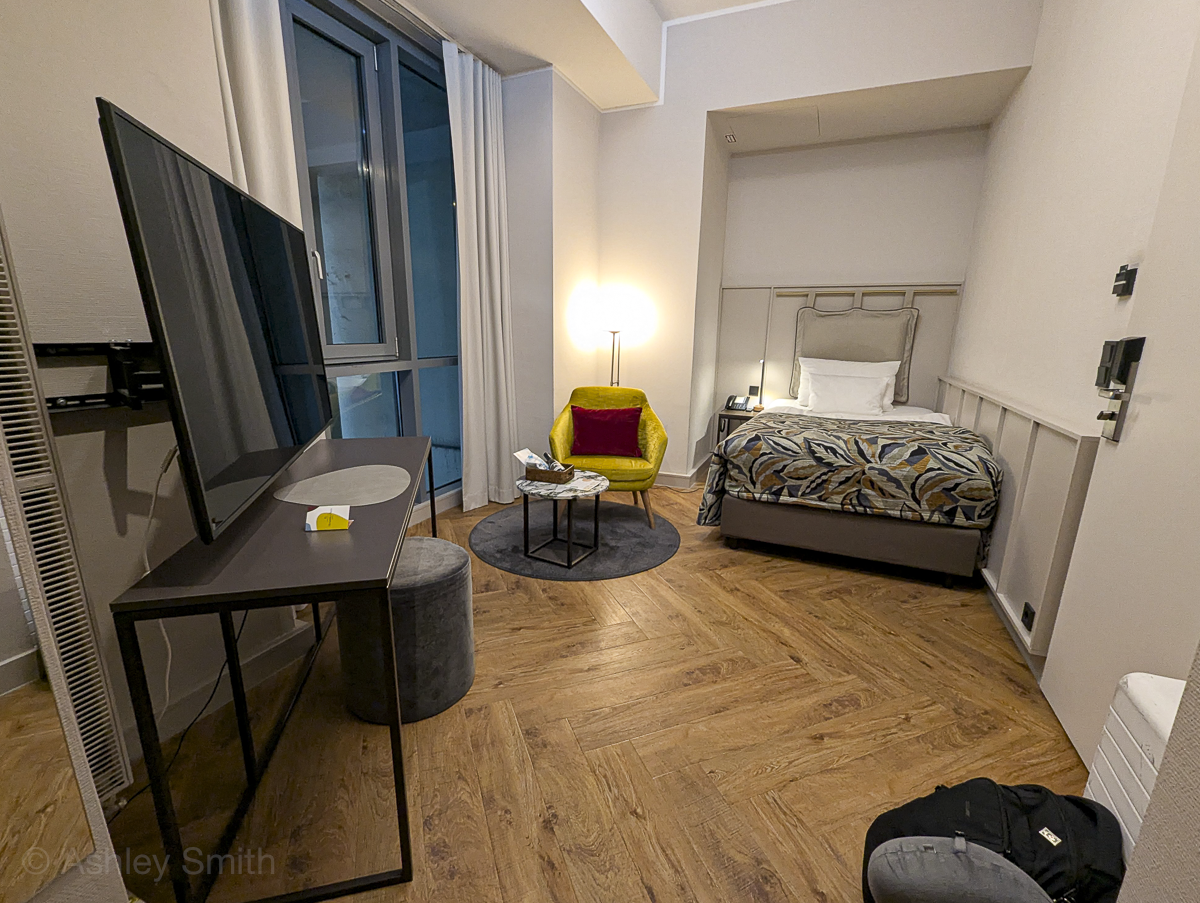
Where to stay in Berlin
Berlin has tons of great hotels and neighborhoods to choose from so here are a few Berlin hotel suggestions to get you started with your search:
You can see all Berlin hotel options here.
More info for your trip to Berlin
- Hotels: Find great places to stay on Booking.com (my go-to). Expedia and Hotels.com are worth checking too. VRBO is best for apartment rentals.
- Rental cars: Check out the best rental car deals here.
- Local tours & activities: Check out all the great local options from Viator and Get Your Guide here.
- Don’t forget a Germany guidebook and this must-have Germany customs and culture guide!
- Want more? See all my Germany posts here.
Like this post? Have questions about visiting any of the Berlin WWII sites? Let me know in the comments below. Thanks for reading!

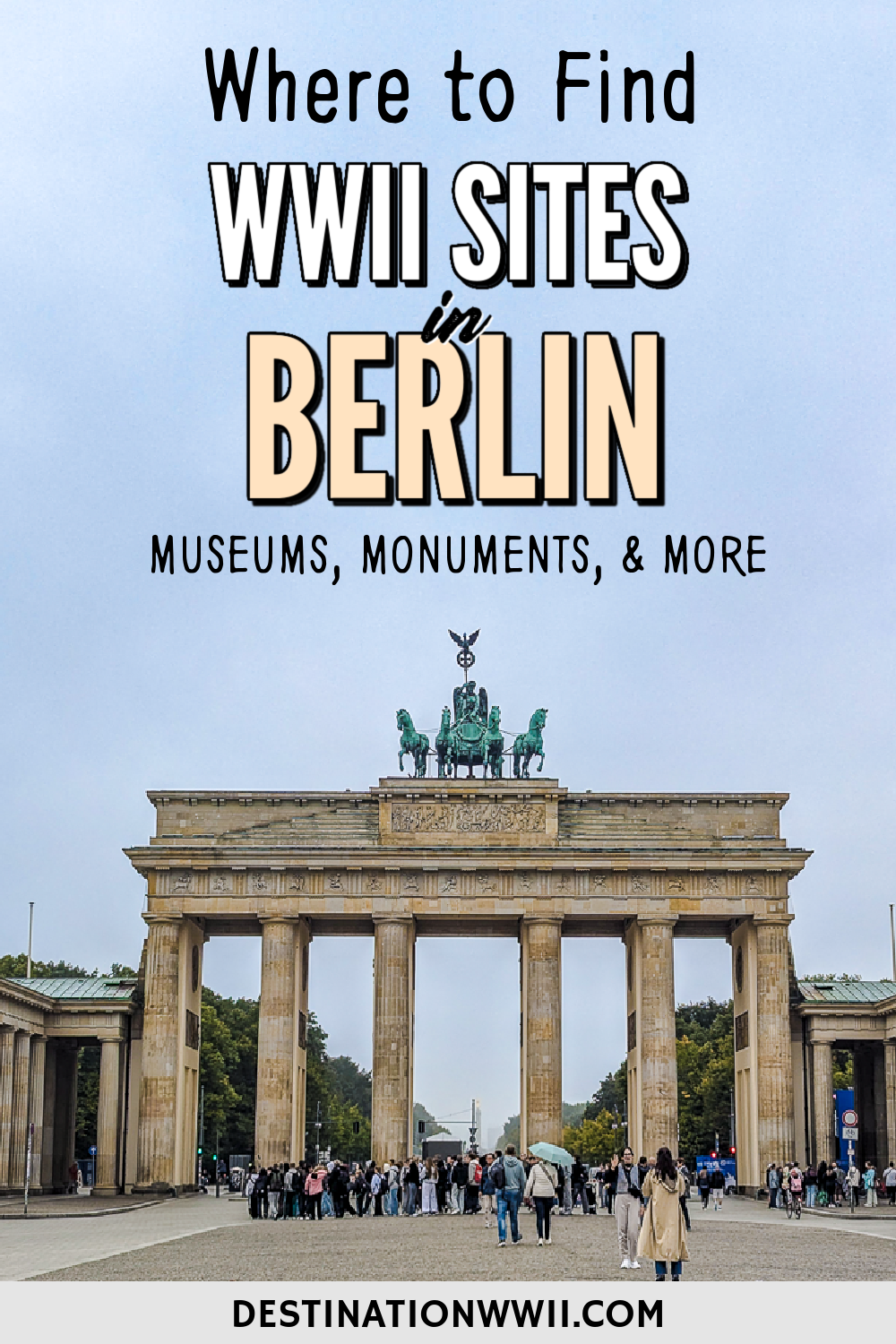
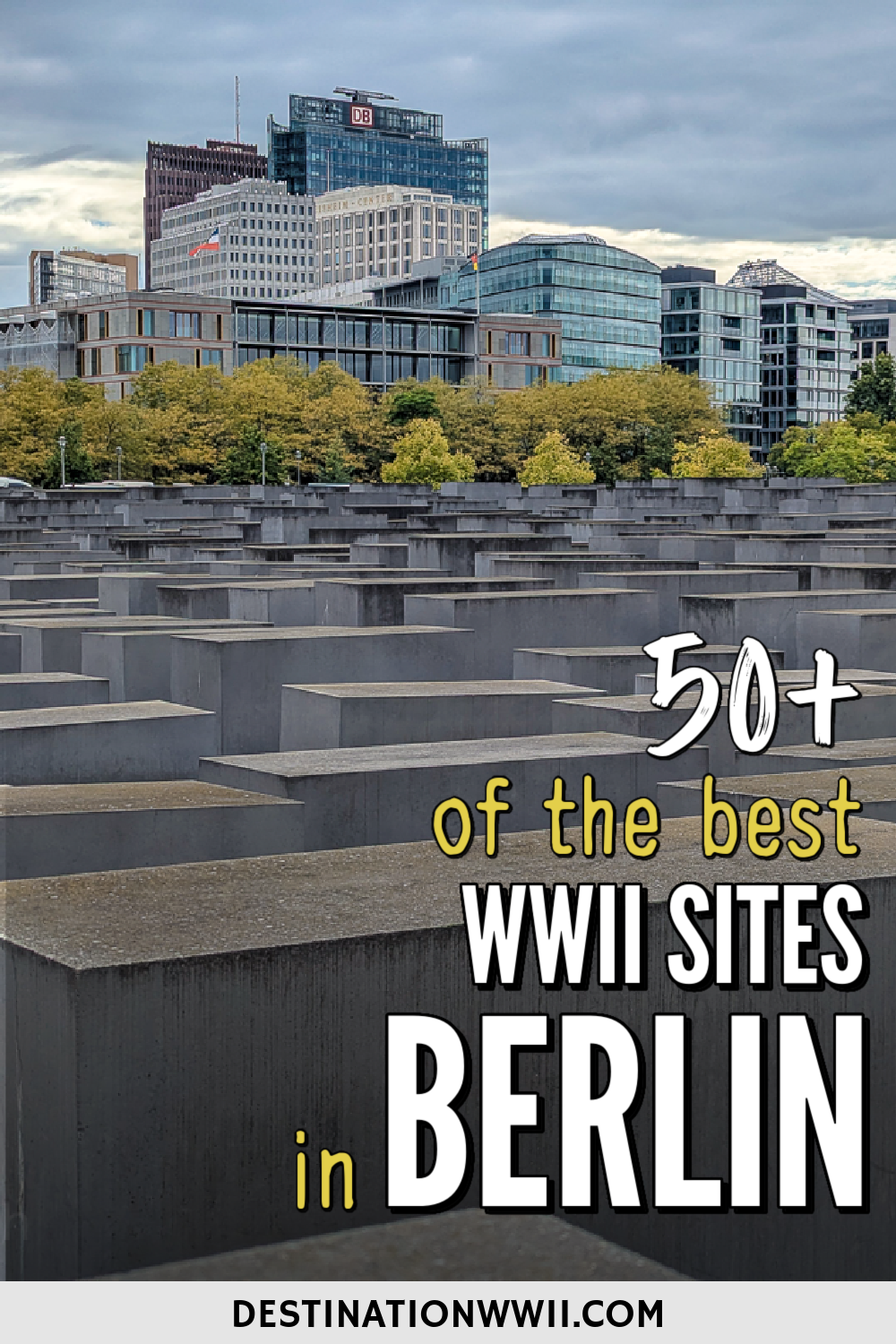
Save this info, pin this image:

Hi Ashley. I received your itinerary for 1 day in Bastogne. Can you recommend a tour guide to pick up 4 of us at our hotel to take us to see Breendonk? We will be in Brussels and we’re having a hard time finding someone.
Hi Mary Lu! I haven’t been able to find a proper tour guide for this sort of thing either, but if you’re just looking for a drive to take you from Brussel to Breendonk and back, I would look at daytrip.com – they offer the opportunity to book drivers by the hour for specialized trips like this. Once there, you can utilize their audio guide system while you tour the historical site.
Ashley, thanks so much for this brilliant source on Berlin’s WWII historic sites; my grandparents all disappeared into “Nacht un Nebel” and I am also a reader and collector of WWII history.
However, one criticism: you note the well-known disrespectful behavior of visitors to the Berlin Monument to the Murdered Jews of Europe — my visit to which stunned me with it’s power of silence — and yet you have a photograph of yourself smiling at the camera in the interior of the Reichstag. I do not find any place in the horror-show history of the Third Reich to be appropriate for a selfie, and even less so smiling. The accompanying photo of the interior is enough; if your good intention was to convey the size / scale of the interior and it’s commemorating center, a photo of you looking over the interior would have served just as well. I hope you will reconsider the inclusion of that particular image.
I do love the pic of you with Matti; that gives a fine sense of your personality. Great thanks for this great collection of information.
Hi Zigy – Thank you so much! And thank you for sharing your criticism too. I also have a zero tolerance policy when it comes to behaving badly at WWII sites which mostly includes selfies and other inappropriate photography, so obviously I always think very hard about what I post. I decided to use the photo of myself at the Reichstag for two reasons: 1) Because even though an important historical event happened here, I don’t consider this a place of remembrance and I doubt anyone else would either. It would be different if that one terrible event was this building’s single defining characteristic, but it’s not. This building wasn’t even used during the war. In fact, that one event has very little bearing on a visit here – it’s hardly mentioned in the displays or in the audio guide. I’d be willing to bet the majority of visitors in the room with me don’t even know about the Reichstag fire. Instead, the dome is a joyous place, one that represents victory over Nazism and the progress and reunification of Germany, and that’s what I’m smiling about. And 2) Because in today’s internet of AI generated garbage, it’s becoming increasingly important to show that I’m a real person who actually takes these trips and visits all these places for real and writes all my own content. So, I always try to include at least one photo of myself in my posts just to remind readers I’m a real person. It just so happens that this is the only photo I have of myself in Berlin (because I traveled alone and because I’m super awkward when it comes to taking photos). I wrote the post and added the photo before I remembered that Matti took one of us too. Otherwise, I totally agree with you. I just think there’s more nuance to it than “any place in the horror-show history of the Third Reich.”